Fredi M. Murer
Directing
Known For
No description available.
Kulturplatz

Vitus tells the story of a highly-gifted boy (played by real-life piano prodigy Teo Gheorghiu) whose parents have demanding and ambitious plans for him.
Vitus
No description available.
Downtown Switzerland
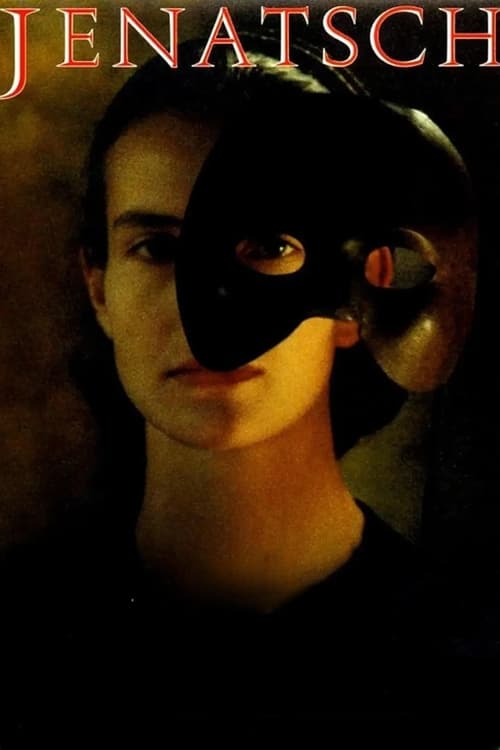
A journalist is assigned to interview an eccentric anthropologist who has exhumed the skeleton of Jörg Jenatsch, a revered freedom fighter who was mysteriously murdered in 1639. Initially disinterested, the journalist begins to uncover unflattering truths about the national hero and experiences visions in which he seems to be witnessing events that transpired over 300 years ago. As he obsessively pursues the investigation, his personal life and his grip on reality disintegrate, drawing him relentlessly toward the fatal carnival at which Jenatsch was killed.
Jenatsch

A year on an Alpine farm: an older couple have two children, Belli, who wanted to be a teacher, and the younger Franzi, deaf, and although he works like a man, child-like. Belli teaches him. In his work, he can become frustrated, so when he throws an expensive mower over a cliff in a fit of pique, his father banishes him to the outskirts of the farm, where he uses pubescent energy to break rocks and build walls and cairns. (It's the tradition of the father's family, called "The Irascibles" by neighbors, to spend puberty doing this.) Belli visits him and they begin sleeping together. By winter, the boy is back in the house and Belli is pregnant. Soon her parents must know.
Alpine Fire

Without knowing it, Alfred and Julia live in a land of pure invention. It is the richest and most beautiful land in the world. From a height, this land looks like a piece of felt, from close up like a clean and tiny park. The footpaths are lined with benches and the streets with banks. Alfred and Julia have been married for 8 years, are childless, and live on the 16th floor of a new building. Thanks to their various crises, they have got to know each other somewhat better, but their most outstanding characteristic remains their mediocrity. On Friday, August 12th 1977, a mysterious epidemic breaks out in their country. The mass media ensure that the news is widely broadcast. The authorities order a ban on information, but those concerned break their imposed silence. On Sunday evening, it becomes known that the epidemic was nomore than a kind of "dress rehearsal" for a real emergency. Alfred and Julia continue to live in a land of pure invention - but now they are conscious of the fact.
Zones
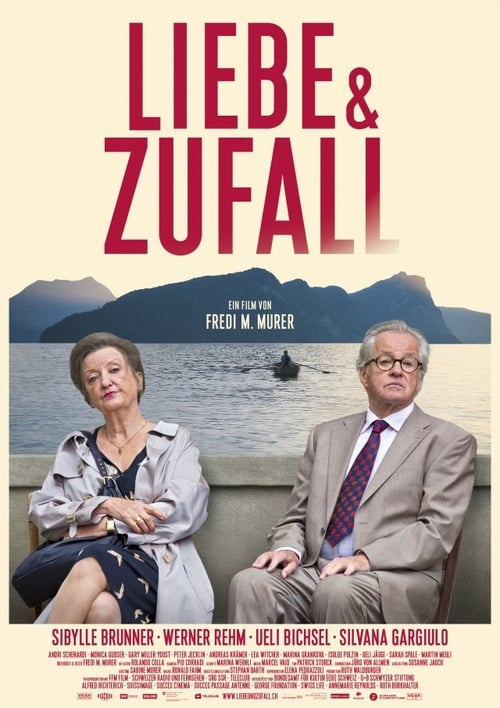
A woman confronts her past – and invents her future. Seventy-six-year-old Elise knows exactly how she will spend the final years of her life: living with Paul, to whom she has been happily married for 50 years, in their villa on Zürichberg till her last breath, and tenderly cared for by Angela, their faithful housekeeper. But then Angela is discovered by the theatre and hired for a stage play. Paul hits a man with his '68 Maserati and subsequently becomes friends with him; Elise passionately kisses a young veterinarian.
Liebe und Zufall
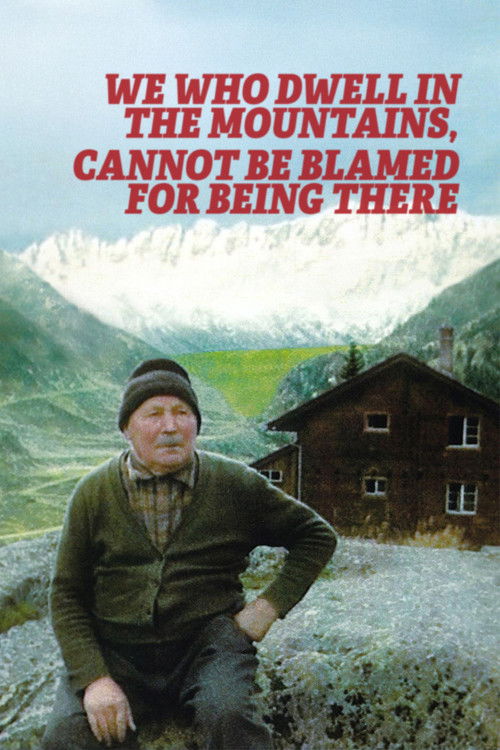
A documentary about Swiss mountain folk.
We Who Dwell in the Mountains Cannot Be Blamed for Being There
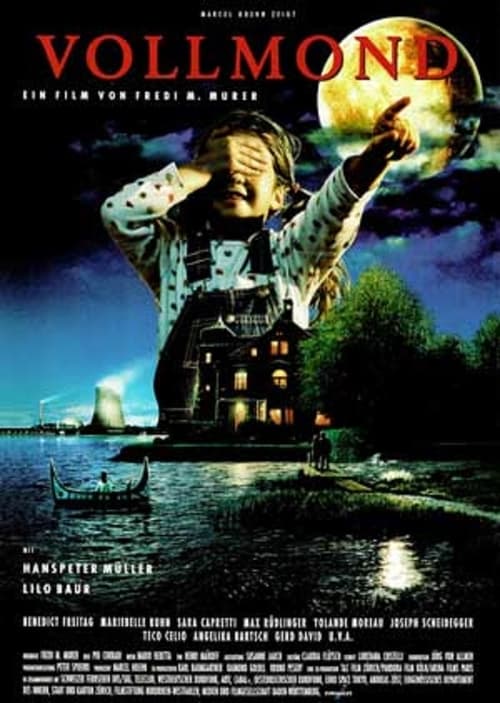
Fredi M. Murer wrote and directed this Swiss drama about a family with a missing child. The only explanation seems to be kidnapping, but no ransom note arrives. Police inspector Anatol Wasser (Hanspeter Muller) soon faces an elaborate mystery: a dozen Swiss children vanish with no indication of any pattern -- other than the fact that they all lived near lakes. Is organized crime responsible, or does the answer lie in mystical realms? Shown at the 1998 Montreal Film Festival.
Full Moon
No description available.
Bernhard Luginbühl
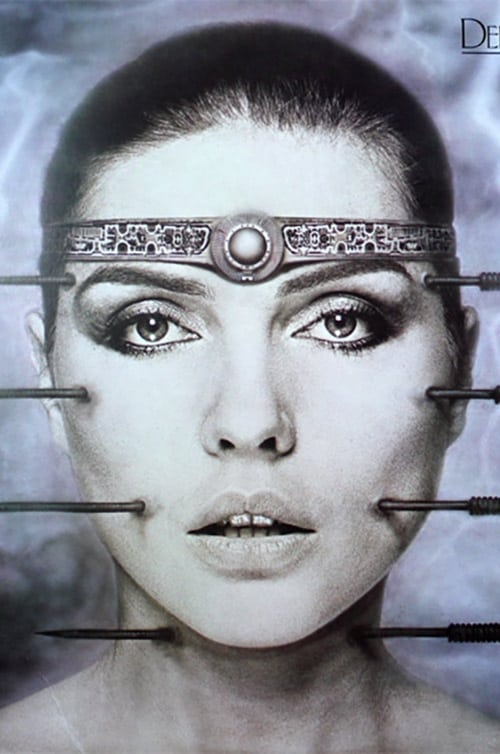
Debbie Harry first solo album with banned art by H.R. Giger is covered.
A New Face of Debbie Harry by H.R. Giger
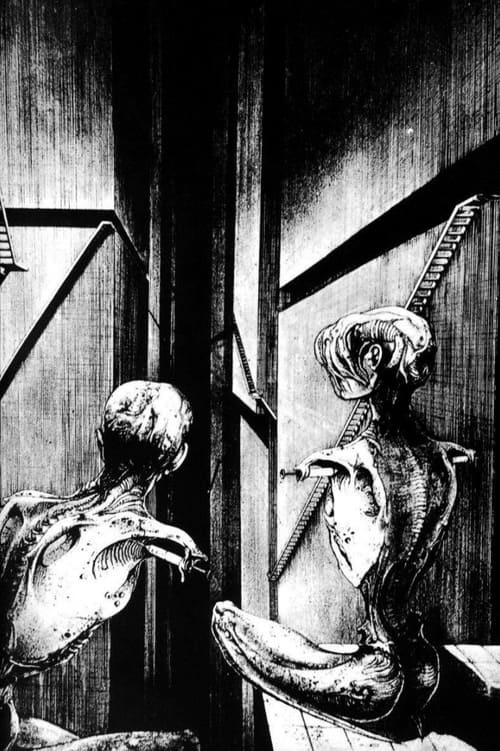
A descent into an illustrated, monochromatic world of macabre creatures of increasing intensity.
High and Heimkiller
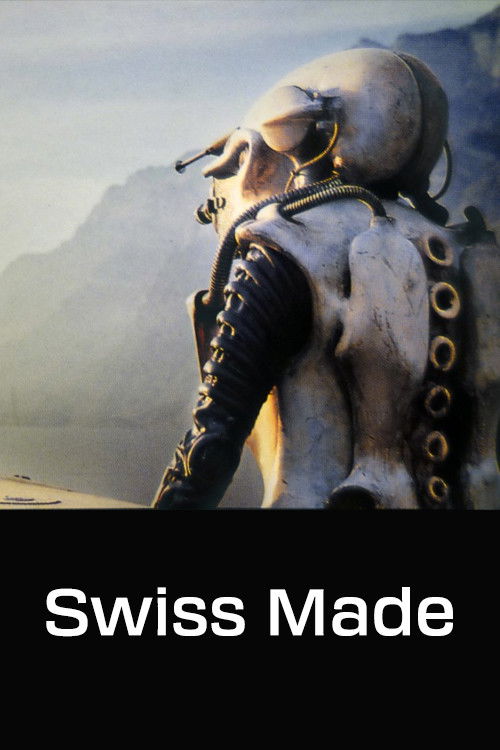
Three short films about the future of Switzerland.
Swissmade
No description available.
Die verborgene Fiktion im Dokumentarfilm
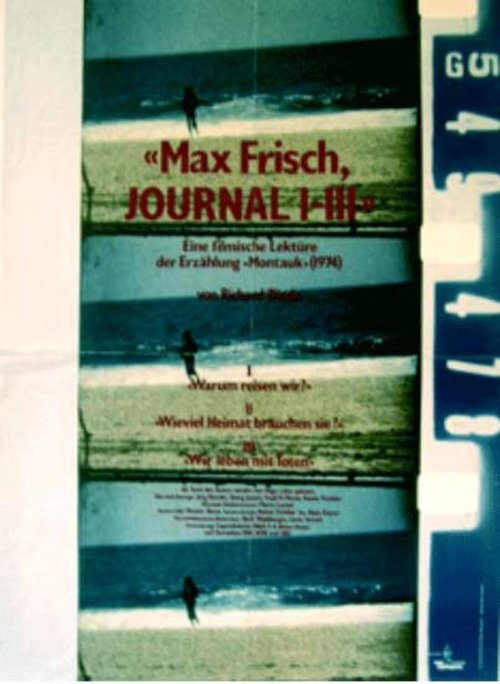
A “filmic re-reading” of Max Frisch's novella Montauk (1974) and of excerpts from his published diaries. It is neither a biographical portrait of Frisch – who was one of the greatest 20th century Swiss writers – nor a filmed adaptation of the novel. Instead, Dindo returns to the locations the author describes in his texts, searching for traces of past events that may turn out to have been more imagined than real.
Max Frisch, Journal I-III
No description available.
Centre Le Corbusier - Das letzte Bauwerk von Le Corbusier
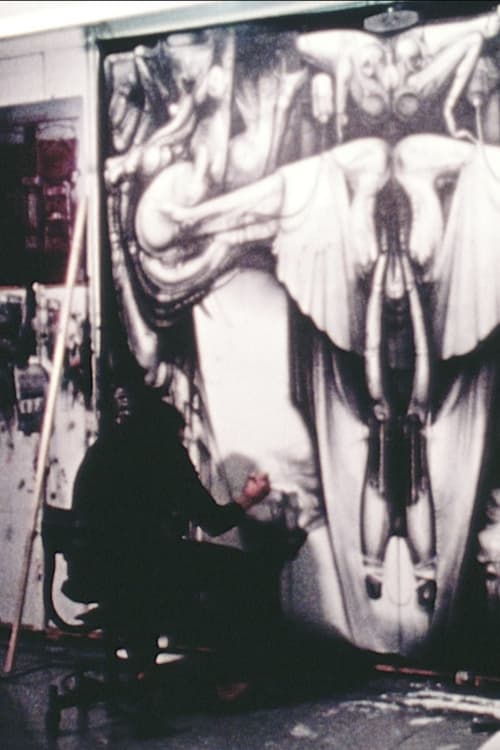
H.R. Giger became known all over the world as the designer of the aliens in Ridley Scott's feature film ALIEN. In this documentary about H.R. Giger's work, which was made many years before, the artist's creative process and the interplay between conscious and unconscious influences are the focus. Statements by experts and contemporaries address the question of the artist's position and social responsibility [filmingo].
Passagen
No description available.
Pazifik - oder die Zufriedenen.
No description available.
Christopher & Alexander
No description available.