Linda de Suza
Acting
Biography
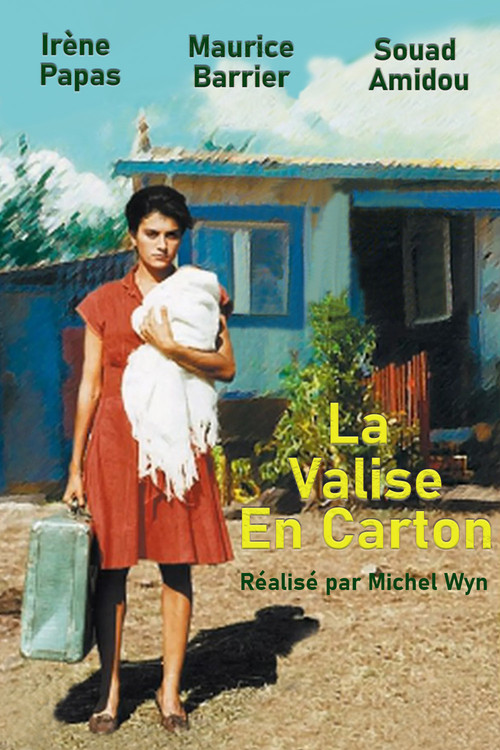
Teolinda Joaquina de Sousa Lança ( 22 February 1948 – 28 December 2022), better known as Linda de Suza, was a Portuguese Lusophone and Francophone singer and best-selling author. She was described by Portuguese President Marcelo Rebelo de Sousa as "a French icon of Portuguese migration". Linda de Suza was born in Beringel, Beja (Alentejo), in southern Portugal. Suza left her homeland for France in the 1970s and started to work in menial jobs. In the late 1970s, she managed to record music albums. Her works such as Tiroli-Torola, La fille qui pleurait, Un Enfant peut faire le monde, and L'Étrangère drew a large audience in France. She topped her success with her performance at Paris Olympia. Linda de Suza sang fado, folk, ballads and popular songs in both French and Portuguese and was nicknamed "Amália of France" after Amália Rodrigues, to whom she paid tribute in her song "Amália". Amália Rodrigues, known as "Rainha do Fado" ("Queen of Fado") paved the way for Linda de Suza, Tonicha, Lenita Gentil, Cândida Branca Flor, Dulce Pontes, Mariza and Mísia, among other well known Portuguese and Portuguese-descended singers. In 1984, Linda de Suza published her autobiography La Valise en Carton ("The Cardboard Suitcase"). The book was also published the same year in Portugal, as A Mala de Cartão. Her book was followed by a number of novels. La Valise en carton was adapted into a cinema-film miniseries in 1988. All were successful. Linda de Suza died in France from complications of COVID-19 on 28 December 2022, aged 74. Source: Article "Linda de Suza" from Wikipedia in English, licensed under CC-BY-SA.

Known For

No description available.
Champs-Elysées

No description available.
Vivement dimanche

Midi Première is a French variety show presented by Danièle Gilbert, directed by Jacques Pierre and broadcast from January 6, 1975 until January 1, 1982 on TF1. The program was generally broadcast between 12:15 p.m. and 12:55 p.m., then giving way to the 1:00 p.m. TV news. However, the broadcast schedule could change, depending on the guests, and the setting where the recording of the program was shot. Certain performances by artists who have become cult like the one where Ringo jostles with a demonstrator in interpretation (1977), that of Dalida with the title There is always a song with the soundtrack that does not start, twice, at the right speed (1978), Claude François and his Clodettes, who, in the provinces, are unable to join "the set" in order to interpret his song, the latter being taken by the crowd of delirious fans (summer 1977) . The group Supertramp performed there with the title "Dreamer" on March 8, 1975.
Midi Première

No description available.
Sacrée soirée

A talk show presented by Michel Drucker
Les Rendez-vous du dimanche

No description available.
Le monde est à vous

A French variety show.
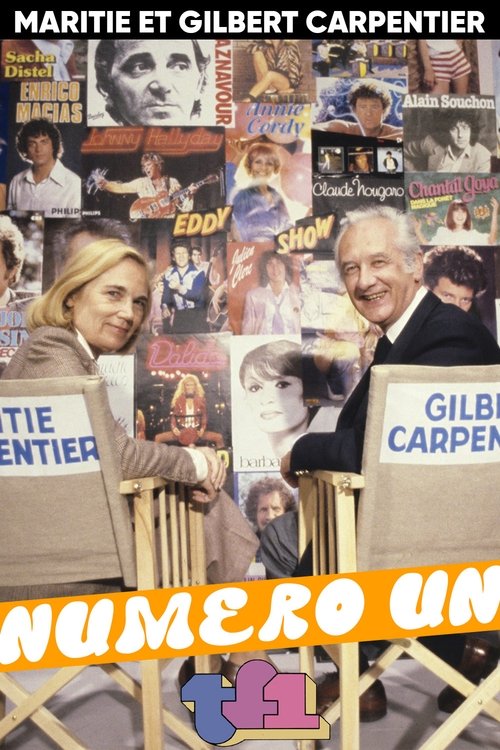
Numéro un

Host Jacques Martin invites different talented children from various backgrounds to showcase their beautiful voices. The participants entertain and wow the audience with their lovely performances.
Fan School

No description available.
Victoires de la musique

No description available.
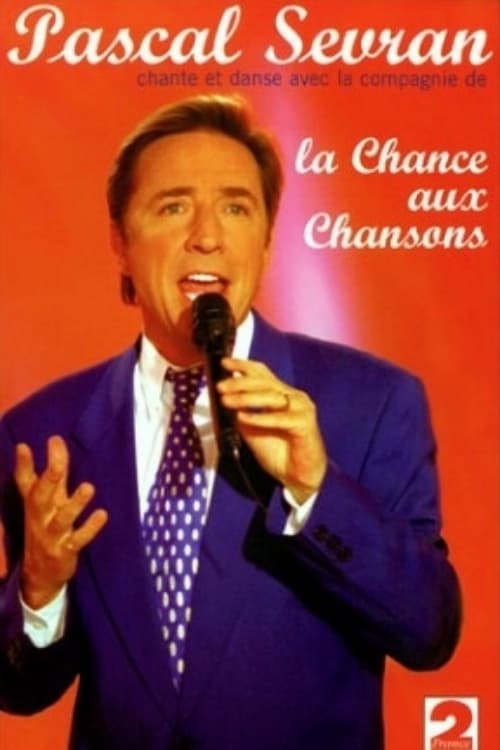
La Chance aux chansons

On n'est pas couché was a French talk show broadcast on France 2 on Saturdays at 11 p.m., hosted by Laurent Ruquier assisted by various columnists.
On n'est pas couché

No description available.
Les Jeux de 20 heures

No description available.
Parabéns

From her childhood in Alentejo to her career as a singer, Linda de Suza recounts her life, in a Portugal marked by the Salazar dictatorship, with her family and in particular her mother, before fleeing to France as an adult.
La Valise en carton

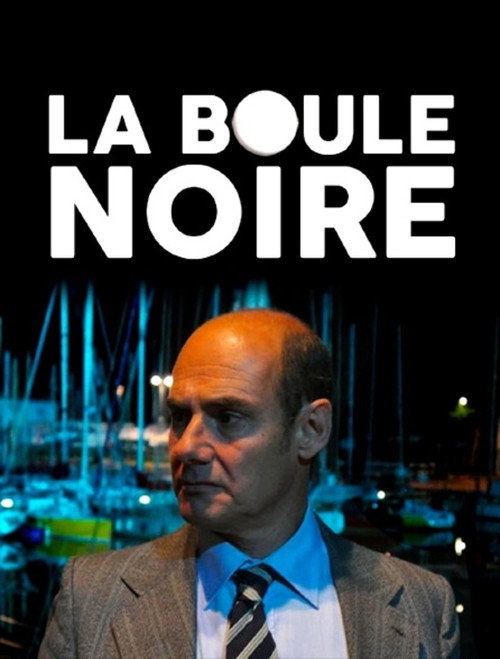
Married with a family and professionally successful, Vincent Ferreira has all he needs to be happy. Sensitive about his modest origins, he dreams of joining the local upmarket club attended by the town big wigs. But with each election, his bad luck prevents him from being admitted.
The Black Ball

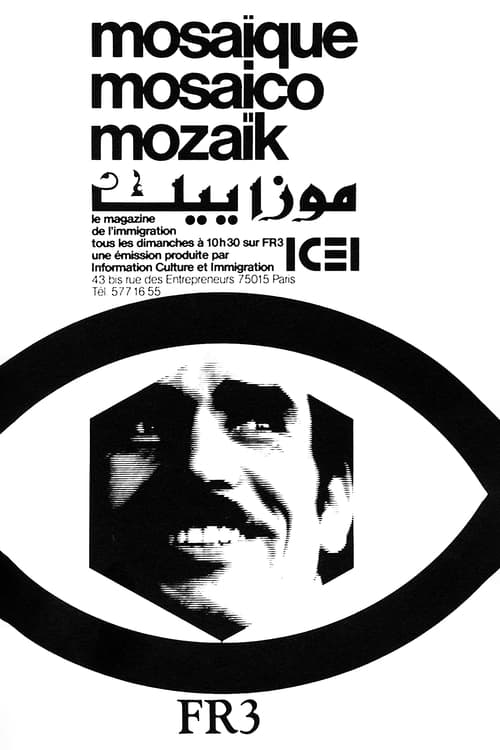
Broadcast from 1977 to 1987 on FR3, every Sunday morning, for 1h30, Mosaïque is a variety show with a set where music groups from the countries of origin of immigration perform, and which broadcasts reports on these countries and on immigrants who live in France. When it was created, it aimed to promote the cultures of origin of immigrants, but also to make them better known to the rest of the population. However, the program was never financed by public television which considers that it was aimed at a specific audience and was therefore not part of a public service mission. It received financial support from the Ministry of Labor, through its subsidy to the National Office for the Cultural Promotion of Immigrants, ONPCI (later becoming Information Culture and Immigration, ICEI, in 1977, then Agency for the Development of Intercultural Relations , ADRI). , in 1982).