
Jean-Philippe Lafont
Acting
Biography
Jean-Philippe Lafont (born 11 February 1951) is a French baritone. He studied in his native city of Toulouse and later at the Opéra-Studio in Paris. He made his operatic debut as Papageno in The Magic Flute at the Salle Favart, Paris in 1974. He went on to appear regularly in Toulouse, where he first played the title role in Verdi's Falstaff in 1987. Lafont has performed at the Opéra-Comique in Paris, Carnegie Hall and the Metropolitan Opera in New York, La Scala in Milan and the Royal Opera House, London. Among the roles with which he is particularly associated are the four villains in The Tales of Hoffmann, the Comte des Grieux in Manon, Golaud in Pelléas et Mélisande, Barak in Die Frau ohne Schatten and the title roles in Gianni Schicchi, Rigoletto, Boris Godunov and Macbeth. Source: Article "Jean-Philippe Lafont" from Wikipedia in English, licensed under CC-BY-SA 3.0.
Known For

No description available.
Champs-Elysées

No description available.
Le monde est à vous
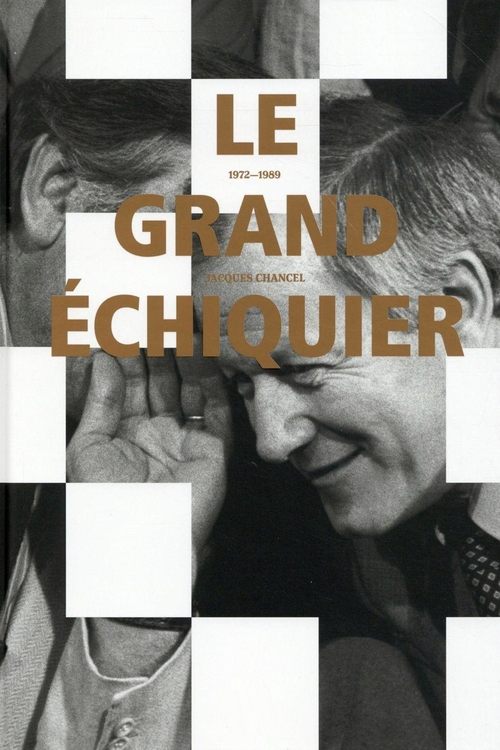
Le Grand Échiquier is a French variety television program created and presented by Jacques Chancel. It aired at 8:30 pm on the first channel of the ORTF from January 12, 1972 to July 12, 1972, then on the second color channel of the ORTF from September 1972 to December 1974, and finally on Antenne 2 from January 1975 to December 21, 1989. The program returned to France 2 on December 20, 2018 and is hosted by Anne-Sophie Lapix.
Le Grand Échiquier
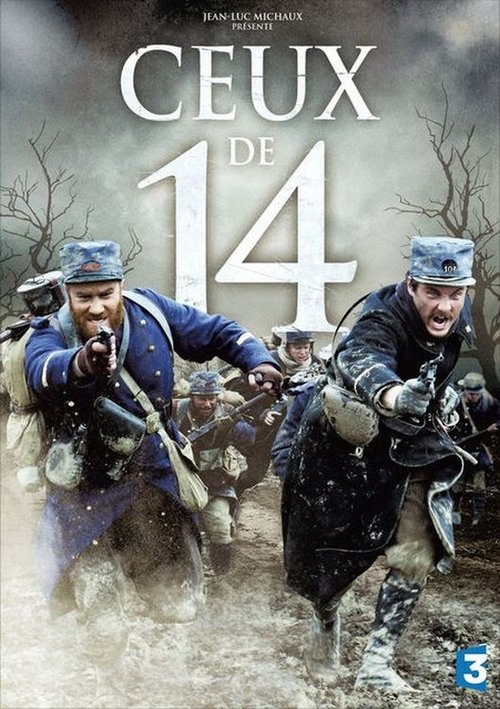
No description available.
Ceux de 14
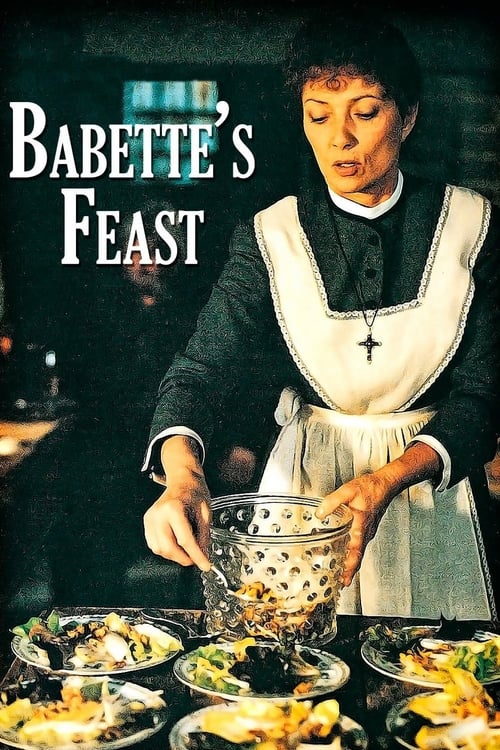
A French housekeeper with a mysterious past brings quiet revolution in the form of one exquisite meal to a circle of starkly pious villagers in late 19th century Denmark.
Babette's Feast

Cop's Honor (Parole de Flic) is a 1985 French crime movie directed by José Pinheiro and starring Alain Delon as retired police officer Daniel Pratt. His teenager daughter was killed by a gang of mysterious hooded killers so Pratt began his own investigation to avenge the killers and their backroom leader.
Cop's Honor
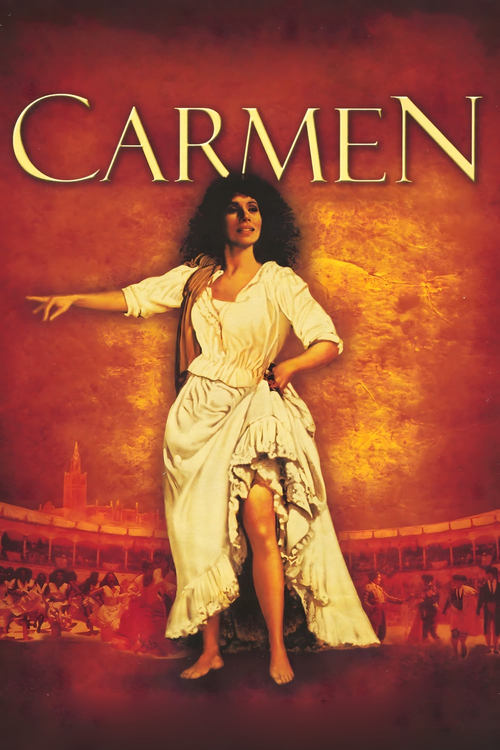
In the early 19th century, in Seville and the surrounding area, Carmen seduces the sergeant Don José, who deserts the army to be with her. But the beautiful gypsy falls in love with the bullfighter Escamillo, much to Don José’s despair.
Carmen
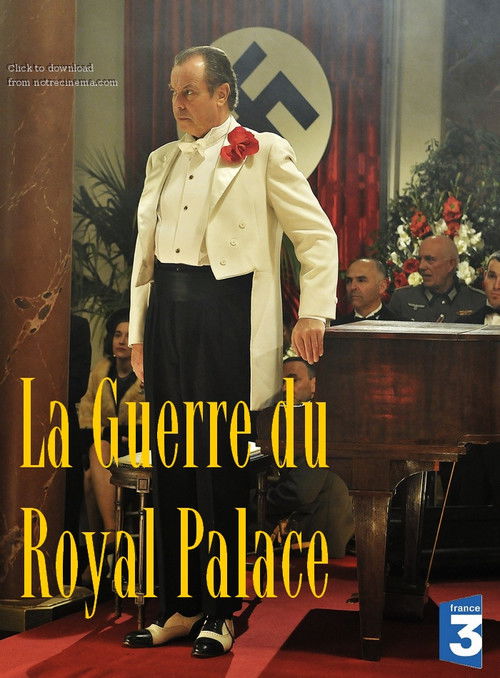
Between September 1940 and August 1944, luxury hotels are requisitioned by the Germans as staff headquarters, giving the hotels' employees a ringside seat of the enemy's secrets and activities. Such is the case with Royal Palace, run by Maxime and Solange Verdier, in which the Abwerth, the German counter-intelligence service, establishes its HQ.
La Guerre du Royal Palace
Nina, a young Polish woman exiled in London, and Pierre Bernard, envoy of General de Gaulle, are part of the international team assembled in Nuremberg after the Second World War to try twenty-four Nazi war criminals.
J'étais à Nüremberg
When Barbe-bleue loses his fifth wife, the turbulent Boulotte is selected at random to be the next one. But Barbe-Bleue falls in love with Hermia – who loves the shepherd Saphir – and soon wearies of Boulotte. So, he asks his alchemist to concoct for him an “anti-wife” philtre. But, as on the previous occasions, it is merely a sleeping potion and Boulotte wakes up the other five “dead” wives. They reappear, dressed up as gypsies and bring the truth to light.
Bluebeard
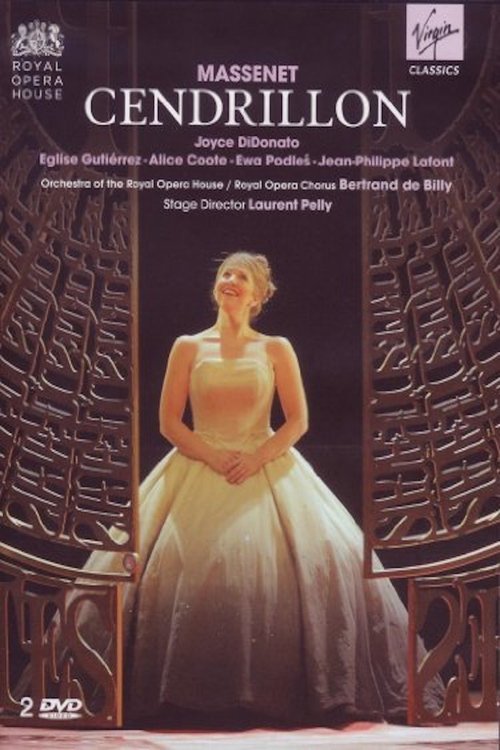
Massenet composed his opera about Cenerentola nearly 80 years after Rossini did his. And if you are looking for the outburst of the non-stop hilarity and the musical jokes of Rossini, you won't find it here. Also, while the Cendrillon was highly successful and popular in its time, it does not reach up to the artistic and musical levels offered by Massenet's other operas, like Manon, or Thais or Werther. Nevertheless, this is a delightful opera and it is well presented by The Royal Opera. Laurent Pelly created a ingenious setting with movable walls which are covered [in French] with the story of Cinderella, and which open and close book-like.
Cendrillon
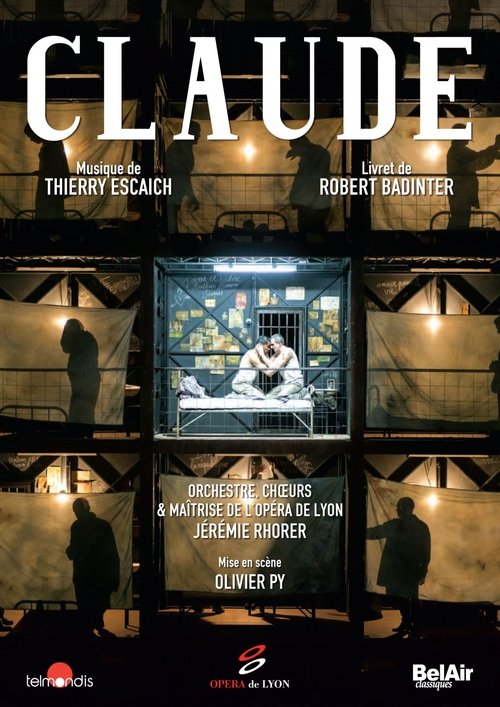
No description available.
Claude
Musical based on Jean-Baptiste Lully’s musical piece, Alceste ou Le Triomphe d’Alcide. Directed during the production of the opera staging by music director Jean-Claude Malgoire and stage director Jean-Louis Martinoty.
Revenez, plaisirs exilés (sur Alceste)

Don Quichotte (Don Quixote) is an opera in five acts by Jules Massenet to a French libretto by Henri Caïn. It was first performed on 19 February 1910 at the Opéra de Monte-Carlo.
Don Quichotte
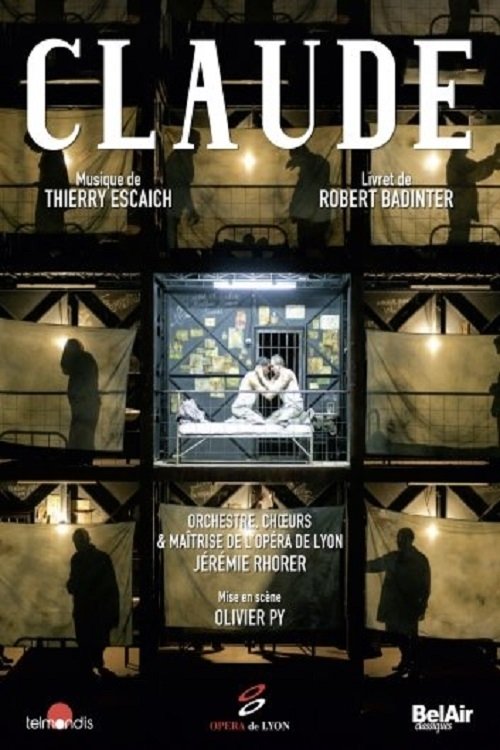
French contemporary composer Thierry Escaich and French essayist, politician, and now librettist Robert Badinter transform Victor Hugo’s short story Claude Gueux into an operatic call for human dignity in the 21st century.