Margaret Lockwood
Acting
Biography
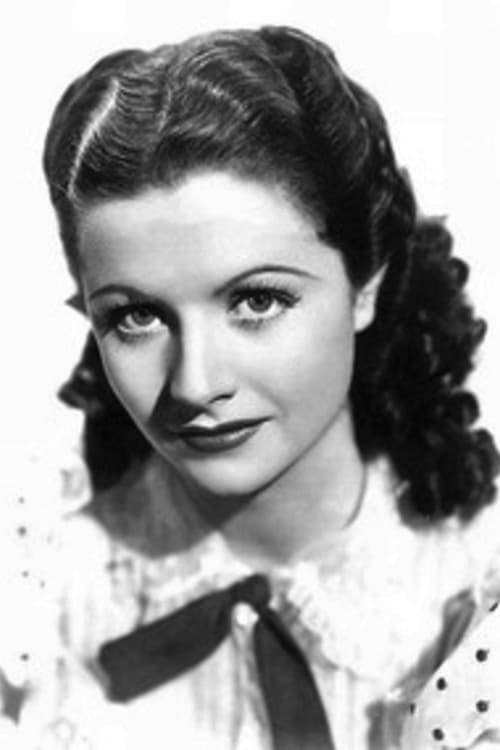
Margaret Lockwood, CBE (15 September 1916 – 15 July 1990) was an English actress, notable for her performance in the 1945 Gainsborough movie, The Wicked Lady. Margaret Mary Lockwood Day was born in Karachi, British India (now Karachi, Pakistan), to an English administrator of a railway company and his Scottish wife. Lockwood's family returned to the United Kingdom when she was a child, along with her brother. She attended Sydenham High School for girls, and a ladies school in Kensington, London. She began studying for the stage at an early age at the Italia Conti, and made her debut in 1928, at the age of 12, at the Holborn Empire, where she played a fairy in A Midsummer Night's Dream. In December of the following year, she appeared at the Scala Theatre in the pantomime The Babes in the Wood. In 1932, she appeared at the Theatre Royal, Drury Lane in Cavalcade. Lockwood then trained at the Royal Academy of Dramatic Art in London, where she was seen by a talent scout and signed to a contract. In June 1934, she played Myrtle in House on Fire at the Queen's Theatre, and on 22 August 1934 appeared as Margaret Hamilton in Gertrude Jenning's play Family Affairs when it premiered at the Ambassadors Theatre; Helene Ferber in Repayment at the Arts Theatre in January 1936; Trixie Drew in Henry Bernard's play Miss Smith at the Duke of York's Theatre in July 1936; and back at the Queen's in July 1937 as Ann Harlow in Ann's Lapse. Lockwood entered films in 1934, and in 1935 she appeared in the film version of Lorna Doone. In 1938 she starred in her most successful film, Alfred Hitchcock's The Lady Vanishes, in which she first appeared with Michael Redgrave. In 1940, she played the role of Jenny Sunley, the self-centered, frivolous wife of Michael Redgrave's character in The Stars Look Down. In the early 1940s, Lockwood changed her on-screen image to play villainesses in both contemporary and period films, becoming the most successful actress in British films during that period. Her greatest success was in the title role in The Wicked Lady (1945), a film which was controversial in its day and brought her considerable publicity. In 1946 Lockwood gained the Daily Mail National Film Awards First Prize for most popular British film actress. She made a return to the stage in a record-breaking national tour of Noel Coward's Private Lives in 1949, and also played Eliza Doolittle in Pygmalion at the Edinburgh Festival of 1951, and the title role in Peter Pan in 1949, 1950, and 1957 (the latter with her daughter as Wendy). Her subsequent long-running West End hits include an all-star production of Wilde's An Ideal Husband (1965/66, in which she played the villainous Mrs Cheveley), Somerset Maugham's Lady Frederick (1970), Relative Values (Noel Coward revival, 1973), and the thrillers Spider's Web (1955, written for her by Agatha Christie), Signpost to Murder (1962), and Double Edge (1975). In 1969, she starred as barrister Julia Stanford in the TV play, Justice is a Woman. This inspired the Yorkshire Television series, Justice, which ran for three seasons (39 episodes) from 1971 to 1974, and featured her real-life partner, John Stone, as fictional boyfriend, Dr Ian Moody. Lockwood's role as the feisty Harriet Peterson won her Best Actress Awards from the TV Times (1971) and The Sun (1973). Her last professional appearance was as Queen Alexandra in Royce Ryton's stage play, Motherdear (Ambassadors Theatre, 1980). She was created a CBE in the New Year Honours of 1981. Margaret Lockwood had married and been divorced from Rupert Leon. She lived her final years in seclusion and died in the Cromwell Hospital, Kensington, London from cirrhosis of the liver, aged 73. She was cremated at Putney Vale Crematorium. She was survived by her daughter, actress Julia Clark (née Margaret Julia Leon, born 1941).
Known For

A BBC television anthology series featuring productions of classic and contemporary stage plays usually broadcast on BBC1. Each production featured a different work, often using prominent British stage actors in the leading roles. The series was transmitted from October 1965 to September 1983.
BBC Play of the Month

The Bambi, often called the Bambi Award and stylised as BAMBI, is a German award presented annually by Hubert Burda Media to recognize excellence in international media and television to personalities in the media, arts, culture, sports, and other fields "with vision and creativity who affected and inspired the German public that year", both domestic and foreign. First held in 1948, it is the oldest media award in Germany. The trophy is named after Felix Salten's book Bambi, A Life in the Woods and its statuettes are in the shape of the novel's titular fawn character. They were originally made of porcelain until 1958, when the organizers switched to using gold, with the casting done by the art casting workshop of Ernst Strassacker in Süßen.
Bambi

ITV Playhouse is a British comedy-drama TV series that ran from 1967 to 1983, which featured contributions from playwrights such as Dennis Potter, Rhys Adrian and Alan Sharp. The series began in black and white, but was later shot in colour and was produced by various companies for the ITV network, a format that would inspire Dramarama. Actors appearing in the series included Leslie Anderson, Gwen Nelson, Ricky Alleyne, Pat Heywood, Michael Elphick, Ian Hendry, Edward Woodward, Margaret Lockwood, Jessie Matthews and Lloyd Peters.
ITV Playhouse

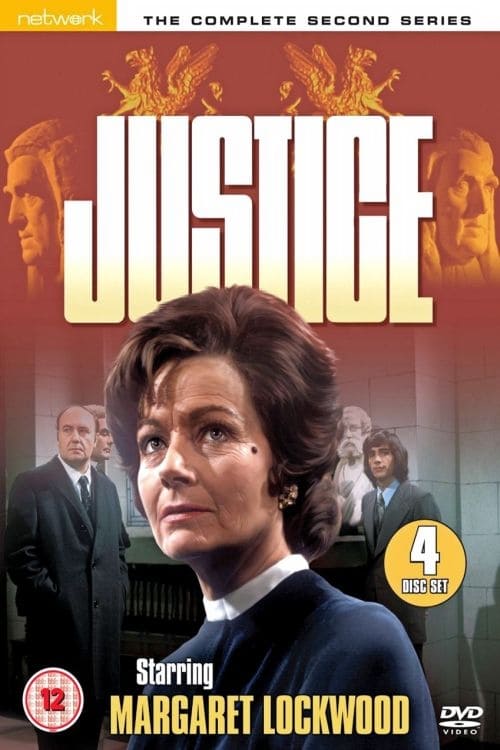
Justice is a British drama television series which originally aired on ITV in 39 hour-long episodes between 8 August 1971 and 16 October 1974. Margaret Lockwood stars as Harriet Peterson a female barrister in the North of England. It was made by Yorkshire Television and was based loosely on Justice Is a Woman, an episode of ITV Playhouse broadcast in 1969 in which Lockwood had previously also played a barrister. The theme music was Crown Imperial by William Walton.
Justice

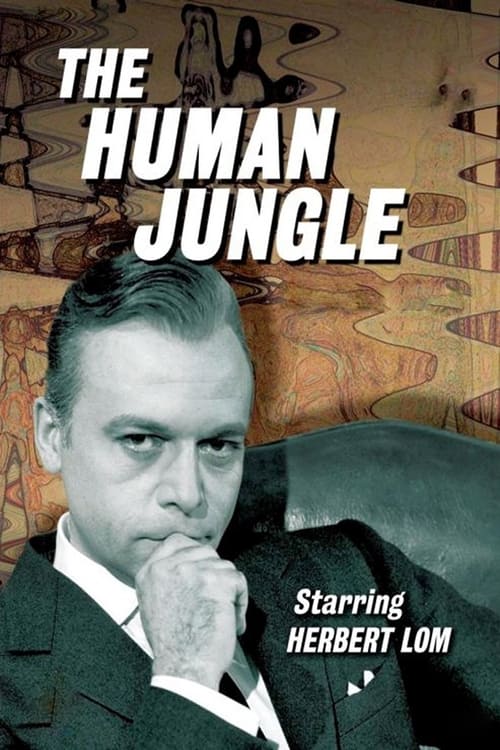
The Human Jungle is a British TV series about a psychiatrist, made for ABC Television by the small production company Independent Artists for transmission on ITV. Starring Herbert Lom, it ran for two series which were first transmitted during 1963 and 1965.
The Human Jungle

A BBC television series of forty-five-minute excerpts from stage plays running in London.
Theatre Night

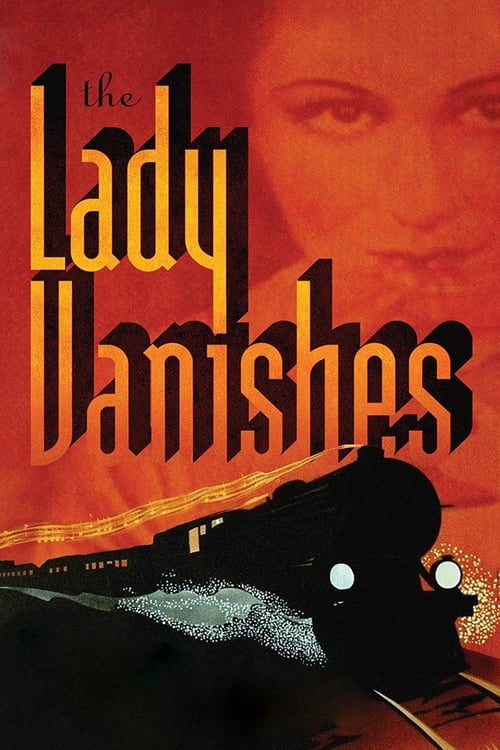
On a train headed for England a group of travelers is delayed by an avalanche. Holed up in a hotel in a fictional European country, young Iris befriends elderly Miss Froy. When the train resumes, Iris suffers a bout of unconsciousness and wakes to find the old woman has disappeared. The other passengers ominously deny Miss Froy ever existed, so Iris begins to investigate with another traveler and, as the pair sleuth, romantic sparks fly.
The Lady Vanishes

Prince Edward wants to marry for love, but the King and court of the Kingdom of Euphrania are anxious for the Prince to wed no matter what. When the Prince meets Cinderella at a ball, he's sure she's the one, and when she loses her slipper upon exiting the dance, the Prince is determined to find and marry her.
The Slipper and the Rose

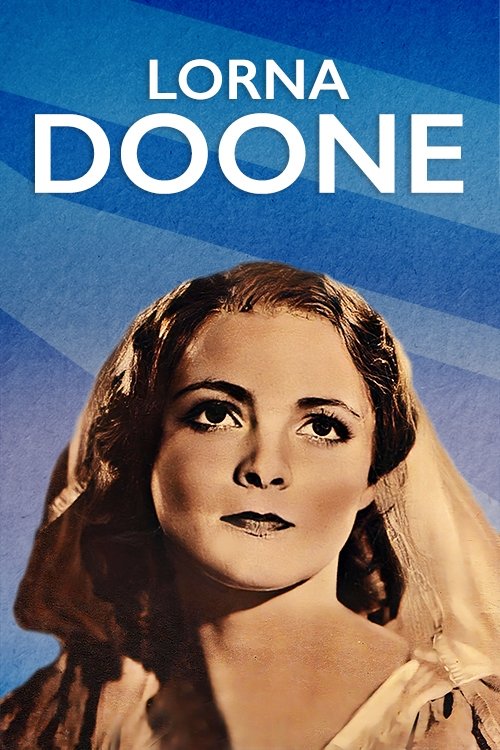
High drama, set in the English moorland of the 1600s. John Ridd wants revenge on the criminal Doone family, but falls in love with the daughter of the family, Lorna.
Lorna Doone

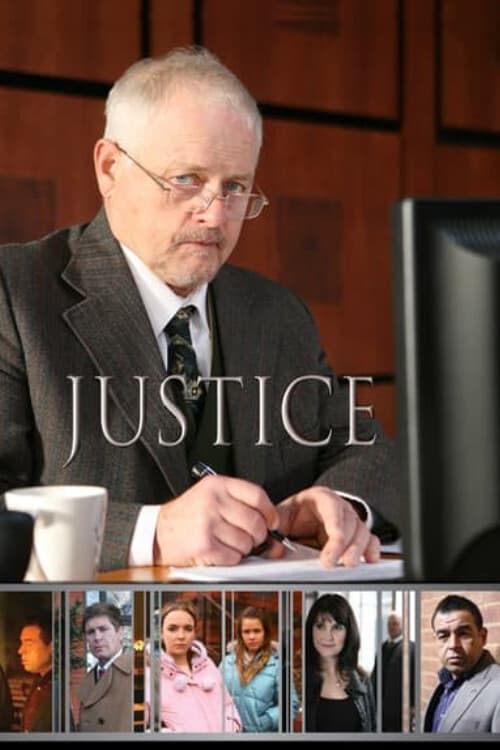
Justice is a British legal drama starring Robert Pugh as Judge Patrick Coburn. The first episode was originally broadcast on 4 April 2011 on BBC One.
Justice

A highly respected clergyman is actually a former pirate who exacts vigilante justice in this British production.
Doctor Syn
No description available.
The Flying Swan

Czechoslovakia, March 1939, on the eve of World War II. As the German invaders occupy Prague, inventor Axel Bomasch manages to flee and reach England; but those who need to put his knowledge at the service of the Nazi war machine, in order to carry out their evil plans of destruction, will stop at nothing to capture him.
Night Train to Munich

A married woman finds new thrills as a masked robber on the highways.
The Wicked Lady

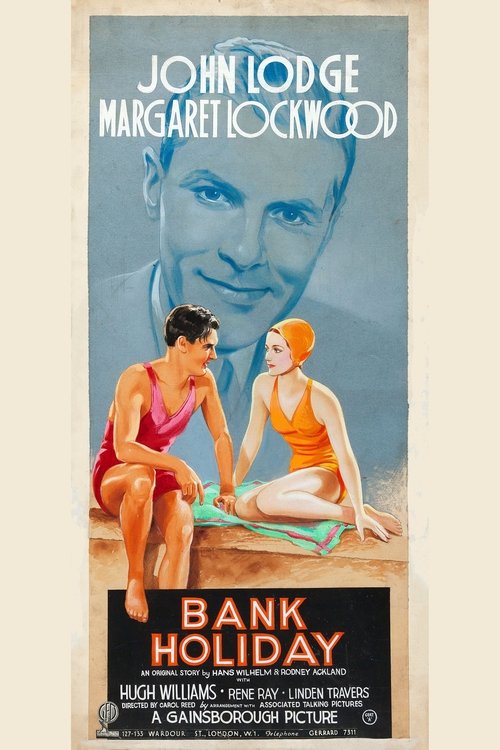
A 1930s British summer Bank Holiday starts at midday on Saturday with a rush for the trains to the seaside. Doreen and Milly are off to a beauty contest, Geoffrey and Catherine are having an illicit weekend in the Grand Hotel and May and the kids are set for a more straightforward holiday of sea, sand, and pub. Meanwhile, the manager and performers on the pier are praying for rain.
Bank Holiday

Edward "Teddy" Bare is a ruthless schemer who thinks he's hit the big time when he kills his older wife, believing he will inherit a fortune. When things don't go according to plan, Teddy sets his sights on a new victim: wealthy widow Freda Jeffries. Unfortunately for the unscrupulous criminal, Freda is much more guarded and sassy than his last wife, making separating her from her money considerably more challenging.
Cast a Dark Shadow

Life becomes a tragedy for the wife of an Irish heir to a 19th-century family feud and fortune.
Hungry Hill

Davey Fenwick leaves his mining village on a university scholarship intent on returning to better support the miners against the owners. But he falls in love with Jenny who gets him to marry her and return home as local schoolteacher before finishing his degree.
The Stars Look Down
No description available.
The Royalty

When a wealthy business man is found dead reporter Philip Trent is sent to investigate. Against the police conclusions, he suspects the assumed suicide is really a murder, and becomes highly interested in the young widow and the dead man's private secretary.