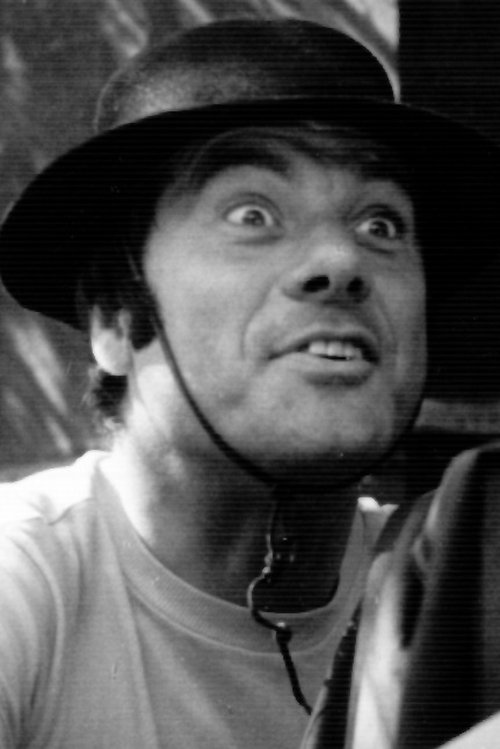
Tamás Andor
Camera
Known For
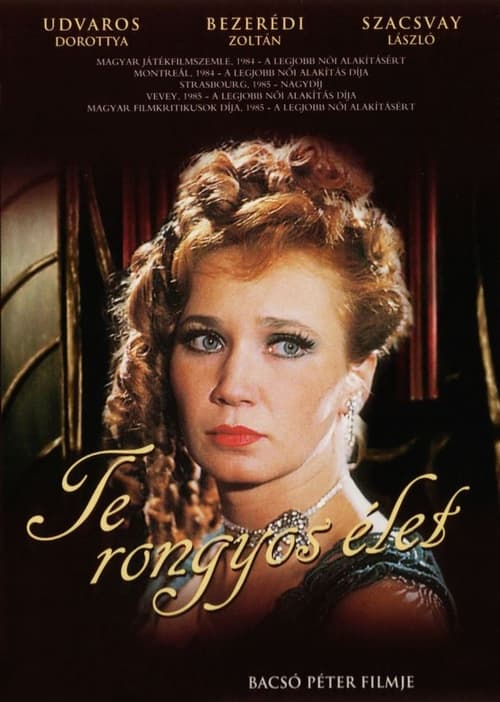
The Hungarian Oh, Bloody Life reflects on the heavy emotional toll taken by the repressive Stalin regime. Dorotya Udvaros plays a young actress from a high-born family. The government bias against persons of wealth threatens to destroy her career before it begins. As a final blow, she is threatened with deportation. The exasperation inherent in the film's title is only the tip of the iceberg.
Oh, Bloody Life
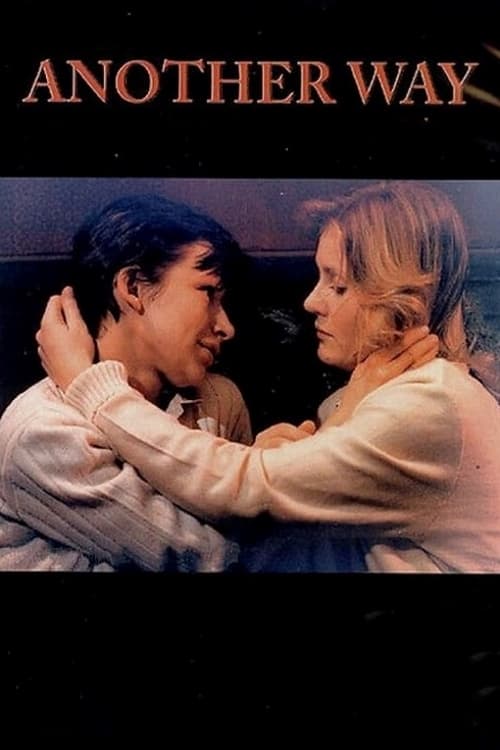
Political and sexual repression in Hungary, just after the revolution of 1956. Passionate and determined, Eva gets a job as a journalist. There, she meets Livia and is attracted to her. Livia feels much the same, but as a married woman, has doubts and hesitations. In their work, they (and Eva in particular) bang up against the limits of telling political truths; in private, they confront the limits of living out sexual and emotional truth.
Another Way
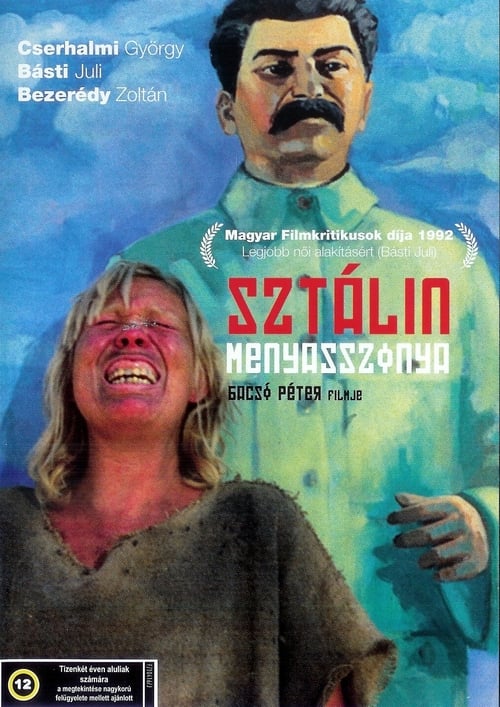
At a dusty crossroads in the Soviet Union villagers surrender their possessions - a horse, a samovar, a goat - to the state. The train which takes them away brings to the village a physically and mentally handicapped woman, barely able to speak. She makes herself bracelets of burrs and studies herself in a cracked and cloudy mirror. Befriended by very few, teased and tormented by many she seeks protection at a huge portrait of Stalin.
Stalin's Bride
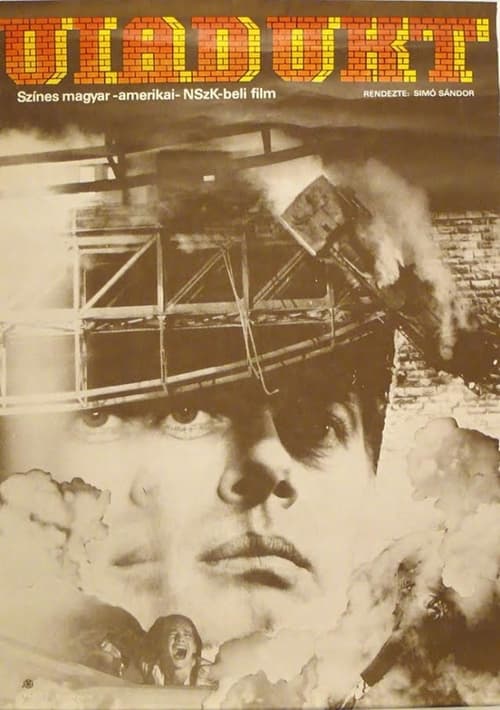
Based on a true story, this film is a dramatization of the events that led to the destruction of one of the most famous trains in history, the Orient Express.
The Train Killer
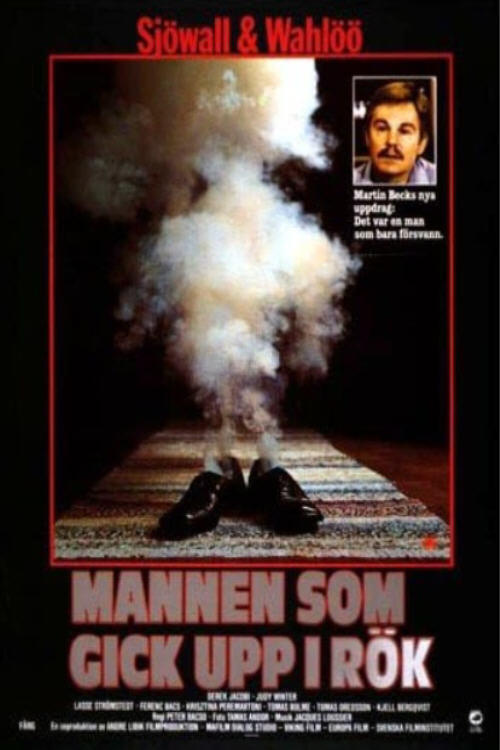
The journalist Alf Mattson gets thoroughly drunk at his birthday party, where his wife announces that she intends to divorce him. He is knocked down on the street and is later carried home by a friend. The next day he is to fly to Budapest in order to make a report for the Stockholm television. Mattson disappears in Budapest.
The Man Who Went Up in Smoke

On 27th July 1986, British stadium rock band Queen broke new ground by playing for the first time in Hungary, a country which was still under a communist dictatorship behind the Iron Curtain.
Queen: Hungarian Rhapsody - Live in Budapest '86
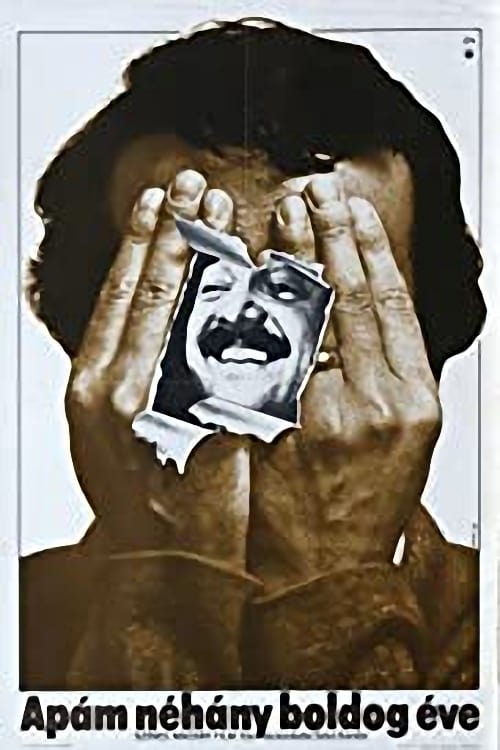
Director Sandor Simo based this film on his recollections of a period in his father's life just after World War II. In the film, Janos Torok is a chemist and an entrepreneur With enormous enthusiasm, he gets loans to purchase a small chemical plant and begins experiments to create innovative products, such as hormones. Meanwhile, the communist party has come to dominate Hungarian life in such a way that his activities are viewed as little more than criminal. He is hauled away to a prison camp, but even then his letters home are full of boundless optimism and his ideas for further experiments.
My Father's Happy Years

Iván is living in exile from Hungary when he receives word that an old flame is ill. His return to Budapest rekindles old memories and reopens old wounds.
A Long Weekend in Pest and Buda
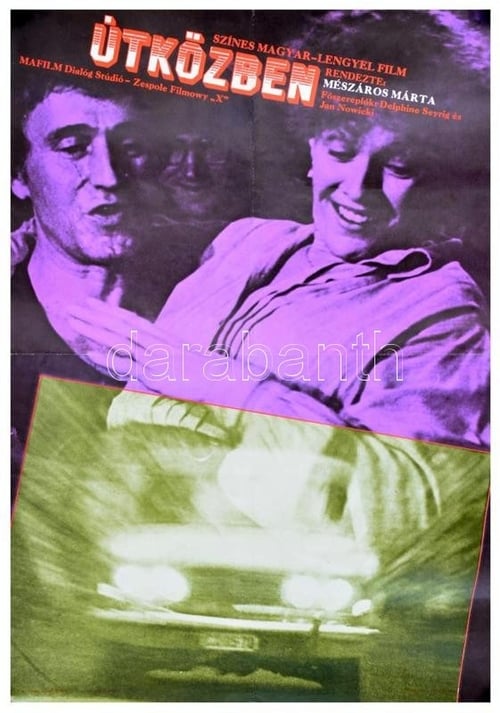
Barbara is a forty-year-old woman of Polish origin living in Budapest. She is a biologist, a wife and a mother. The death of her woman friend opens her eyes to the fact that she is lonely, unable to find her place.
On the Move
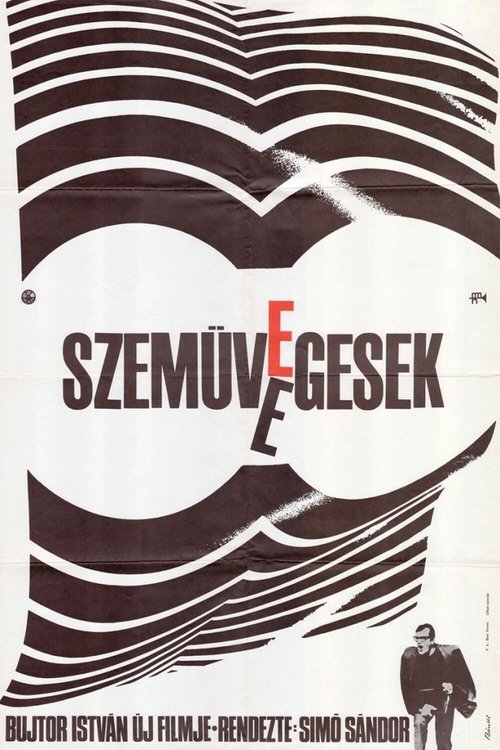
The young Valkó wants to plan a block of apartments that will still be modern fifty years from now. His ambitious plans are continuously rejected by his manipulative and careless superiors. So instead of the modern block of flats he only plans a bachelor apartment.
Those Who Wear Glasses
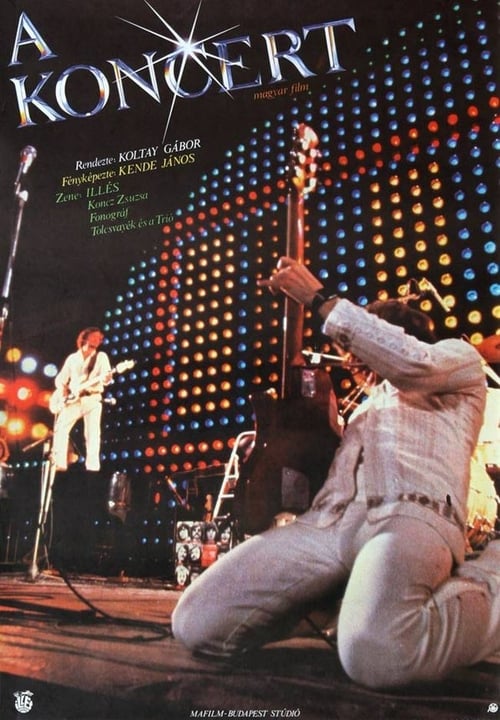
No description available.
A koncert
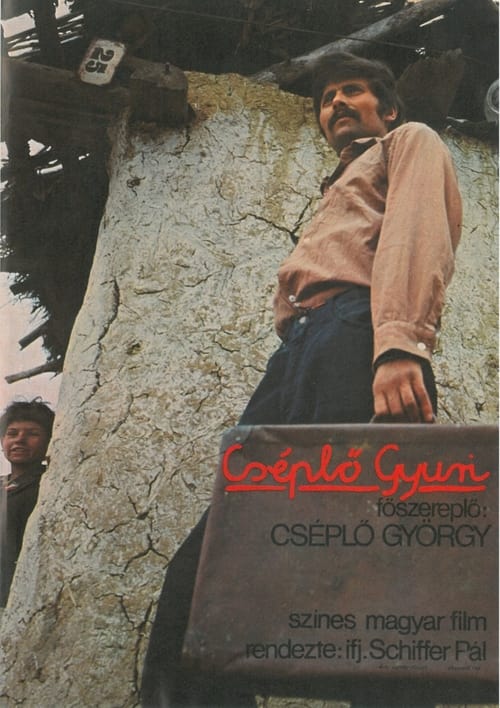
The documentary-feature film taking place in the seventies is the "development novel" of Cséplő György, the intelligent and ambitious Gypsy boy. Having finished only two terms at school, the eighteen-year-old boy leaves Németfalu with two of his companions to find employment in Budapest and to break out of his miserable existence in the village cottage with the help of his small savings.
Gyuri
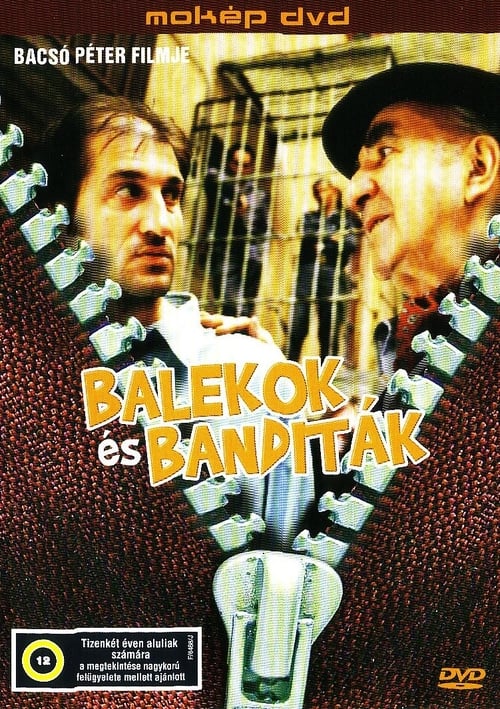
The film has a broken meaning, the last time he was a proofreader for a book publisher, he is now unemployed. Ever since he was a child, he has always been the one who pulls the short one, and he takes the wrong one. At the beginning of the film, he finds himself in such a "bunbak" situation again, and then he decides to become a professional bunbak...
Gulls and Gangsters
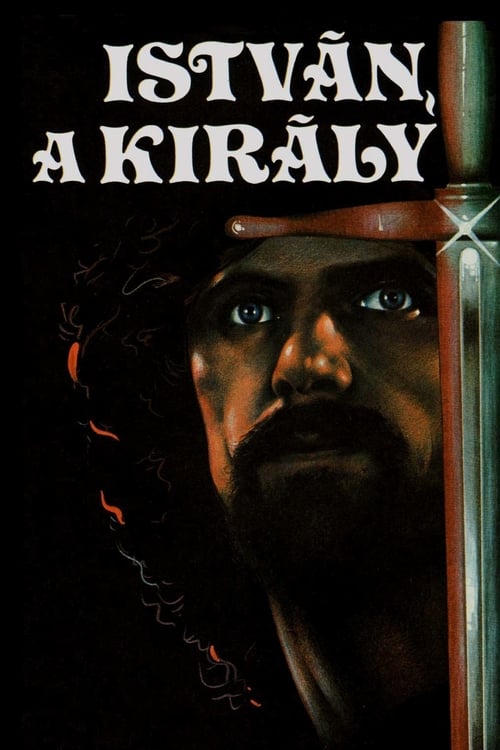
István, a király ("Stephen, the King") is a Hungarian rock opera written by Levente Szörényi (music) and János Bródy (lyrics), based on the life of Saint Stephen of Hungary. The storyline was based on the play Ezredforduló (Turn of the Millennium) by Miklós Boldizsár, who co-wrote the libretto. The opera was first staged in 1983 on an open-air stage in Budapest. This first performance was also made into a 1984 film, directed by Gábor Koltay, and its music released on an album. The musical became a smash hit and is still very popular in Hungary and among Hungarian minorities in neighboring countries.
Stephen, the King
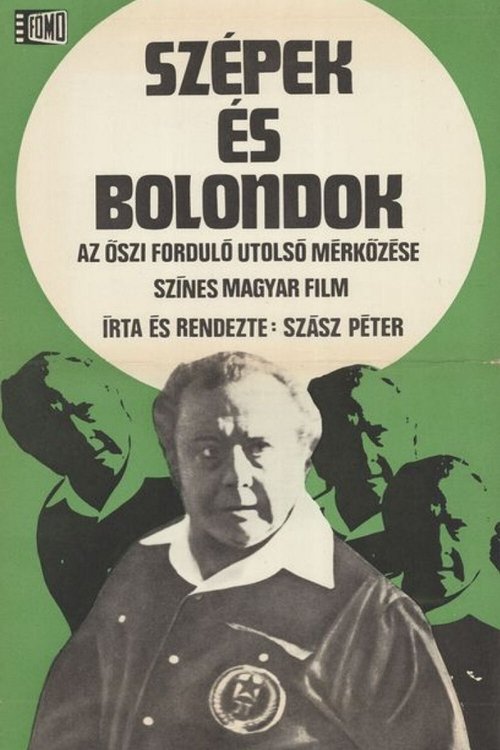
The corpulent and ageing Ivicz, once an excellent baker, works as a deliverer now. He lives alone. At the weekends following the toilsome weekdays he is the boss. He regularly travels to the country, to work as the incorruptible referee of third class national soccer games.
On the Sideline
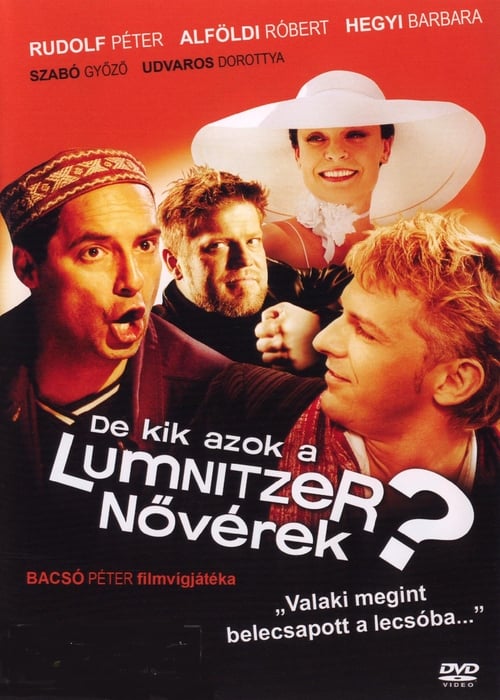
Olivér and Ficskó are fierce restaurant critics crusading for culinary excellence and mercilessly skewering inept chefs under the pseudonym “the Lumnitzer Sisters.” Offended restaurateurs hire resourceful young manager Milica to unmask, neutralize or recruit the critics - by bribery, seduction or, failing that, elimination. A battle of wits unfolds as Milica’s schemes clash with the critics’ razor-sharp reviews.
De kik azok a Lumnitzer nővérek?
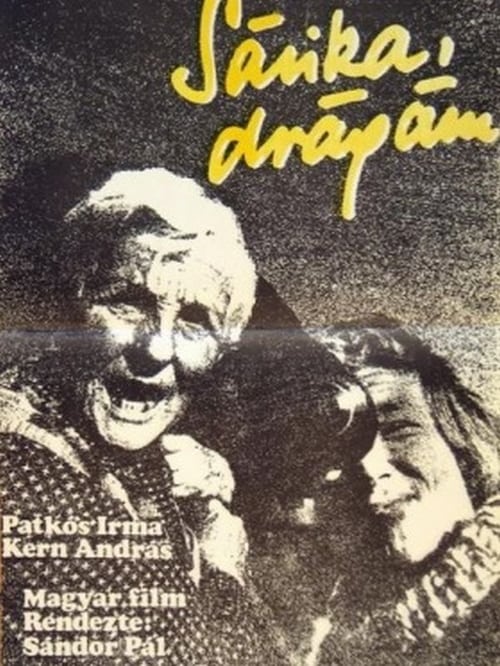
After his divorce, Bóna Péter, a beginner film director needs a bigger amount of money to settle his financial problems with his ex-wife. He travels to Pécs to see Sárika, an old veteran. He has not seen his aunt for a long time, and she receives him very friendly, but she flatly refuses to lend him any money.
Sarah, My Dear
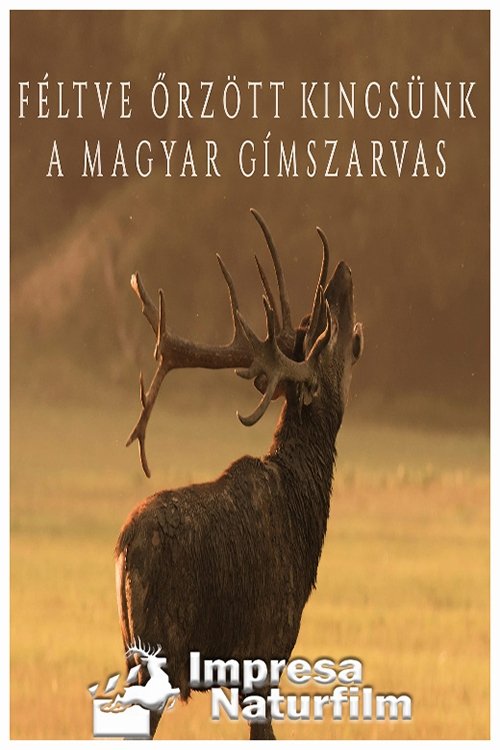
No description available.
Féltve őrzött kincsünk, a magyar gímszarvas
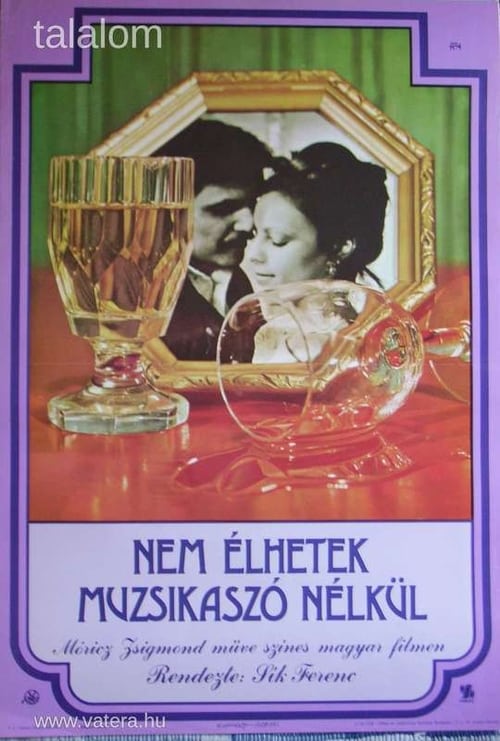
Pólika, tired of her husband Balázs Nyiri’s partying, moves in with her aunt. Nyiri, desperate to win her back, tries everything but fails. Aunt Zsani seeks help from her brother, Uncle Lajos. They sing Pólika’s songs at a pub, joined by the household. Aunt Zsani’s housekeeper, Pepi, serves them food, while servants share news of the Nyiri farm’s sale. Frustrated by the scandals, Pólika tells Nyiri to run away with her if he wants.
The Music's the Thing
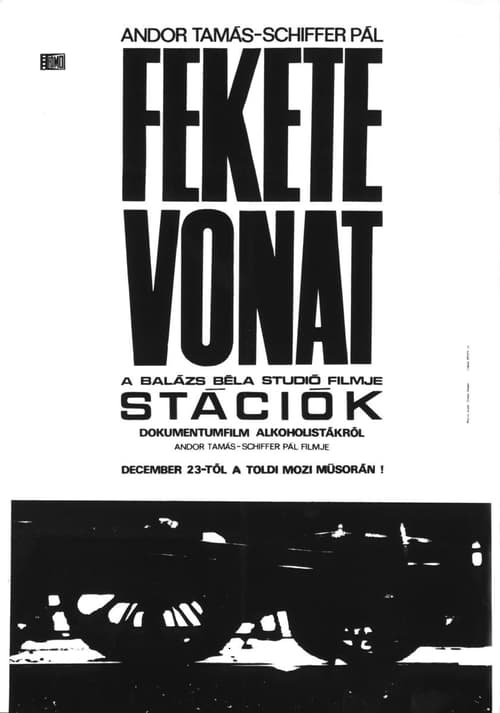
This shocking black and white documentary shows the lives of Szabolcs county (Northeast Hungary) commuters who traveled 200-300 kilometers from their villages to Budapest (the capital of Hungary) every week by train in the communist era.