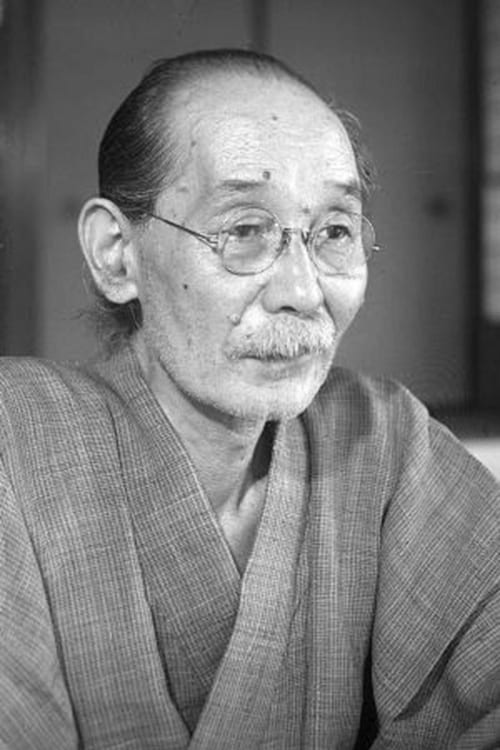
Shin Hasegawa
Writing
Biography
Shin Hasegawa was a Japanese journalist, author, novelist, and screenwriter.
Known For
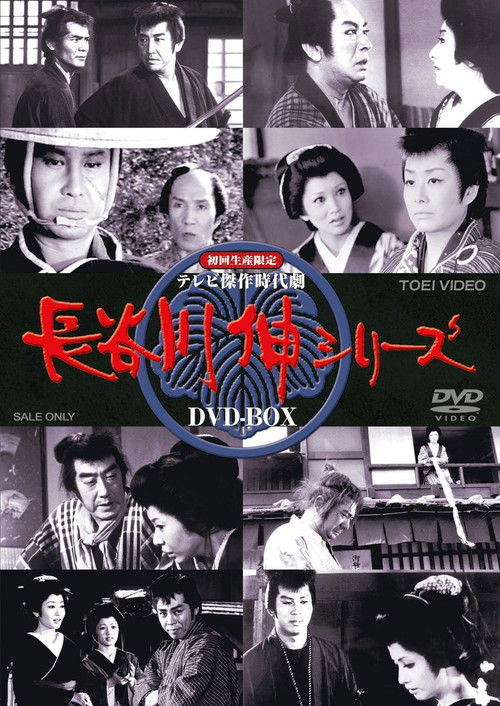
From the Taisho era to the Showa 30s, known as the father of popular literature who left many masterpieces and was also a teacher of Shotaro Ikebana and Yumie Hiraiwa, this omnibus work was produced based on the works of Shin Hasegawa and broadcasted from 1972 to 1973 with a total of 30 episodes.
The Shin Hasegawa Series
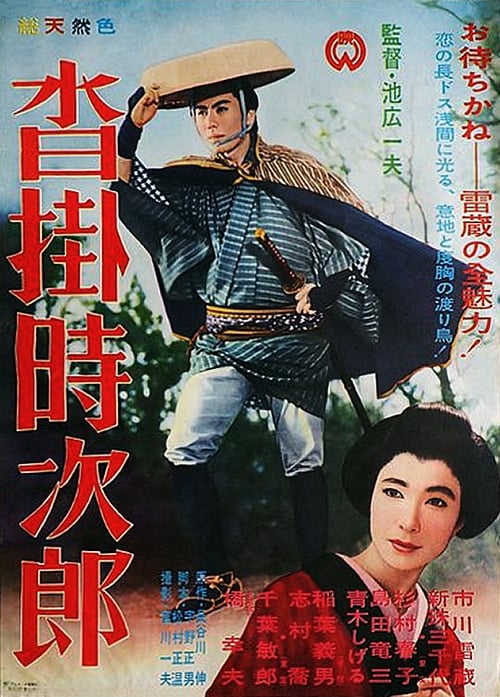
One of Japan's most popular stories is the tale of Kutsukake Tokijiro, a traveling gambler who finds that he must take care of the wife and child of a yakuza he had been forced by the code of the gamblers to fight man to man. In a brilliant performance from super-star Ichikawa Raizo, with strong support from two of the greats from Toho, Shimura Takashi (7 Samurai) and Aratama Michiyo (Sword of Doom) the heartfelt story reaches new heights. Tokijiro, having learned the true nature of the boss to whom he was obligated for having spent a night and eaten at the gang's headquarters takes up arms against them in a running battle fought across the back roads of the entire nation. Another powerful rendition of this superb story, it is not to be missed!
The Gambler's Code
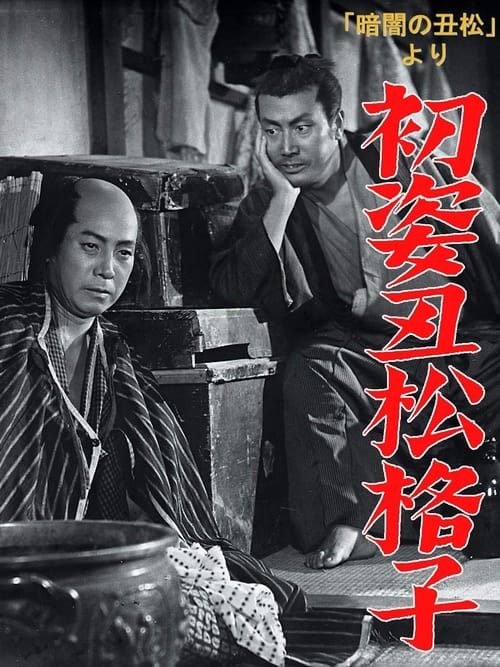
Fukagawa's chef Ushimatsu of the restaurant Kawatake fell in love with a maid named Omame and changed dramatically. He stopped gambling and womanizing much to the surprise of his friends. As their wedding day approached, Minosuke who had long been infatuated with Omame threatened her mother Okuma by using a promissory note for three ryō that he lent to her.
Hatsu sugata ushimatsu gōshi
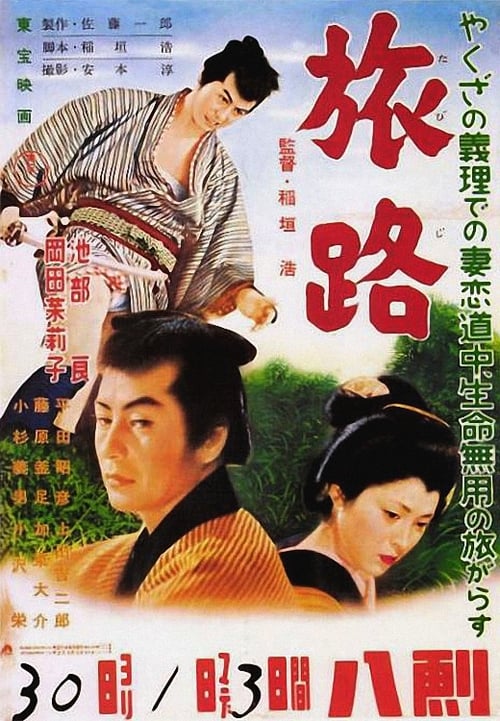
Forced on the road by yakuza obligations, a man sets out on a reckless journey to Tsumagoi. Movie posters for local cinemas were often displayed at sento (public baths) too. The handwritten text on the bottom here announces the film will play at Hassen for 3 days.
The Lone Journey
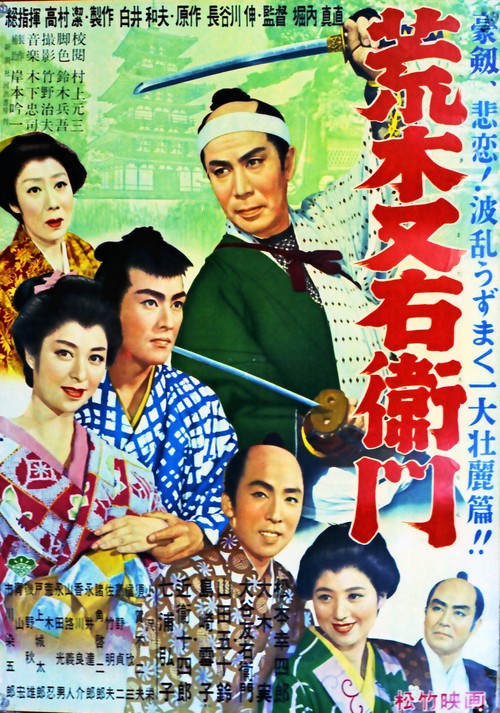
Watanabe Kazuma and Kawai Matagorō from the Bizen Okayama Ikeda clan were close friends, but they inevitably became enemies after Matagorō killed Kazuma's younger brother, Gentayū, and fled. Seeking assistance, Kazuma asked his brother-in-law, Araki Mataemon, for help, but Mataemon refused, saying that it was against the code for a brother to avenge another brother's death. On the other hand, the lord of the clan, Ikeda Tadao, ordered a search for Matagorō, who was found to be sheltered by the Hatamoto, including Andō Jiemon, in Edo. Tadao was furious but unable to act. Matagorō, in Edo, came to regret his birth as a samurai. He met and fell in love with Okō, a bathhouse maid. As the discord between the Hatamoto and the Ikeda clan deepened, Tadao died of illness. Seizing the opportunity to ease the conflict, the shogunate ordered the Ikeda clan to be succeeded by the young lord Katsugorō and to relocate to the Ikeda clan of Inshū Tottori. Meanwhile, Matagorō was exiled from Edo.
荒木又右衛門
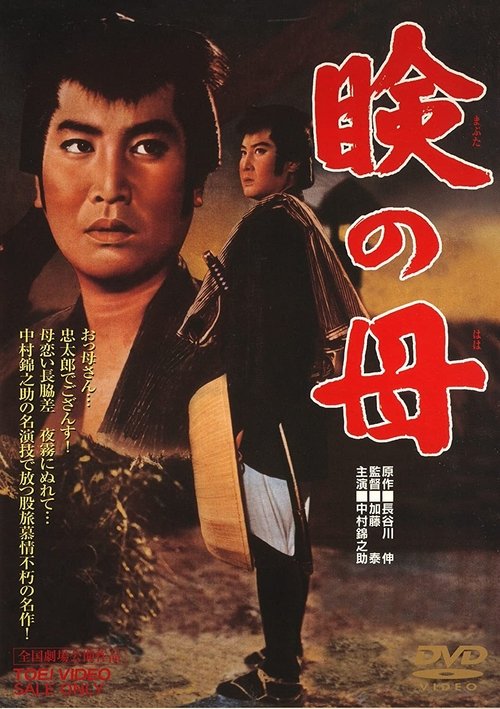
Period piece about a young man who, because of his hard life alone in the world, has become a yakuza. When he hears that his mother may be living in Edo (Tokyo), he travels there, intent on finding her and leaving the swordsman's life behind. But a team of rival gangsters is hot on his heels.
In Search of Mother
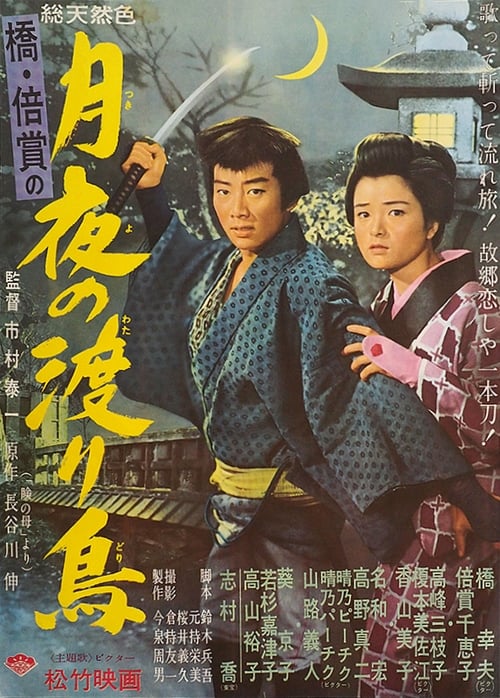
A resolute young man searching for his mother, whom he was separated from as a child, defies a family who mistreat the poor and homeless.
The Image of Mother
No description available.
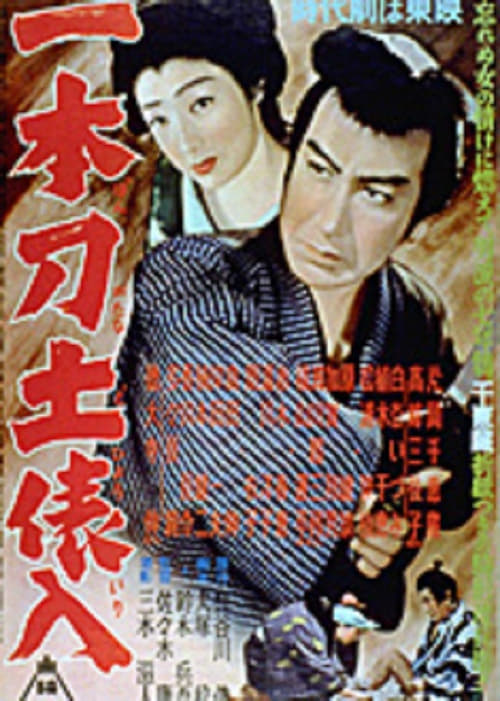
一本刀土俵入
No description available.
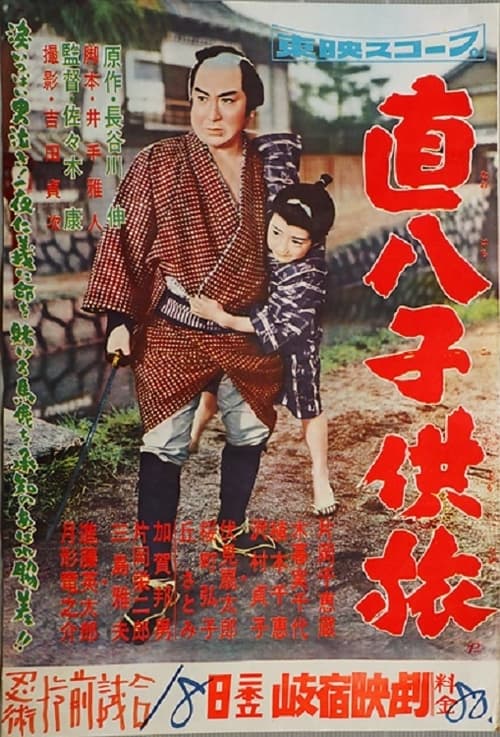
直八子供旅
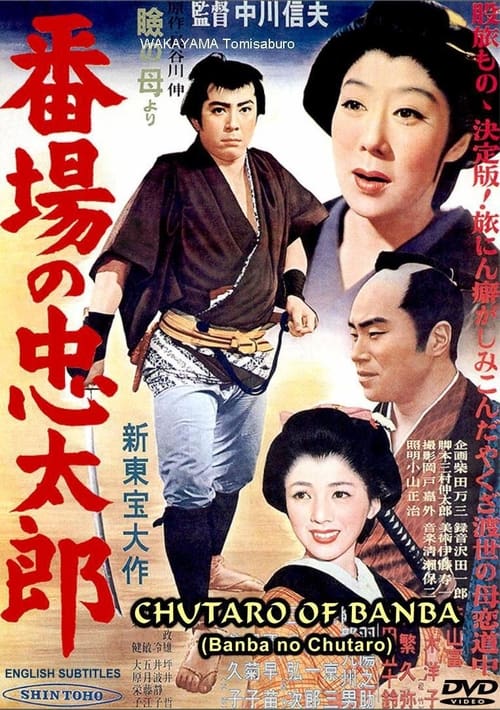
Based on the play ”Mabuta no haha” by famed author Shin Hasegawa, this is the first major starring role for Tomisaburo Wakayama. This heartfelt story concerns a wandering gambler from Banba by the name of Chutaro. Set during the Tenpo Period, Chutaro runs afoul of Boss Sukegoro of Iioka. Pursued by vengeance seeking swordsmen, Chutaro displays his phenomenal martial art skills. Abandoned as a child, he seeks to find his long lost mother, while at the same time fighting off numerous attacks by Iioka’s men.
Chutaro of Banba

Tokijiro has the unfortunate duty according to the code of the gamblers to join in the fighting when afforded a night’s stay and meals at the home of a town boss. Though he dislikes killing, the strength of his swordsmanship will be tested time and time again in the bloody tale.
Tokijiro: Lone Yakuza
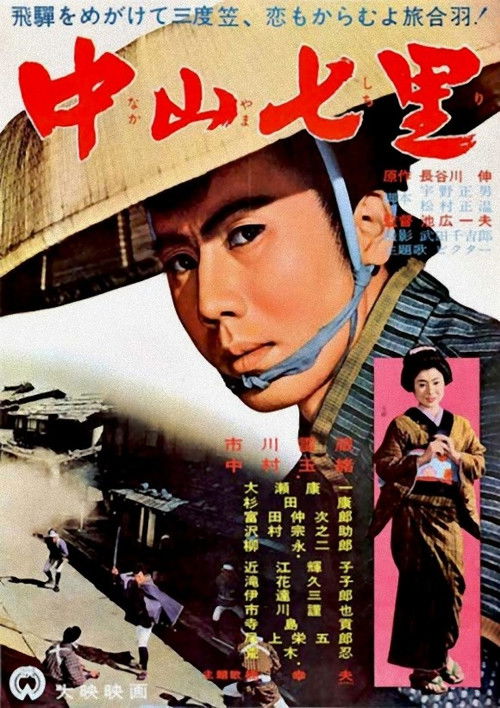
When a corrupt magistrate rapes Oshima, Masa (Raizō Ichikawa) avenges her by killing the officer, becoming thereby a fugitive, haunted and grief-stricken by the fact that Oshima committed suicide. Going underground in the gambling world, perpetually hiding from the law, Masa eventually meets a young woman named Onaka, who looks exactly like Oshima. Tales having two look-alike heroines are a commonplace in Japanese period films, a plot affectation inherited from the kabuki theater. Based on a novel by Shin Hasegawa, Nakayama shichiri was already twice filmed in 1930, one version directed by Namio Ochiai, and from which less than 40 minutes survive, the other directed by Kyotaro Namiki. Both are silent films, preserved by the Makino film institute.
Seven Miles to Nakayama
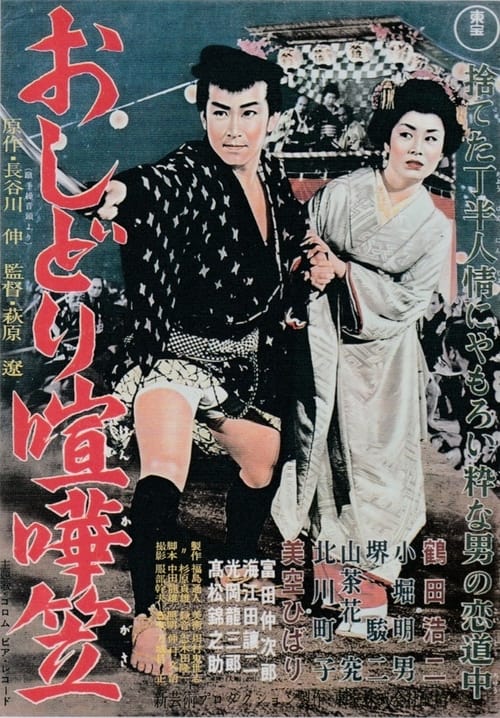
No description available.
Oshidori kenkagasa
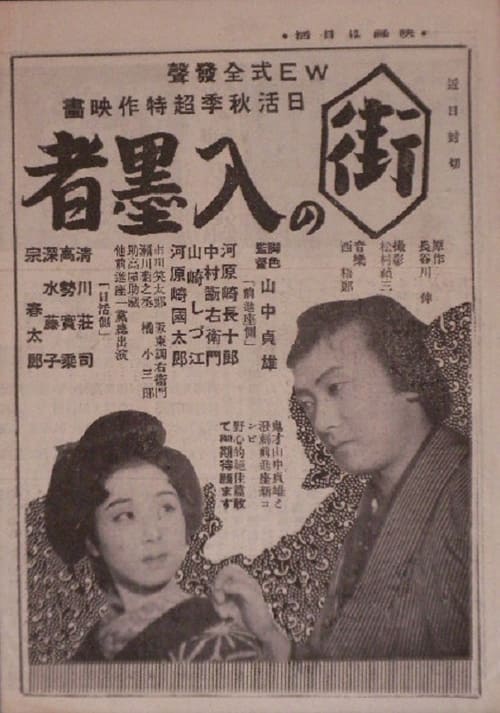
A tragic period film about a gangster who comes out of prison and finds it hard to find a place again in society. Considered a lost film.
The Village Tattooed Man
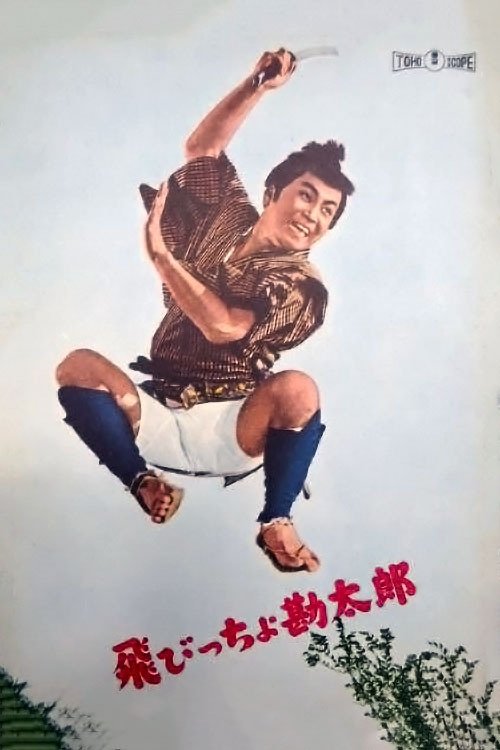
Comedy historical film about a wandering warrior, based on the novel by Shin Hasegawa.
The Adventures of Kantaro
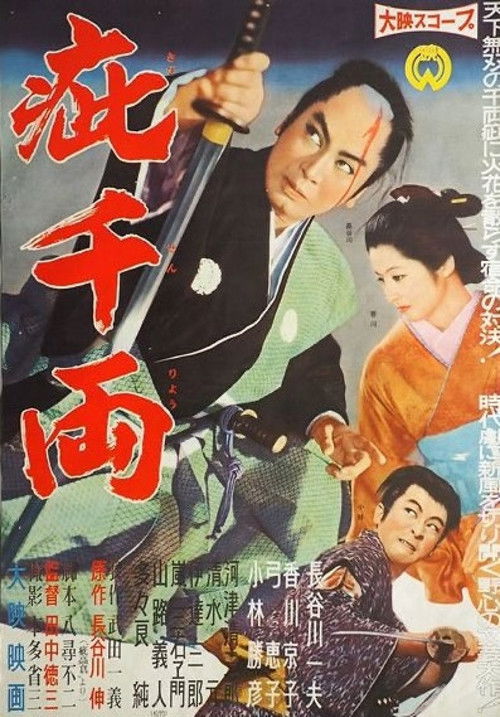
Japan, 1643, as the Kato clan of Aizu falls from power two brave samurai will settle a dispute in the time-honored tradition of their clan, by drawing their blades in a duel to the death.
Scars of Honor
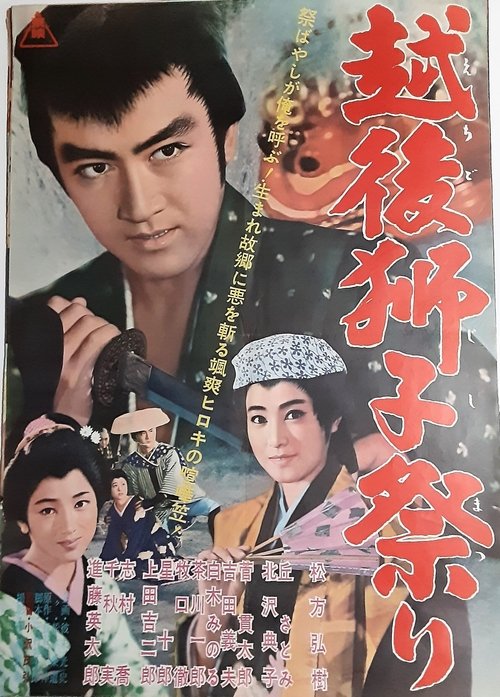
No description available.
Lion Festival of Echigo
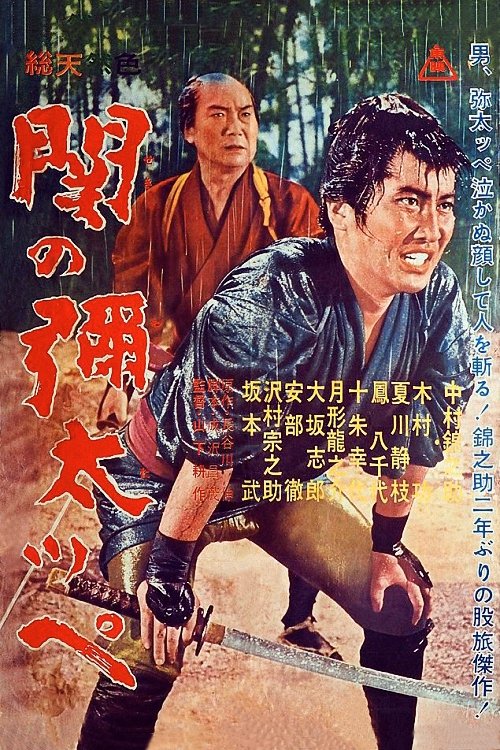
A young yakuza, Yatappe, wanders around the country in search of his long-lost little sister, Oito. While traveling, he rescues a young girl, Osayo, whose father entrusts her to him with his dying wish. To honor his promise to Osayo's deceased father, Yatappe brings her to safety, and from a distance keeps a watchful eye on her well being.
Yakuza of Seki
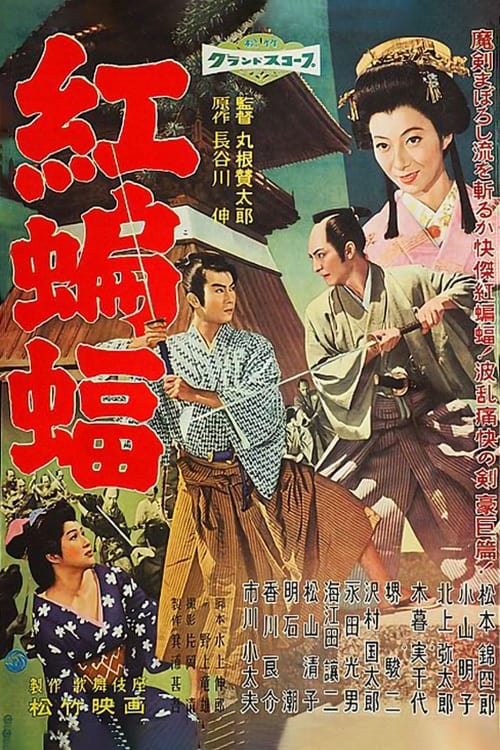
No description available.
The Red Bat
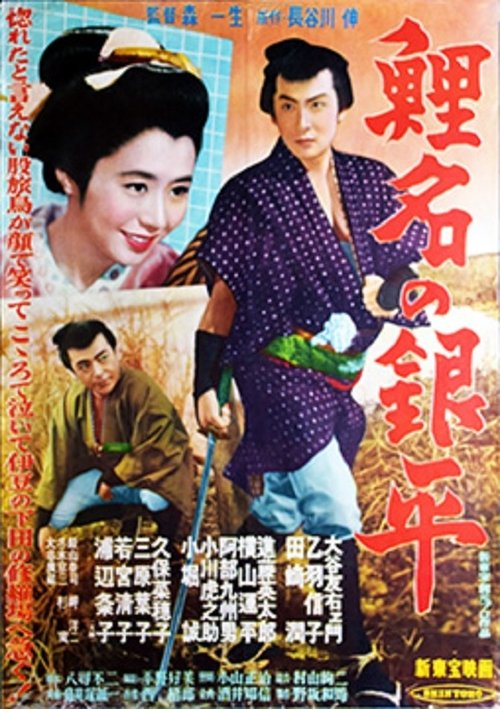
1954 Japanese movie