FEEL IT.STREAM
?

Hal Mohr

Camera

Biography

Hal Mohr, A.S.C. (August 2, 1894 in San Francisco – May 10, 1974 in Santa Monica, California) was a famed movie cinematographer. He is known for his Oscar-winning work on the 1935 film, A Midsummer Night's Dream. He was awarded another Oscar for his work on The Phantom of the Opera in 1943, and received a nomination for The Four Poster in 1952. From a young age, Hal Mohr wanted to pursue a career in cinematography because he was curious to learn about how to make pictures move onscreen. He worked as a photo finisher in a photo lab to gain experience with the camera. When he was 19 years old, he filmed his first movie, Pam's Daughter, which, unfortunately, was never seen by the public because of problems with the motion picture distribution company. Although Mohr mainly worked as a cinema portraitist on movies such as The Wedding March, A Midsummer Night's Dream, and the Technicolor The Phantom of the Opera, he was passionate about exploring the limits of the camera. Mohr shot in deep focus years before Gregg Toland -- Bullets or Ballots and The Green Pastures were both shot in deep focus. He was inspired by the moving shots in the Italian movie, Cabiria, and developed a camera with special tracking abilities for his 1914 film, Pan's Mountain. Notably, Mohr is the only person to have won a competitive Academy Award without being nominated for it. In 1936, a write-in campaign won him the Best Cinematography Oscar for his work on A Midsummer Night's Dream (1935). The Academy later changed the Oscar rules, making write-in voting impossible. In 1944, Mohr became the first person to win an Oscar for both Black-and-White and Color cinematography when he won his second Academy Award, this time with W. Howard Greene for Best Cinematography in a Color Film, for their work on The Phantom of the Opera (1943). Mohr was nominated for an Academy Award for Best Cinematographer for his work on The Four Poster (1952), a film based on a play of the same name, written by Jan de Hartog. He was also nominated for a Golden Globe for Best Cinematography in a Black and White Film, for his work on the same movie. Other film cinematographer credits include Little Annie Rooney (1925), The Big Gamble (1931), Cheers for Miss Bishop (1941), Another Part of the Forest (1948) and The Wild One (1953). Mohr served as president of the American Society of Cinematographers from 1930 to 1931. Then, for two terms from 1963 to 1965 and finally from 1969 to 1970. He was one of the first members of the Academy of Motion Picture Arts and Sciences, and a senior member of the Academy's Board of Directors. He headed the Academy's Cinematography Branch for over 20 years, and was also a part of the Academy of Television Arts and Sciences. Before his death, he would travel the country promoting cameramen and the industry of cinematography. For his many contributions to motion pictures and the film industry, Hal Mohr received a star on the Hollywood Walk of Fame located at 6433 Hollywood Blvd.
Known For

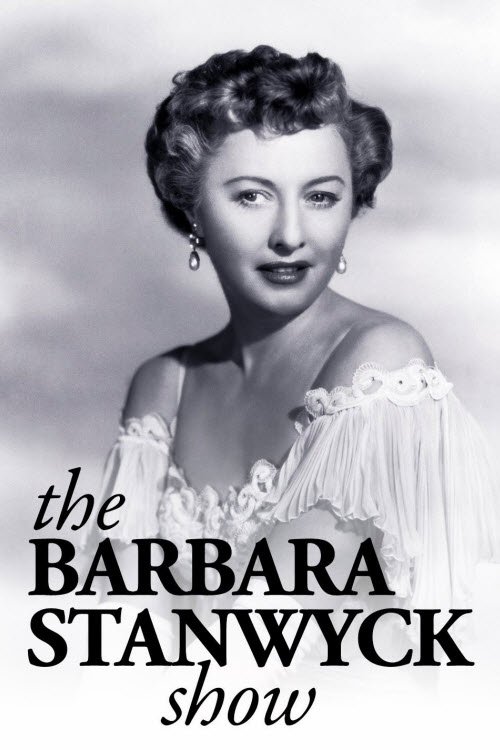
The Barbara Stanwyck Show
6.4

An American anthology drama television series hosted by Barbara Stanwyck served.

The Barbara Stanwyck Show

1960
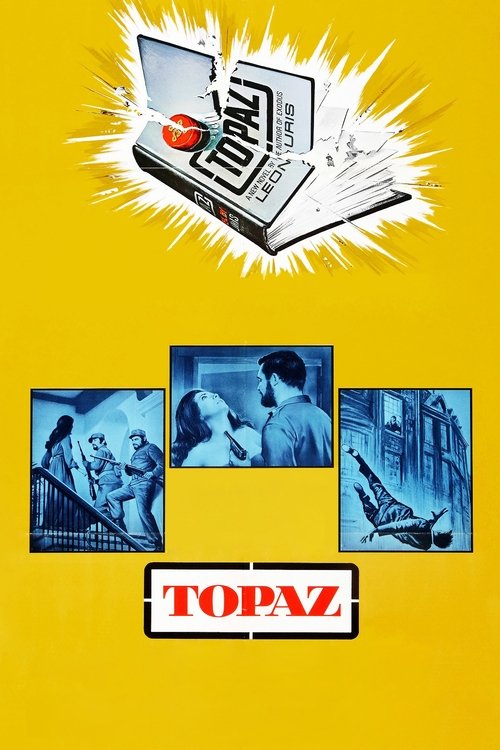
Topaz
6.0

Copenhagen, Denmark, 1962. When a high-ranking Soviet official decides to change sides, a French intelligence agent is caught up in a cold, silent and bloody spy war in which his own family will play a decisive role.

Topaz

1969
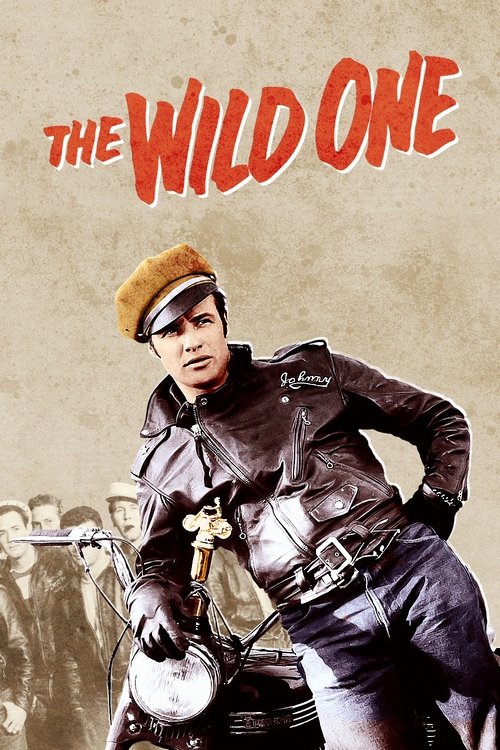
The Wild One
6.6

The Black Rebels Motorcycle Club ride into the small California town of Wrightsville, eager to raise hell. Brooding gang leader Johnny Strabler takes a liking to Kathie, the daughter of the local lawman, as another club rolls into town.

The Wild One

1953
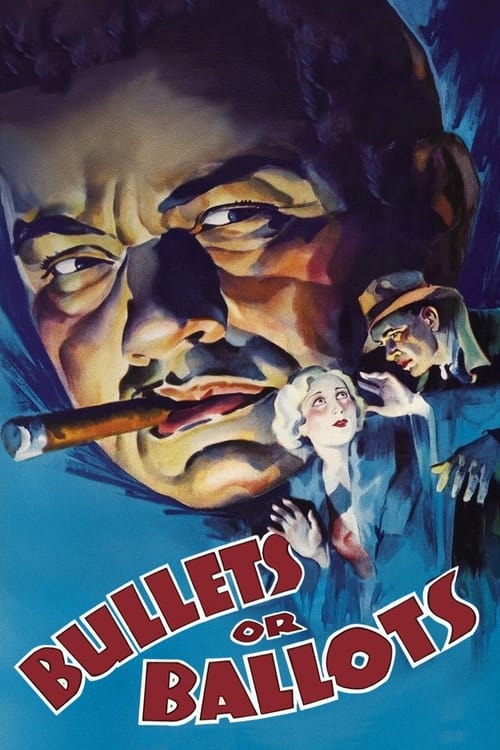
Bullets or Ballots
6.6

After Police Captain Dan McLaren becomes police commissioner, former detective Johnny Blake publicly punches him, convincing rackets boss Al Kruger that Blake is sincere in his effort to join the mob. "Bugs" Fenner, meanwhile, is certain that Blake is a police agent.

Bullets or Ballots

1936
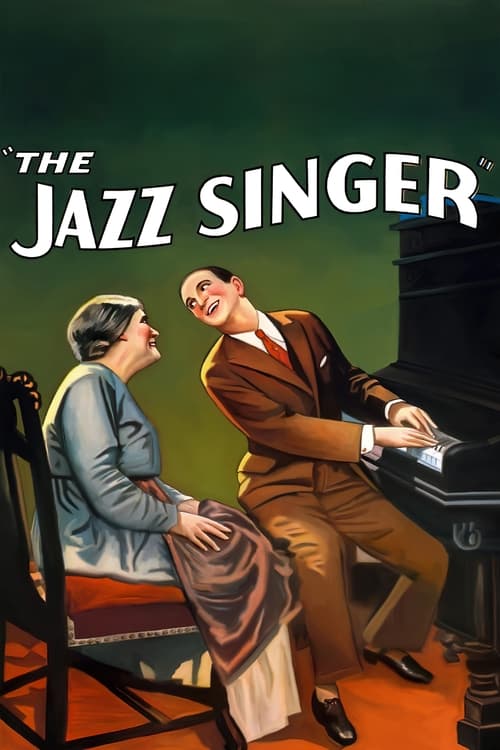
The Jazz Singer
6.1

A young Jewish man is torn between tradition and individuality when his old-fashioned family objects to his career as a jazz singer. This is the first full length feature film to use synchronized sound, and is the original film musical.

The Jazz Singer

1927
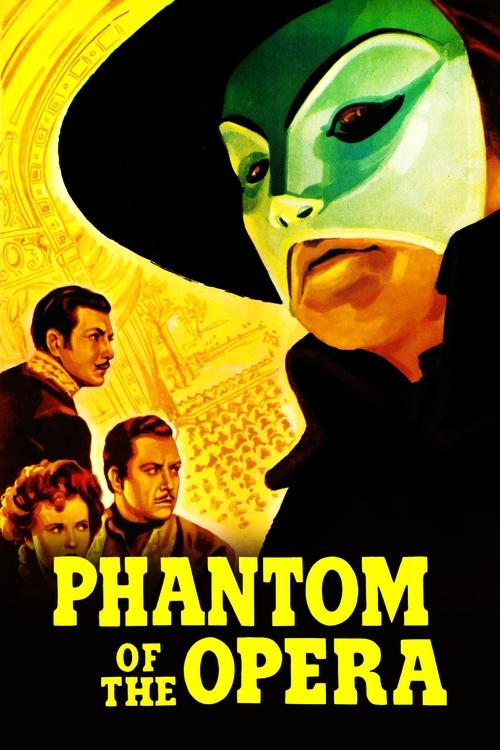
Phantom of the Opera
6.2

Following a tragic accident that leaves him disfigured, crazed composer Erique Claudin transformed into a masked phantom who schemes to make beautiful young soprano Christine Dubois the star of the opera and wreak revenge on those who stole his music.

Phantom of the Opera

1943
The Climax
5.5

Dr. Hohner, theatre physician at the Vienna Royal Theatre, murders his mistress, the star soprano when his jealousy drives him to the point of mad obsession. Ten years later, another young singer reminds Hohner of the late diva and his old mania kicks in. Hohner wants to prevent her from singing for anyone but him, even if it means silencing her forever.

The Climax

1944
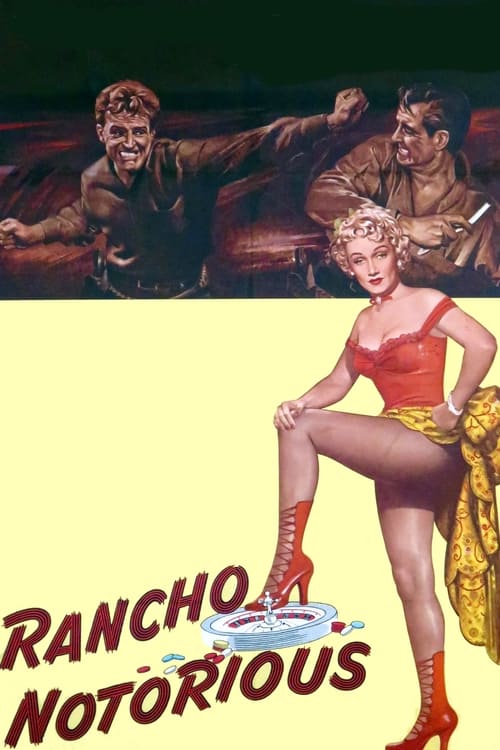
Rancho Notorious
6.5

A man in search of revenge infiltrates a ranch, hidden in an inhospitable region, where its owner, Altar Keane, gives shelter to outlaws fleeing from the law in exchange for a price.

Rancho Notorious

1952
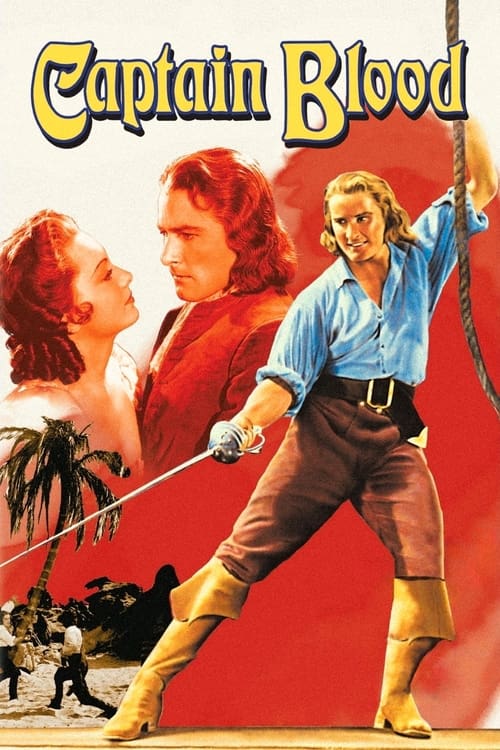
Captain Blood
7.2

Dr. Peter Blood, unjustly convicted of treason and exiled from England, becomes a notorious pirate.

Captain Blood

1935
Sparrows
6.9

Molly, the eldest child of a group of orphans being used as slaves on a farm hidden deep in a swamp, must rescue the others when their cruel master decides that one of them will be disposed of.

Sparrows

1926
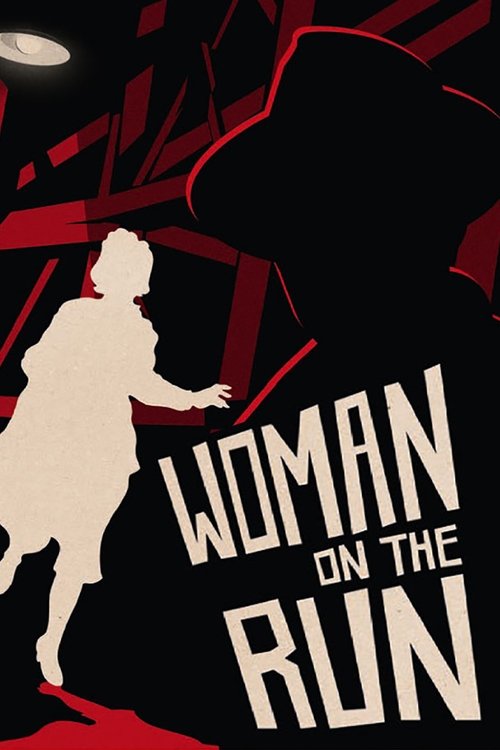
Woman on the Run
6.8

Frank Johnson, a sole witness to a gangland murder, goes into hiding and is trailed by Police Inspector Ferris, on the theory that Frank is trying to escape from possible retaliation. Frank's wife, Eleanor, suspects he is actually running away from their unsuccessful marriage. Aided by a newspaperman, Danny Leggett, Eleanor sets out to locate her husband. The killer is also looking for him, and keeps close tabs on Eleanor.

Woman on the Run

1950
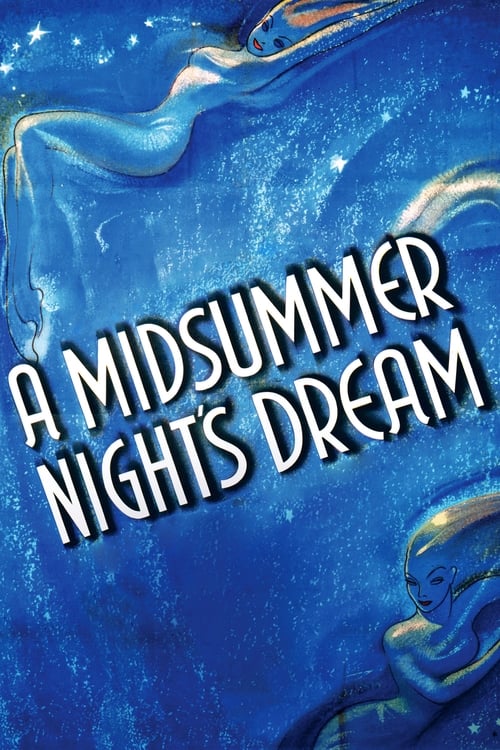
A Midsummer Night's Dream
6.4

Four young people escape Athens to a forest where the king and queen of the fairies are quarreling, while meanwhile, a troupe of amateur actors rehearses a play. When the fairy Puck uses a magic flower to make people fall in love, the whole thing becomes a little bit confused...

A Midsummer Night's Dream

1935
Pot o' Gold
5.6

Jimmy, the owner of a failed music shop, goes to work with his uncle, the owner of a food factory. Before he gets there, he befriends an Irish family who happens to be his uncle's worst enemy because of their love for music and in-house band who constantly practices. Soon, Jimmy finds himself trying to help the band by getting them gigs and trying to reconcile the family with his uncle.

Pot o' Gold

1941
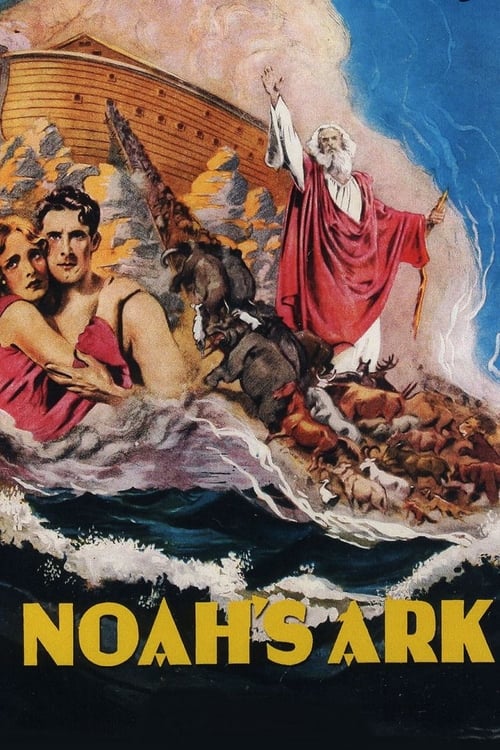
Noah's Ark
6.5

The Biblical story of Noah and the Great Flood, with a parallel story of soldiers in the First World War.

Noah's Ark

1928
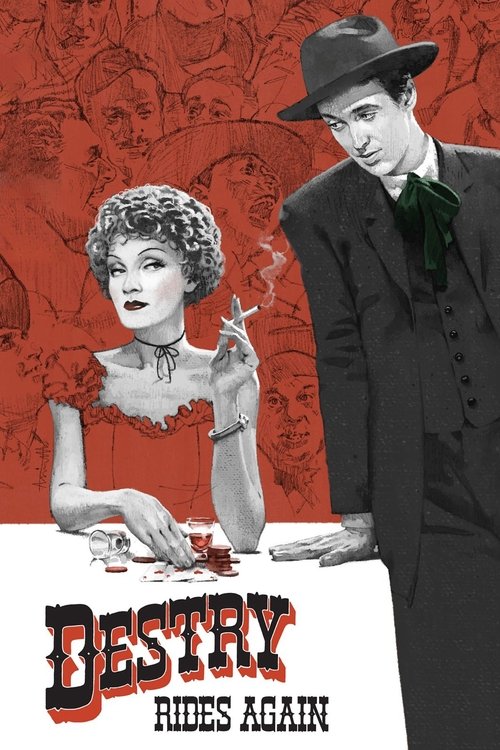
Destry Rides Again
7.2

Tom Destry, son of a legendary frontier peacekeeper, doesn’t believe in gunplay. Thus he becomes the object of widespread ridicule when he rides into the wide-open town of Bottleneck, the personal fiefdom of the crooked Kent.

Destry Rides Again

1939
Watch on the Rhine
6.9

On the eve of World War II, the German Kurt Müller, his American-born wife Sara, and their three children, having lived in Europe for years, visit Sara's wealthy mother near Washington, DC. Kurt secretly works for the anti-Nazi resistance. A visiting Romanian count, becoming aware of this, seeks to blackmail him.

Watch on the Rhine

1943
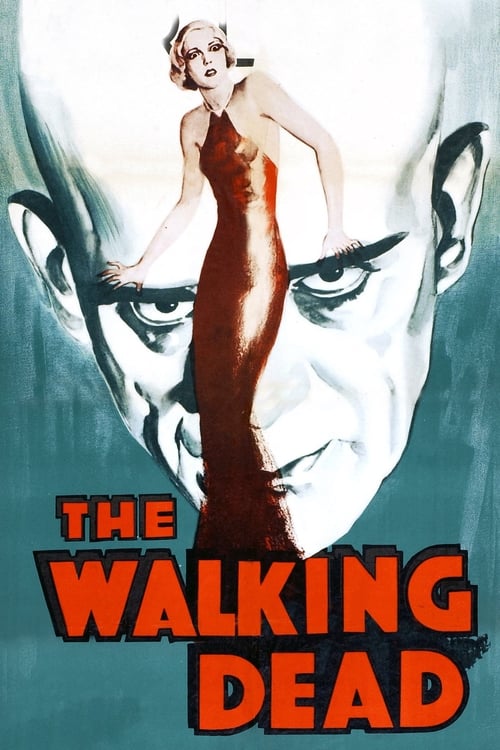
The Walking Dead
6.3

Down-on-his-luck John Ellman is framed for a judge's murder. After he's convicted and sentenced to death, witnesses come forth and prove his innocence. But it was too late for a stay to be granted and Ellman is executed. A doctor uses an experimental procedure to restore him to life, though the full outcome is other than expected.

The Walking Dead

1936
The Gun Runners
6.1

Remake of "To Have and Have Not" based on Hemingway short story. Plot reset to early days of Cuban revolution. A charter boat skipper gets entangled in gunrunning scheme to get money to pay off debts. Sort of a sea-going film noir with bad girl, smarmy villain, and the "innocent" drawn into wrong side of law by circumstances.

The Gun Runners

1958
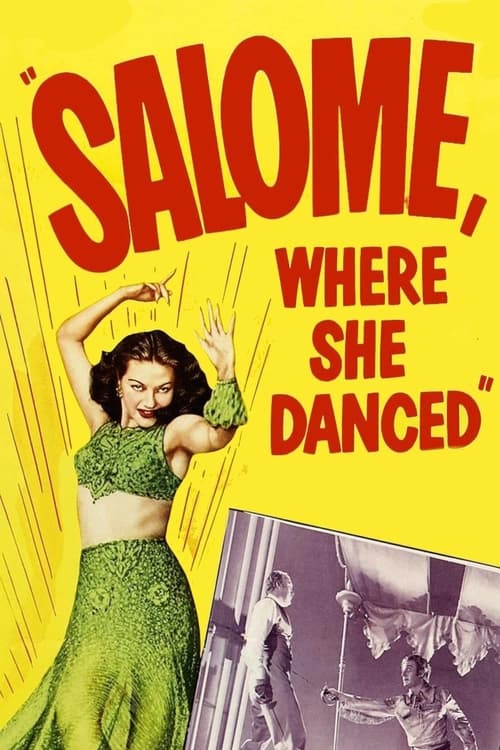
Salome, Where She Danced
4.1

During the Austrian-Prussian war, Anna Marie is a dancer who is forced to flee her country after she is accused of being a spy. She ends up in a lawless western town in Arizona, where she uses her charms and dancing skills to transform herself into "Salome" during her dance routines.

Salome, Where She Danced

1945
The Last Voyage
6.2

The S. S. Claridon is scheduled for her five last voyages after thirty-eight years of service. After an explosion in the boiler room, Captain Robert Adams is reluctant to evacuate the steamship. While the crew fights to hold a bulkhead between the flooded boiler room and the engine room and avoid the sinking of the vessel, the passenger Cliff Henderson struggles against time trying to save his beloved wife Laurie Henderson, who is trapped under a steel beam in her cabin, with the support of the crew member Hank Lawson.

The Last Voyage

1960