Editing
PBS' premier science series helps viewers of all ages explore the science behind the headlines. Along the way, NOVA demystifies science and technology, and highlights the people involved in scientific pursuits.
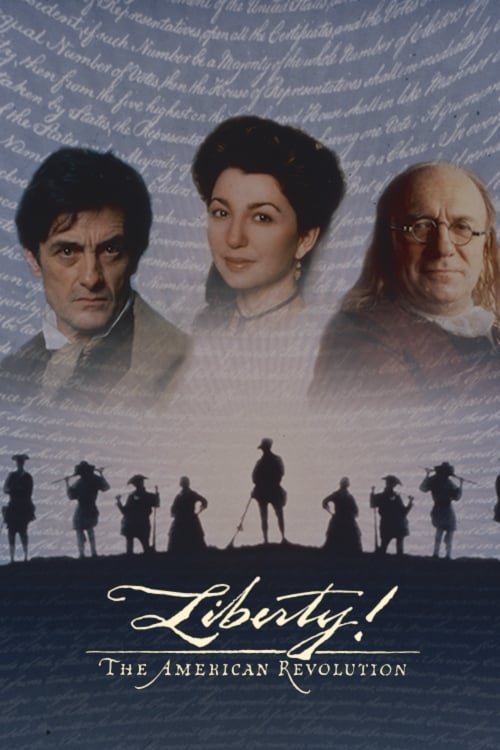
Dramatic documentary about the birth of the American Republic and the struggle of a loosely connected group of states to become a nation.
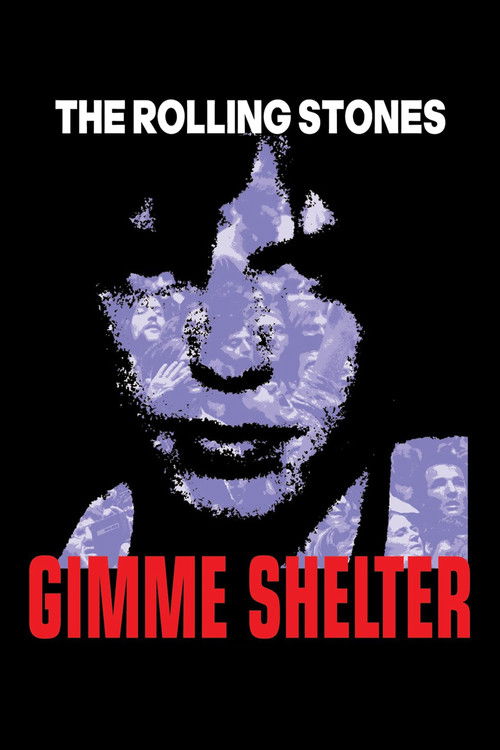
A detailed chronicle of the famous 1969 tour of the United States by the British rock band The Rolling Stones, which culminated with the disastrous and tragic concert held on December 6 at the Altamont Speedway Free Festival, an event of historical significance, as it marked the end of an era: the generation of peace and love suddenly became the generation of disillusionment.
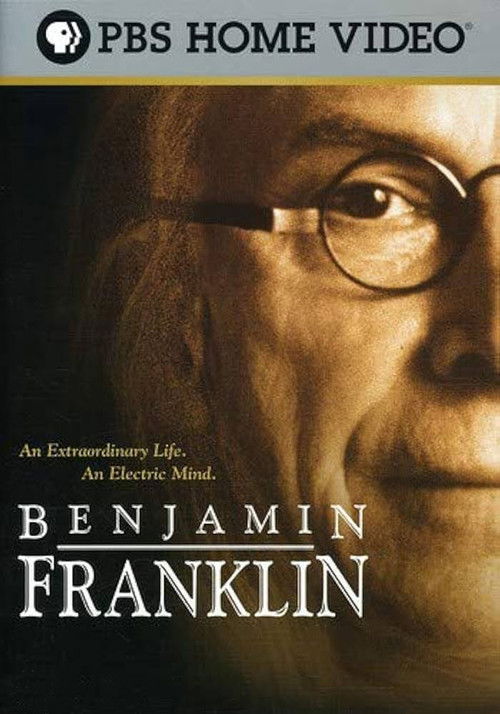
An epic yarn spanning most of the 18th century, the series follows Franklin's career from humble beginnings in Boston to international superstardom: first as a scientist and revolutionary, and then as a founding father and America's first diplomat to France.
To commemorate the first century of American filmmaking, the American Film Institute embarked on a celebration of America's greatest movies from the first 100 years of American cinema — 1896-1996.
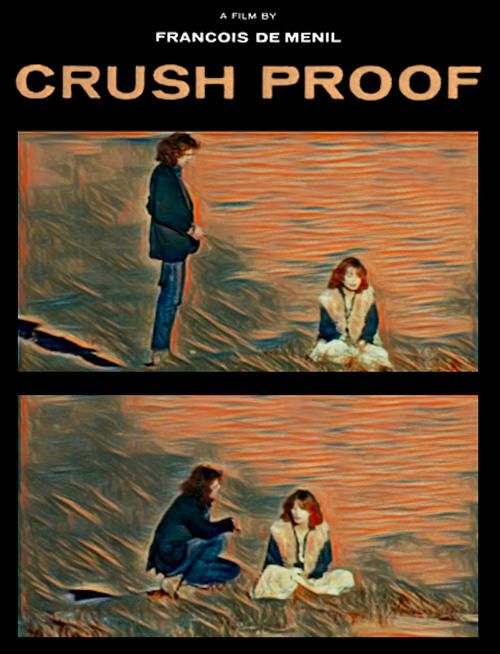
A young man recalls his affair with a young French woman who traveled with him across the United States. They began to drift apart during the trip, and eventually each had affairs with other people before realizing that their relationship had run its course.
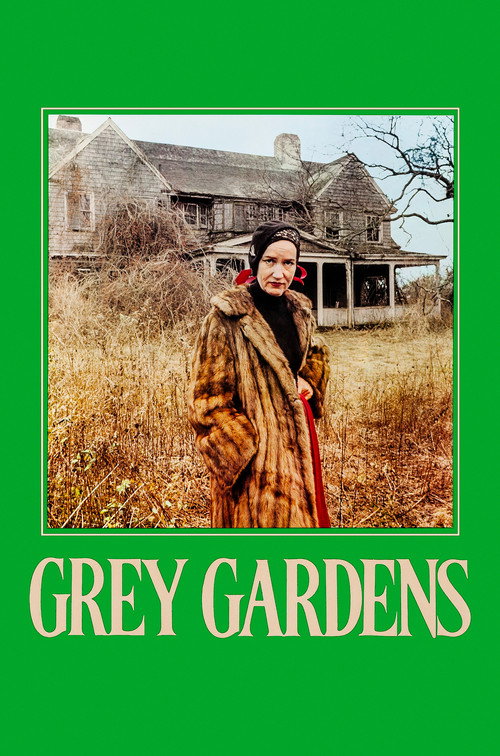
Edie Bouvier Beale and her mother, Edith, two aging, eccentric relatives of Jackie Kennedy Onassis, are the sole inhabitants of a Long Island estate. The women reveal themselves to be misfits with outsized, engaging personalities. Much of the conversation is centered on their pasts, as mother and daughter now rarely leave home.
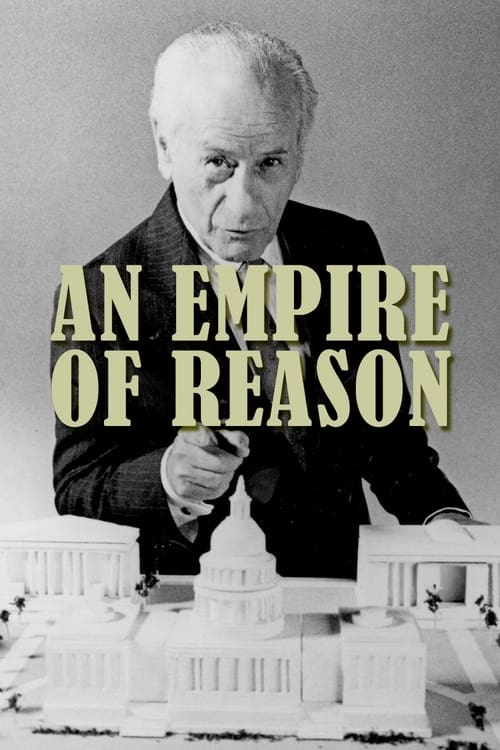
Docudrama about the debate surrounding New York State's ratification of the United States Constitution. Historical figures wear modern dress and use familiar language to help today's audience understand firsthand the forces that shaped this country two hundred years ago. The argument, characters, passions and debating points are historically accurate, but the language and the medium of the debate is modern in form. Present day newscasters and commentators play themselves, reporting on the events of the 1780s as though they were occurring now.
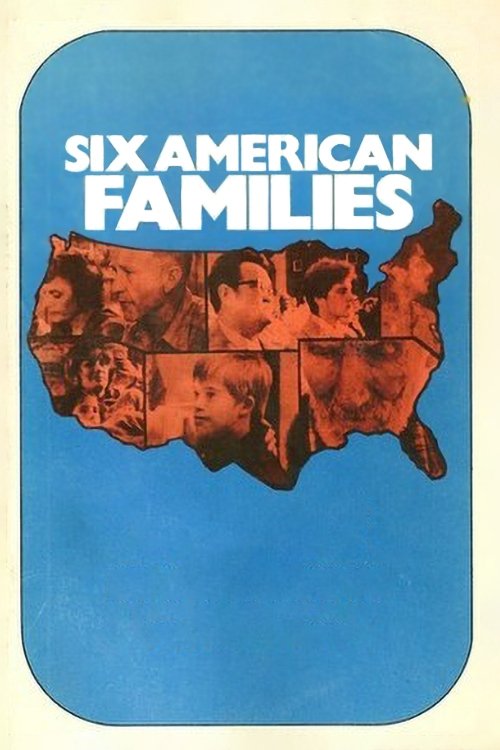
Six documentaries that portray American family life.
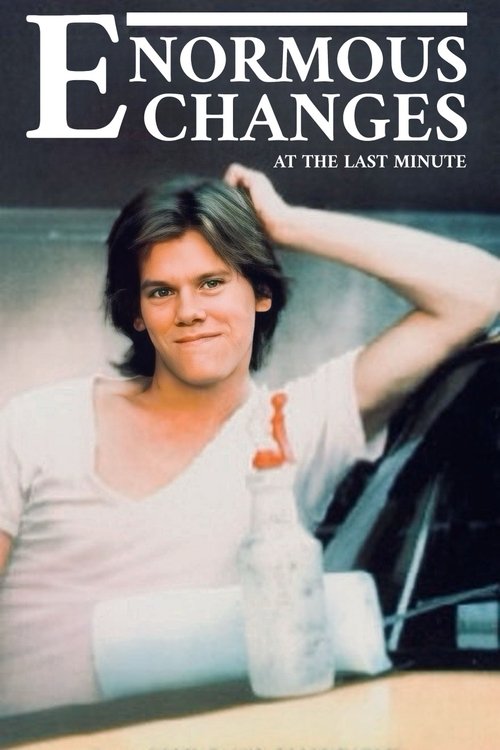
This film is made up of three segments that share no plot but have a general thematic relationship. In the first segment, Virginia and her three children are left by her shiftless husband and she is courted by an old beau who is now divorced. In the second, a divorced woman reacts to some unexpected revelations from her aged father. In the third, a childless, middle-aged social worker is swept into an affair with a young cab driver and finds herself pregnant.
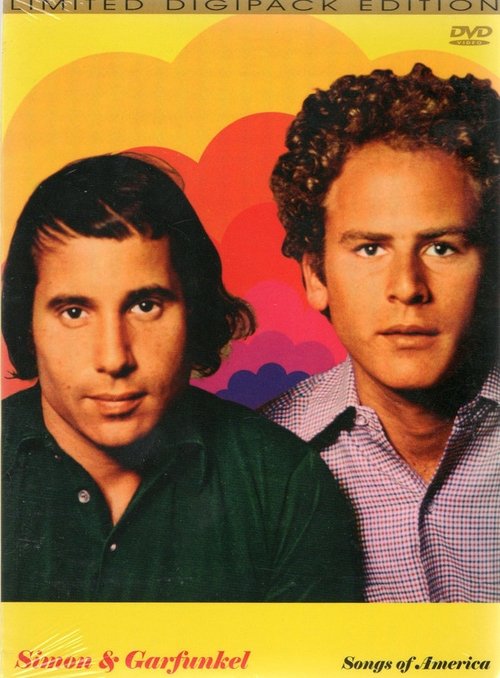
“Songs of America” shows the two on stage, in the studio and on a concert tour across a turbulent country. Their ambitious Bridge Over Troubled Water album had yet to be released and the glorious title song was heard here by the general public for the very first time. The program showed news clips of labor leader/activist Cesar Chavez and the United Farm Workers, the Poor People’s Campaign’s march on Washington, the assassinations of Martin Luther King, JFK and Robert Kennedy and other events that were emblematic of the era. “Songs of America” was originally sponsored by the Bell Telephone Company, but the execs there got cold feet when they saw what they’d paid for—legend has it that they looked at the footage of JFK, RFK and MLK during the (powerful!) “Bridge Over Troubled Water” segment (approx 12 minutes in) and asked for more Republicans! (Not assassinated Republicans, just more Republicans...you know, for balance!) The special was eventually picked up by CBS.
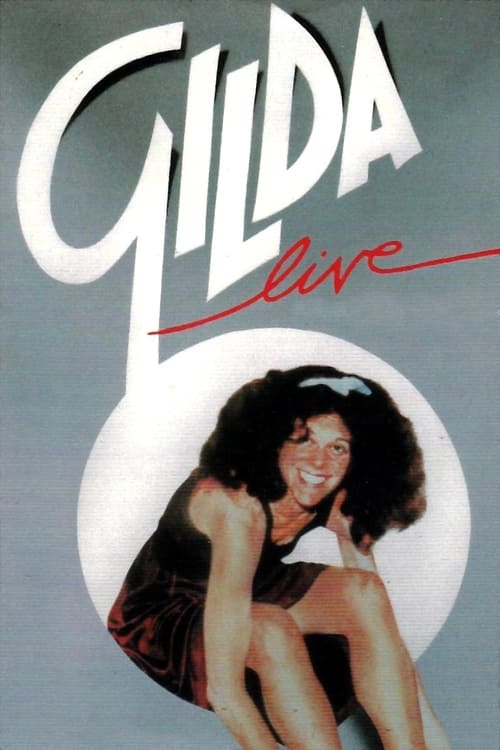
Gilda Radner is recorded during a live comedy concert. Radner's classic characters are seen in sketches that are sometimes more risque than when they appeared on television. During her breaks, the character Father Guido Sarducci takes the stage.
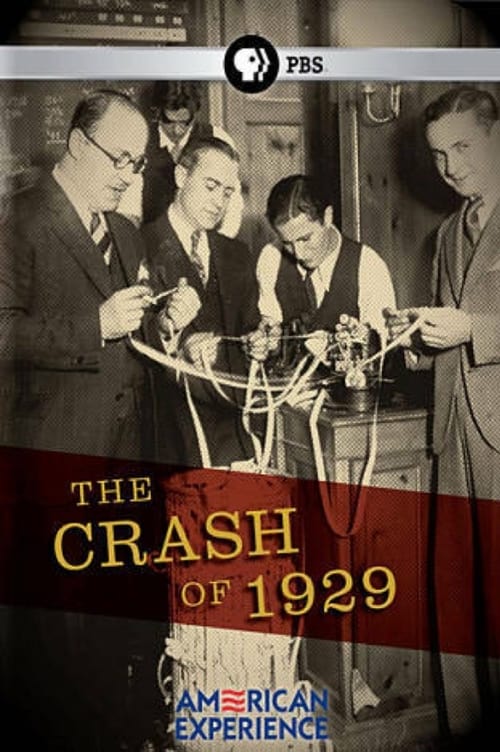
Based on eight years of continued prosperity, presidents and economists alike confidently predicted that America would soon enter a time when there would be no more poverty, no more depressions -- a "New Era" when everyone could be rich. But when reality finally struck, the consequences of such unbound optimism shocked the world.
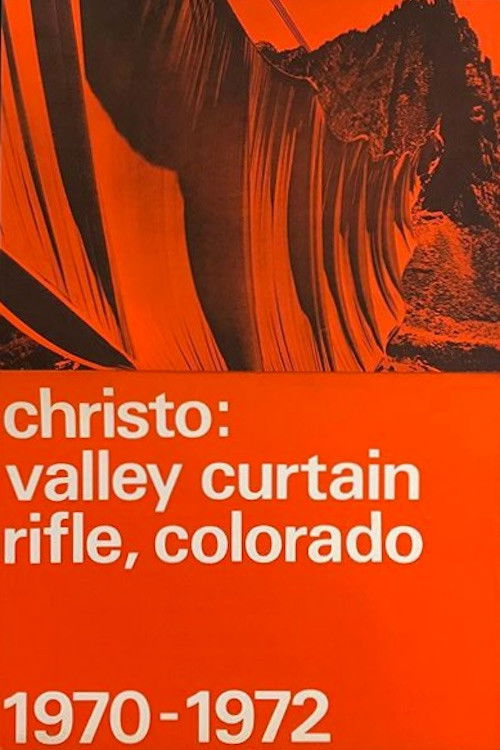
This Oscar-nominated documentary follows Christo and Jeanne-Claude as they conceive and execute Valley Curtain, an immense orange fabric installation stretched across a Colorado mountain pass. Filmed in a direct-cinema style, "Christo’s Valley Curtain" observes the negotiations, engineering challenges, and collective labor that shape the artwork, revealing the process itself as an essential part of the final creation.
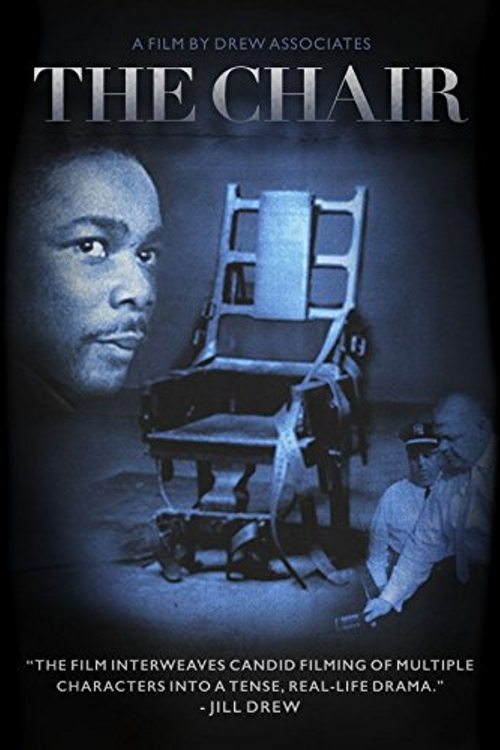
Follows a crusading lawyer as he embarks on a campaign to save an African-American man, Paul Crump, from the electric chair. Preserved by the Academy Film Archive in partnership with The Film Foundation in 2007.
A short documentary about Arthur Penn.
In 1960, Robert Drew founded his production company Drew Associates; joining him were a number of well-known or soon-to-be well-known documentary filmmakers including Richard Leacock, Albert Maysles and D.A. Pennebaker. Between 1960-63, Drew Associates produced 17 documentary films for television. Aga Khan was part of a 12-film subset of these known as The Living Camera, which were funded by Time and broadcast in syndication around the country. It shows the young Prince Karim at a time when he recently took over as spiritual leader of his Ismaili Muslim community. The film follows him to Switzerland, France and Africa as he steps out of the shadows to lead as the hereditary Imam.
Dustin Hoffman’s most challenging physical transformation occurred early in his career, when he undertook the role of Jack Crabb in the big screen adaptation of Thomas Berger’s novel, Little Big Man (directed by Arthur Penn). The role required Hoffman to portray a character who lives well past the age of 100. In The Many Faces of Dustin Hoffman, director Elliott Erwitt is providing a rare behind-the-scenes look into the process of movie-making. In this brief film, Hoffman discusses the craft of acting in general, but also talks specifically about his approach to the Jack Crabb character. This insider's glimpse into the mind of one of our greatest actors is a rare treat for both fans of Hoffman and anyone interested in the process of acting.
Documentary about East Coast college students' candid views on drug use, sex, politics, parents, faculty, curriculum, and peer group relationships.
In its brief fifteen minutes, this illuminating film cleverly presents the history of light, from Genesis to Thomas Edison's invention of the light bulb and the development of machinery for its mass production. Exploring the ways in which sun, light and darkness have been represented in the artifacts and legends of world cultures, as well as tracing the development of artificial illumination, L*I*G*H*T is a tribute to Edison and a celebration of the inventive spirit that characterized the Industrial Revolution.