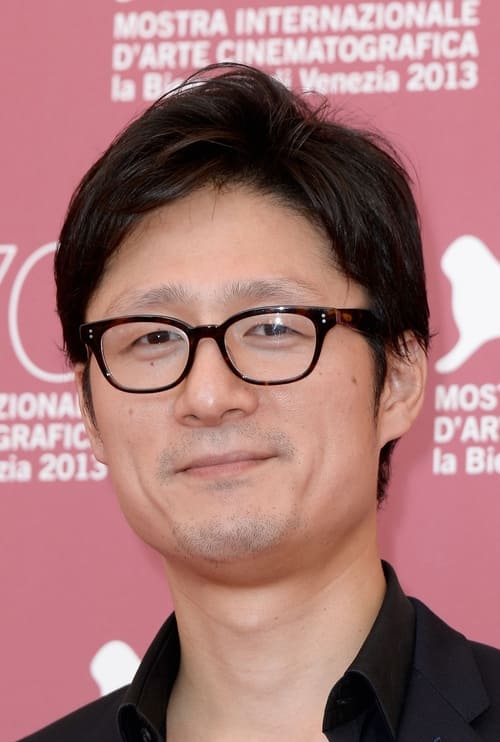
Sang-il Lee
Directing
Biography
Sang-il Lee is a Korean film director and screenwriter who works in Japan. His first film, “Chong,” was a short film about the lives of third generation Zainichi Koreans living in Japan. “Hula Girls” was declared best Japanese film of 2006 by Kinema Junpo, and Lee won the Best Director and Best Screenplay prizes at the 2007 Japanese Academy Awards for the film. His film “Unforgiven” was screened in the Special Presentation section at the 2013 Toronto International Film Festival.
Known For
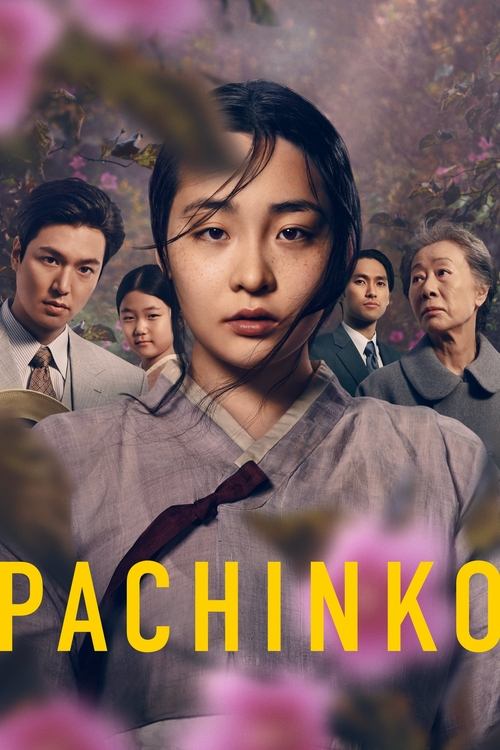
This sweeping saga chronicles the hopes and dreams of a Korean immigrant family across four generations as they leave their homeland in an indomitable quest to survive and thrive.
Pachinko
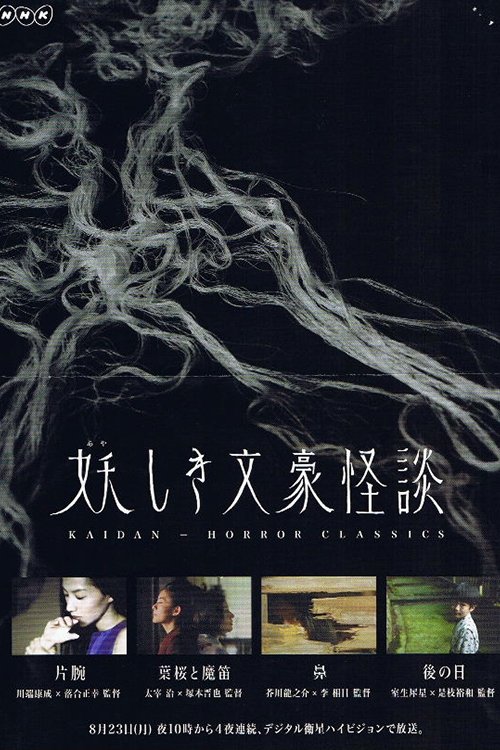
Four renowned Japanese directors each adapt a supernatural short story by Japanese literary masters for the KAIDAN HORROR CLASSICS omnibus series. In his adaptation of Yasunari Kawabata's THE ARM, Masayuki Ochiai reveals the inner world of fetishists in an eerily unsettling tale of a man who convinces a woman to let him borrow her arm for a night. Meanwhile, Shinya Tsukamoto explores death and unrequited love in Osamu Dazai's THE WHISTLER, about a woman who spies on her dying sister's secret love life after her own romance is dashed by her father. After VILLAIN, Lee Sang-Il looks at social outcasts once again in Ryunosuke Akutagawa's THE NOSE. The story follows a priest with a hideous nose who kills a young local boy in a moment of blinding anger. Meanwhile, Hirokazu Kore-eda creates a gentler ghost tale with Saisei Muro's THE DAYS AFTER, about a married couple who thinks the young boy who visits their house daily may be the ghost of their dead infant son.
Kaidan Horror Classics
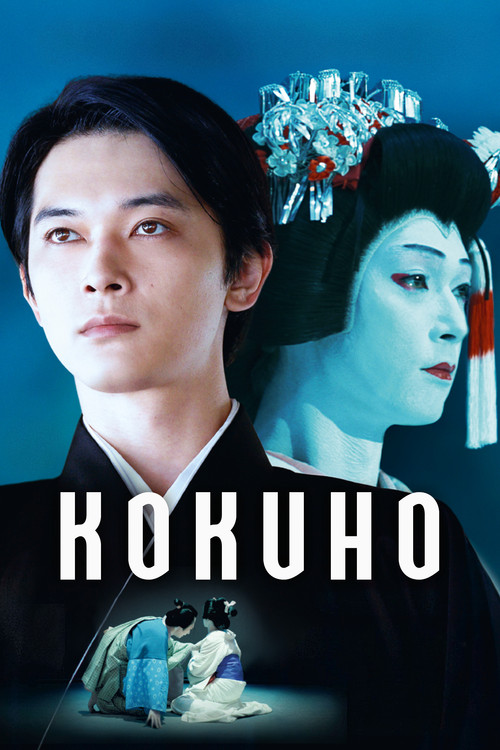
Nagasaki, 1964: Following the death of his yakuza father, 15-year-old Kikuo is taken under the wing of a famous kabuki actor. Alongside Shunsuke, the actor’s only son, he decides to dedicate himself to this traditional form of theatre. For decades, the two young men grow and evolve together – and one will become the greatest Japanese master of the art of kabuki.
Kokuho
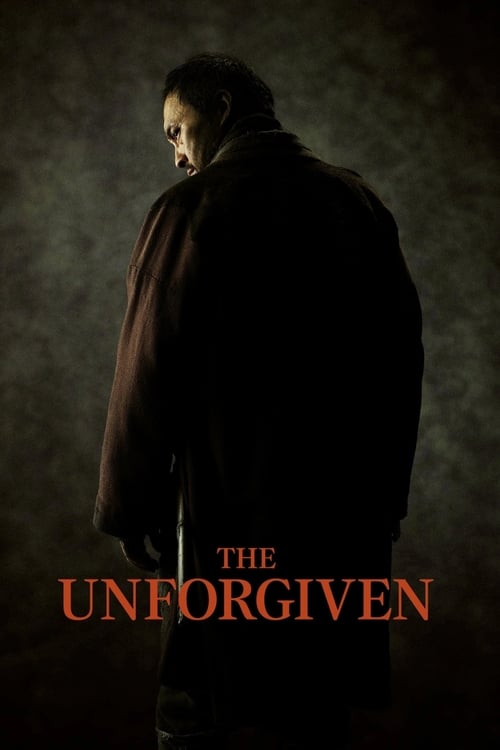
An old swordsman, his former comrade and a young braggart are hired by prostitutes to track down bandits who mutilated one of the women.
Unforgiven
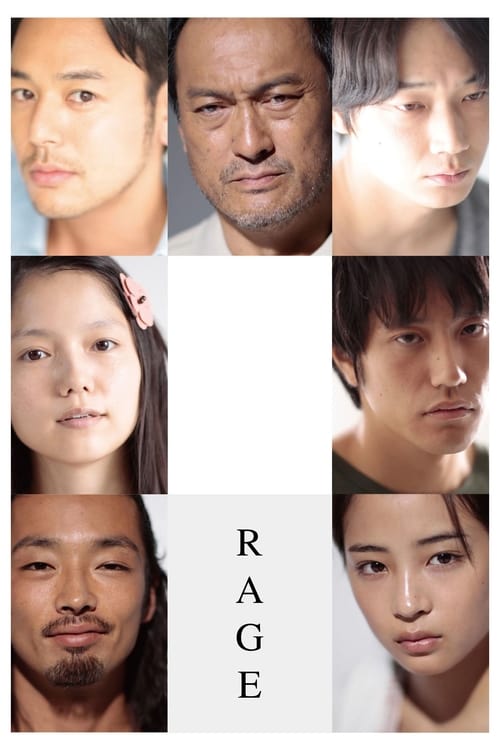
A man brutally murders a married couple and leaves the word “ikari” (“rage”) written with their blood. The killer undergoes plastic surgery and flees. At three different locations in Japan, a male stranger appears. People suspect that the stranger might be the murderer.
Rage

Young women in a small Japanese town look to revive their home's declining fortunes by building a Hawaiian village tourist attraction.
Hula Girls
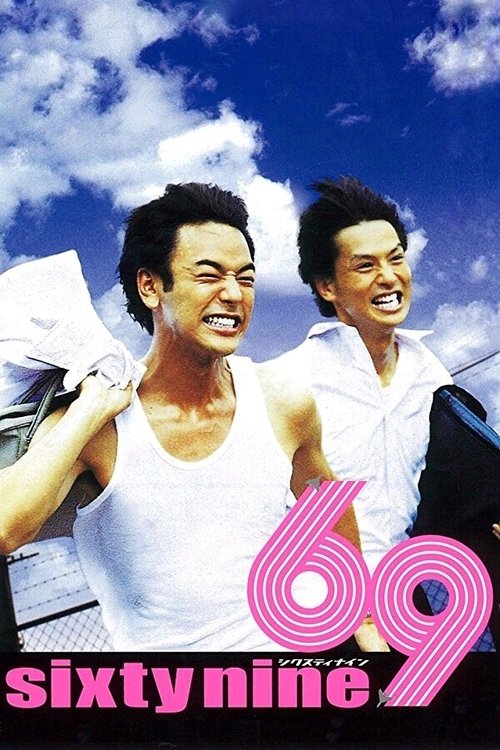
Hoping to catch a girl's attention, high school students Ken and Adama cook up an ambitious plan. They plan a festival that combines film, theater, and rock music, and develop their project into a school road block. This plan however catches the attention of television stations and newspapers, and soon even the cops became involved in this teenage adventure.
69

In a park on a rainy evening, a 19-year-old university student, Fumi, offers an umbrella to a soaking wet 10-year-old girl, Sarasa. Realizing her reluctance to go home, Fumi lets her stay in his place, where she spends the next two months in peace.
The Wandering Moon
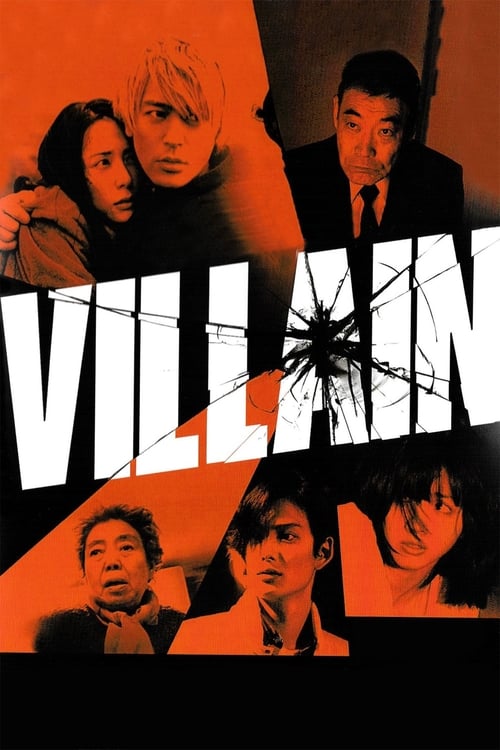
Shimizu Yuichi is a shy and lonely day laborer looking for love. He aimlessly spends time corresponding with girls via telephone dating services and going on random encounters with girls looking for spending cash. His world is shattered one day when he is involved in the murder of one of his former encounters, the sweet-faced Ishibashi Yoshino who, after being jilted by playboy Masuo Keijo, berates and mocks the troubled loner.
Villain
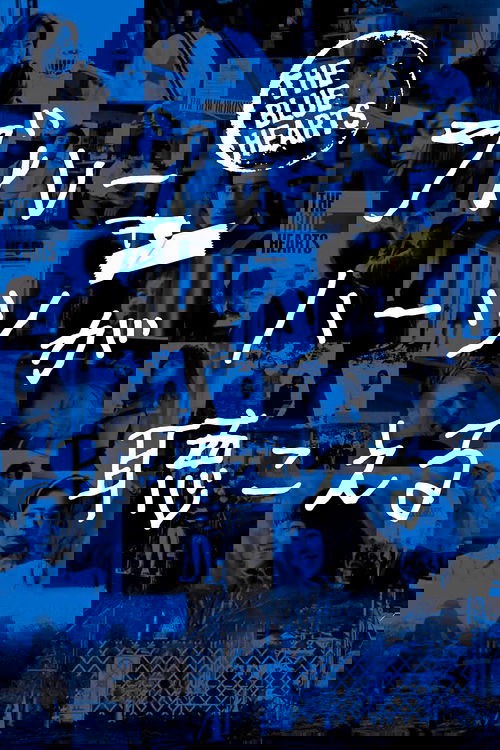
Six directors picked a favorite song by Japanese punk rock band "The Blue Hearts" and made a short film inspired by the song.
The Blue Hearts
No description available.
Tagatame

A dream collaboration between five directors who represent the modern Japanese film industry! An omnibus work composed of five short films has been created. "The Short Films: We Were All Once Children." The theme that runs through the five short films is "children." The styles vary from period dramas to contemporary daily life scenes, but all of the works highlight the dreams of children, who are entrusted with Japan's future, as well as the issues facing the social system surrounding children. ©ABC Television
The Short Films: We Were All Once Children
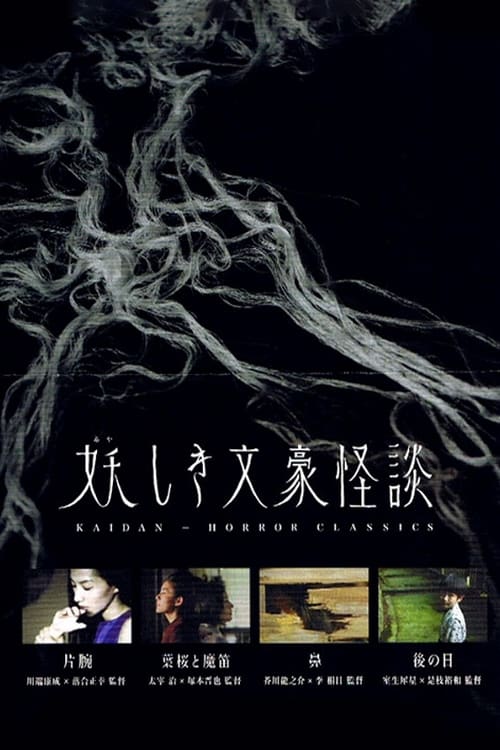
Four short films based on ghost stories written by award winning modern Japanese writers.
Kaidan Horror Classics
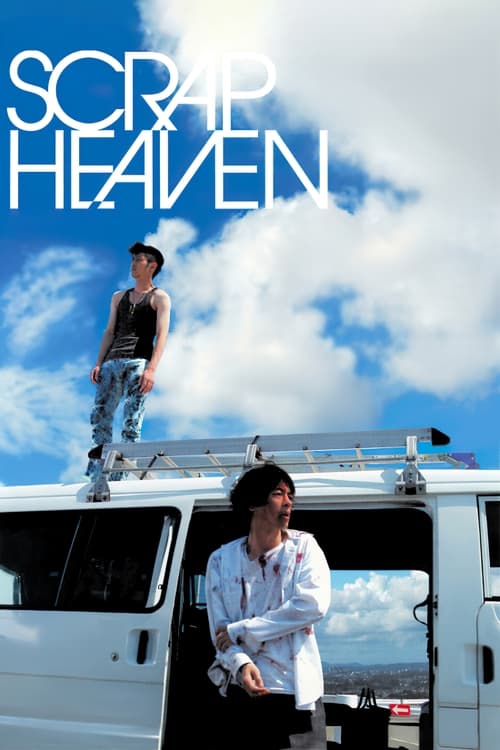
The lives of a young cop, a sanitation worker and a brooding pharmacist violently intersect on a bus that's hijacked by a suicidal political flunky, then cross paths again months later.
Scrap Heaven
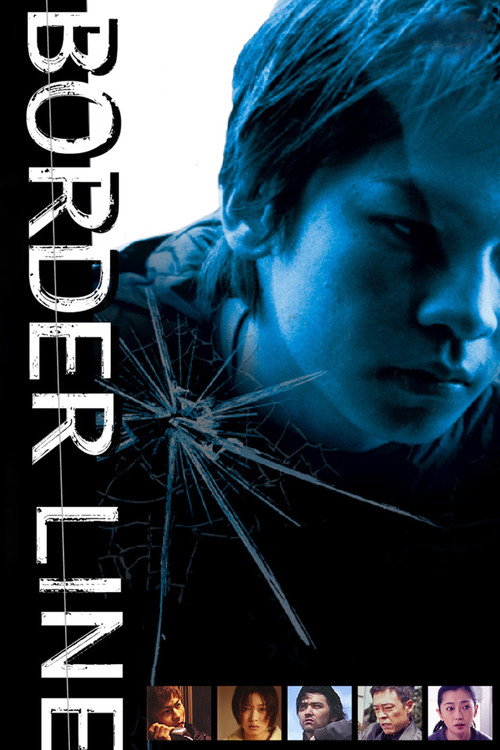
Three storylines interweave in Border Line. Kurosawa (Murakami Jun) finds himself driving a taciturn young man named Matsuda (Sawaki Tetsu) halfway to Hokkaido, after accidentally knocking him off his bike; their fragile bond can last only so long. The housewife Aikawa Misa (Aso Yumi) tries desperately to hold her family together when her husband gets laid off and her son is so frightened of bullies at school that he throws up in the car; she’s reduced to taking a McJob in a convenience store. And Miyaji (Mitsuishi Ken), who collects debts for a yakuza gang, gets into trouble when his partner Kitajima puts personal need above duty.
Border Line
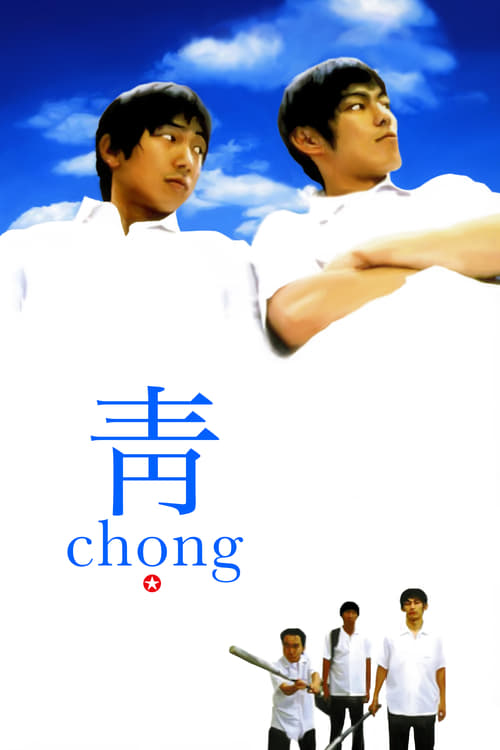
A spirited and brave fiction debut by Lee Sang-il, a Korean-Japanese filmmaker, that explores the taboo subject of the relations between Korean immigrants and Japanese in Japan.