Editing
MISSION X tracks down the mysteries that triggered spectacular turning points in our history. Alert minds with the courage to go new and different ways, with ideas and a sense of adventure, created the remarkable turns of events that were responsible for making us what we are today.
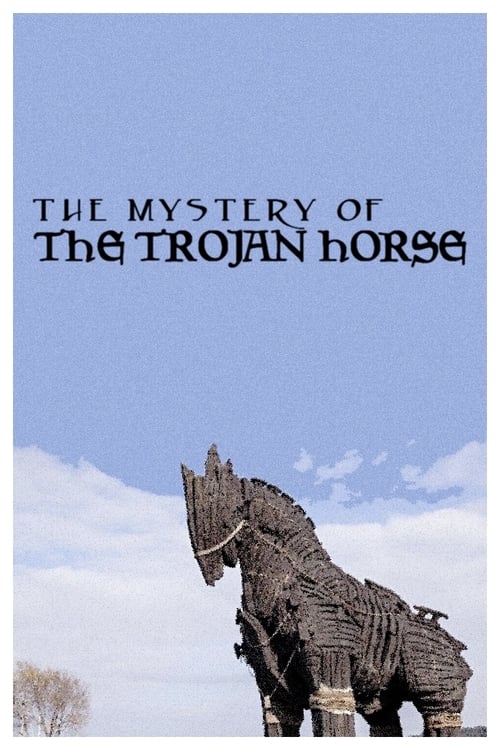
The story of the Trojan Horse is probably one of the most famous stories ever told: after ten years of bloody war, the Greek coalition decides to lift the siege and depart, but not before leaving at the gates a huge wooden horse, which the Trojans confidently lead into the city. A few hours later, the once invincible Troy goes up in flames. What exactly happened? Is this myth true or false?
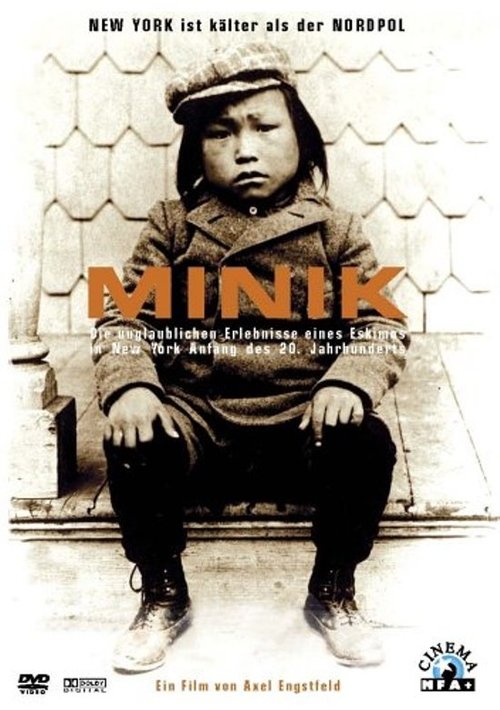
In 1897, Arctic explorer Robert Peary, commissioned by Franz Boas, curator of the American Museum of Natural History, brought indigenous inhabitants of Greenland back from his expedition. It was a sensation. But only little Minik survived. The rest of his group died within a few months. Minik's father died of tuberculosis; his skeleton was added to the museum's anthropological collection. Minik, adopted by museum staff, remained in America for another twelve years before returning to Greenland. But there he had become a stranger. Robert Peary, on the other hand, was celebrated in America for his North Pole expeditions. Minik could not let go of his past, so he returned to the US.
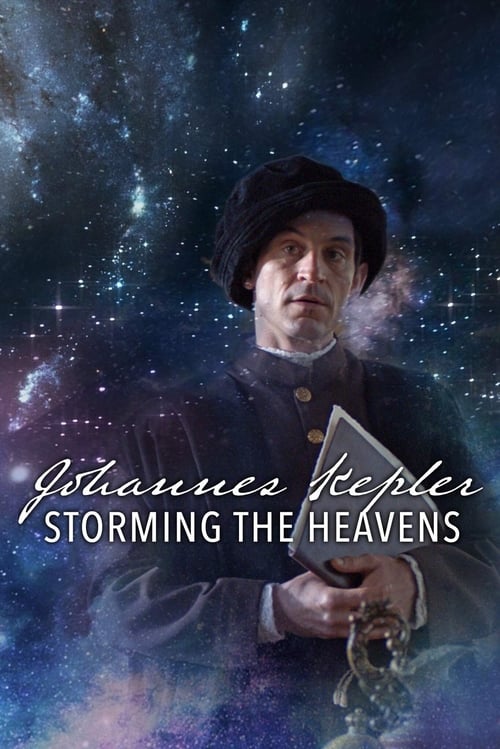
Nowadays we associate Johannes Kepler with his famous laws of planetary motion. But the history of his discoveries is a drama of Shakespearian proportions - full of intrigue, passion, depravity and corruption.
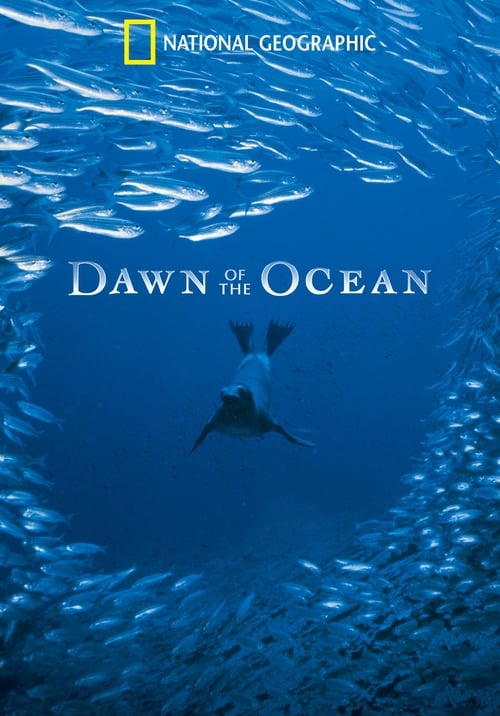
Oceanographers have been gripped by a new spirit of discovery and have undertaken the biggest population census of ocean species ever conducted - a "Census of Marine Life". The quest: to find out when and where it all began. Where did the water come from? How was life created in the oceans? And how did it evolve to the enormous diversity we see today? Join National Geographic as we travel more than 4 billion years into the past to uncover how oceans and marine life came to exist.
Coffee is the second most important commodity in the world after oil. The drink has a long history and what's more, its effect seems to be stimulating in two senses.
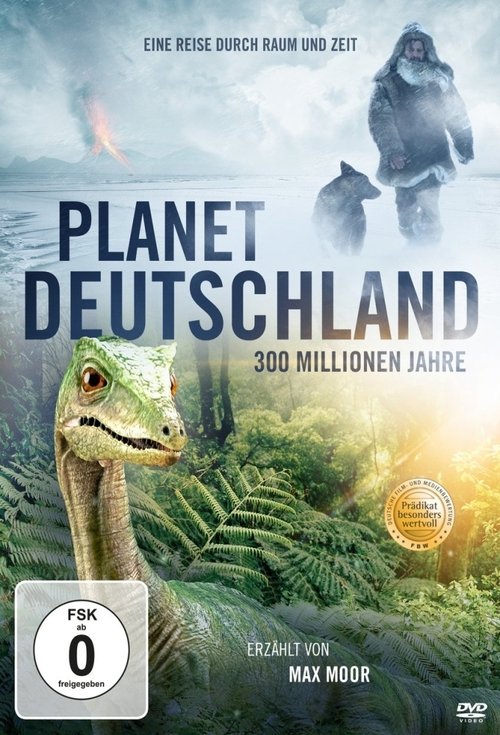
Documentary tells the story of Germany's origins from the Carboniferous period to the present day. It leads from the highest Alpine peaks to the rugged North Sea coasts - from the craters of the Eifel to the river labyrinth of the Spreewald. Back then - around 300 million years ago - giant dragonflies, for example, buzzed through dozens of meter-high fern forests. In the course of the Earth's history, however, we also encounter dying dinosaurs, meet rhinos and elephants on the Rhine and come across what is probably the first human in Heidelberg. Later, the Neanderthals appear and suddenly disappear again - for reasons that are still unknown. And finally, modern humans gradually spread and began to shape their environment.
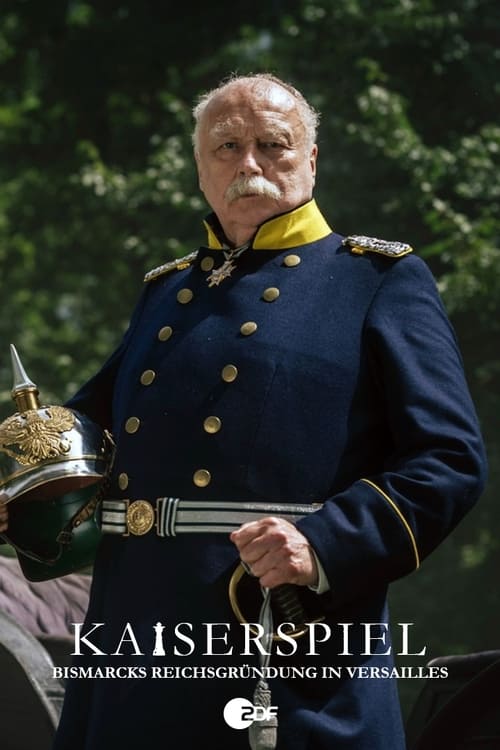
On operated by Prussian prime minister Otto von Bismarck the German Empire is finally founded in 1871 on the floors of Versailles castle, ancestral seat of the French monarchy.