Production
Aucune description disponible.
Des femmes emblématiques de l'histoire sont racontées dans cette série documentaire. Des dirigeants légendaires comme Catherine la Grande, la reine Elizabeth et Cléopâtre aux rebelles courageux comme Jeanne d'Arc et Sophie Scholl, cette série offre un regard intime sur des personnages plus grands que nature qui ont façonné l'histoire.
Une « épopée » en cinq épisodes sur « 3 500 ans d'histoire de la première religion monothéiste » L’époque dite "des Juges" voit leurs différentes tribus s’unir. Sous le règne des rois David, puis Salomon, le royaume israélite est florissant. Mais les Assyriens conquièrent en 772 avant J.-C. le royaume d’Israël au nord et en 586 avant J.-C., celui de Juda au sud. Le temple de Salomon est détruit. Et de nombreux juifs sont déportés à Babylone. Mais ils réussissent à y maintenir une communauté dynamique et une foi vivante. L’empereur perse Cyrus ayant pris la capitale assyrienne en 538 avant J.-C., il autorise les captifs à retourner dans leur patrie. Quand Alexandre le Grand occupe à son tour le Proche-Orient, certains des Hébreux sont tentés par l’hellénisation, alors que d’autres s’installent dans des villes de la région.
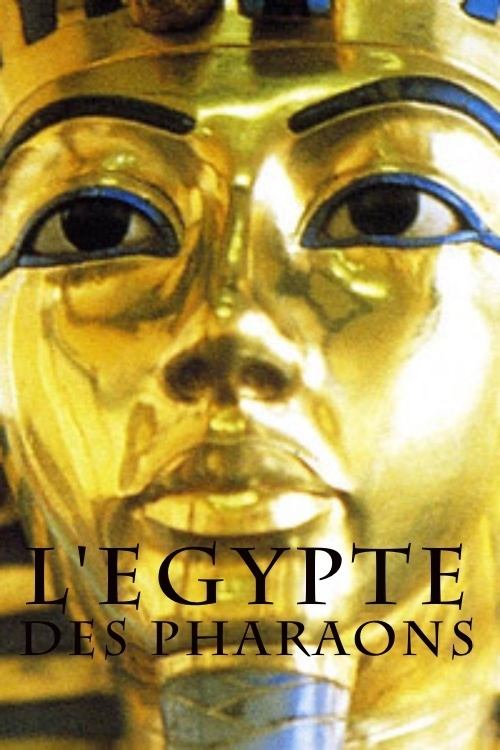
Vers 3000 avant J.-C., le roi Narmer termine l’unification de l’Égypte, et devient le premier pharaon de droit divin. Premier État de l’histoire, l'Égypte verra trente et une dynasties se succéder à sa tête. Le rôle du pharaon est de préserver l’unité du royaume et de défendre ses frontières. Ainsi, Thoutmosis III (1479-1425 avant J.-C.) mène à bien des expéditions vers les îles grecques, la Nubie, la Palestine, la Phénicie, la Mésopotamie et l’Asie Mineure. L’Égypte s’étend bientôt du Soudan aux rives de l’Euphrate. S’ensuivent quatre siècles de paix : les vaincus sont épargnés s’ils font serment de ne pas se rebeller contre le pharaon, de lui payer tribut et d’éduquer leurs enfants en Égypte, d’où ils reviennent ensuite en vassaux fidèles. Il peut ainsi, en toute sérénité, agrandir le temple d’Amon-Rê à Karnak : il y célèbre ses victoires dans des "Annales" et fait graver sur les murs des représentations d’animaux et de plantes exotiques qu’il a rapportées de ses campagnes…
Derrière le mythe d’Alexandre le Grand, romancé par des siècles d’histoire, la réalité du personnage tend à s’effacer. Relecture du parcours d’un conquérant aux multiples facettes.
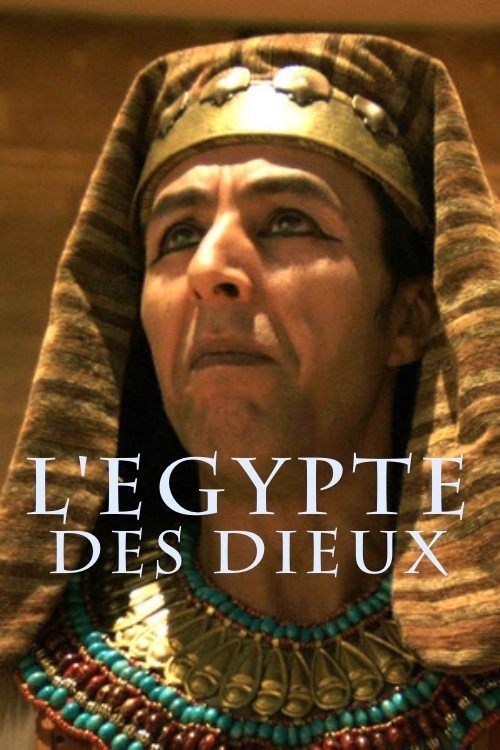
Monté sur le trône vers 1350 avant J.-C., Amenhotep IV fait édifier à Karnak un ensemble de monuments dédié non plus à Amon, mais à Aton. Cinq ans plus tard, il rompt avec Thèbes et le clergé d’Amon, installe une nouvelle capitale en Moyenne-Égypte et prend le nom d’Akhenaton. Il récuse les dieux précédents et instaure le culte d’Aton, parfois considéré comme la première expression du monothéisme. Il opère aussi une révolution culturelle en imposant un style de représentation à la fois naturaliste et baroque. Mais son successeur Toutankhamon ordonne le retour à Thèbes et à l’ordre religieux ancien. Puis, Ramsès II, mort en 1213 avant J.-C., met à profit son long règne pour mener plusieurs guerres et construire de nombreux monuments. Les plus célèbres sont les temples d’Abou-Simbel. Il se préoccupe très tôt de son futur tombeau dans la Vallée des Rois. Le" Livre des morts" constitue un document précieux pour comprendre les rapports que les Égyptiens entretenaient avec leurs dieux.