FEEL IT.STREAM
Teo Hernández

Teo Hernández

Directing

Biography

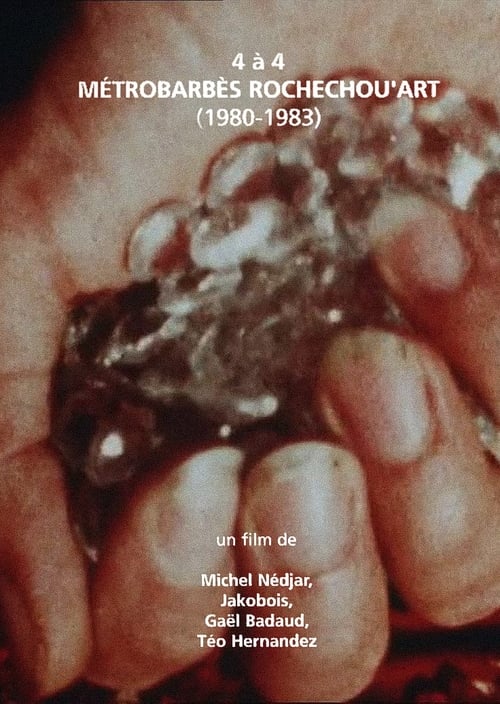
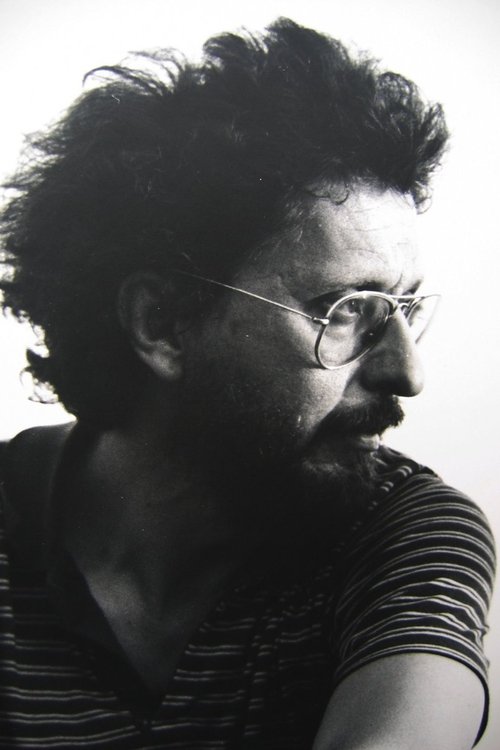
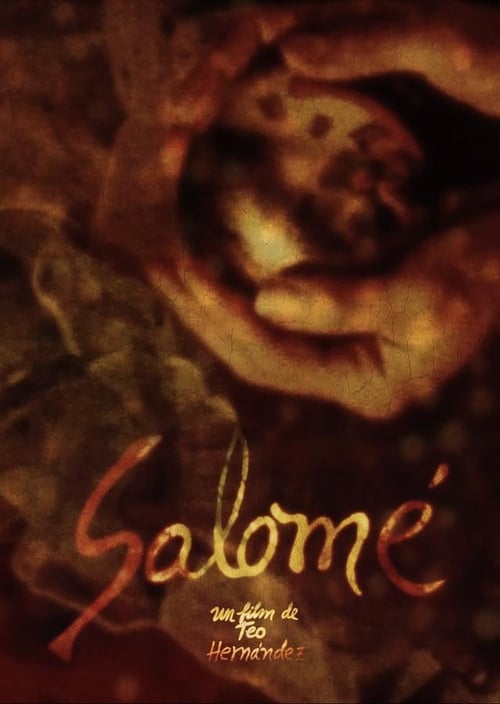
Téo Hernández was born on December 23, 1939 in Ciudad Hidalgo, Mexico. After studying architecture, he founded with a friend the CEC (Centro Experimental de Cinematografia), in Mexico City. In 1960, the French Institute of Latin America financed the first project of the group, a documentary that will remain unfinished. He moved to Paris in 1966. From 1968 to 1975, he made films in super 8 in London, Paris, Morocco and Denmark. Then accompanied by Michel Nedjar with whom he turned "Michel là-bas" in Morocco, he traveled for six years in India, Nepal, Greece ... Back in Paris, he realized Salomé (1976) in the spirit of Oscar Wilde. He meets Gaël Badaud, with whom he begins a long series of collaborations where elements of his own experience are incorporated in the films. In 1977, he realized Cristo, which will be part of a trilogy on passion with Cristaux and Lacrima Cristi. In 1980, with his friends (Nedjar, Jakobois and Badaud) he founded the group MétroBarbèsRochechou Art.
Known For

Angle
1.0

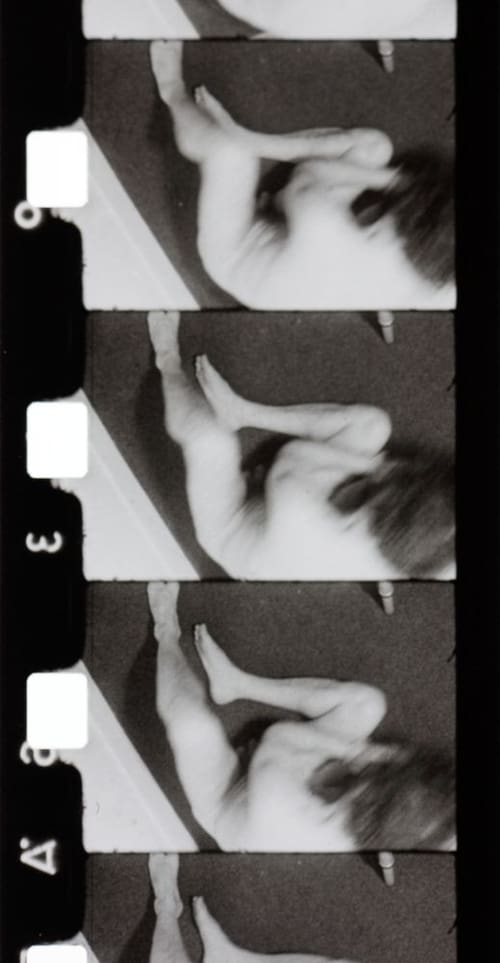
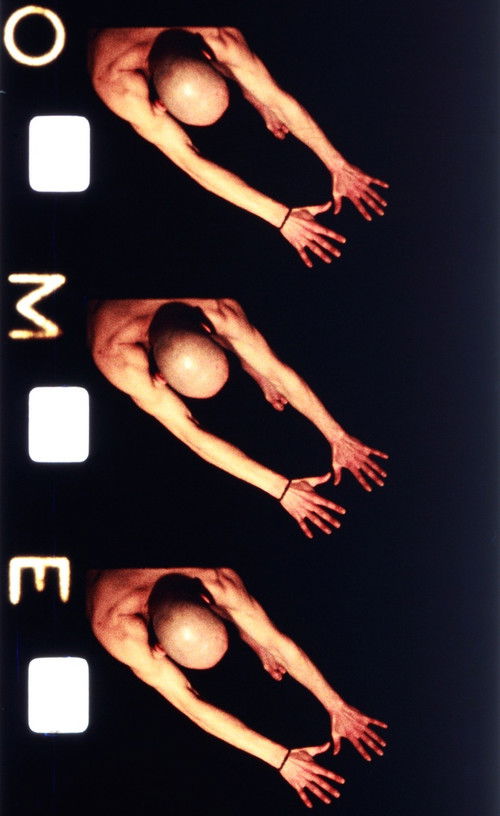
"ANGLE, with its brief black and white shots, almost always plunging and oblique, of naked bodies or parts of bodies, is a film of rupture. Punctuations of black primers break up the filmic continuity, isolating snapshots or brief furtive movements: the body rolling over itself, colliding with the other or falling (these terrible falls, as sharp as a fainting spell, like that of the hero of The Andalusian Dog, whose hand, as he falls, brushes for a moment against the naked back of a beautiful, insensitive woman, and which is, it seems to me, the most striking representation of the link between passion in love and death that can be given). Often these movements are repeated and the actors seem to be the descendants of Muybridge's bonshommes lost in a white room. At the end - this is the longest shot in the film - in a corner of the room, one of the two actors remains crouched, hiding his eyes in his hands. Then the corner reappears, empty."

Angle

1978Movie
Cristaux
10.0

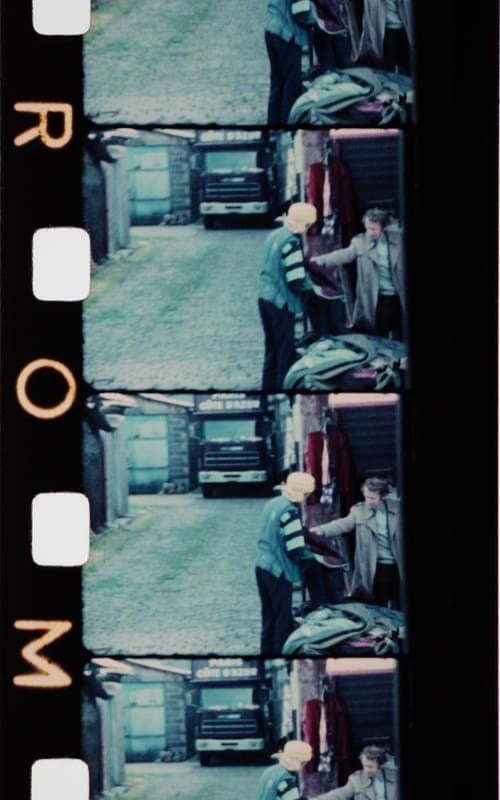
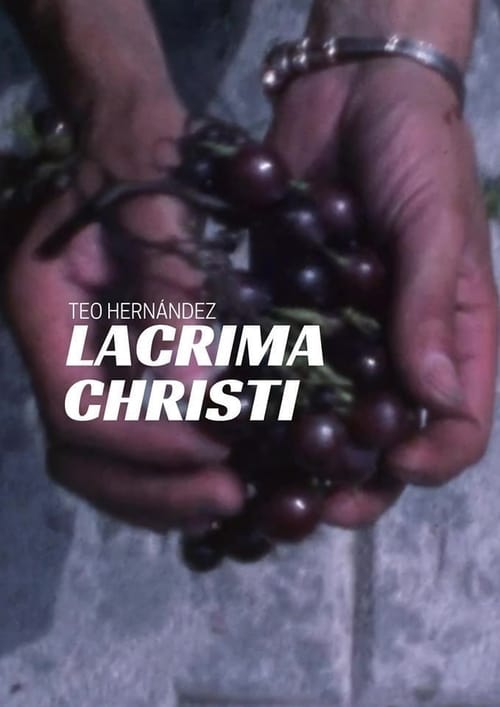
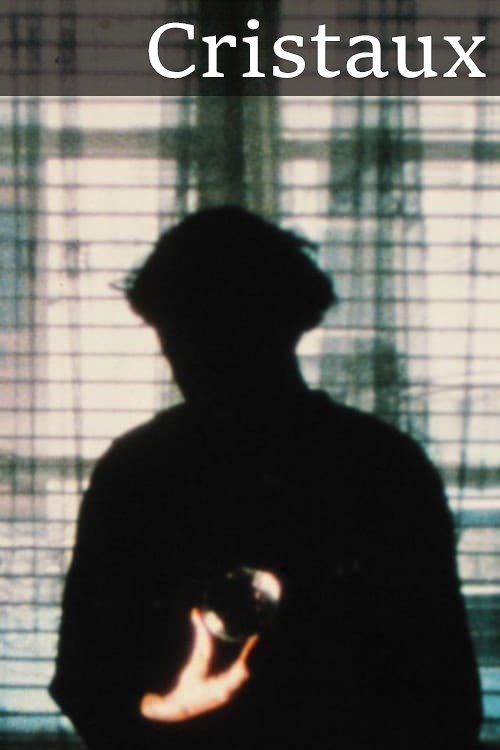
The tetralogy pieces are dominated by the concept and presence of death, foreclosure, fetal vertigo. As such, CRISTAUX is a real descent into an inner labyrinth, which we do not know if it is organic or cultural. At the same time, the film contains a dialectical break that initiates other semantic directions in Hernandez's work. Under the influence of Michel NEDJAR, the filmmaker abandons his traditional method of editing based on rushes. The operation is now completed inside the camera, filming. This more flexible way of proceeding ("the camera must become a second eye") is already reflected in the clear openings of Lacrima Christi: the Christian myth seems to be on the way to exorcising. The pantheistic intoxication - close to that evoked by Nietzsche - seizes places, objects and participants.

Cristaux

1978Movie