Camera
Two teenage girls embark on a series of destructive pranks in which they consume and destroy the world around them.
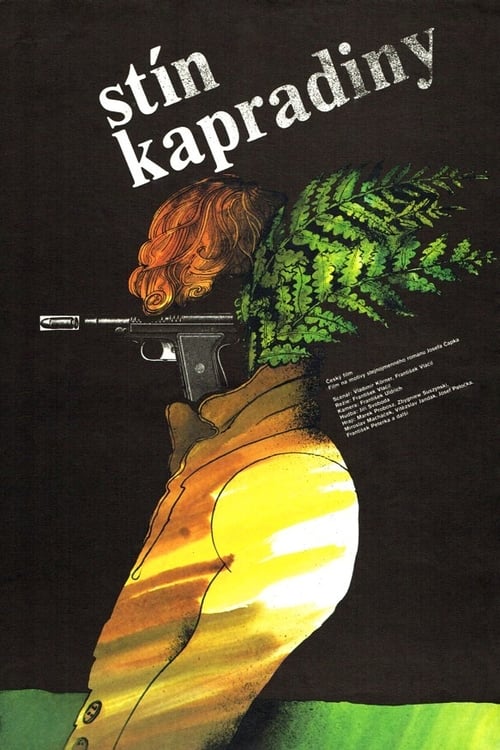
Based on the only extensive prose work by the surrealist painter Josef Capek, Shades of Fern most resembles the philosophical fairy tales and fables of Josef’s older brother, the legendary Czech novelist and playwright Karel Capek. Two young poachers, more boys than men, kill a gamekeeper when they are caught illegally hunting. Panicked, they retreat into a forest that grows steadily more forbidding and deadly as their fear for the future—and guilt over their action—mounts. Loosely based on hundreds of oral folk tales and legends that haunt the woods of Czechoslovakia, Vlácil’s contemporary updating artistically underscores the relationship between man and nature, crime and punishment, isolation and society, and guilt and memory.
No description available.
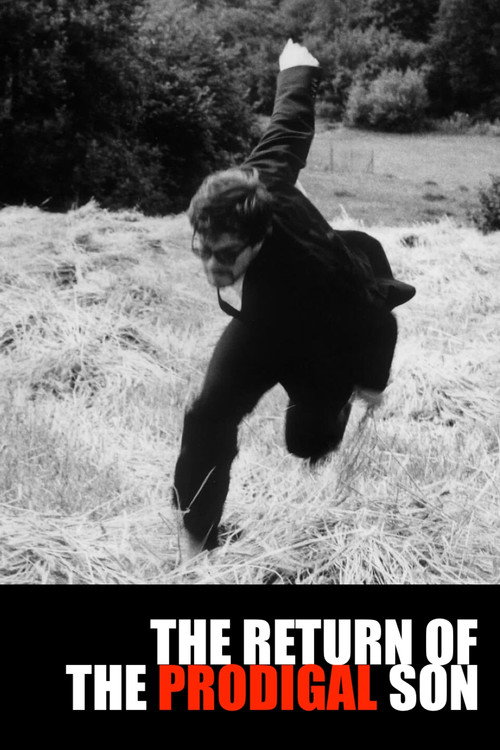
Cast out by his father, young Ondrej joins the Order of the Teutonic Knights, where he is raised by strict monk Armin. After years of hardship, Ondrej escapes from the Order when he is wrongly punished, and sets out for his former home. Arriving to discover his father to be dead, Ondrej now not only assumes control of his father's properties, but seeks to marry his former stepmother.
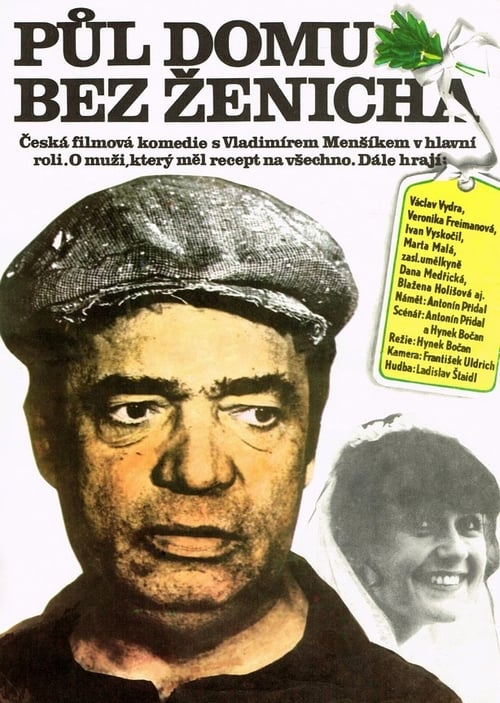
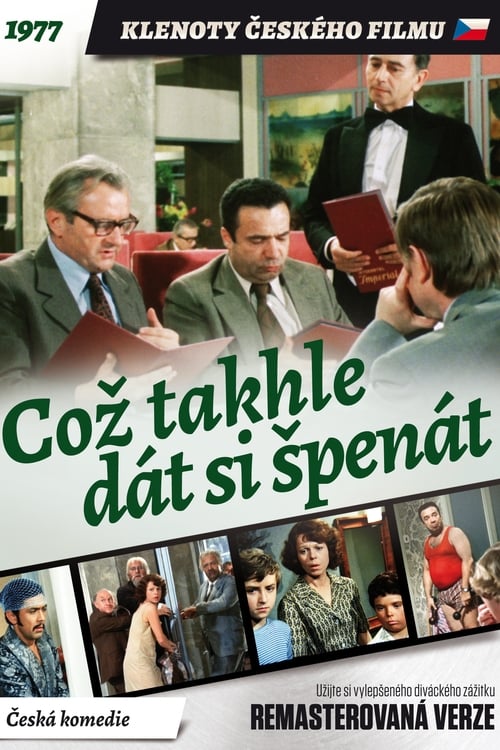
The Francs with their daughters Olina and Jirina are building a villa in the village of Rezkovice. Father Franc (Vladimír Mensík) doesn't allow himself a minute's respire and restlessly forces to work his wife, both daughters and Zdenek, Jirina's suitor. Zdenek does not protest against it and, in addition, he is skillful. On the contrary, Olina's boyfriend Libor is worse at work. He studies at the Technical College and he does not succeed much in grasping the building handicraft. Franc, proud of his pursuits, decides that he will arrange the wedding for both daughters and then hand them over the key of the villa in which both pairs have luxuriously furnished flats.
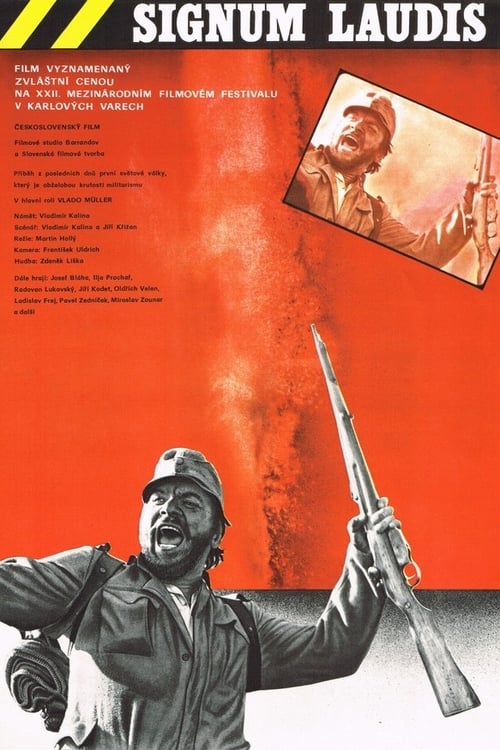
The trenches of World War I provide for a captivating backdrop to the drama of Corporal Hoferik. In his devotion to the Habsburg Monarchy, he fanatically carries out his military orders, but he ultimately suffers the Empire's disfavor.
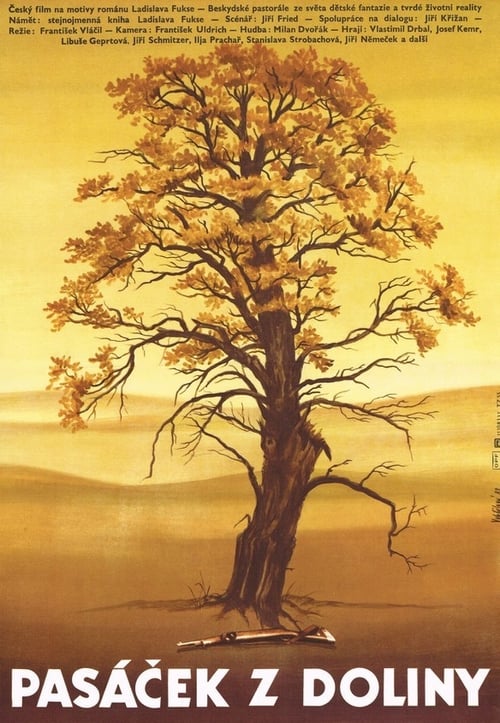
In 1947 by the Beskid mountains, the traces of war still linger, destroyed tanks dispersed throughout the farmland creating an eerie backdrop. This film follows a ten-year-old boy and the strange visions he encounters, his world of fantasy exacerbated with ample time, space, and a lack of companionship or guidance. We see the adults that influence and dominate his life, for better or for worse. Surreal and packed with an excellent study of human emotions and motivations compounded by their rural, isolated vacuum of a town, this is a timeless and severely underrated film from a brilliant Czech director.
Her mother dead, 18-year-old Vladka travels to a remote village in the dead of winter to find the father she has never met. The happiness of their initial meeting gives way to the daughter’s disappointment and concern over the hardworking man’s alcoholism.
When the Germans invade Poland during World War II, a family of Jews seeks refuge in a well. Based on real events, the three survivors moved to Buenos Aires in 1952.
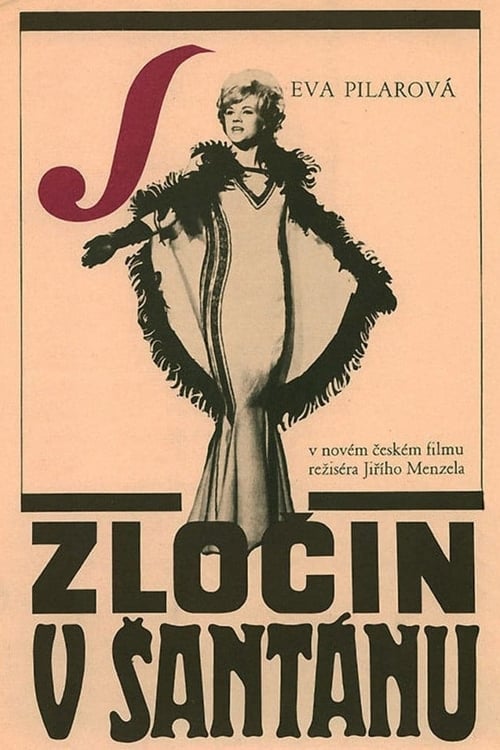
The theft of a pearl necklace and subsequent murder took place at the Tartaros cabaret. All this could compromise the minister, who is an admirer of the singer Clara. The real culprits must be found as soon as possible...
Engineer Jan Sebek (Jan Kacer) is undergoing treatment in a mental home after his unsuccessful attempt to commit suicide. His therapist, via discussions both with the patient and with people who know him, tries to find out what made the young and seemingly satisfied man decide to end his own life. Jan's pretty wife Jana (Jana Brejchová) claims not to know about anything but she is conducting an affair with a family friend, almost publicly and with the blessing of her parents.
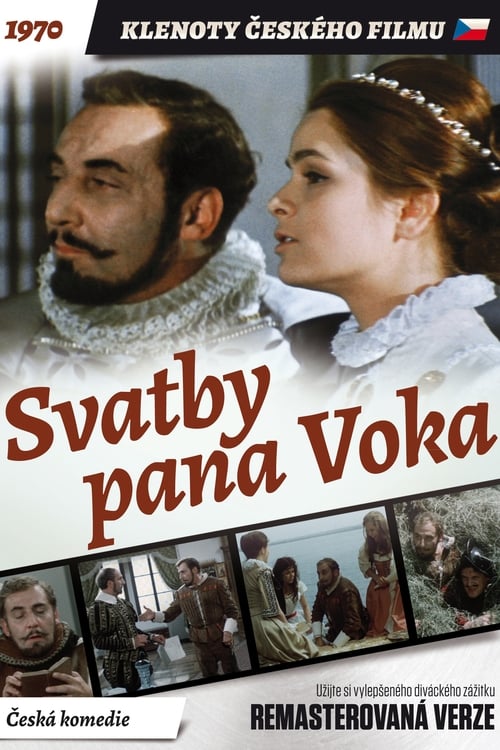
Czech nobleman Petr Vok of Rozmberk (Milos Kopecký) is no longer so young, but his amatory adventures continue to arouse the envy of men and the indignation of respectable ladies. In his "female retinue" at the chateau in Bechyne he has twelve comely girls, but he still manages to seduce the miller's wife and the maid. Lord Vok is in great financial difficulties. His elder brother Vilém advises him to marry a rich woman. Petr surprises him by announcing his intention to marry the very young Katerina of Ludanice.
The heroes of this absurd comedy, full of confusion and humor are Dzharda Zemanek and Frantisek Liska.
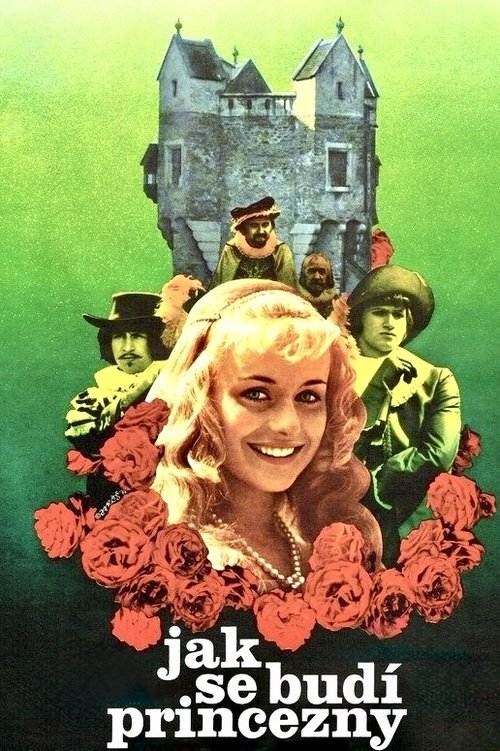
At long last, King Dalimil and Queen Eliška have produced an heir, Princess Růženka. Consumed with envy, Eliška’s sister Melánie casts a curse: On the day Růženka turns seventeen, she will prick her finger and fall into a deep sleep together with the entire kingdom.
Emigrants rarely do well abroad, which is why they often return to their homeland. At least, that's what the film The Poachers claims. But the long years of separation and different experiences create alienation, and the returnees lose touch with their loved ones. This is exactly what happens to the main character, who cannot understand the changes that the Czech village has undergone. Neither with his son nor with his wife can he find common ground. Although the director Hynek Bočan relies on expressive portrayal, the basic problem of the story remains its lifelessness.
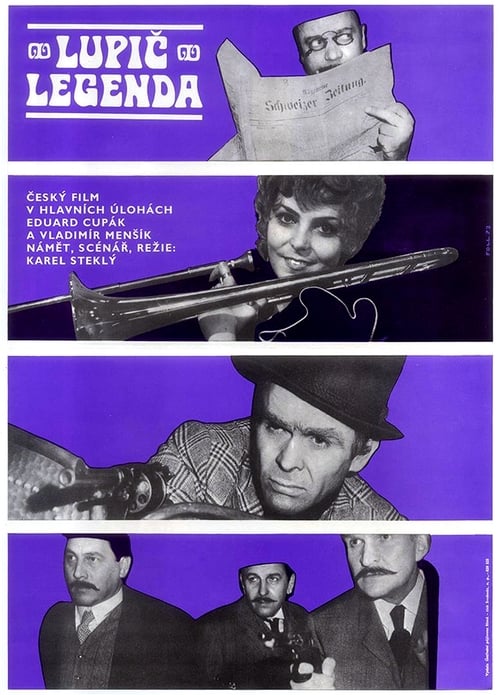
It is 1905. The police director gets Jindrich Legenda (Eduard Cupák) shadowed as, yet Legenda had served his sentence for a burglary, the jewels have not been found. Russian revolution encouraged also Czech workers to fight for their rights. Radical anarchists are followed by Legenda's friend Karel Wohryzek (Vladimír Mensík) who was forced to collaborate with the police as he was convicted of pornography distribution.