Yuli Raizman
Directing
Biography
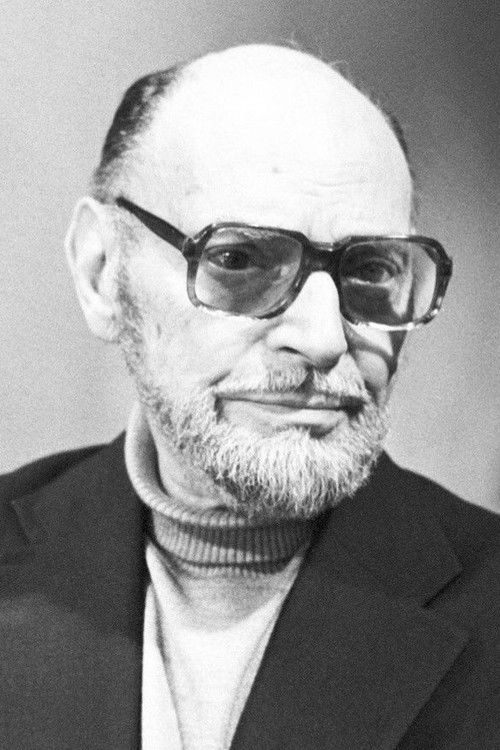
Yuli Yakovlevich Raizman (Russian: Юлий Яковлевич Райзман; December 15, 1903 – December 11, 1994) was a Soviet and Russian film director, screenwriter and pedagogue. People's Artist of the USSR (1964) and Hero of Socialist Labour (1973).
Known For

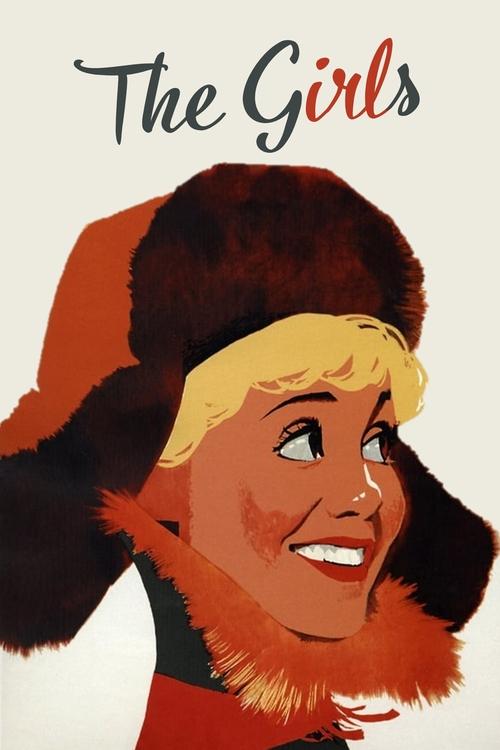
A graduate of the culinary technical school of the cook, Tosya Kislitsyna, a naive and eccentric girl, came to the village lost in the northern forests. She sticks her nose in all affairs, seeks to help everyone. She met Ilya on the day of arrival: the "first guy in the village" fell upon her indignantly, and in the evening, to brighten up an unpleasant meeting, she decided to "make happy" with an invitation to a dance and was refused. Not accustomed to refusals, Ilya argues with Filya that during the week he will fall in love with Tosya...
The Girls

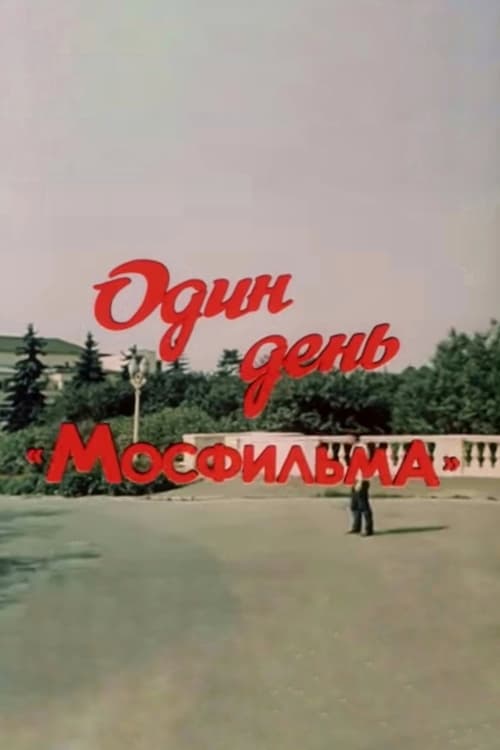
The film tells about the main stages of the history of the country's largest studio "Mosfilm", about the work of the creative team, introduces the viewer to the outstanding masters of Soviet cinematography, with such unique groups such as the Theater-Studio of Film Actors, with the workshops of the studio.
One Day of Mosfilm

With an international chess tournament in progress, a young man becomes completely obsessed with the game. His fiancée has no interest in it, and becomes frustrated and depressed by his neglect of her, but wherever she goes she finds that she cannot escape chess. On the brink of giving up, she meets the world champion, Capablanca himself, with interesting results.
Chess Fever

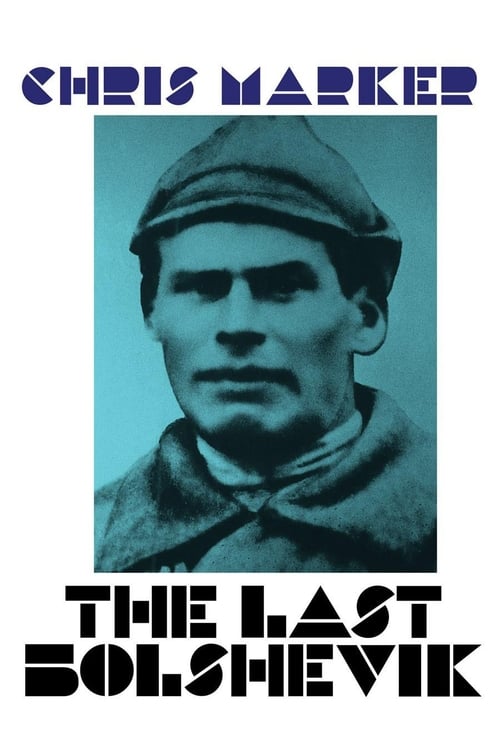
A documentary on Soviet filmmaker Aleksandr Medvedkin, examining his tumultuous career, the rediscovery of his masterpiece Happiness, and Russia's struggles over the course of the 20th Century.
The Last Bolshevik

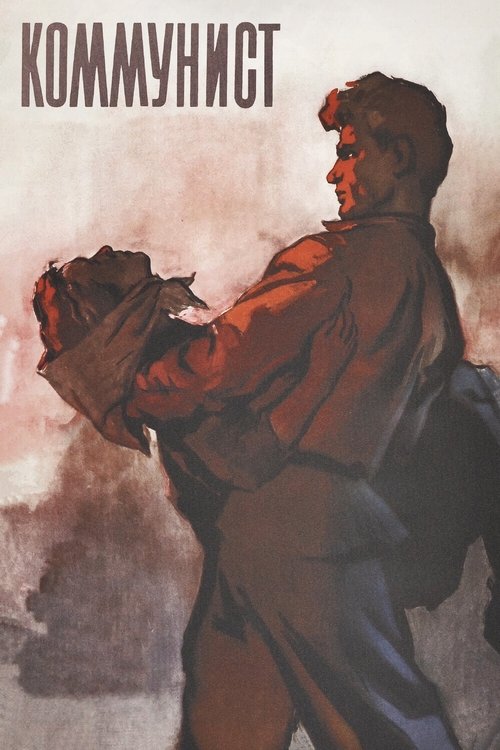
A young ordinary communist, Vasiliy Gubanov, was among many who took part in the construction of the most important facility for the young republic, the power plant. He did his job in a way that was beyond human ability. He could love, too, with a passion and a passion for self, but his life was cut short very early.
The Communist

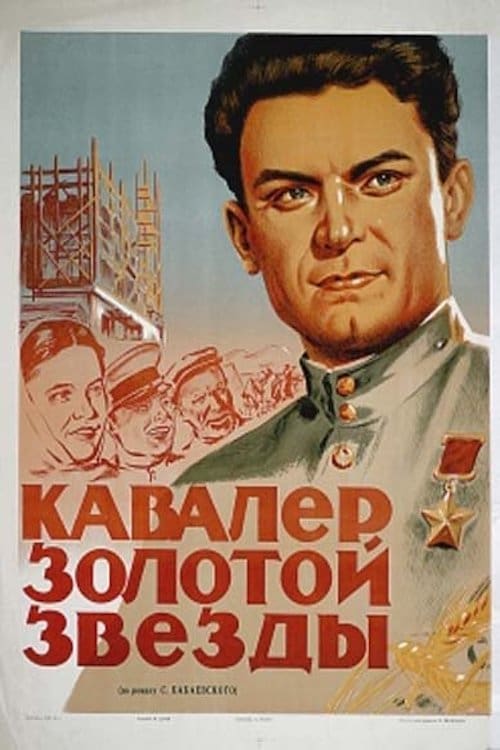
Soviet filmmaker Yuri Raisman once more combines political dogma with solid entertainment values in Dream of a Cossack (aka Cavalier of the Golden Star). The title character, played by future director Sergei Bondarchuk (and billed for obscure reasons as Semyon Bondarchuk), is an ex-soldier who returns home to the Kuban region, there to take up life as a farmer. Instead, he galvanizes the local citizenry into participating in a massive construction project, which will result in a new power station and canal. Thus does Raisman offer an prime example of Russian collectivism while making it seem as though it had sprung from individual initiative. Dream of a Cossack is based on a popular novel by S. Babayefsky.
Dream of a Cossack

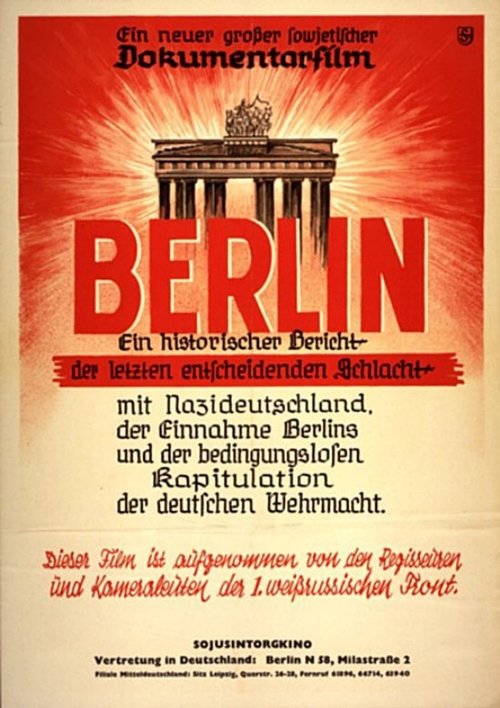
A Soviet documentary chronicling the final assault on Nazi Germany’s capital. More than forty frontline cameramen from the 1st Belorussian and 1st Ukrainian Fronts captured the battle and its aftermath, supplemented with seized German footage. The film records the destruction of Berlin and the symbolic collapse of Hitler’s regime, standing as both a historical chronicle and a work of Soviet wartime cinema.
The Fall of Berlin

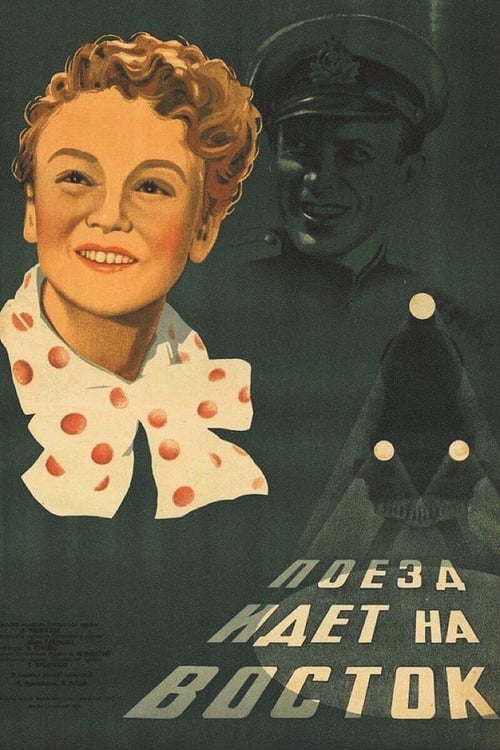
On the evening of May 9, 1945, when Moscow is noisily and cheerfully celebrating the Victory Day, a young girl agronomist Zina Sokolova and a sailor officer Lavrentyev meet in the compartment of the Moscow-Vladivostok train. The sailor takes the lively, direct character of the girl for windiness and frivolity. Sokolova also reacted frowningly and mockingly to the satellite. To get to know each other better, travelers are helped by nuisance: they are behind the train, and the rest of the way they are together, getting to know people and the life of the country along the way.
The Train Goes East

Svetlana Vasilievna is a young, energetic woman who often changes jobs, accustomed to achieving the goals that she has set for herself in life. Her next desire is to marry a "creative, intelligent" person. After a lengthy search, she chose an elderly, but well-mannered, intelligent official Vladimir Dmitrievich Lobanov. Svetlana believes that with the help of connections and sober calculation, you can achieve everything: well-being, respectability, even personal happiness. She does not notice that the fulfillment of her desires does not at all make the person close to her happy. The payback turns out to be unexpected and terrible.
Time of Desires

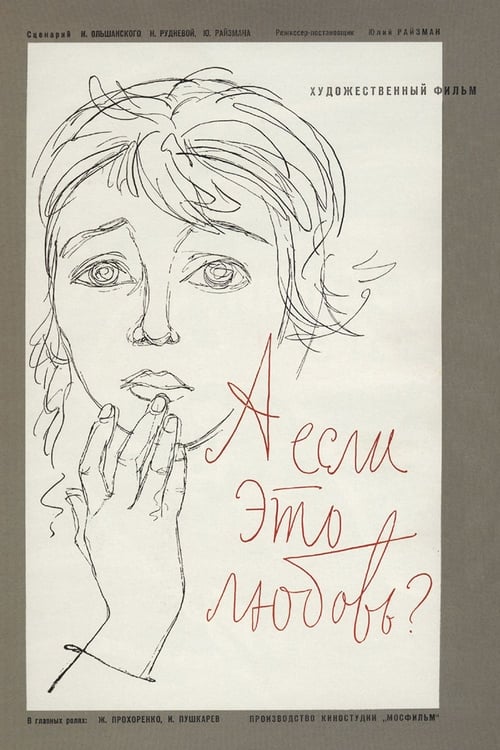
High school students Ksenya and Boris are in love but all the world is against them.
But What If This Is Love?

Vasily Gubanov, the son of the film “The Communist”’s hero, arrived in Moscow not on call or for a business trip. Instead, he came to raise the issue with government authorities about halting the construction of a chemical plant. Despite being the author of the project, which was in full swing, millions of state funds had been spent, and thousands of people’s lives were tied to its completion.
Your Contemporary

There was no Soviet actor who could claim a greater popularity than Raikin. He was allowed the impossible: to be a satirist. Even during the height of government approved Anti-Semitism, Raikin was a figure to be reckoned with. He was known and beloved by all, his razor-sharp wit admired - and feared. In fact, president Putin met his future wife at a Raikin show. The film follows Raikin to his shows, on stage, and backstage, during rehearsals, at rest, and during conversations with his friends, including legendary Soviet jazz singer Leonid Utesov, film director Yuli Raizman, the poet Bella Ahmadullina, and the American film director George Kukor.
Arkadiy Raykin

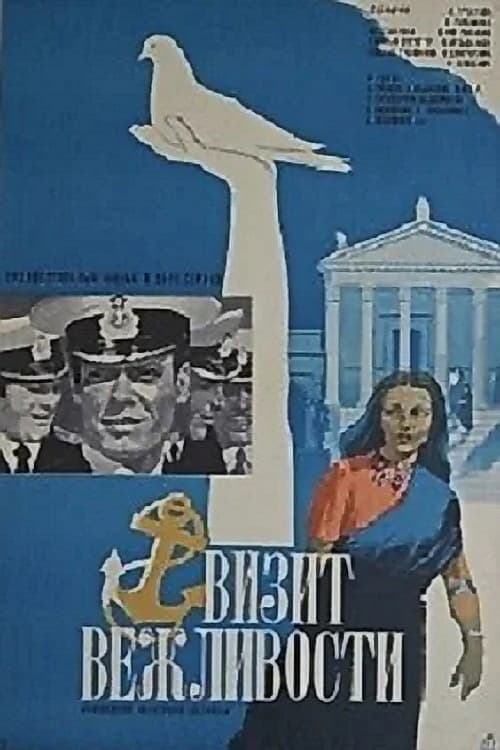
Four parallel stories: "Ship", "Port", "Pompeia" and "Theater" are connected with the fate of the captain of a training warship Andrei Glebov, who visited a foreign port city.
Courtesy Call

A rare documentary that shows how Soviet war propaganda presented the events of the Finnish front in 1941–1944. The main emphasis is on the resolution of the war. The film contains plenty of unique footage of the final stages of the Continuation War.
A Propos of the Truce with Finland

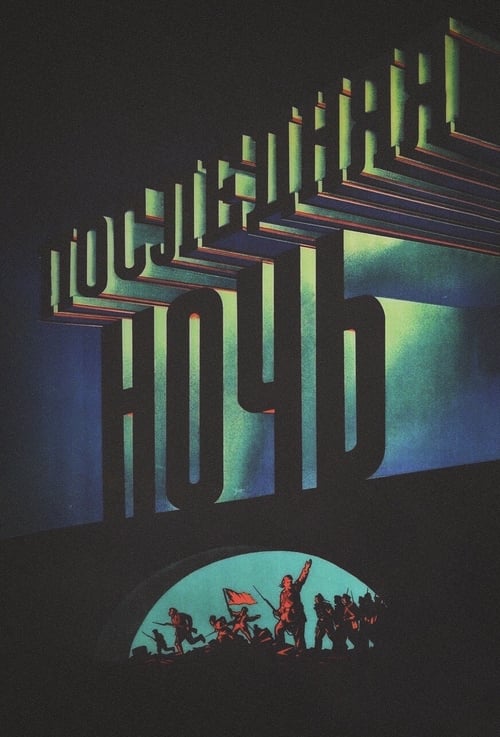
On one of the October nights at the ball, gymnasium pupils and officers scoff at the love of Kuzma Zakharkin, the “cook's son”, to Lena, the daughter of the manufacturer. Cannon volley interrupts the fun. In the city begins the Moscow armed uprising of workers. At the center of the fate of two families is the capitalist Leontyev and the worker Zakharkin, whose sons became the organizers and participants of this uprising.
The Last Night

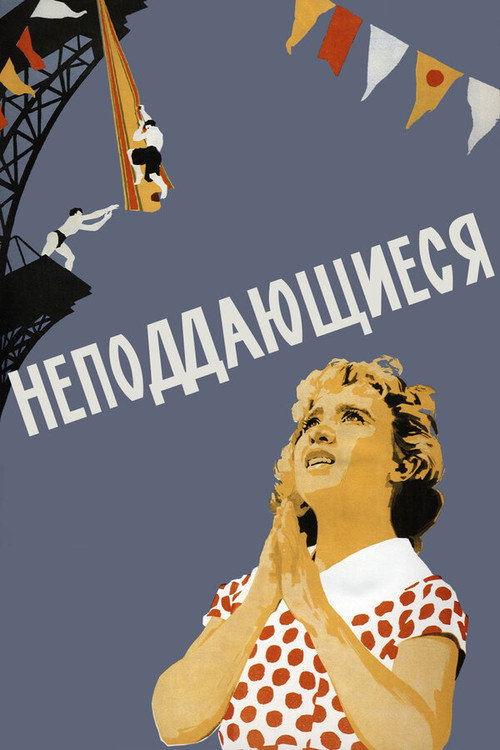
Two foolish and frivolous guys cause suffering for the whole youth union at the factory. It was already decided to dismiss Anatoly Grachkin and his friend Victor Gromoboev but they are taken under the wing by Nadia Berestova, a diminutive funny woman, known as the popular one at the plant. At first, Nadia took it with reluctance and apprehension, but gradually this commission became the most important thing in her life.
The Unamenables

About the Soviet actor of theater and cinema, Honored Artist of the RSFSR - Evgeny Yakovlevich Urbansky recalled Vasily Livanov, Polina Filippovna, Grigory Chukhrai, Grigory Elanchik, Yuli Reisman, Sophia Pavlova, Evgeny Leonov, Innokenty Smoktunovsky, Nina Drobysheva, Yuri Nagibin and others. Poet Yevgeny Yevtushenko reads poems dedicated to Yevgeny Urbansky. The film also features fragments of movies with his participation.
Evgeniy Urbanskiy

“The Magic Beam” is a film essay woven together from newsreels and documentary material from different decades, fragments of hundreds of non-fiction and fiction Soviet films of the 1910s-1960s.
The Magic Beam

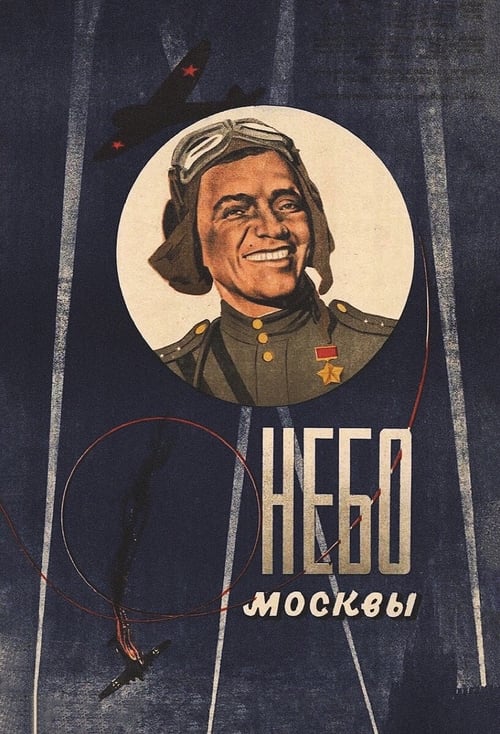
Based on the play of the same name by Georgi Mdivani. In September 1941, lieutenant Ilya Streltsov, who graduated from the flight school, was assigned to the fighter aviation regiment guarding the sky of Moscow. He meets in part the nurse Zoya, with whom he grew up in the same yard and with whom he has long been in love. During the first training flight on the "Seagull", lieutenant Streltsov shot down a German plane and received the nickname "Lucky." Streltsov is jealous of the squadron commander to nurse Zoya, believes that he is finding fault with him. For a whole month he is not allowed to fly sorties. In October 1941, lieutenant Streltsov made his first sortie, he shot down one plane and rams the second. For this battle, he is awarded the title Hero of the Soviet Union.
Moscow Skies

Based on the novel of the same name by Mikhail Sholokhov. About how collectivization was carried out on the Don in sharp contradictions, difficult and tense.