
Konstantin Simonov
Writing
Biography
Konstantin Mikhailovich Simonov, born Kirill (Russian: Константин Михайлович Симонов, 28 November [O.S. 15 November] 1915 – 28 August 1979), was a Soviet author and a war poet. He was a playwright and a wartime correspondent, most famous for his poem Wait for Me.
Known For

No description available.
When Idols Were Gone
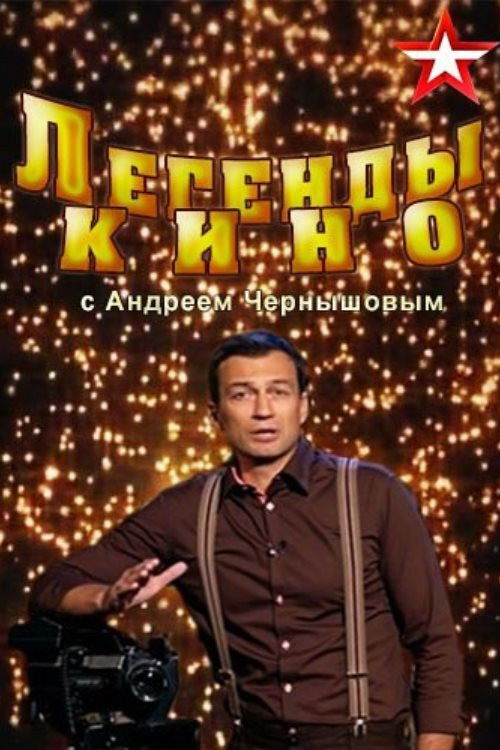
No description available.
Legends of Cinema
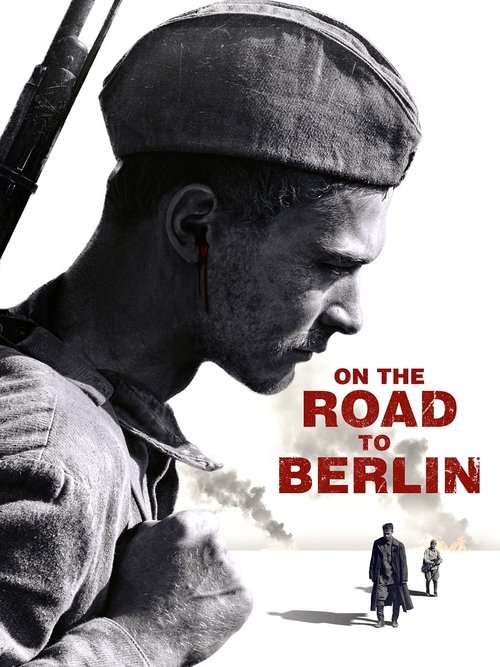
Based on a novella by the well-known Soviet writer, Emmanuil Kazakevich "Two in the Steppe" and the war diaries of Konstantin Simonov. It's the summer of 1942, communications officer Ogarkov and private Dzhurabaev are fighting their way through the German encirclement. Finding themselves in difficult situations, they learn to trust one another, becoming true friends in the process.
Road to Berlin
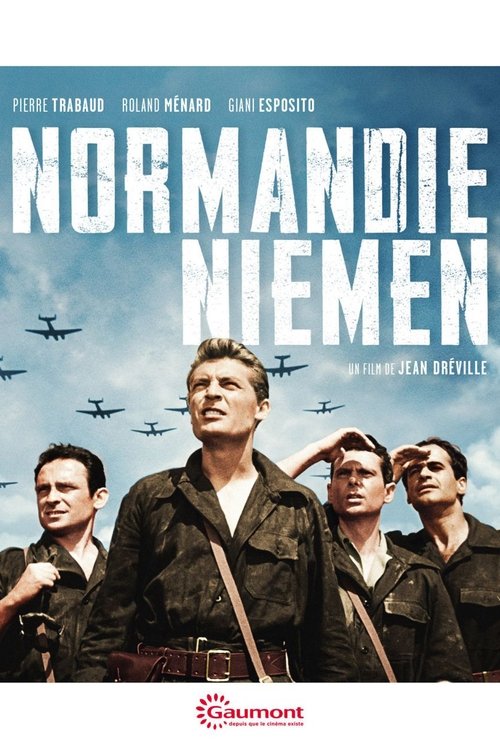
A certain number of French fighter pilots who will not accept the Second Armistice at Compiègne nor Vichy's orders decide to join the USSR. Once they have reached Moscow they resume training and form a squadron they call "Normandie". Reinforced in 1944, the squadron wins many victories. Following the acts of valor displayed by its pilots during the Battle of the Nieman River, it becomes the "Normandie-Niemen" squadron for the rest of times...
Normandy - Neman
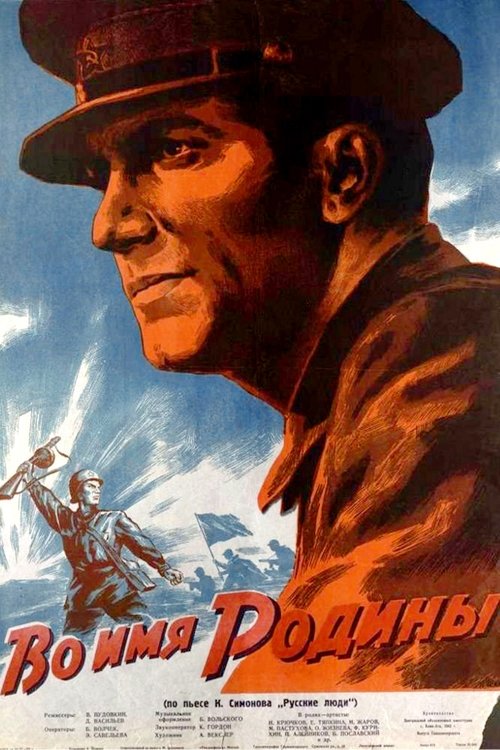
The film deals with a Russian battalion under siege by the Germans during the Second World War.
In the Name of the Motherland
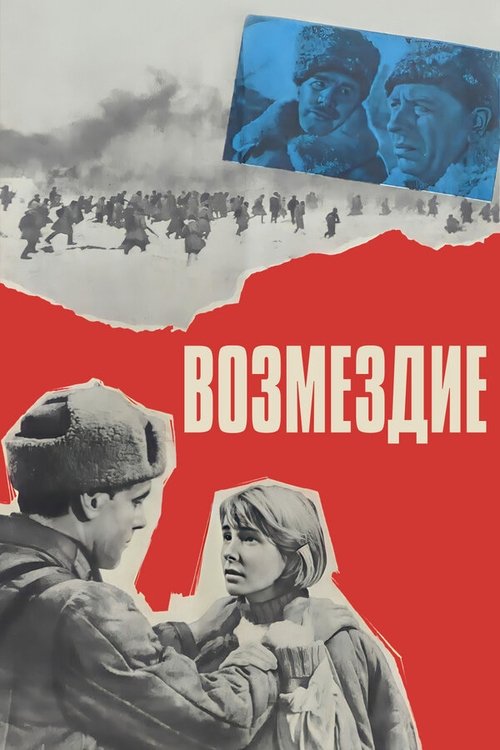
The continuation of a story started by Alexander Stolper epic movie "The Alive and the Dead".
Retribution
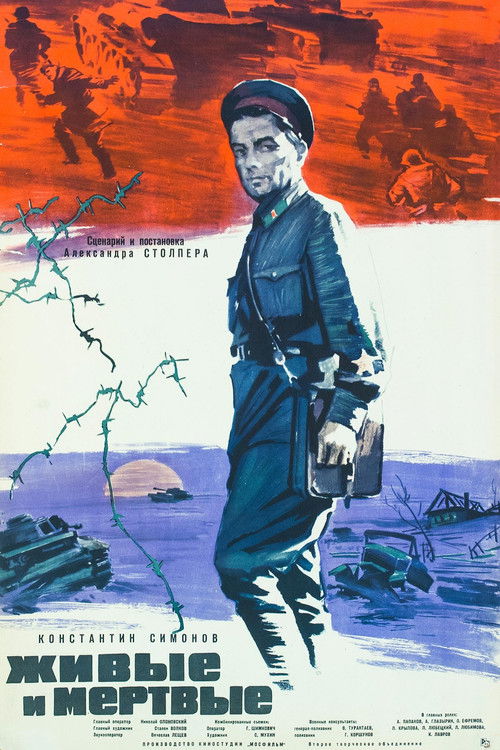
A Russian war correspondent is drafted into the war and finds himself in the middle of battle. When he loses his party card, however, he is treated as a deserter until he finds help from a kind man. This Soviet war feature was considerably outspoken for the time as it addressed issues such as anti-Stalinism, Siberia and the inhumanity of war. Adapting his screenplay from a book by Constantin Simonov, Alexandre Stolper was responsible for writing as well as directing.
The Alive and the Dead
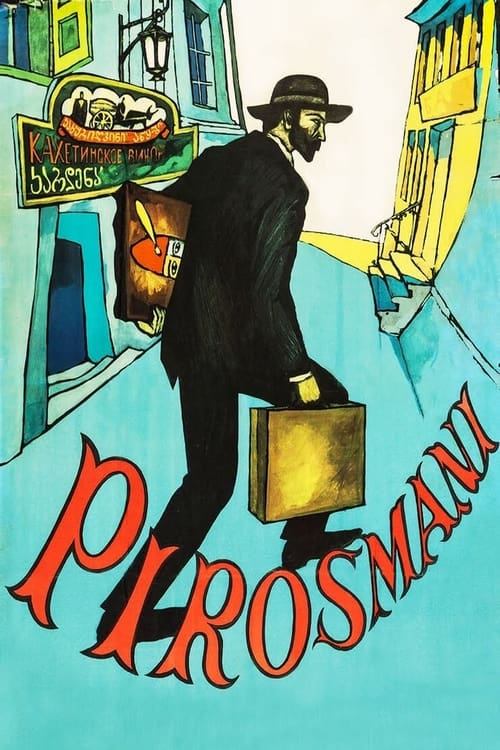
A biography of the Georgian primitive artist Nikoloz Pirosmanishvili (1862–1918), better known as Pirosmani, who died of starvation and sold his paintings to bars and restaurants for food and drink. The film experiments with color control techniques based on the painter’s style.
Pirosmani

War correspondent Lopatin takes a 20-day-leave from his hard work at the front in 1942. He travels to faraway Tashkent to meet the family of the killed soldier and visit the film set of the screen adaptation of his war-time stories. Lopatin also manages to walk the streets of Tashkent, take part in a factory workers' meeting and have a short-lived love affair. Although with no bombings and fighting, the city dwellers breathe the atmosphere of the ongoing war.
Twenty Days Without War
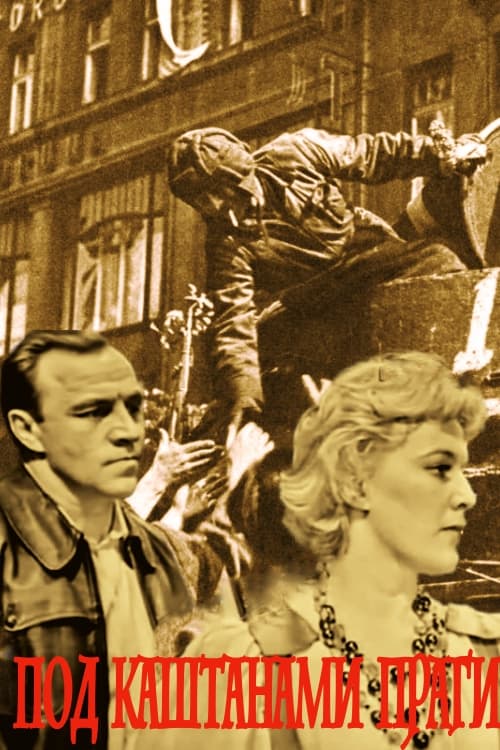
The last days of the Second World War in Prague.
Under the Chestnut Trees of Prague
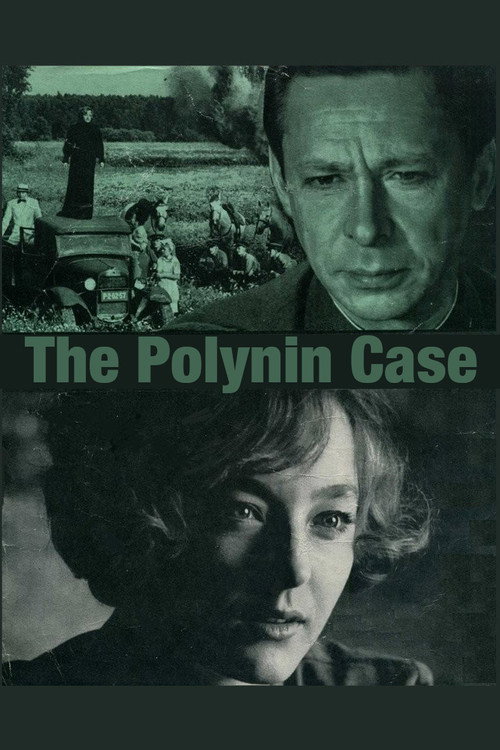
A story about a love between a Soviet Army officer and an actress set during the WWII.
The Polynin Case

American journalist gets a sensational material but is afraid to publish it...
The Fourth
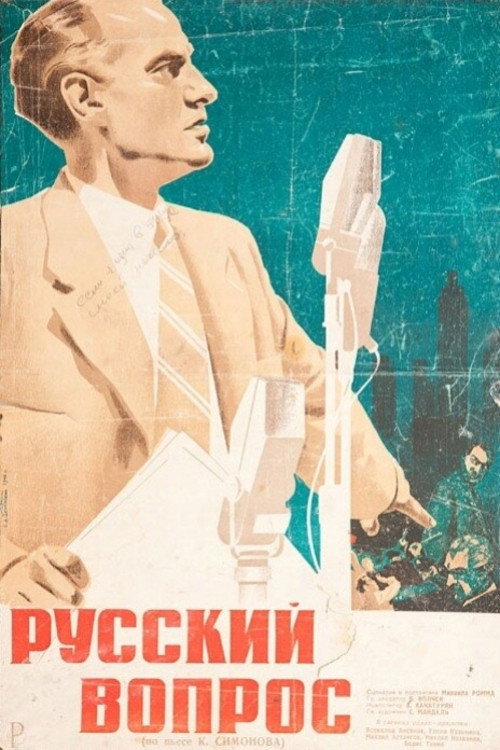
The film is based on the play by K. Simonov. It is the story of an American journalist who spends time in Russia and sees socialism in action. Upon his return to the U.S., a prestigious editor asks him to write a book about his experience. He receives a handsome advance for the project and he and his fiancée are able to buy a house, a car, and other symbols of the American dream. But the editor’s generosity comes with a caveat: the book must present a negative picture of Soviet society. Will he simply keep the money and do what is expected of him, or will he instead tell the truth?
The Russian Question
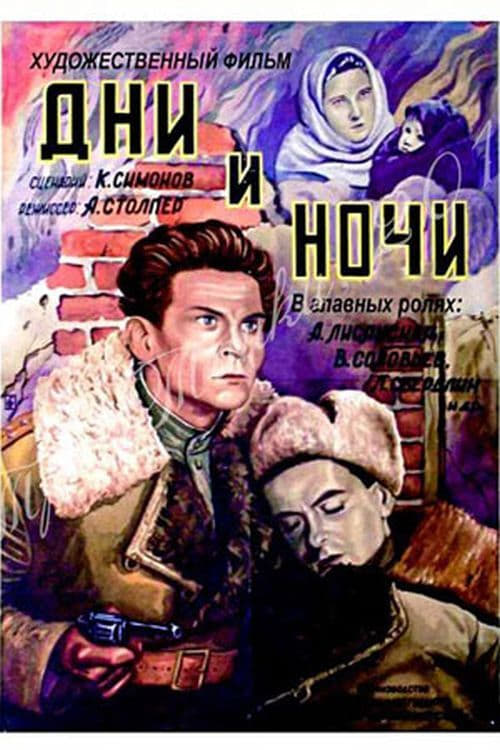
This literary adaptation was the first Soviet feature length dramatization, as opposed to documentary film, on the momentous Battle of Stalingrad.
Days and Nights

A story of true love set during the WWII.
Wait for Me

The Immortal Garrison is set in June of 1941, at the outset of the Nazi invasion of Russia. A group of Soviet servicemen, languidly biding their time at the Brest fortress on the Polish border, are suddenly galvanized into action. All desires to return home to their wives and sweethearts are swept aside as the courageous garrison unites to thwart a common enemy. The siege of Brest has served as story material for countless Russian films: in lieu of contradictory evidence, Immortal Garrison must be adjudged the best of these films. For its American release, Immortal Garrison was double-featured with another Soviet production, The Mexican.
The Immortal Garrison
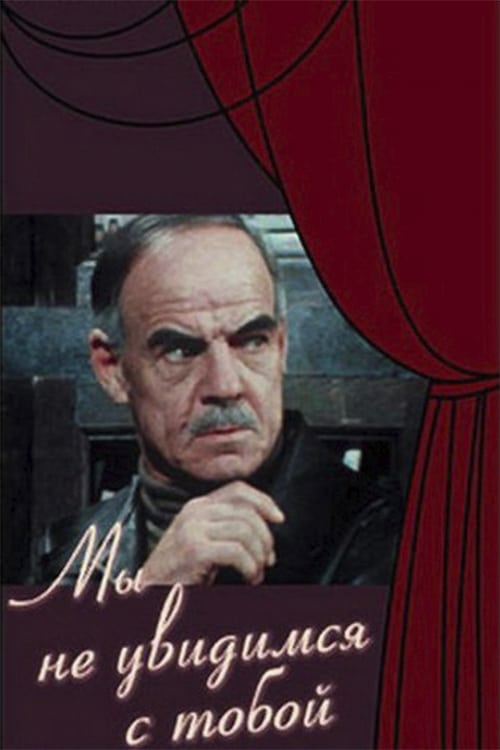
Journalist Lopatin always remembers those with whom his roads of war brought him together. Memories of them are an integral part of Lopatin’s thoughts about duty, honor, courage, and camaraderie.
We Will Not See You
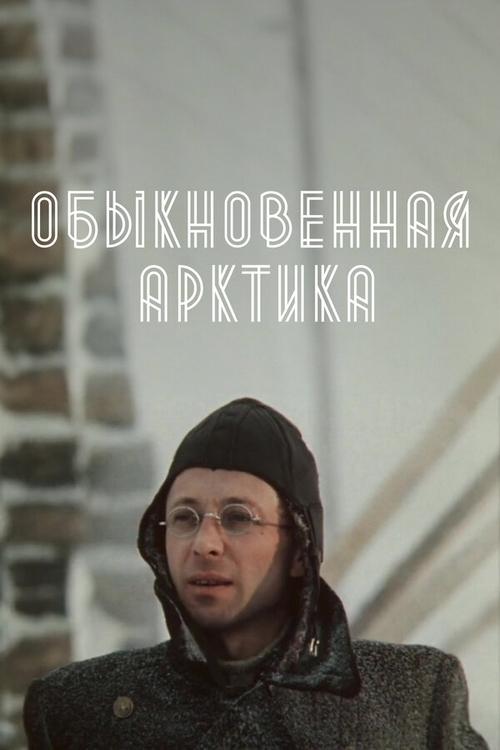
The plot is based on stories by B. Gorbachev: "The Trial of Stepan Grokhot," "Birth on Cucumber Land," "The Merchant Labas," and "The Great Flood." The main circumstance of the plot is five days of blizzard that began immediately after the arrival of a new boss at the Arctic construction site. The time of the action is 1935. A new manager arrives at a construction site that is in a state of crisis.
The Ordinary Arctic
Armenians living in Chicago decide to leave the capitalist United States and emigrate to Soviet Armenia after World War II. Unfinished movie.
The Second Caravan
No description available.