Acting
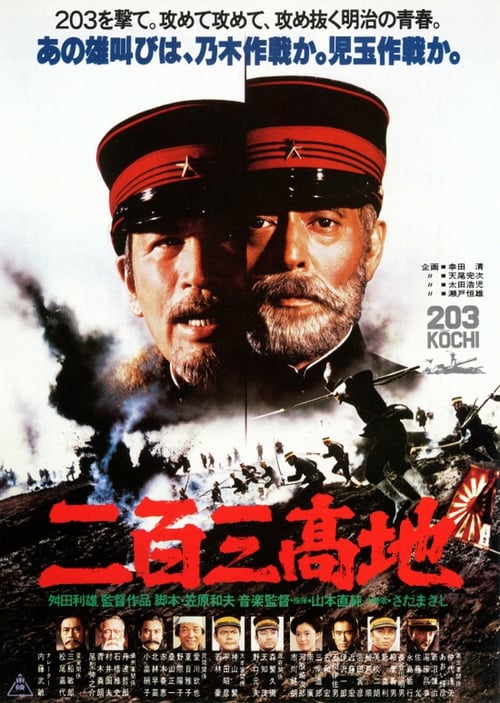
Depicts the bloody siege of the fortress of Port Arthur, one of the most strongly fortified positions in the world, during the Russo-Japanese War of (1904 - 1905). In the story dominated the character Lt Takeshi Kogyo (Teruhiko Aoi), teachers, and a reserve officer who became commander of the platoon and later company. At the same time monitors the conduct of the army commander general Nogi (Tatsuya Nakadai), which was commissioned of the emperor Matsuhito (Toshirô Mifune) to the conquest of the fort.
A woman named Chieko Kuwano is hired as an assistant manager at a large corporate office in Japan. She’s smart, sexy, and willing to do almost anything for her sex-starved new boss but, since he’s married, his deviant behavior makes her uncomfortable. Fed up with the boss and his perverted ways, the ladies in the building band together to enact their own special kind of revenge… that is, after they have a lesbian three-way slumber party, of course!
Taking its title from an archaic Japanese word meaning "ghost story," this anthology adapts four folk tales. A penniless samurai marries for money with tragic results. A man stranded in a blizzard is saved by Yuki the Snow Maiden, but his rescue comes at a cost. Blind musician Hoichi is forced to perform for an audience of ghosts. An author relates the story of a samurai who sees another warrior's reflection in his teacup.
No description available.
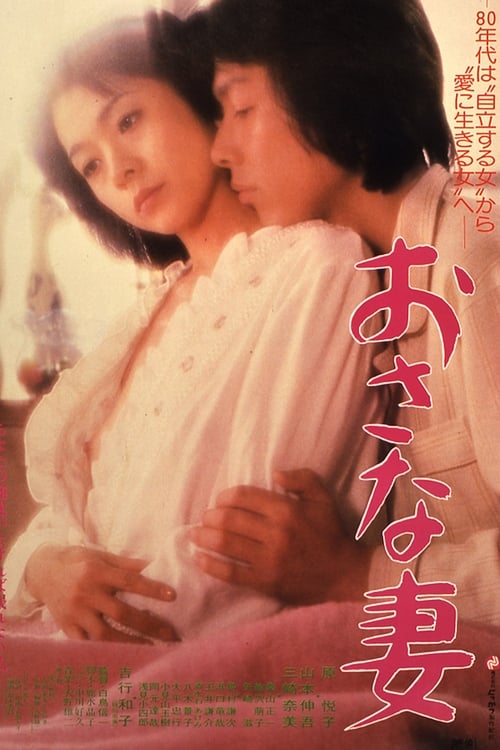
A newlywed wife suffers the consequences for her husband’s actions when he cheats a customer at his credit company out of a large sum of money.
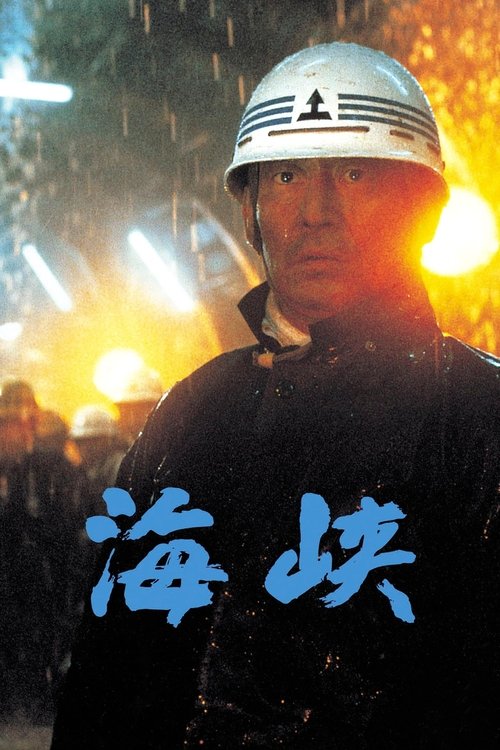
After a passenger ship sinks in 1954, Go Akutsu devises a life-saving project in the form of a tunnel under the Tsugaru Strait. While working on this project Akutsu becomes involved with Tae Makimura leading to his estrangement from his wife.
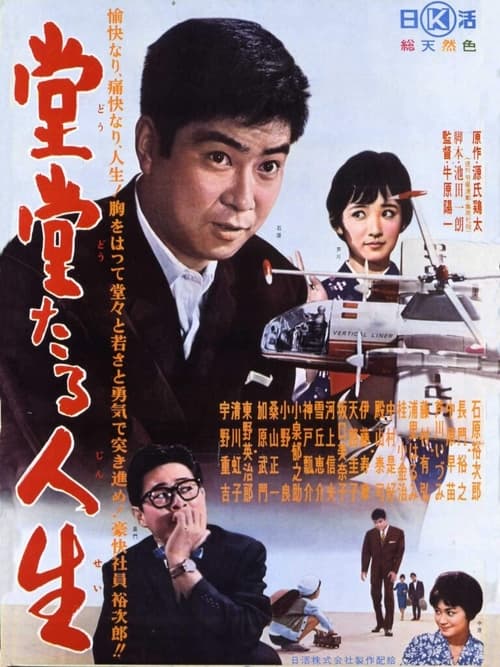
Depicts the checkered story of a businessman working for a toy company in financial trouble, who overcomes hardships to win a major victory.
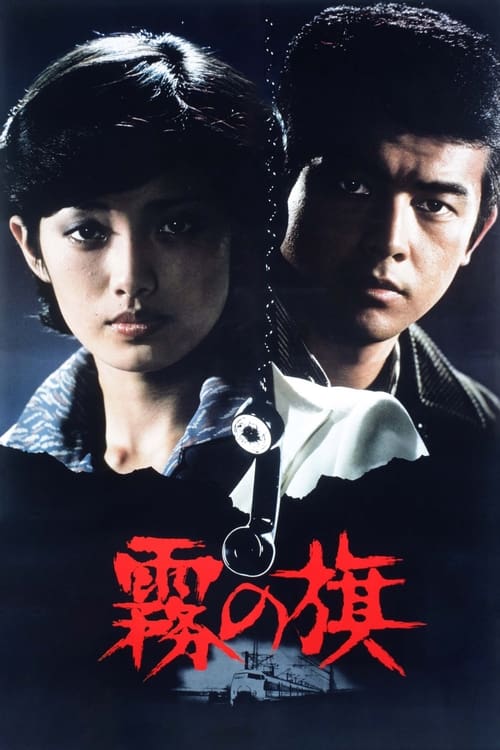
Masao is falsely accused and jailed for the murder of a loanshark to whom he owed a lot of money. His sister Kiriko makes the long trip to Tokyo, specifically to accost Otsuka, Japan's top criminal defence lawyer, and plead with him to take her brother's case. They live in Kitakyushu which, though a city, she contends that the local lawyers are not up to the job. Otsuka contemptuously brushes her off. A year passes. Masao has suicided in jail, his appeal having failed due to the lack of interest and competence of the local defence lawyer. Kiriko returns to Tokyo, planning revenge on Otsuka for refusing the case and causing her brother's death.
One day, Yumiko, an office worker, is called in by the managing director. Having been holding in her urge to urinate, she is ordered by the managing director to relieve herself in front of him, and embarrassed, she urinates into a vase. Later, when section chief Suzuki invites Yumiko on a drive, he takes her virginity that same day, awakening her to the pleasures of sex.
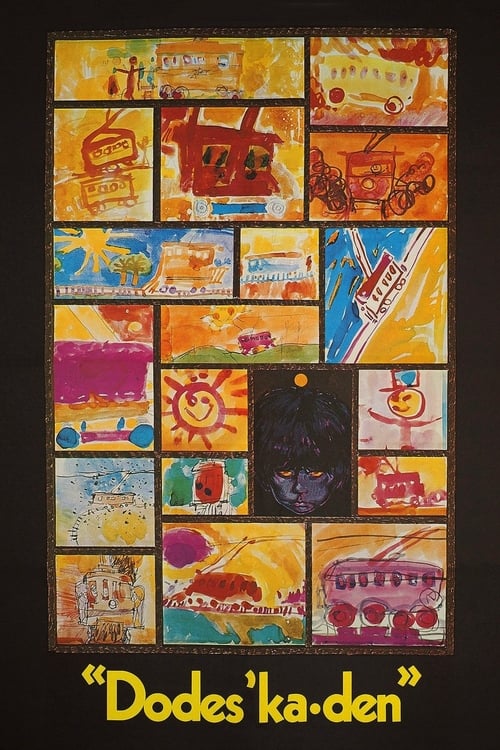
On a Tokyo dump’s shantytown edge, interwoven vignettes follow residents scraping by: a boy who “drives” an imaginary trolley, a homeless father and son designing a dream house, a young woman brutalized at home, drunks, schemers, and saints of small kindnesses. Kurosawa crafts a ragged mosaic of hardship, fantasy, and flickers of grace that keep people moving forward.
Utae and Aiko attend an all-girl private school where the devoutly religious principal seems to be raping some of the students, including Utae.
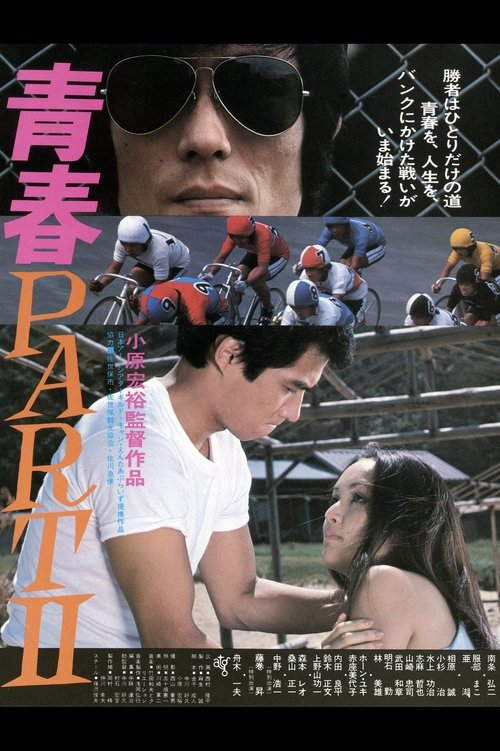
Isamu, a star athlete in high school, becomes a race cyclist. He wins his debut races, but soon his opponents see through his lack of strategy and beat him easily. Isamu's maths teacher, a race cycling freak, says he knows the solution to Isamu's problem. But will Isamu listen to him?
Mr. Harry, who suffers from a "peanut sized" penis complex, comes to Japan to undergo a genital transplant operation, the first of its kind in the world. The operation is a success but Harry soon is involved into a shady plot related to his organ donor.
A truck driver is reunited with friends from his youth in a seedy bar and gets drawn into a web of crime.
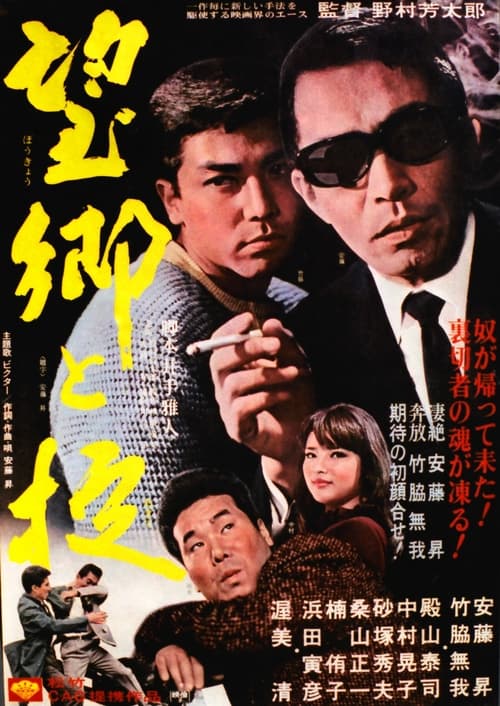
Shochiku's popular series of gang films, this one has the hero returning from prison bent on revenge. He runs into Chinese hoodlums, blackmailers and gold-smugglers. But he also aids and abets young lovers yet, despite his help, their love ends in tragedy and he tracks down his prey in Kobe.
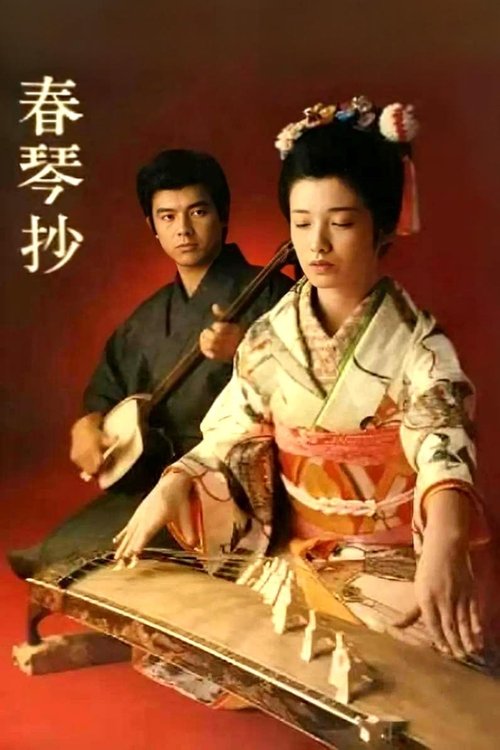
Okoto is blind since childhood. Her young servant Sasuke is in love of her. One day Koto is badly scarred on her face. In order to preserve the memory of her once beautiful face, Sasuke takes away his own sight.
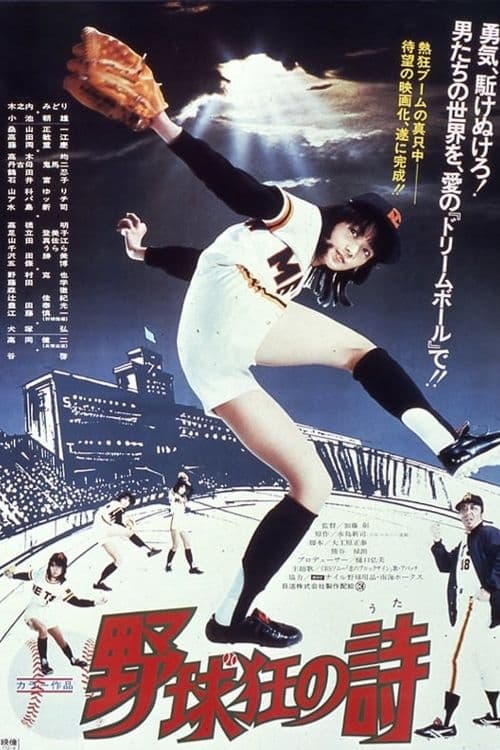
Live-action adaptation of Shinji Mizushima's manga.
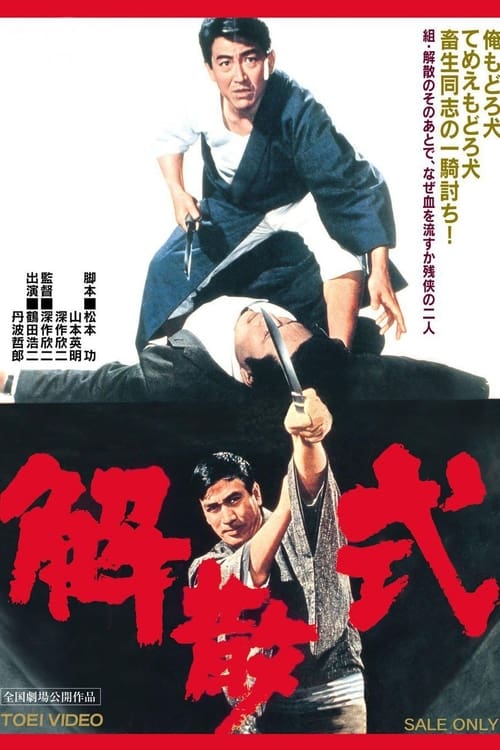
Sawaki is released from prison after serving eight years for murdering a rival gang leader in order to obtain the land rights to a landfill for the Kotaki clan and he discovers that the world has changed significantly in that time. The police have forced the disbanding of all yakuza groups in and around Tokyo and most of the former yakuza have moved on to legitimate jobs. Sawaki is disgusted that his yakuza brothers have abandoned their codes of honor and are abusing their newfound power in the legitimate business world to exploit the poor. Sawaki feels partly responsible for making them so powerful and enabling their corruption, so he decides to follow his traditional code of honor to save the residents of a small town where his former lover lives.
1977 Japanese film directed by Tengo Yamada.
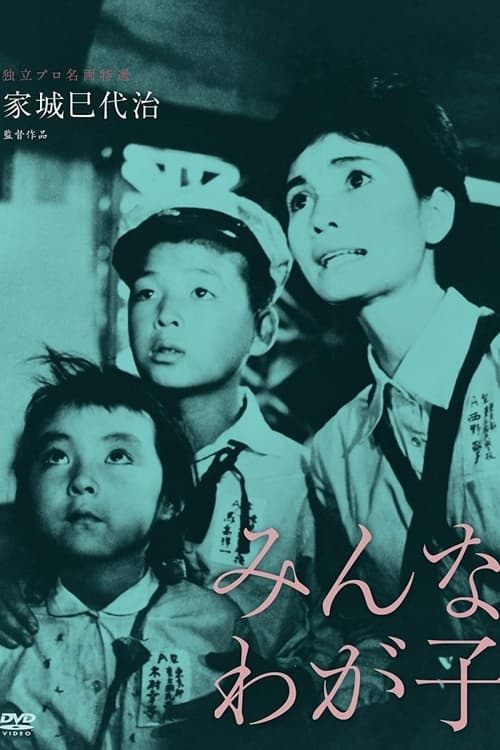
School teachers responsible for the lives of their students work to evacuate Allied bombings near the end of WWII.