FEEL IT.STREAM
Sachiko Hidari

Sachiko Hidari

Acting

Biography

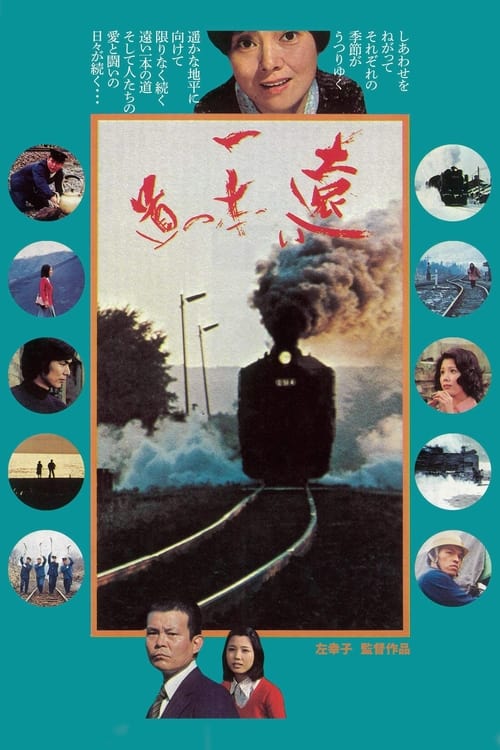
​From Wikipedia, the free encyclopedia.   Sachiko Hidari (左 幸子, Hidari Sachiko, 29 June 1930 – 7 November 2001) was a Japanese film actress. She appeared in 42 films between 1952 and 1995. At the 14th Berlin International Film Festival she won the Silver Bear for Best Actress for her roles in Kanojo to kare and The Insect Woman. In 1977, she directed and starred in the film The Far Road, which was entered into the 28th Berlin International Film Festival. Description above from the Wikipedia article Sachiko Hidari,  licensed under CC-BY-SA, full list of contributors on Wikipedia.
Known For

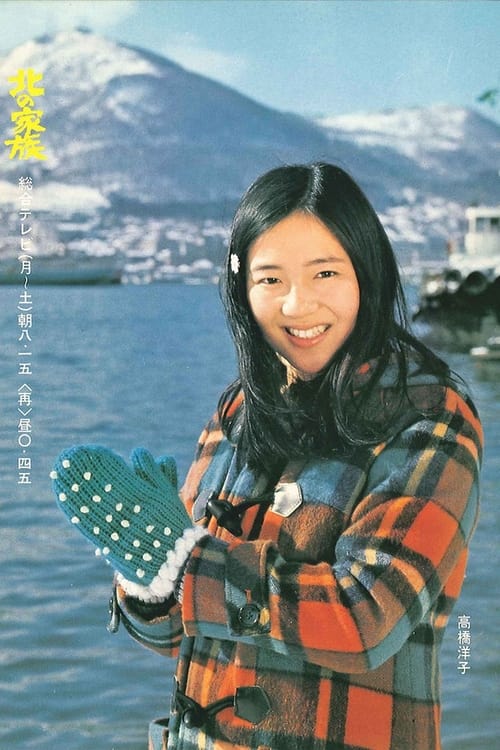
Kita no kazoku
N/A

The 13th NHK Asadora. Starring Youko Takahashi in a story about a brother and sister coming of age in Hakodate and Kanazawa.

Kita no kazoku

1973
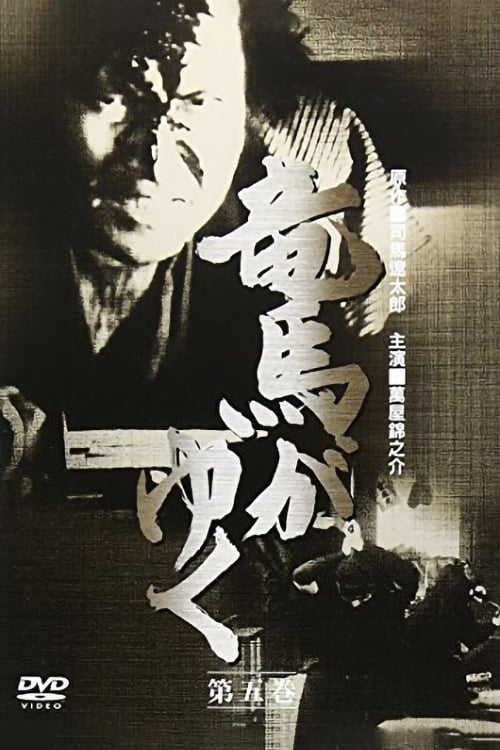
Ryoma ga Yuku
N/A

The chronicles of Sakamoto Ryoma, a pre-revolutionary who helped shape the face of modern Japan. In order to study swordsmanship, Ryoma heads for Edo where he meets many people who influence his thinking. He becomes close friends with men like Katsu Kaishu and Saigo Takamori and later establishes a naval training school in Kobe. Ryoma's controversial political views make him a target for shogunate assassins but his fervent belief in a classless society helps forge the Choshu-Satsuma alliance which ultimately brings about the Meiji Restoration.

Ryoma ga Yuku

1968
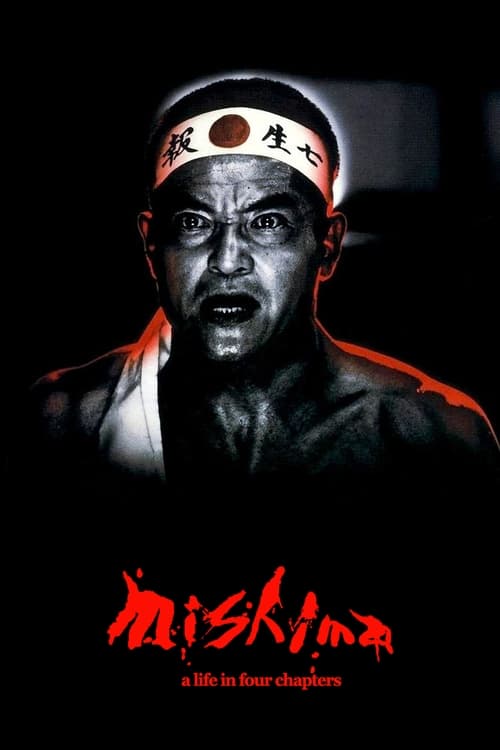
Mishima: A Life in Four Chapters
7.8

A fictional account of the life of Japanese author Yukio Mishima, combining dramatizations of three of his novels and a depiction of the events of November 25th, 1970.

Mishima: A Life in Four Chapters

1985
The Insect Woman
7.2

A woman, Tome, is born to a lower class family in Japan in 1918. The title refers to an insect, repeating its mistakes, as in an infinite circle. Imamura, with this metaphor, introduces the life of Tome, who keeps trying to change her poor life.

The Insect Woman

1963
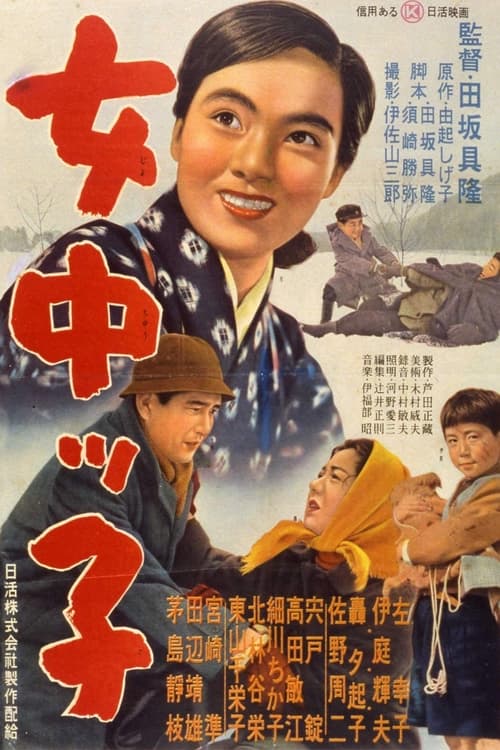
The Song of the Cart
6.9

A lifetime story of a woman who stubbornly lives in a poor mountain village in post-war Japan.

The Song of the Cart

1959
The Scarlet Camellia
5.2

A young woman begins murdering all those responsible for her ailing father's condition. Because the girl is so outwardly sweet and innocent, the detective looking into the deaths does not suspect her.

The Scarlet Camellia

1964
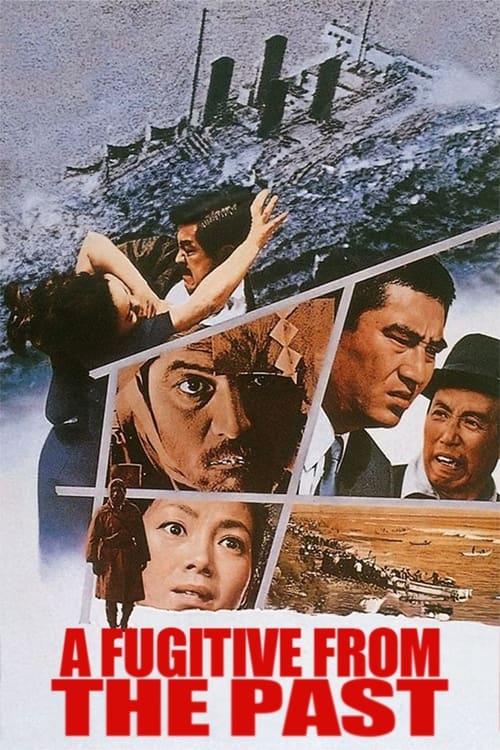
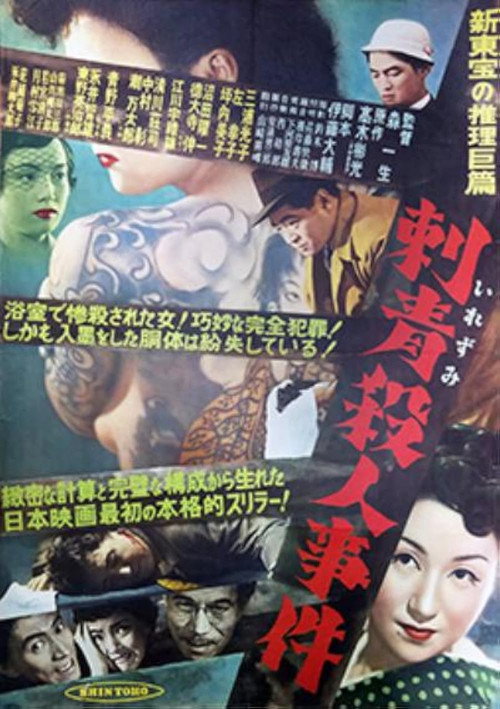
A Fugitive from the Past
7.3

Three robbers escape with loot from a heist before one of them kills the others. Their corpses wash up near the aftermath of a maritime calamity, provoking a policeman's interest.

A Fugitive from the Past

1965
A Sun-Tribe Myth from the Bakumatsu Era
7.0

Saheji, a man-about-town, gets stuck at a high-class brothel when he can’t pay the bill. He makes the best of his situation by performing various tasks amidst the tumult of the end of the shogunate—but always by making sure to get a “commission” for his troubles.

A Sun-Tribe Myth from the Bakumatsu Era

1957
Under the Flag of the Rising Sun
7.5

A war widow determined to clear the name of her disgraced husband, who was court-martialed for desertion and executed. Official records have been destroyed, and the ministry that distributes benefits continues to deny her a pension. Twenty-six years after the war, she seeks out four survivors of her husband's garrison. Each tells a dramatically different story about her husband's conduct, but she is determined to learn the truth.

Under the Flag of the Rising Sun

1972
A Billionaire
6.8

An ethical, young tax collector new to his area encounters increasingly absurd individuals and groups coping with their post-war woes.

A Billionaire

1954
犯罪心理分析官
N/A

No description available.

犯罪心理分析官

1994
Escape from Hell
6.8

This suspense drama set in the mid 1700's depicts the plan of the Tokugawa rulers to send a number of homeless men to a remote island Sado to perform forced labor. Living conditions on the island are terrible and the men soon become rebellious. Based on a short story by Seichō Matsumoto.

Escape from Hell

1963
Darkness at Noon
6.9

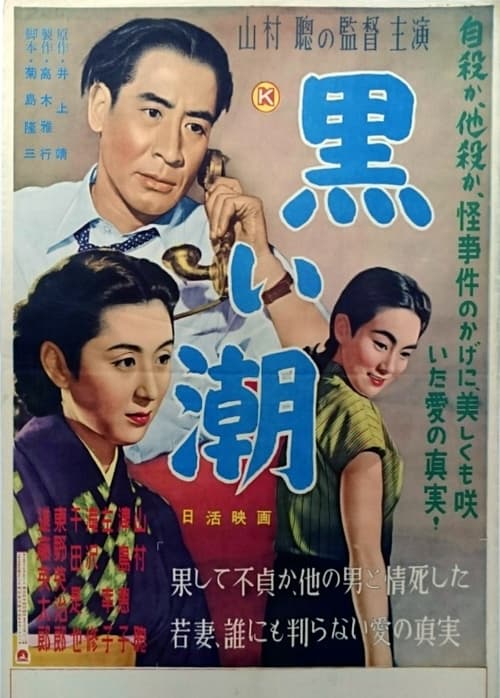
Police beat a murder confession out of four innocent men who are then sentenced to death. Based on a true story.

Darkness at Noon

1956
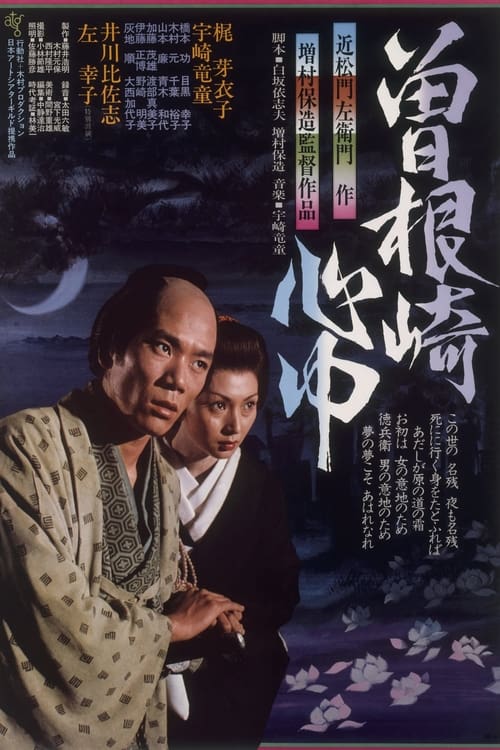
Double Suicide of Sonezaki
6.3

Suicide has long been used as a form of social protest in Japan. In this film, set in 1703, samurai culture is being transformed by the emergence of a new merchant class. Elements of the social contract are beginning to unravel, and some unscrupulous people took undue advantage of these changes before the social order was re-created. In this story, a rich merchant gives his clerk an I.O.U. instead of wages. When the impoverished clerk presents the paper to the merchant at the agreed upon time asking for payment, the man flies into a rage and pretends he never wrote it and claims the clerk is trying to defraud him. Then he sets his henchmen on the clerk to administer a beating.

Double Suicide of Sonezaki

1978
The Balloon
6.3

Haruki Murakami is a successful family man and the head of a camera company. Unbeknownst to Murakami, his arrogant son oscillates between a mistress and a new lover who sings at a nightclub. When Murakami’s daughter befriends the mistress, the affair throws the family into turmoil.

The Balloon

1956
At the Side of the Bridge 3
N/A

No description available.

At the Side of the Bridge 3

1963
At the Side of the Bridge 4
N/A

No description available.

At the Side of the Bridge 4

1963
This Madding Crowd
7.0

No description available.

This Madding Crowd

1962
A Woman's Testament
6.4

The first story concerns an attractive young woman who works in a Tokyo nightclub. Her plan for a solid financial future has a double whammy. In the second story, a beautiful young woman is employed by an unscrupulous real estate agent to convince male clients to invest in worthless property. The last story is about a widowed geisha who has no real financial worries and who falls in love with a forger.

A Woman's Testament

1960
The Cast-Off
8.0

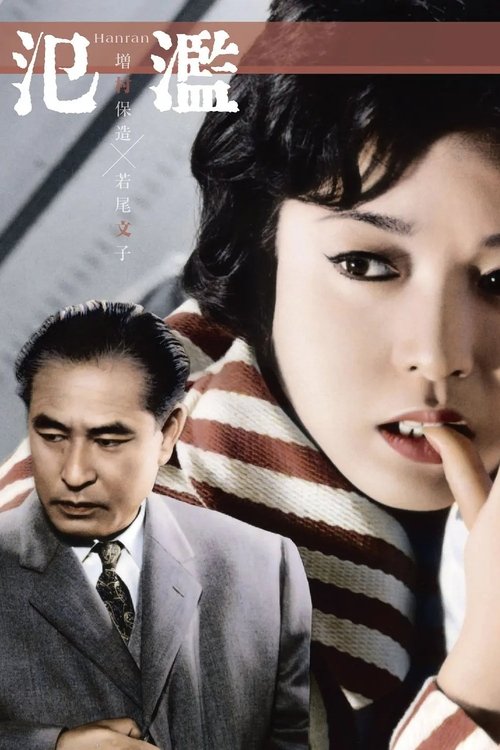
The inventor of a ground-breaking glue, Sanada, becomes rich thanks to his discovery a high executive in his company. Because of this promotion, his world is changing completely : his wife behaves like never before, considering she's now rich and has the right to do whatever she wants, even having an affair. (Also occasionally known in English as “Overflow”)

The Cast-Off

1959