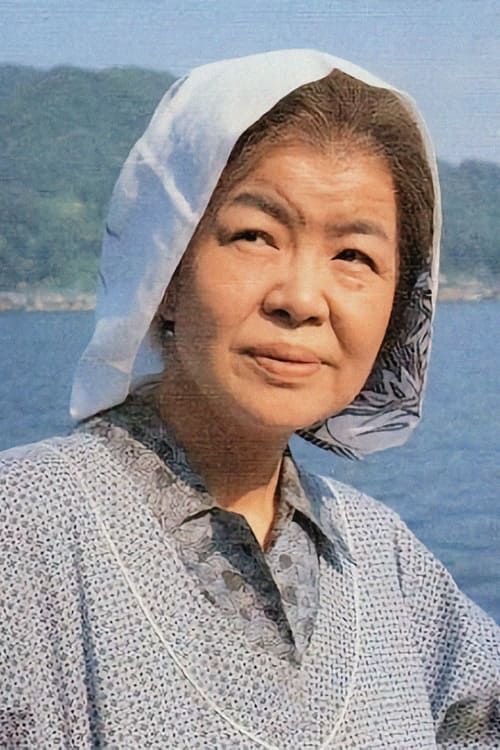
Tokuko Sugiyama
Acting
Biography
Tokuko Sugiyama (杉山 とく子), also known by her birth name and former stage name Tokuko Sugiyama (杉山 徳子), was a Japanese actress born on August 16, 1926, in Tokyo. She is renowned for her notable roles in the film "The Town with a View of the Capsule" (キューポラのある街) and the TV dramas "Otoko wa Tsurai yo" (男はつらいよ) and "Wataru Seken wa Oni Bakari Series" (渡る世間は鬼ばかりシリーズ). After completing her education at Jissen Women's Academy Second High School, Sugiyama initially worked as a nursery school teacher and in Chiba Newspaper's advertising department. Her journey into the entertainment industry began when she applied to Toho's New Face audition and later joined the Bungakuza theater company in 1946. Following two years of training, she became a part of the Haiyūza theater company in 1948 and marked her stage debut with "Tooku e no Hitsuji Goya" (遠くへの羊飼い) the same year. Sugiyama's film debut occurred in 1949 with "Shiratori wa Kanashikarazu ya" (白鳥は悲しからずや). She played significant supporting roles throughout her career. Notably, in the TV drama "Otoko wa Tsurai yo," she portrayed Tora-san's sister, Tsune, and featured in various roles in the film series. From 1990 onward, she portrayed Hanako Noda, the mother-in-law of the main character, in the TV drama "Wataru Seken wa Oni Bakari." Even at the age of 66 in 1992, she continued her acting career from a nursing home in Saitama Prefecture. Sugiyama retired from the entertainment industry in 2005, with her final appearance in the 7th series of "Wataru Seken wa Oni Bakari." She passed away on August 28, 2014, at the age of 88 due to liver cancer. Throughout her career, Sugiyama often collaborated with Kunio Yamazaki, Aiko Nagayama, and Akiko Matsuda. She was a recurring cast member in films directed by Yoji Yamada. (Translated from Wikipedia Japan "杉山とく子")
Known For
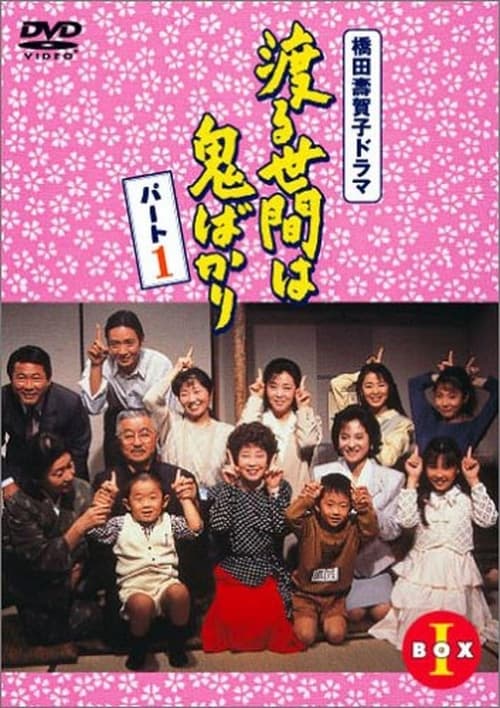
A family drama series that follows the lives of the Okakura family, focusing on the parents and their five daughters. It explores personal struggles, and societal issues through the interactions and conflicts among the family members.
Making It Through
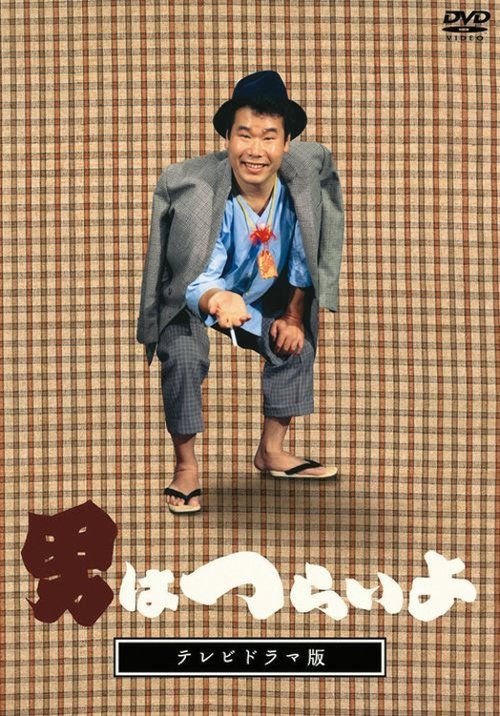
The original TV Drama series the famous Tora film series was based on.
It's Tough Being a Man
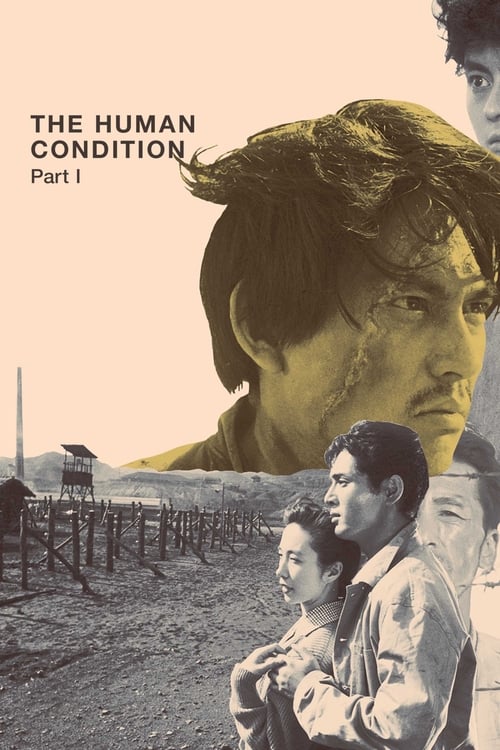
After handing in a report on the treatment of Chinese colonial labor, Kaji is offered the post of labour chief at a large mining operation in Manchuria, which also grants him exemption from military service. He accepts and moves with his newlywed wife Michiko, but when he tries to put his ideas of more humane treatment into practice, he finds himself at odds with scheming officials, cruel foremen, and the military police.
The Human Condition I: No Greater Love
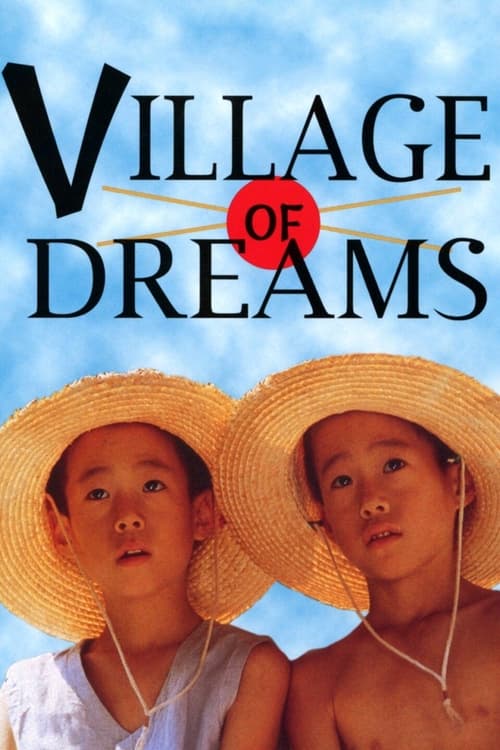
Tells of the childhood of two nine-year-old twins in a rural village in Japan after World War 2. Includes the boys relationships with their schoolteacher mother, civil servant father, elderly landlord, a rough new boy at the school, and three mysterious spirits in the form of old women.
Village of Dreams

A sensuous movie based on a literary work. Hitomi Kuroki stars as the film’s heroine.
Metamorphosis
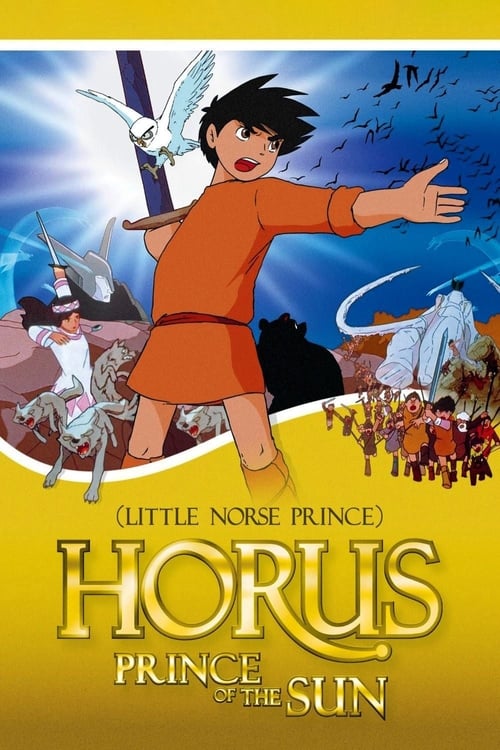
Young Horus lives in a mythical Scandinavia of the Iron Age. Recovering the stolen Sword of the Sun from a rock giant, he learns he must travel to the lands of his ancestors, encountering the beautiful but enigmatic Hilda as his journey leads to a series of adventures.
Horus: Prince of the Sun
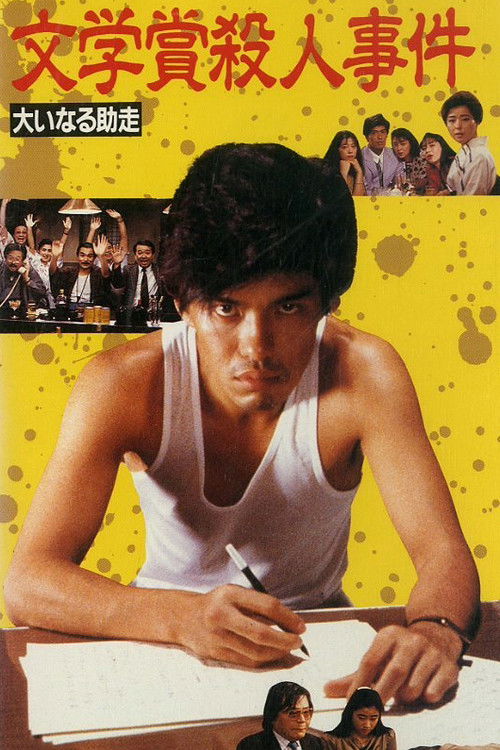
A young doujinshi writer doesn't win the literary prize award, and ends up killing the selection committee.
Bungakusho Satsujin Jiken: Oinaru Jyoso
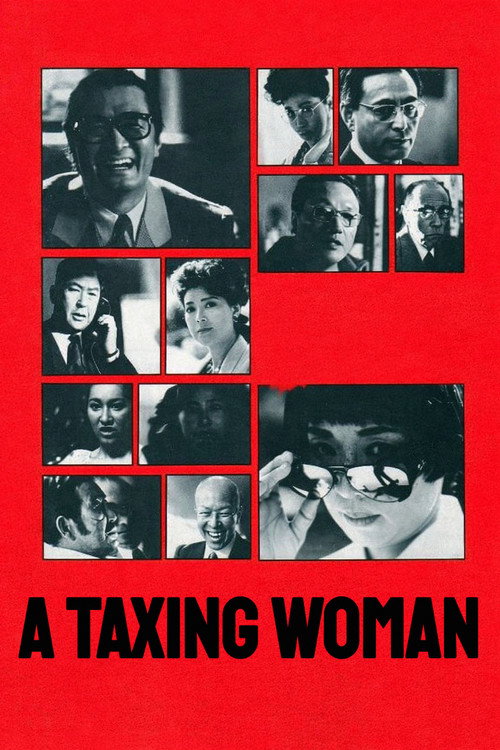
Intrepid tax investigator Ryoko Itakura sets her sights on the mysterious and philandering Hideki Gondo, a suspected millionaire and proprietor of a thriving chain of seedy hourly hotels, who has for years succeeded at hiding the true extent of his assets from the Japanese authorities. Itakura and Gondo soon find themselves engaged in a complicated, satirical battle of wits.
A Taxing Woman
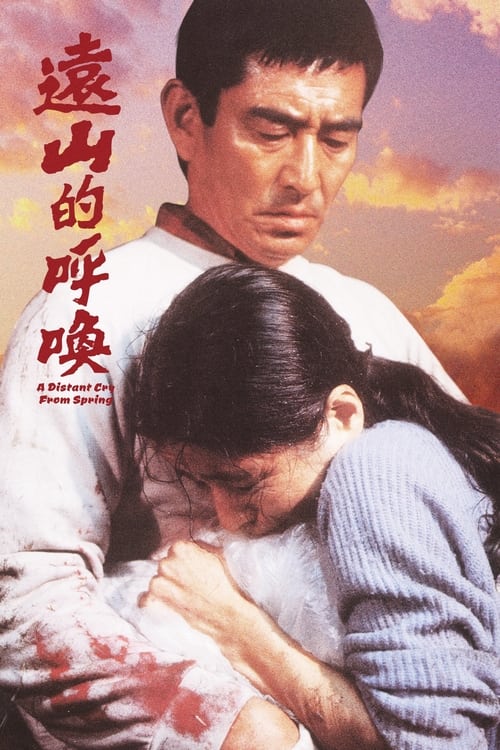
The quiet life of a mother and her young son living on a farm in Hokkaido is changed by the arrival of a man who ignites flames of romance in the heart of the mother and shows her boy the importance of grit and kindness, but then he leaves with the autumn wind.
A Distant Cry from Spring
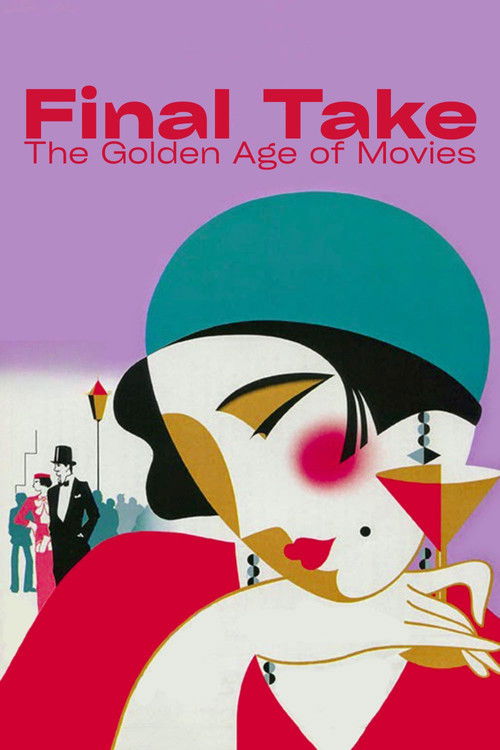
Director Ogata discovers a new female star in Koharu Tanaka, who works selling candy at a studio theater and she is given a part as a bit player. After the studio's top leading lady is embroiled in a scandal, Koharu is suddenly thrust into the limelight when she replaces her in a film and gains instant fame and fortune. But the going is not always easy, and she soon seeks help from unexpected quarters.
Final Take: The Golden Age of Movies
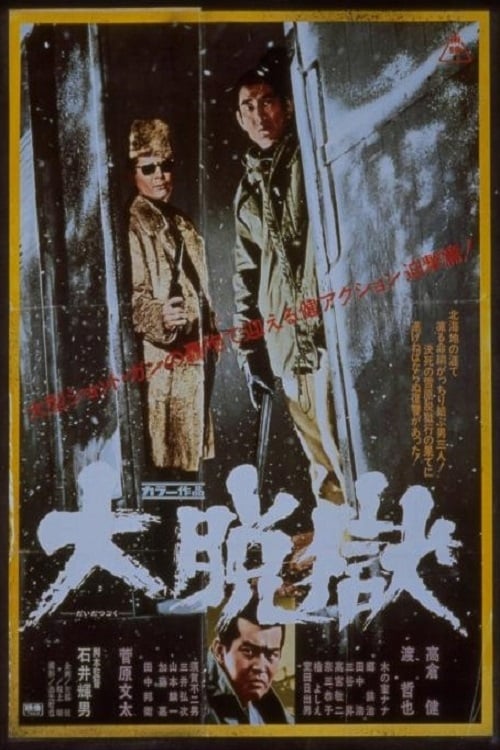
A group of prisoners attempts to break the Abashiri prison. This film can be considered a sequel to the Abashiri Bangaichi series, written and directed by Ishii Teruo. The friendship between two men on death row, a fleeting love affair with a traveling dancer and a deadly battle with the real culprit who has hunted him down filmed over a long period of time on location in Hokkaido.
Great Jailbreak

Nayoko, a good-hearted geisha, brings luck to the men she sleeps with, even though most are scoundrels who don’t deserve it.
Tales of a Golden Geisha
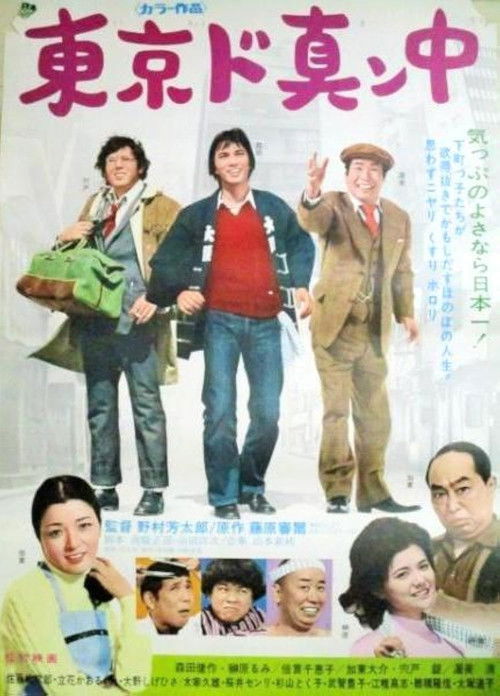
Set in the downtown area in the heart of Tokyo, this film depicts the lives of poor but kind-hearted people.
Center of Tokyo

A young queen requests a bouquet of snowdrop flowers for New Year's Day in exchange for a reward. One greedy woman sends her stepdaughter, whom she does not like, to look for the flowers in a cold forest, knowing the task will be impossible for her. The girl almost freezes to death in the forest, but she is rescued by the spirits of the Twelve Months, who create spring around her. The girl is able to deliver the bouquet to the queen, but others want a share of the reward.
Twelve Months
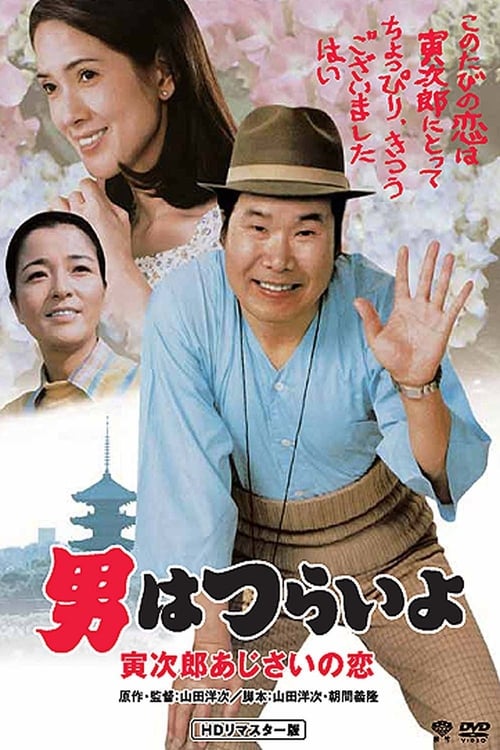
During his travels, Tora-san gets drunk with an old man in Kyoto. Though Tora-san never fully comprehends his importance, the old man is a Living National Treasure ceramist. At his home, Tora-san makes a good impression on the old man's maid, who apparently falls in love with Tora-san.
Hearts and Flowers for Tora-san
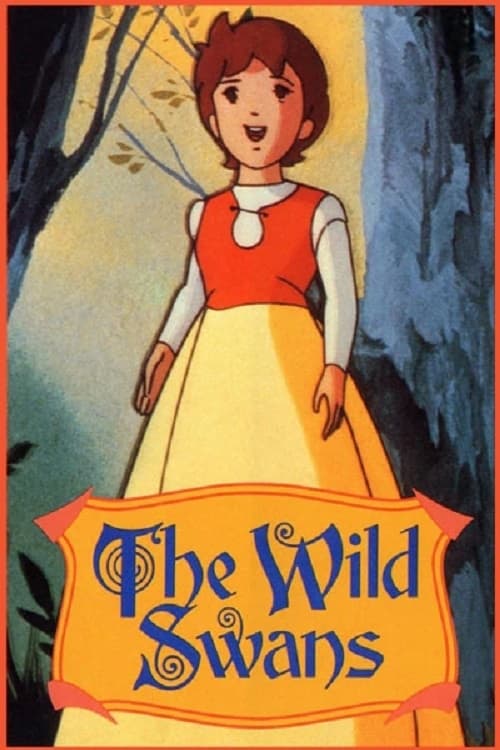
A young girl must spend six years making sweatshirts out of poison ivy in order to save her six brothers which have been turned into swans by an evil sorceress.
The Wild Swans

Set in Kawaguchi in the early 60s, this simple story chronicles the lives of foundry families and one girl's dreams of higher education.
Foundry Town
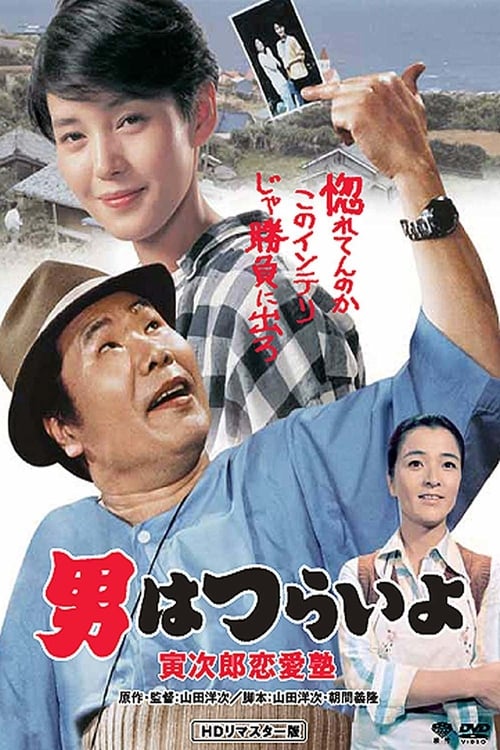
In Nagasaki, Tora-san and an acquaintance help an old woman who has fallen and injured herself. She invites them to her home where the three share a night of eating and drinking. The old woman's health deteriorates and she dies. At her funeral, Tora-san falls in love with the old woman's daughter, but winds up acting as a go-between for her and a young law student.
Tora-san, the Go-Between
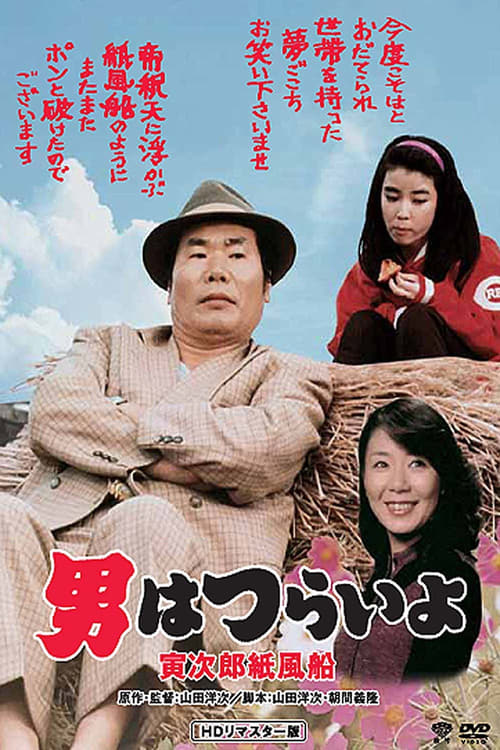
Tora-san returns to his family's home to attend an elementary school class reunion. After he embarrasses himself by getting drunk and insulting all his ex-classmates, he resumes his travels. In Kyushu he meets an outspoken 18-year-old girl who becomes enamored of Tora-san and follows him around. One of Tora-san's old friends is terminally ill and makes Tora-san promise him to marry his wife once he is gone.
Tora-san's Promise
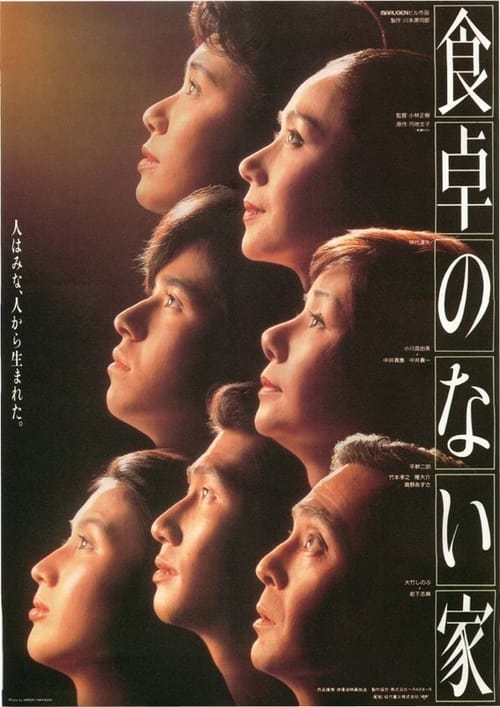
One year after the Kidojis' eldest son Otohiko was arrested for his part in a terrorist kidnapping, which resulted in multiple deaths, all the other perpetrators' parents have either resigned from their professional positions or taken their own lives, Nobuyuki Kidoji remains adamant that he is not responsible for his son's actions.