Acting
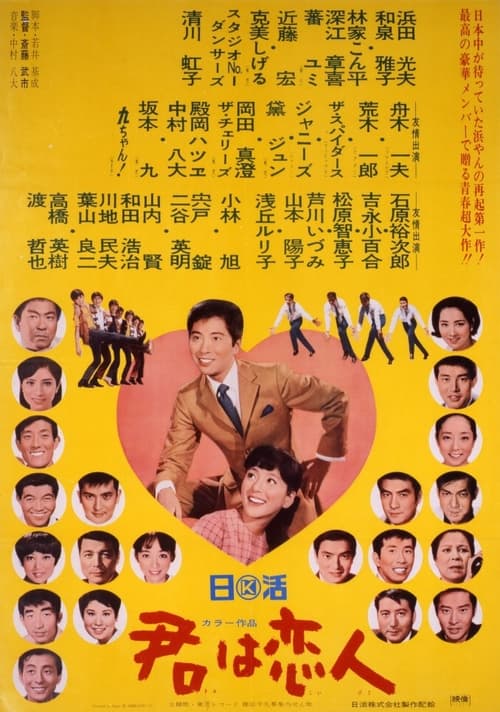
It had been a year and four months since Mitsuo was last on a movie set. Welcomed back by director Ishizaki and his film crew, Mitsuo is excited to star as the lead in "My Sweetheart". One day, half way through production, he meets his friends from a popular rock group, "The Spiders". Through their discussion regarding the climax scene, they criticize that the script is too grim. In a notion to protect their friend's career, they decide to pay the scriptwriter a little visit.
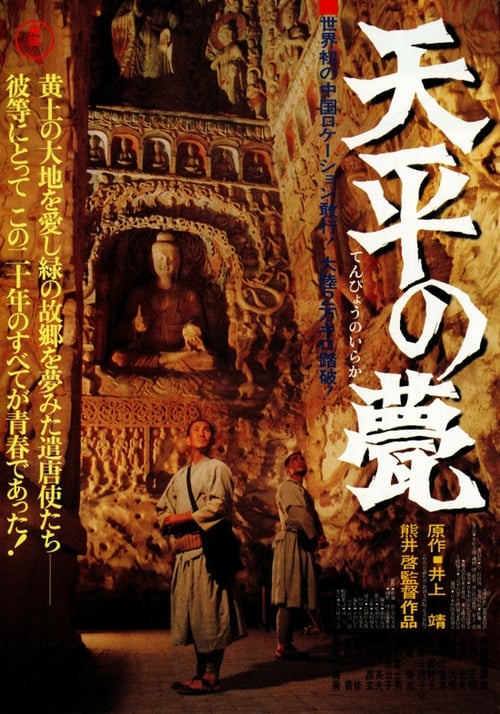
Set in Japan's Tenpyou era (729-749 CE), four young monks are sent to China to study Buddhism and bring a high priest back to Japan with them. The film tells the tale of the four monks' youth and the life and times of the high priest Ganjin.
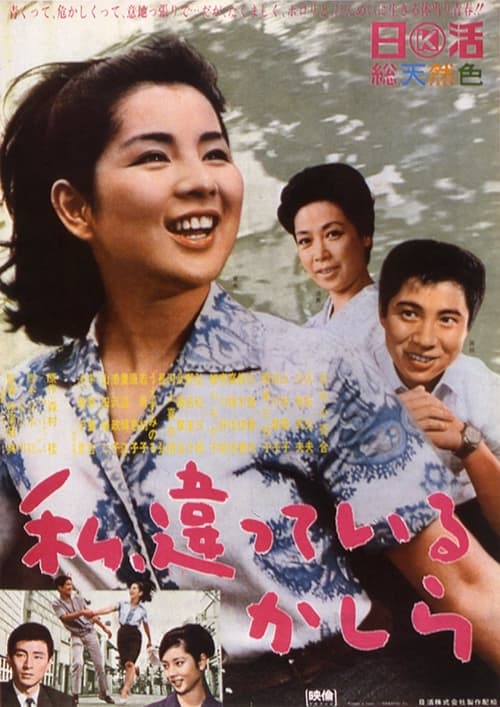
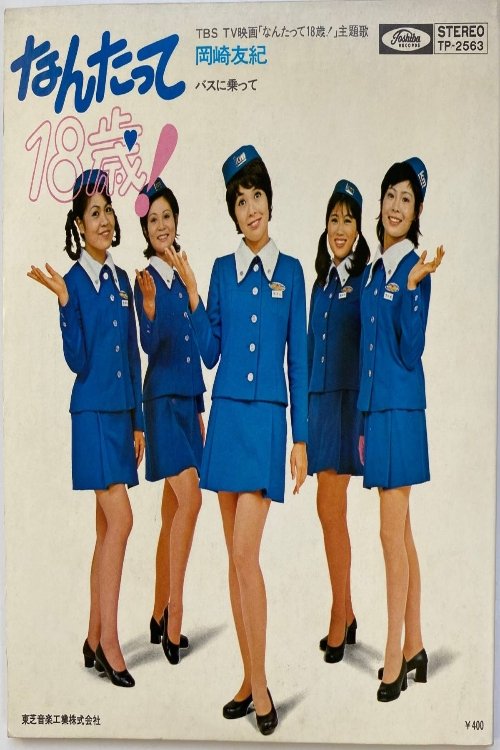
Three girls come to Tokyo to stay with their elder sister. Actually they are running away from home because their father has married again to a very young woman. They have many romantic adventures and one finally decides against the boy she thought she loved because he, just like her father is always away from home. But directly after her marriage to another young man, her sister runs after the former boy-friend.
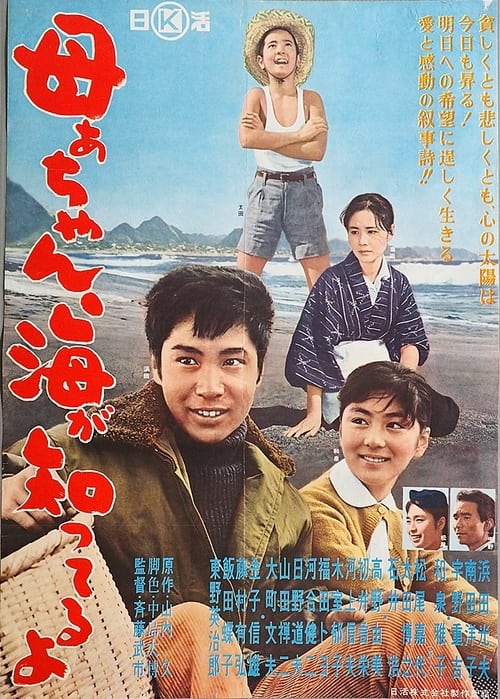
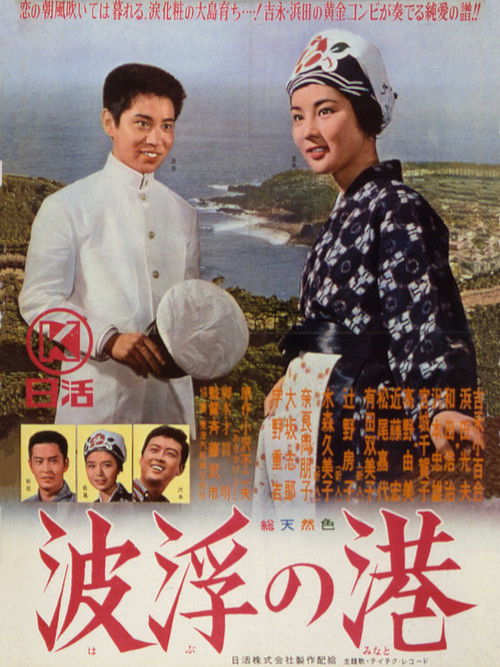
Little dark-eyed boy Kazuo. Yes, he dreamed of the sea. However, like everyone here in the village. Kazuo only wanted to study first, to finish school... But he failed. Mother died. The woman who replaced her brought with her affection, comfort, and warmth of mother's hands. It seemed that joy settled in their house again. But one day a storm caught the fishermen at sea. Father did not return... Father's friends, fishermen, tried to help the widow, who was left with two children. But the money was still not enough. And then Kazuo decided to become a fisherman. After all, he was now the eldest in the family...
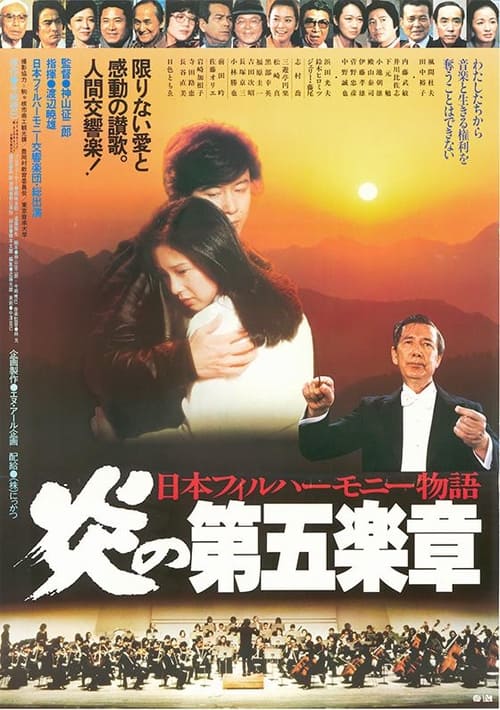
When a broadcasting company takes away its financial support from a symphony orchestra, some of the members refuse to admit defeat. The first violinist returns to his home and manages to get the orchestra back together for a grandiose performance, saved at the last minute by their original conductor -- and boding well for the future of the die-hard musicians.
No description available.
Goro had grown up in the yakuza world. As an active member of the Mizuhara family crime syndicate, he expressed his loyalty by always putting himself in the forefront of every battle. Violence never bothered him. However, after being sentenced to three years in prison for stabbing a rival gang’s hit man, he becomes disenchanted with the Yakuza life style. Goro is determined to start anew, but karma catches up. His two closest friends are murdered by his ex-boss. He is left with two options: to kill or be killed.
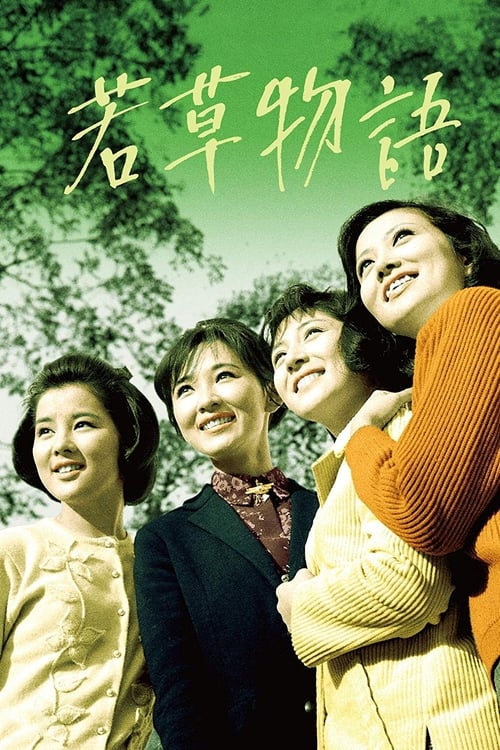
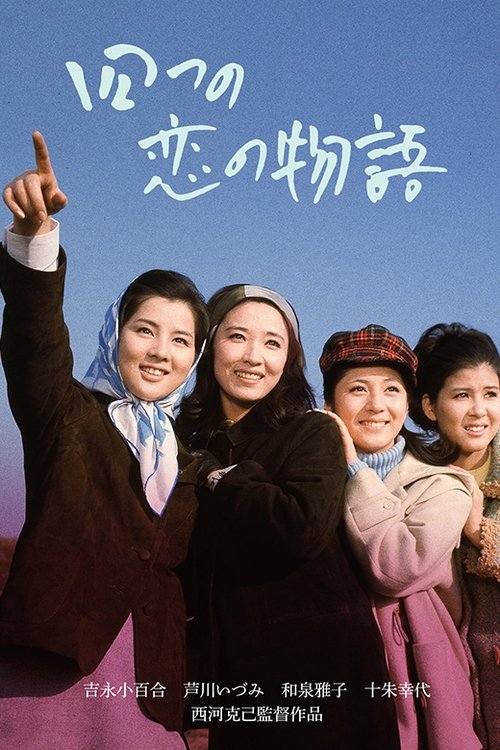
A father gives his four daughters his substantial retirement allowance on the stipulation that they leave him alone, as he wants some freedom. Each of the daughters has a romantic interest and it's noticeable that the father, too, has someone in mind.
Iron King is a tokusatsu superhero TV series about a giant cyborg. The series was produced by Nippon Gendai and Senkosha, and aired on Tokyo Broadcasting System from October 8, 1972 to April 8, 1973, with a total of 26 episodes.
Musical actress Noriko feels frustrated by the futility of her affair with a married man. Then she is offered a role in a new production that appears to mirror her own private life... An excellent work that stylishly depicts its gradually evolving heroine.
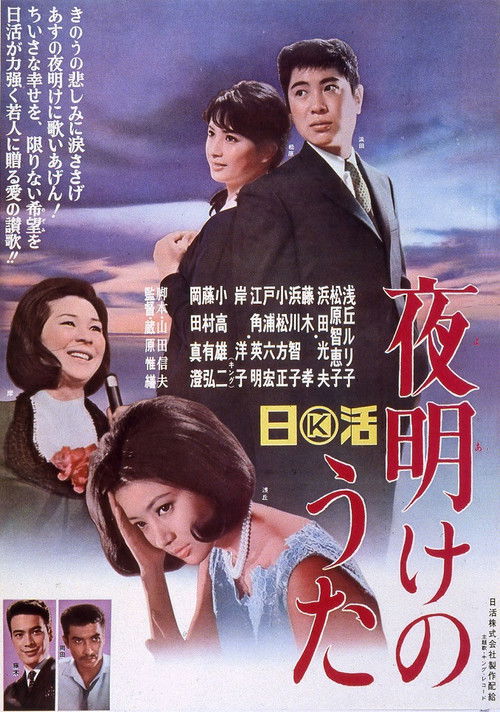
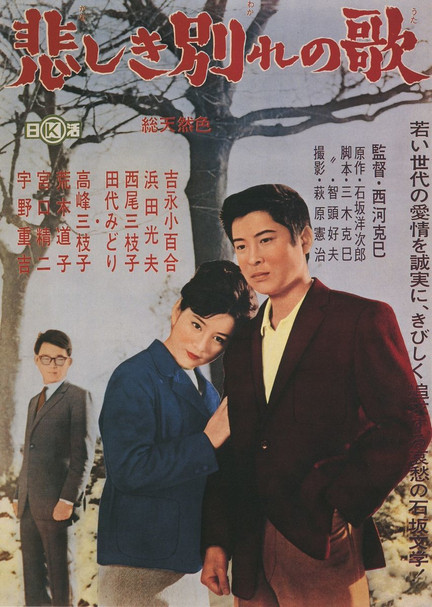
After her mother's funeral, Yuriko, dressed in mourning clothes, sees off her lover Shintaro as he leaves in the powdery snow, and resolves to part ways with him forever. However, in Yuriko's heart... Pure love duo Yoshinaga and Hamada rigorously pursue a life of sincerity and love of the younger generation, and love but parting, in this lyrical and melancholy touching story of Ishizaka literature.
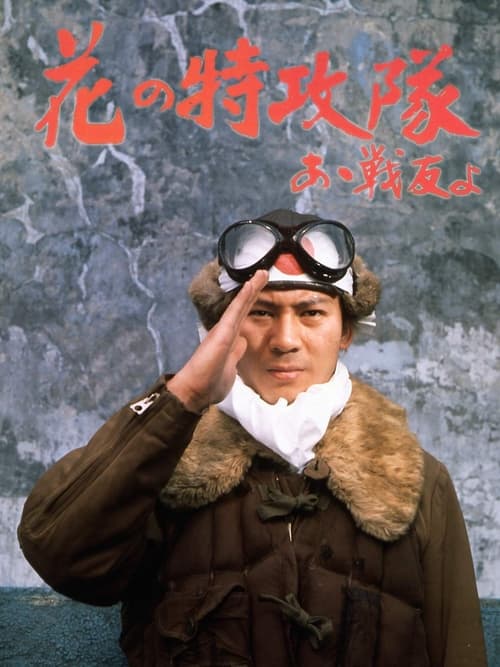
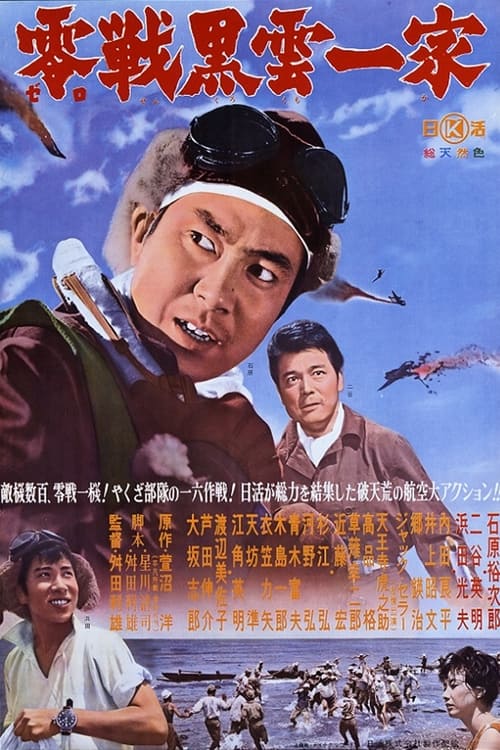
In 1943 Japan is facing defeat. This makes Shinkichi, a straight, selfless student-patriot, ever more restless. He can no longer stand his soft "behind-the- gun" role of munition factory worker. School-mates one after another are going to the front, where he feels he should be. The last straw is an official report of his father's death in the Battle of Attu in the Aleutian Islands. He rushes to the naval air corps training camp at Tsuchiura along with his close school-mates Naito, Yamada, Saito and Tagawa as Volunteer pilot trainees leaving his mother and sweetheart weeping and helpless.
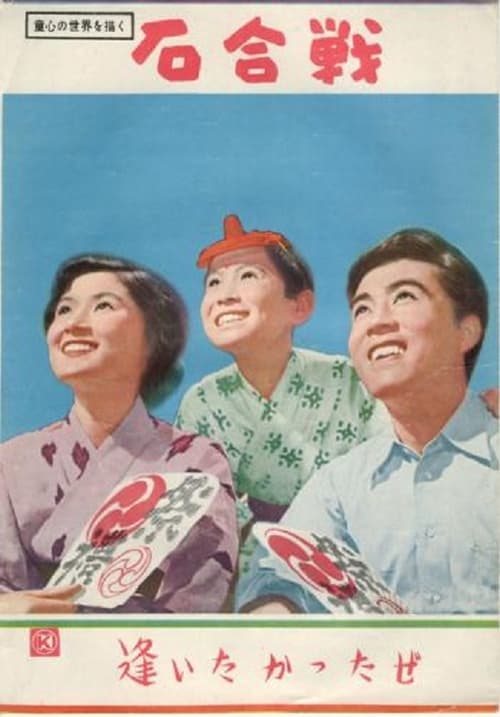
Across the Inagawa River that runs through the center of the village, the children of the two villages scrambled for a swimming pool, and each time a stone battle took place. Takemaru, the only son of the priesthood of Tada Shrine, was weak and was always forced to carry stones. However, neither swimming nor stone-throwing was a secret to his sick mother, Kouko... Seishi Matsumaru, Ryuichi Yoshida, and Ado Matsuyama were adapted from "Tenmangu" and "Ishigassen", directed by Mitsuo Wakasugi of "Waran Hayashi", and photographed by Hanjiro Nakazawa of "The Last Women".
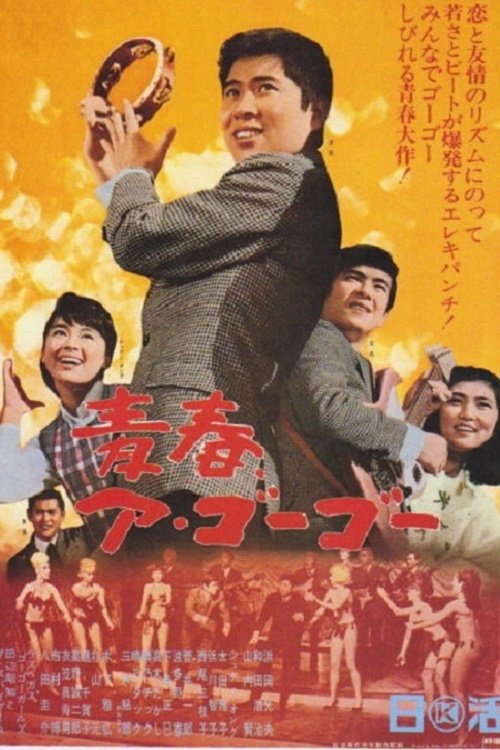
Kenichi and Satoru join up with three other electric music lovers to form their own band, "The Young and Fresh."
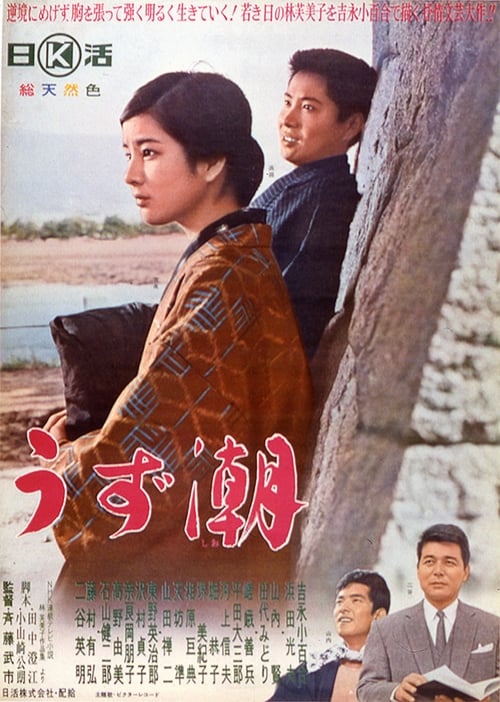
It is 1922 and Fumiko is a high school student. Her family is poor but she loves to study literature. Her father, a peddler, does not return home and Fumiko finds herself in financial trouble, not being able to pay for her schooling and her school excursion trip. Still, she gets a temporary job at a factory and tries to make ends meet. A film about bright side of youth adapted from the television serial of the same name.
A young journalist interviews an elderly woman about being forced into prostitution in Borneo at a brothel called Sandakan No. 8.
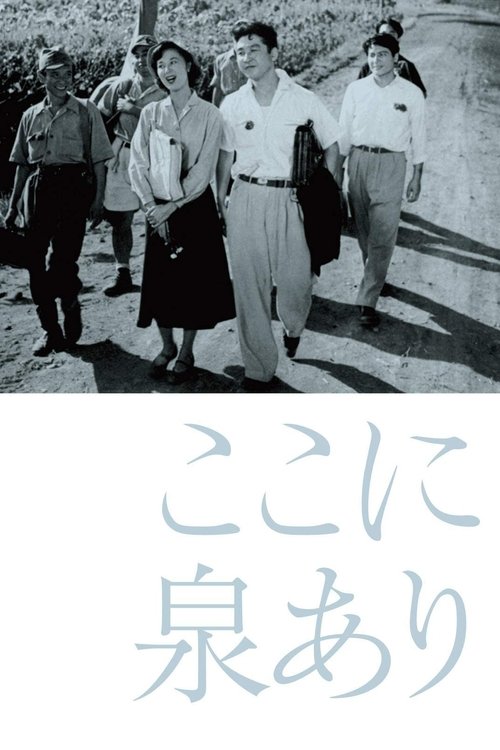
The story of a group of young people who organise their own travelling symphony orchestra to provide music for people living in remote villages shortly after the war.