Hisashi Yamanouchi
Writing
Known For
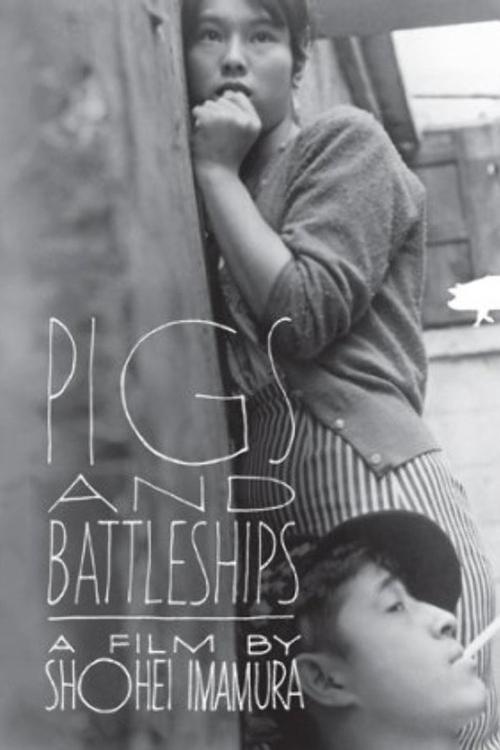
In the city of Yokosuka, Kinta and his lover Haruko, both involved with yakuza, brave the post-occupation period with a goal to be together.
Pigs and Battleships
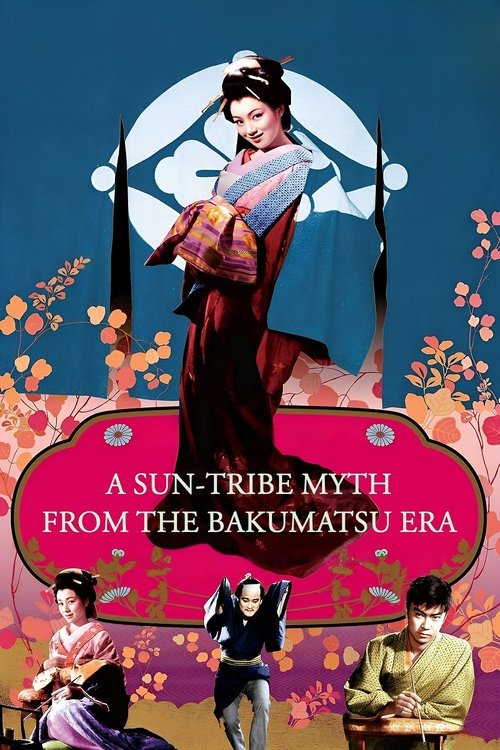
Saheji, a man-about-town, gets stuck at a high-class brothel when he can’t pay the bill. He makes the best of his situation by performing various tasks amidst the tumult of the end of the shogunate—but always by making sure to get a “commission” for his troubles.
A Sun-Tribe Myth from the Bakumatsu Era
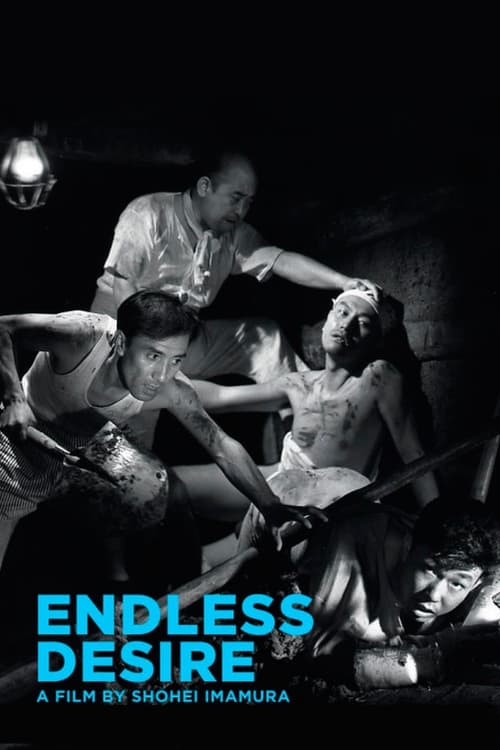
Set in post-war Japan, a group of five, four men and one woman, gathers in the basement of a butcher shop to dig up a cache of morphine buried during the war. A grimly humorous tale of twisted relationships as one by one each of the group is eliminated.
Endless Desire
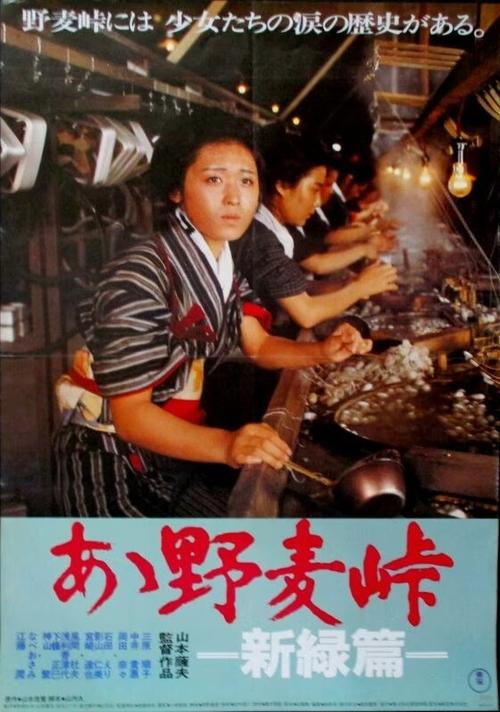
In a factory that prioritizes profits amid economic downturns, a female worker criticized for her poor performance commits suicide, prompting her colleagues to strike and demand improved working conditions.
Ah! Nomugi Pass — Fresh Green Edition
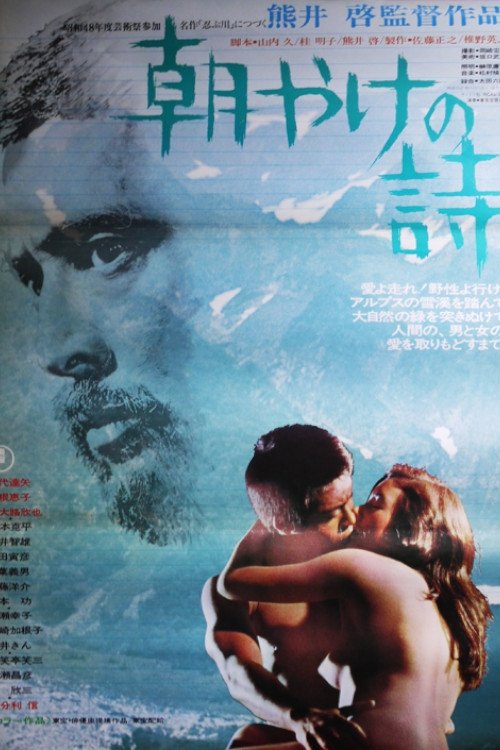
Though a farmer and his fellow villagers in this Japanese film resist the effort to turn the unspoiled region in which they live into a land development, they are ultimately unsuccessful.
Rise, Fair Sun
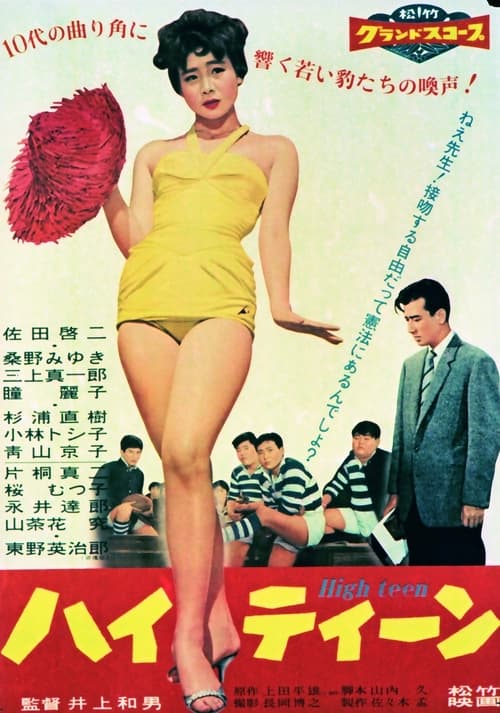
Terasaki, the new history teacher at the Senior High School, finds encouragement in the words of his Principal. "There are no bad children in this world. Some may be hard to handle but a teacher should never lose courage … never give up." But when put in charge of the third year class C, reputed to be the most incorrigible in the whole school, he is faced with surly opposition from the start. However, Terasaki perseveres. His greatest headaches are three students ... Sanae, who develops a "crush" on him, Nakanishi, who seeks to forget his unhappy home life in rugby, and Nire his pal.
High Teen
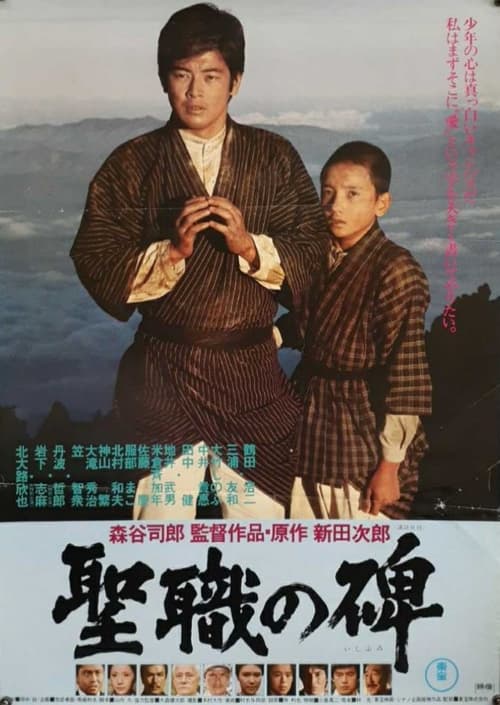
A rural high school takes part in a mountain-climbing exercise and are caught in a sudden typhoon.
Monument to Holy Service
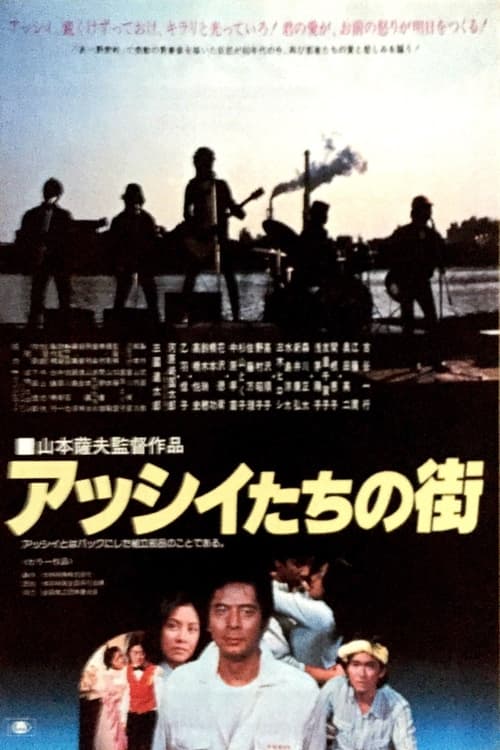
No description available.
Auto Town
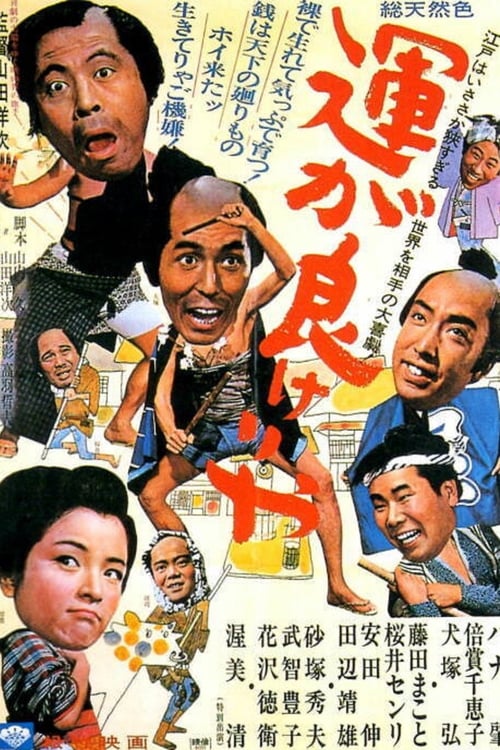
A group of ne'er-do-wells live happily in the slums of what is now Tokyo and have a number of adventures: they get drunk and go whoring, revenge themselves on cruel landlords, animate the corpse of a money-lender in order to frighten people. Then they assist at the marriage of a lovely girl and almost kill themselves gambling to provide her with a dowry.
Gamblers' Luck
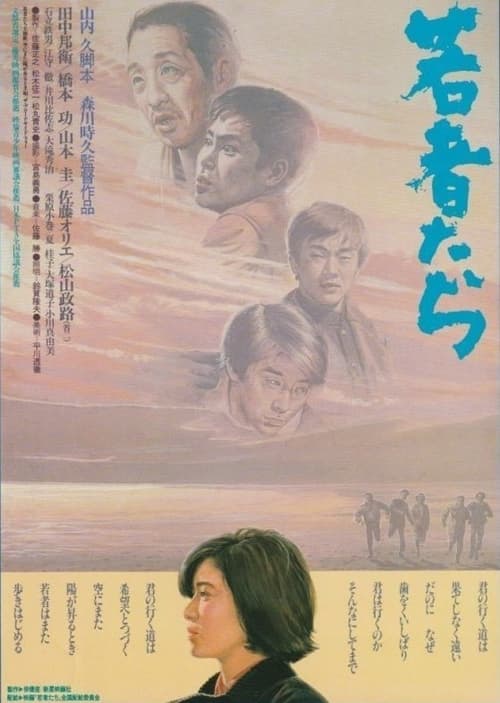
"Young People" is a story about the lives of four brothers and a sister, Sato. After the death of his parents, the older brother, Taro, who works in construction, decides to replace them. The second brother, Jiro, is a truck driver. The third, Saburo, is a student, dreams of a better future for the whole family are connected with him, with his career. Brothers and sisters are fighting to give him a higher education. And, finally, the youngest of the brothers, Suekichi, is also going to enter the university after graduation. The life of the Sato family is complicated. Taro is kind, but limited, not always able to find a common language with his brothers and sister Orie. The girl cannot stand the despotism of her brother, leaves her home and goes to work at the factory. With her departure, everything in the house goes upside down. Suekichi fails her university entrance exams, Orie is forced to return to her family.
Young People
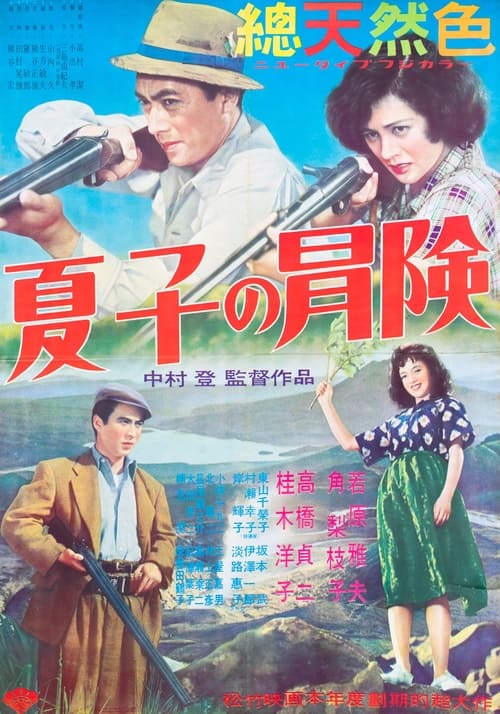
Born to a prestigious family, Natsuko is not impressed by any one of her suitors. Determined to spend her life serving god, she sets off to a convent in Hakodate, Hokkaido, and meets along the way a young bear-hunter with whom she begins an adventure.
Natsuko’s Adventure in Hokkaido
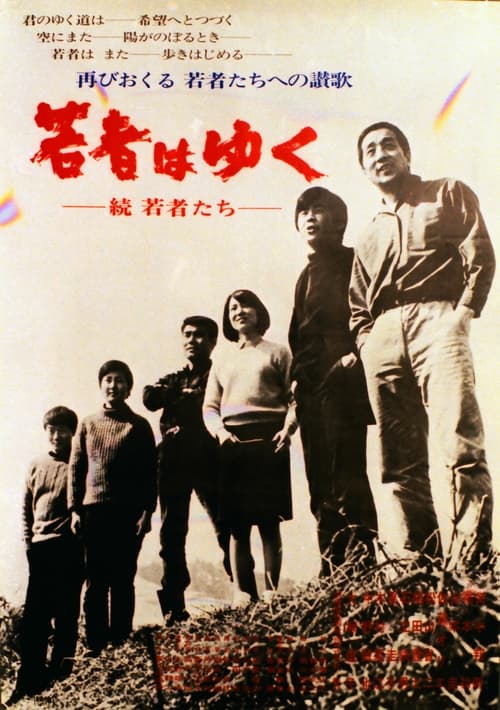
The second film tells about the life of matured brothers and sister Sato. Taro became a foreman. He saves every yen to fulfill his dream of building his own house with stone gates. Jiro continues to work in the transportation office, he dreams of getting married. Saburo faces a moral problem: in order to get a good position, he must answer the questions of the entrance test differently than his conscience tells him. At the exam, Saburo does not hide his views on life and is deprived of the promised position. Orie and Suekiti believe that he did wrong and betrayed his older brothers. But the anxiety in the Sato family is not limited to these events. Orie was being asked to marry a handsome, well-established young man, but she suddenly announced her decision to marry Tozaka, who was suffering from radiation sickness. Sato's peaceful home is falling apart...
Forward, Young People!
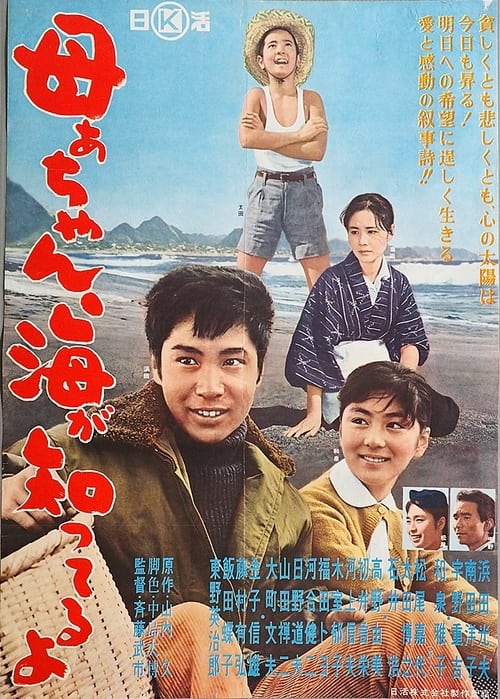
Little dark-eyed boy Kazuo. Yes, he dreamed of the sea. However, like everyone here in the village. Kazuo only wanted to study first, to finish school... But he failed. Mother died. The woman who replaced her brought with her affection, comfort, and warmth of mother's hands. It seemed that joy settled in their house again. But one day a storm caught the fishermen at sea. Father did not return... Father's friends, fishermen, tried to help the widow, who was left with two children. But the money was still not enough. And then Kazuo decided to become a fisherman. After all, he was now the eldest in the family...
Wind and waves of the South
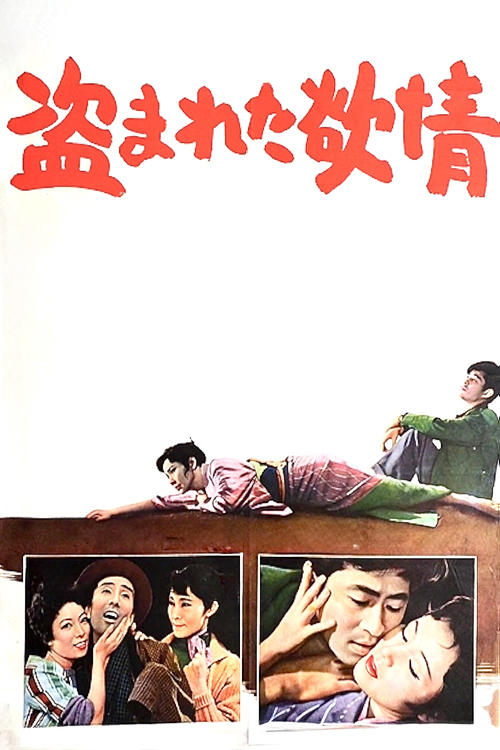
A rambunctious and ribald tale of a troupe of travelling actors who alternate highlights of kabuki theatre with strip shows.
Stolen Desire
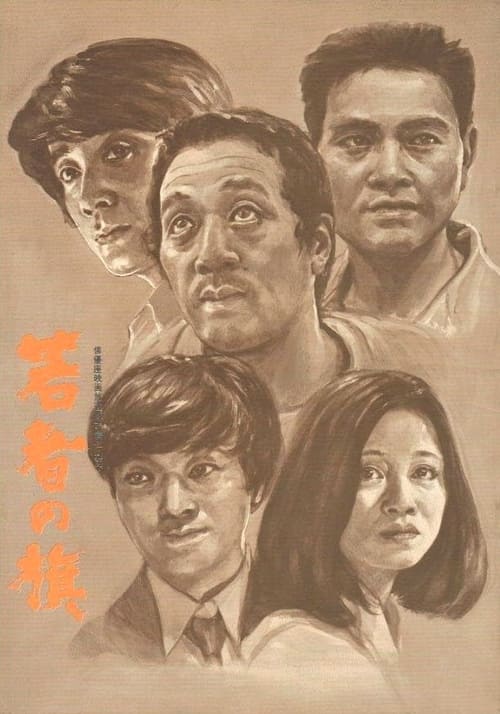
The final part of the trilogy. It is about a younger brother, Suekichi. He learned well the lessons that life taught his older brothers. Therefore, he does not think to study, but strives for material well-being alone. To make a career, he ruthlessly pushes his colleagues with his elbows. For him, the high ideals of trade union activists Jiro and Saburo are an example of old-fashioned thinking, naive behavior.
Banner of the Young
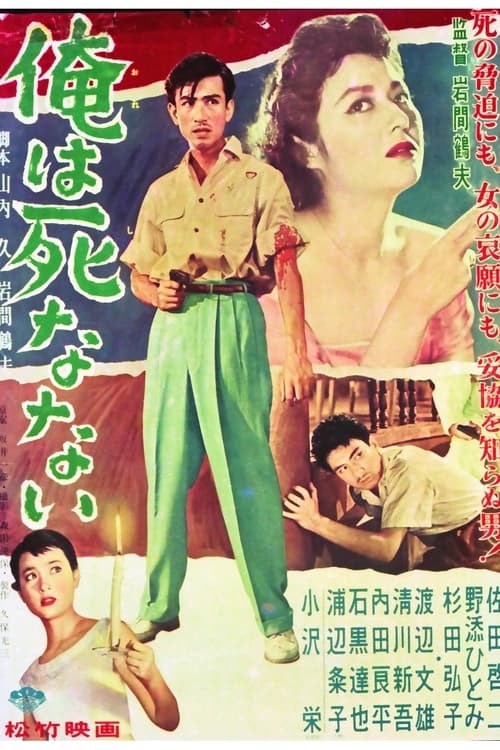
No description available.
俺は死なない
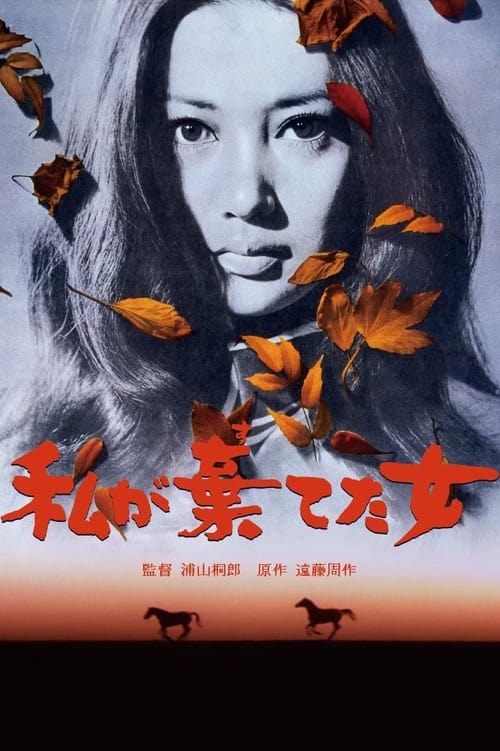
Tsutomu Yoshioka, a Tokyo office worker, is engaged to Mariko, the niece of his company's president. But Yoshioka has a crisis of consence when he remembers his former love Mitsu, a rural girl whom he met and later left while in college. Shimako, a former friend, persuades Yoshioka to meet with Mitsu while she plots to blackmail Yoshioka by photographing the meeting to break up Mariko and Yoshioka.
The Girl I Abandoned
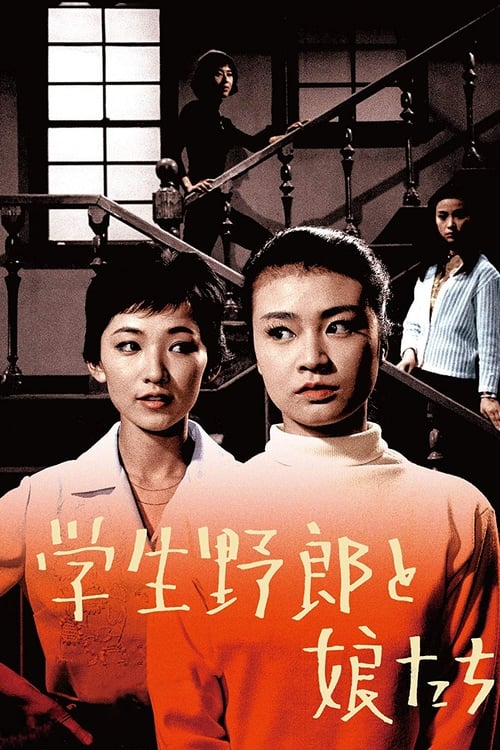
An adaptation of Sono Ayako's “Campus 110.” A youth comedy satirizing student life and contemporary society.
The Inspector and the Gambler
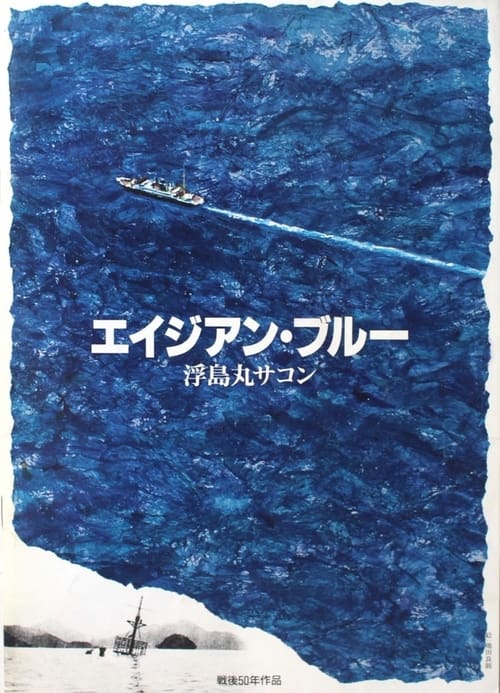
Asian Blue focuses on Koreans brought to Japan to work in forced-labor brigades during World War II
Asian Blue: Ukishima-maru Incident
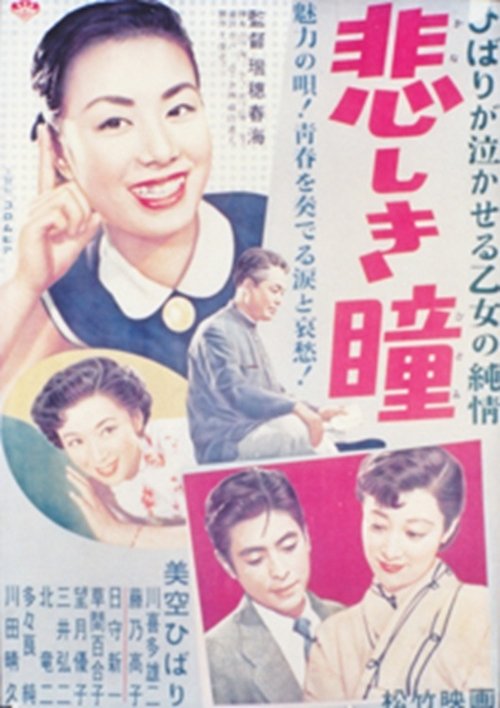
Shinjiro Tanabe, a teacher at a junior high school in the downtown area of Tokyo, has two daughters, Mitsuko and Hitomi. Hitomi is the leader of her father's junior high school class and is working hard to prepare for the upcoming school trip and pamphlet. Tanabe is an old teacher who is often worried about financial difficulties and the future of Mitsuko, who is about to get married, but his family is bright with the cheerful Hitomi surrounding him. However, he finds himself in a difficult position when he sympathizes with his former student, the delinquent Akutsu, and uses the students' travel savings.