Yoshio Ōmori
Acting
Known For
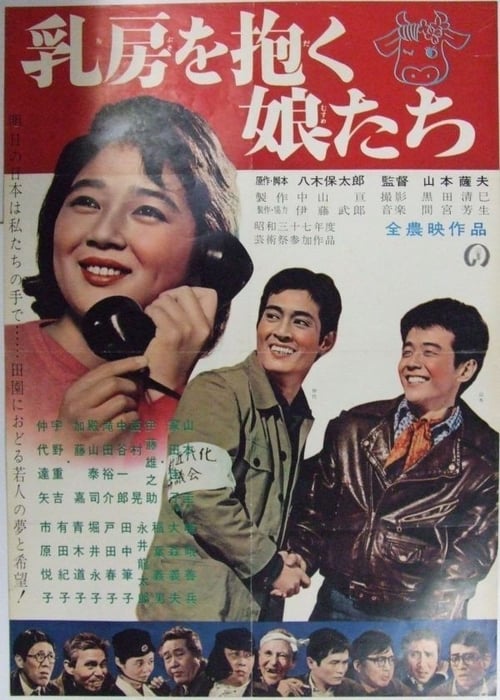
Japanese drama.
Farm Girls
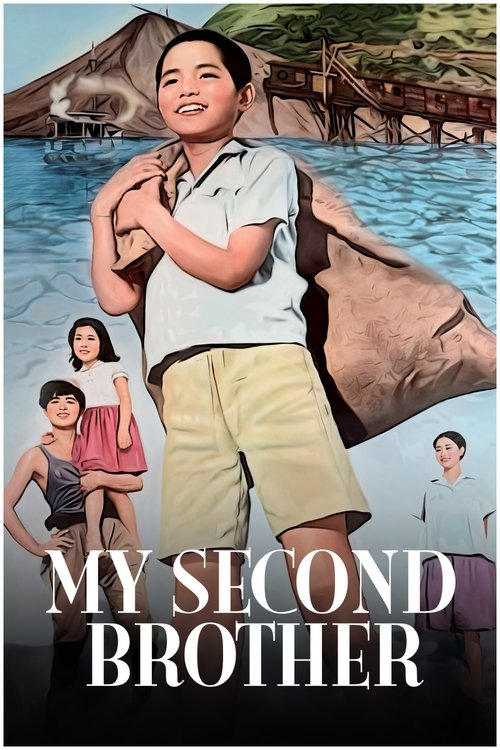
The film tells the story of four orphans living in an impoverished mining town. An adaptation of a best-selling book based on the diary of a ten-year-old zainichi (ethnic Korean Japanese) girl, it was one of the first films to deal with the subject of zainichi identity and struggles in Japan.
My Second Brother

A car going at 25 mph plunges into the sea at Shinko Harbour, Toyama prefecture. Inside is the local business magnate Fukutaro Shirakawa, who perishes. Riding alongside him and surviving unhurt is his second wife, Kumako. It soon comes to light that Kumako’s husband was insured for 300 million yen and she is arrested on suspicion of murdering her husband for the insurance money. The newspapers denounce her as an evil woman, while the public is in no doubt about Kumako’s crime. Ritsuko Sahara is chosen as her defence attorney but the pair clash over almost everything...
Suspicion
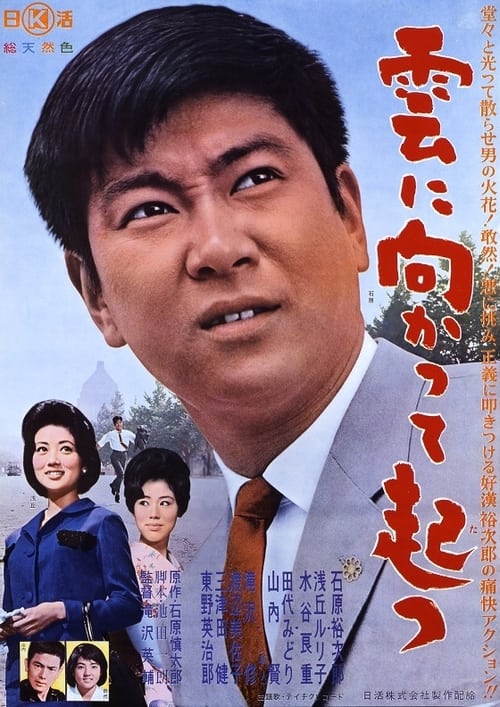
A rookie newspaper journalist, Takema Sakaki, has a strong sense of justice. In the Diet Building he gets acquainted with a library worker, Reiko Nakafuji. Reiko's father was a member of the Diet who was assassinated six years ago. Through Reiko, Takema joins Tsūkai-kai, a group of young people who respect her late father's political ideas. With the assistance of Tsukai-kai, Takema eventually uncovers the political scandal related to postwar compensation which led to the murder of Reiko's father.
Facing to the Clouds
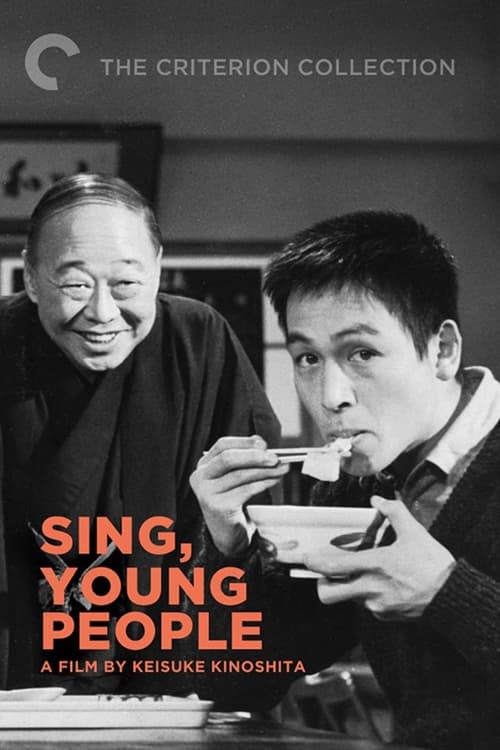
A story about four best friends and their lives inside and outside college. Then suddenly one of them receives a surprising offer to be a movie star.
Sing, Young People!
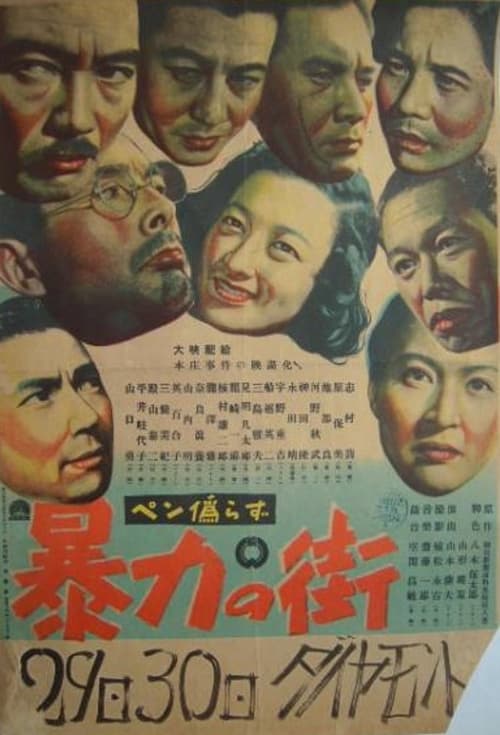
An attempt is made to suppress a journalist's investigation of collusion between a rural police chief and the local gangster bosses.
Town of Violence
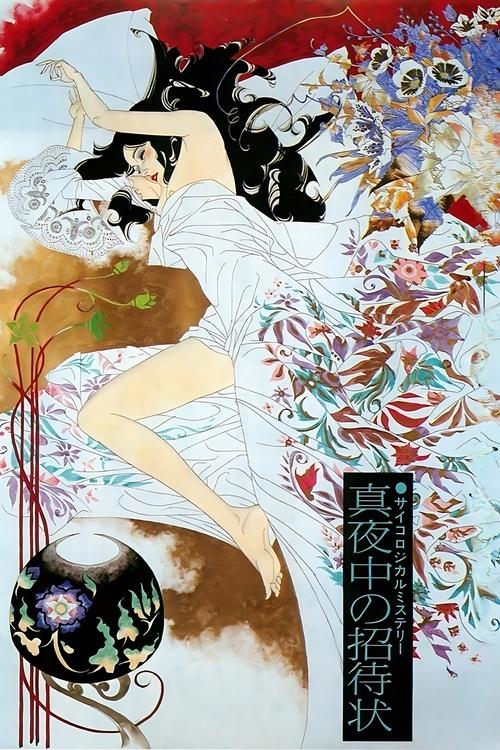
Keiko Inagawa pays a visit to neurologist Aizawa about her fiancé Tatsuo Tamura. A mysterious case involving the disappearance of Tatsuo’s three brothers, one after the other, is yet to be resolved and now Tatsuo, seized with the idea that he too may disappear, has had a nervous breakdown. Aizawa suggests that Tatsuo recount his dreams as a means of solving the mystery, since human beings have an instinct that foretells the near future in the form of a dream. Keiko and Tatsuo eventually discover that the three disappearances have a strange connection…
Call from Darkness

College students come up with a scam to rob a gambling house. When it comes time to collect, the money isn't there, leading the young men into even more serious crime.
The Perfect Game
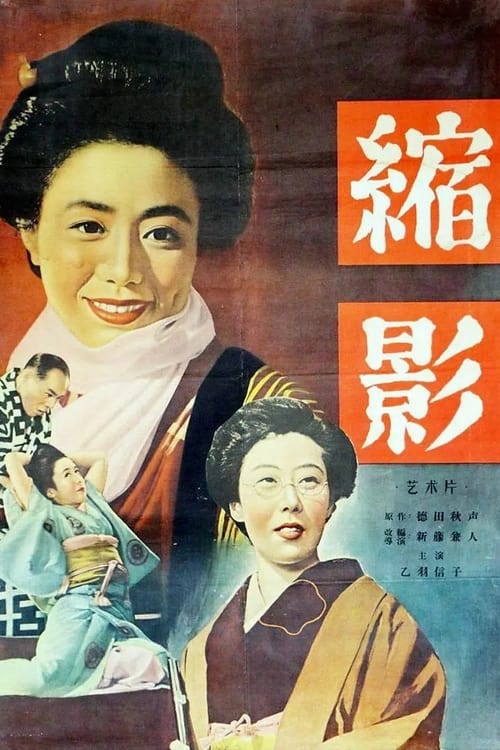
Ginko, a poor cobbler's daughter, becomes a geisha to support her family. She passes from one geisha house to the next, trying to find love and hope in the process. No matter how hard she tries, she just can't escape her sad fate.
Miniature

This film is strongly anti-war film. The film is based on the collection of writings by Japanese student soldiers who died during World War II. The film is located to Burma. It shows the everyday problems of soldiers in contrast of their ideas and the cynicism of their commanders. Soldiers are also victims of military bullying by their commanders.
Listen to the Voices of the Sea
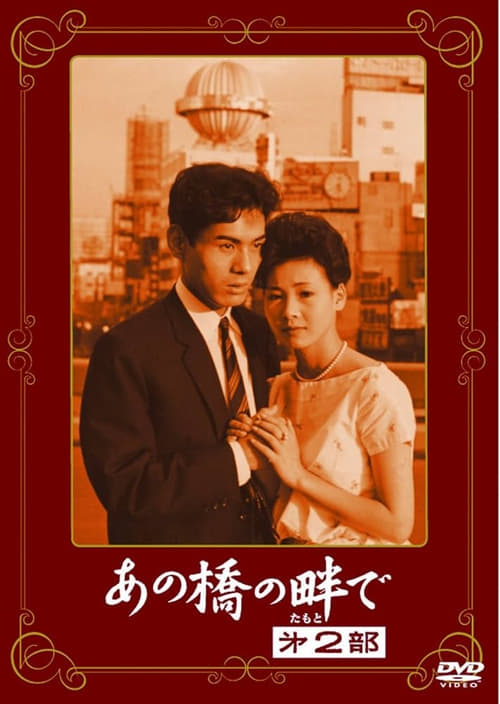
1962 Japanese movie
At the Side of the Bridge 2
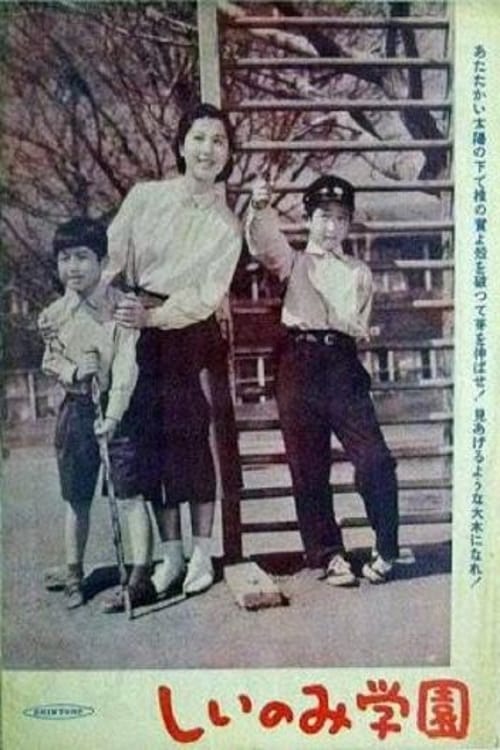
A university professor and his wife have two sons with infantile paralysis. Through trial and error, they struggle to open a school for disabled children at their own expense. Based on a true story, it features natural child performances under Hiroshi Shimizu’s skillful direction.
The Shiinomi School
No description available.
At the Side of the Bridge 4
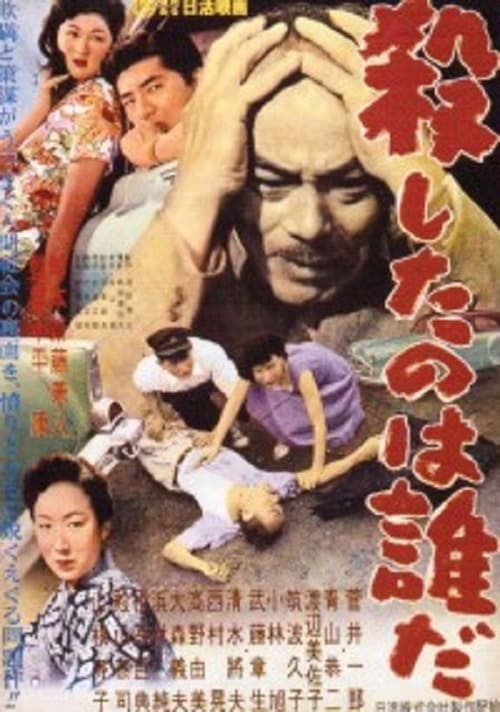
Film about a car dealer who gets into financial trouble.
Who's the Real Killer
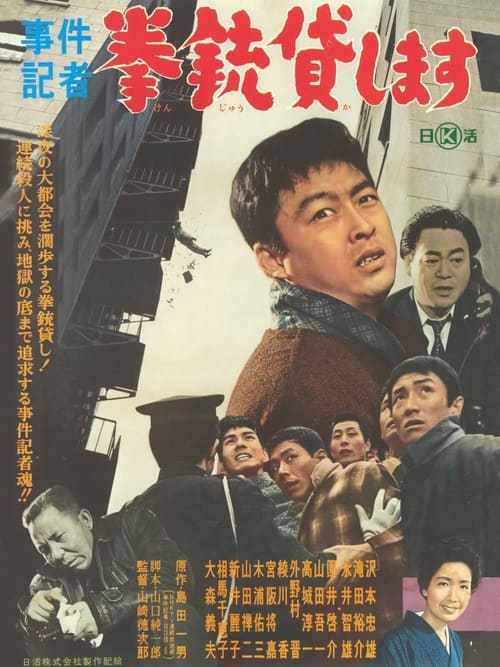
1962 Japanese movie
Jiken kisha: Kenjû kashimasu
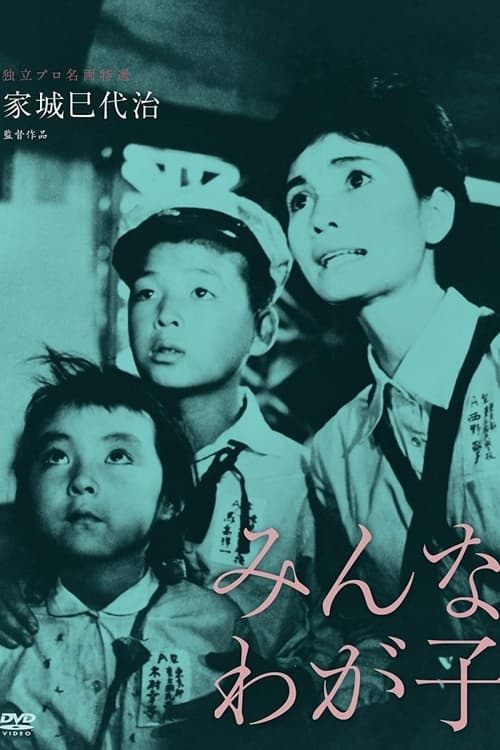
School teachers responsible for the lives of their students work to evacuate Allied bombings near the end of WWII.
All My Children
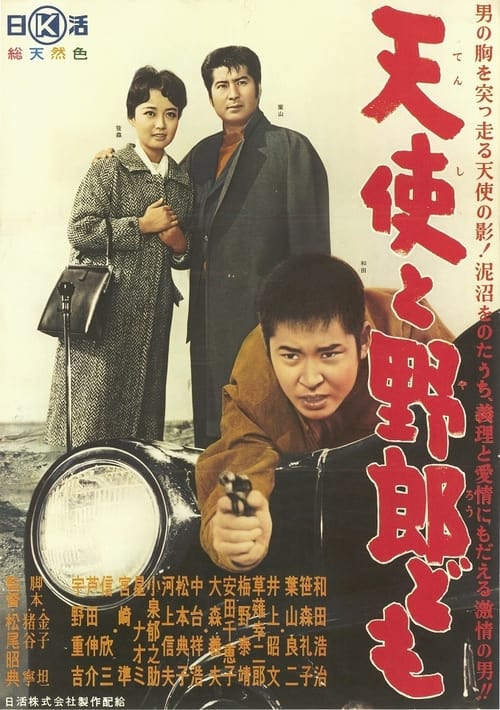
1962 Japanese movie
Angel and the Outlaw
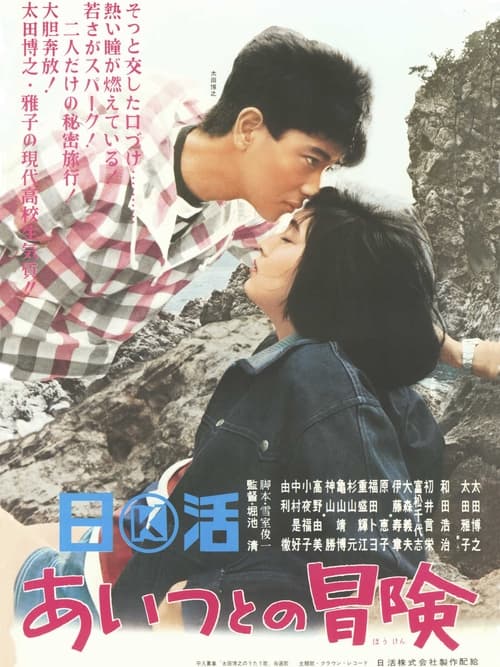
Mitsuo Hayama, who is preparing for his entrance examinations, secretly plans to take a trip with his classmate Akira, alone and undisturbed. Noriko learns of the trip by chance and tells Mitsuo and his friends that she will join them, and they reluctantly agree. However, on the day of the trip, Akira suddenly decides not to join. Mitsuo and Noriko, a man and a woman, begin their journey together.
Adventure With Him
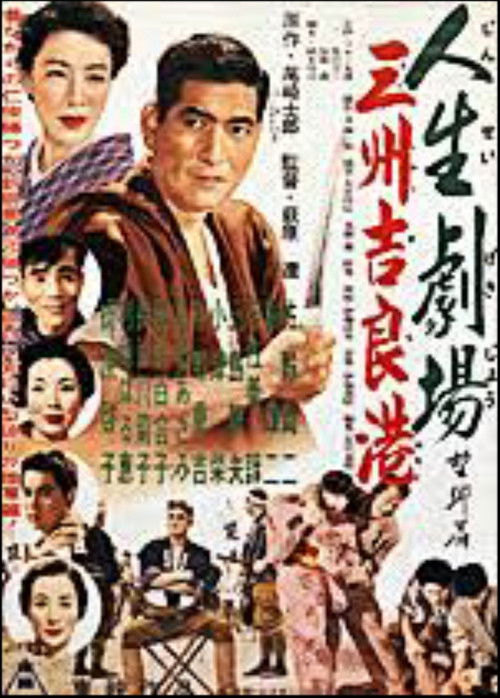
1954 Theater of Life adaptation.
Jinsei Gekijo Yokubo hen: sanshu kirako
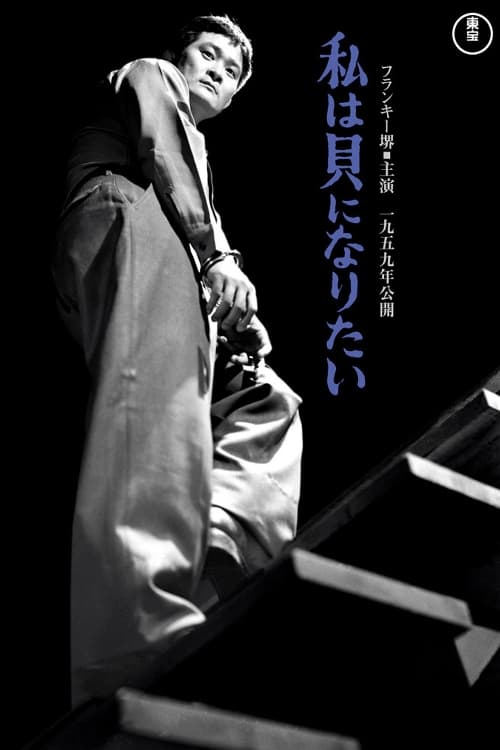
Television production of I Want to Be a Shellfish. On a post-war peaceful day in Japan, Toyomatsu Shimizu, a barber as well as a good father and husband, is suddenly arrested by the Prefectural Police as a war criminal and sued for murder. According to the accusation by GHQ, Toyomatsu "attemped to kill a US prisoner", which was nothing but an order by his superior and failed after all with hurting the prisoner by weak Toyomatsu. Also, Toyomatsu was driven to corner at the trial by the fact that he fed the US prisoner some burdock roots to nourish him. Toyomatsu believes nothing but being not guilty, but he is sentenced to death by hanging. Prior to the execution, Toyomatsu writes a long farewell letter to his family, the wife and the only son: "If I ever incarnate, I hate to be a human being any more.... Oh yes, I would like to be...a shellfish living on the rock-bottom of the sea."