Acting
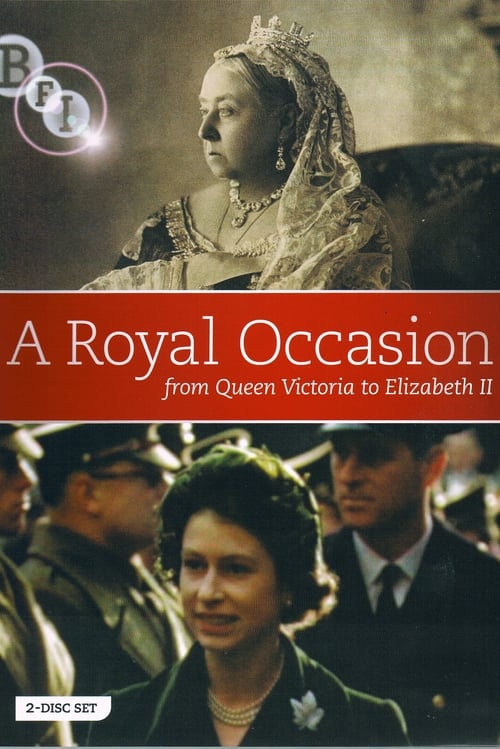
'Royal Road' takes a look at both the public-facing activities of King George VI and Queen Elizabeth (the Queen Mother) during the Second World War, as well as a showing a glimpse of the royal family's private life in the gardens at Windsor.
Thundercloud is a 1979 British television comedy created and written by Ian Mackintosh. Produced by Yorkshire Television for ITV, it was significantly more lighthearted than Mackintosh's prior series Warship and The Sandbaggers. Lieutenant Commander ‘Monty’ Morgan – a stickler for forms – and his shipmates operate aboard the shore-based HMS Thundercloud, a secret Royal Navy station on the Yorkshire coast during World War II, apparently far enough away from HQ to merit a remarkable degree of autonomy. In fact, the Admiralty were convinced that the station was actually a destroyer in the North Sea!
Publicity film for manufacturers and retailers of television equipment. A survey of the programmes transmitted by the British Broadcasting Corporation during the first six months of operation, November 1936 - May 1937, intended for manufacturers and retailers to show sample types of programmes transmitted.
A tribute to the Avro Lancaster, “the most powerful and efficient bomber in the world, and one of the most important war-winning weapons in the UN”.
Newsreels from the '30s constitute the bulk of this fascinating documentary, clearly illustrating that the public was fed an extremely biased view of events: straight propaganda, the stricture to provide entertainment, and the attempt to be objective all contributing to this. Lewis and producer Elizabeth Taylor-Mead have constructed their argument well, but it is Jonathan Dimbleby's brief comments towards the end that contain the crucial lesson: forty years on, the same forces work to distort our view of Northern Ireland. The film only indicates this to be the case, but it is precise and coherent enough to make the point with considerable force.
A look at the facilities and character of Oxford University, and the varied experiences that are associated with studying there.
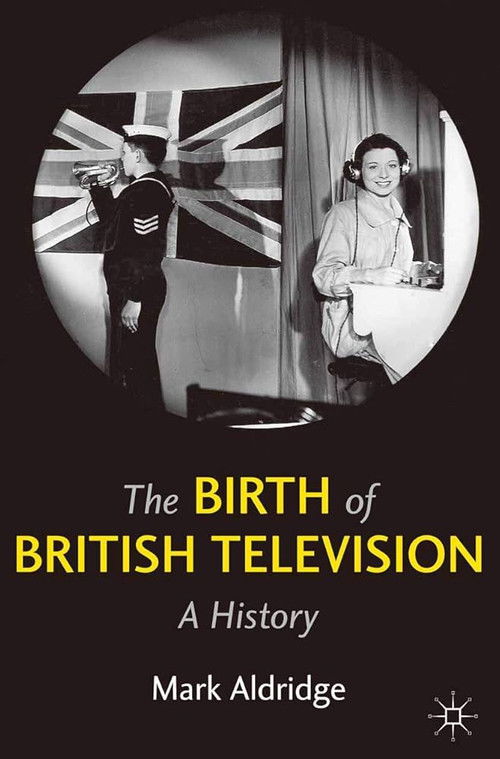
In this feature-length documentary from 1976, Leslie Mitchell and special guests recall the birth of BBC Television forty years before.
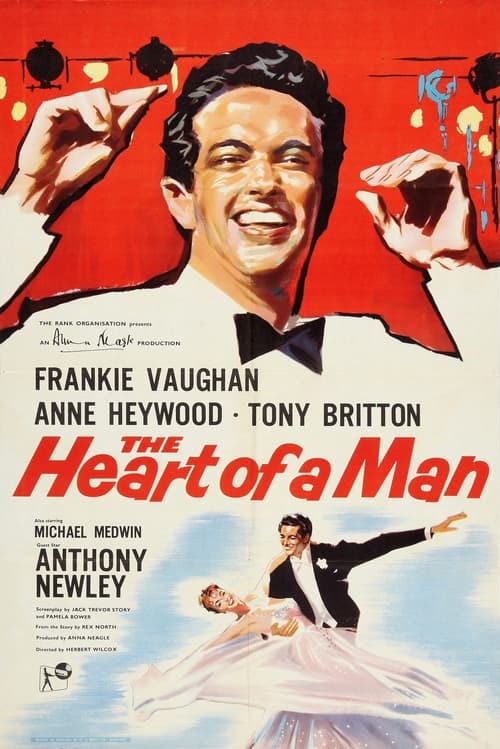
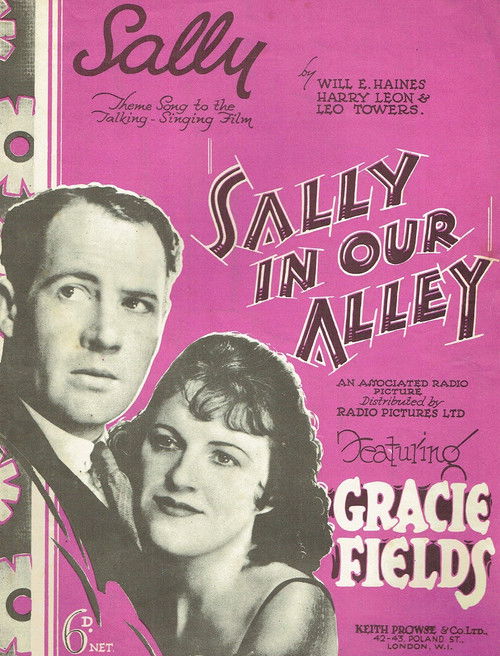
Sailor Frankie Martin is offered a thousand pounds by a millionaire in disguise if he can earn a hundred pounds in a week by honest means. Frankie tries his hand as a boxer, a bouncer and a commissionaire, and finally finds success as a singer. He also falls for the charms of night club chanteuse Julie, and this leads to further success when he wins a recording contract.
A woman believes her boyfriend died in the First World War, but he is now looking for her
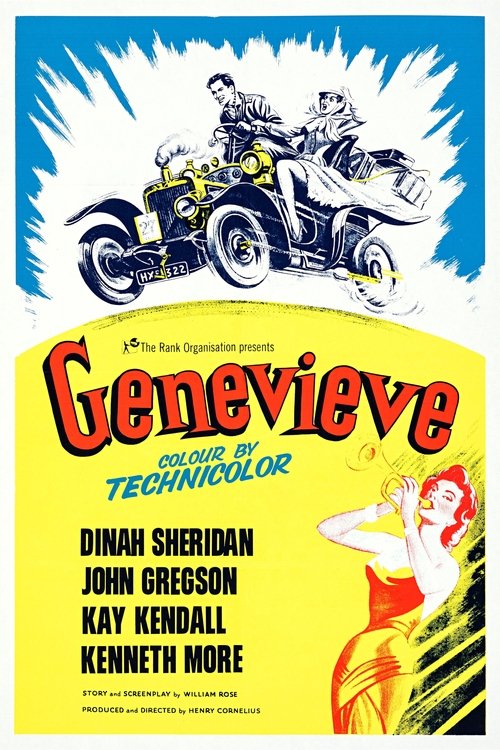
Two friends driving in the London to Brighton vintage car rally bet on which of them will be the first to arrive back home.
The film sequences were represented by the premiere of the now thought lost short 'Cover To Cover' directed by Paul Rotha. This short film illustrated the production of a book. Added comments from such luminaries as Julian Huntley and TS. Eliot added class.
No Information Given
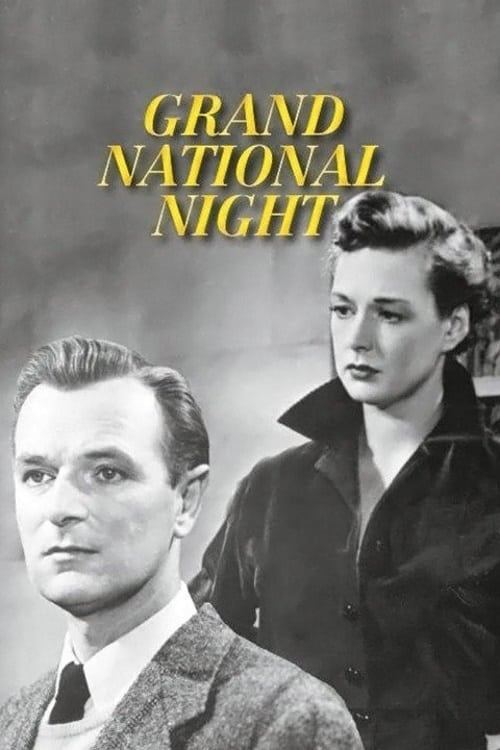
The story of a husband's implication in his wife's death, his stupid disposal of her body and the police enquiry which almost embroils him in a murder charge.
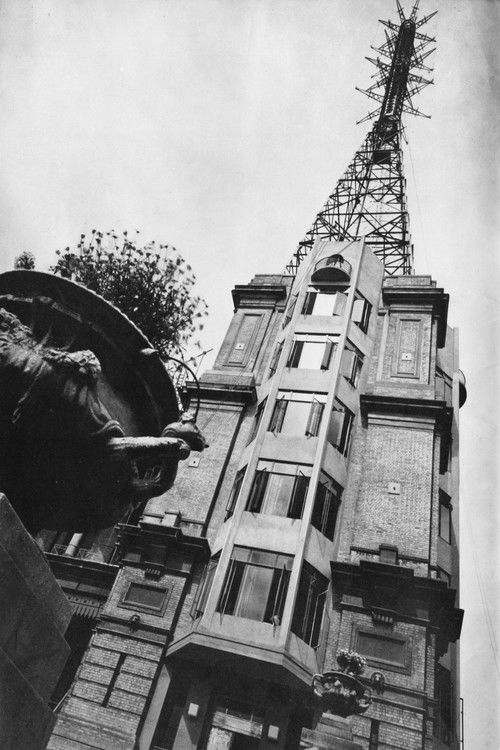
In this film, specially taken for the BBC, viewers are given an idea of the growth of the television installation at Alexandra Palace and an insight into production routine. There will be many shots behind the scenes. One sequence, for instance, will show Adele Dixon as she appears to viewers in the Variety at 3.30 this afternoon, and will then reveal the technical staff and equipment in the studio that made this transmission possible.
A survey of the equipment and brief but already glorious history of the RAF, including the contributions of the Air Forces of the Empire.
Documentary featuring aircraft from the 1953 Farnborough Airshow.
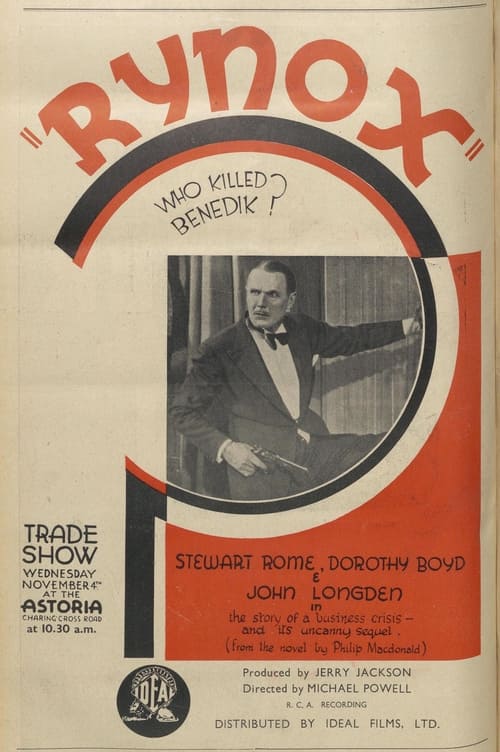
Things are not all well at Rynox House, where the company is on the verge of collapse. At the same time, its senior partner, FX Benedik, keeps receiving threats from the disgruntled Boswell Marsh, who is seen in town buying theatre tickets and revolvers. As the Rynox staff, including the young Tony Benedik, work to keep the business afloat, FX invites Marsh to settle his grievances at his house one fateful night....
A 1940 black and white film, production sponsored by the Colonial Empire Marketing Board. 'The East African colonies are introduced as representative examples of the Colonial Empire. A tribal dance hints at the "life of fear and uncertainty" replaced by British rule, a village's "squalor" the need for continued war on "ignorance, poverty and disease." "Much can be achieved by money and the initiative of the White Man:" film hints at hydro-electric schemes, modern harbours (Mombasa), roads, bridges etc and illustrates in more detail hospital expansion; tsetse fly research and control; relieving malnutrition; agricultural improvement; education (primary school; Makerere College)." - Abridged version of synopsis on colonialfilm.org
Highlights from the Farnborough Airshow of 1952.
On August 29, 1949, the Soviet Union tested its first atomic bomb. Locals heard a roar, followed by the earth shaking, the walls of clay houses breaking, and windows shattering, as a nuclear mushroom shape filled the skies.