Camera
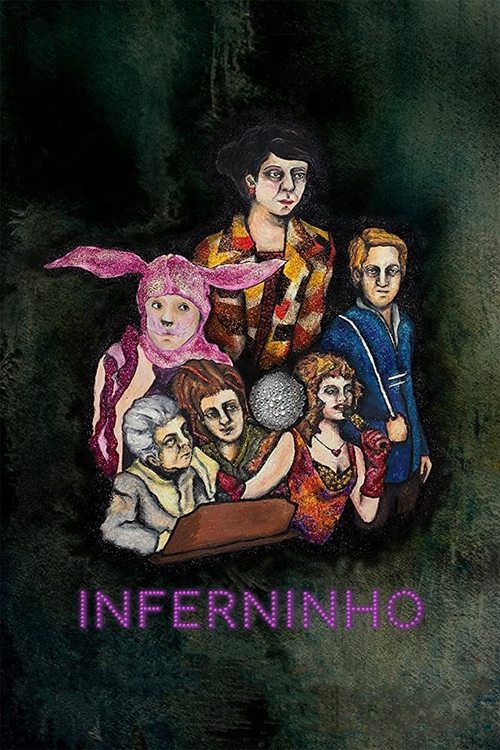
Deusimar is the owner of Inferninho, a dark and run-down bar that is a refuge for dreams and fantasies. Her dream is to leave everything behind and go away to any distant land, as far as possible from that place. Falling in love with Jarbas, the handsome sailor that arrives at the bar, dreaming of finding home, will completely change her life and the lives of the bar employees: Luizianne, the singer; Rabbit, the waiter; and Caixa-Preta, the cleaning lady.
Vando (aka Vedita) is not seen for a long time in the streets of Barra.
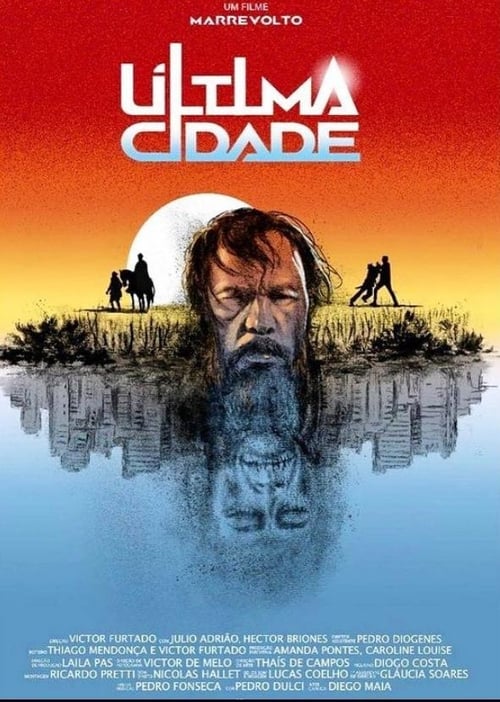
João, mounted on his horse Cruzeiro, and in the company of a wanderer named Tahiel, enters a large city in northeastern Brazil to face the one who took his lands and ended up with his family.
A self-employed worker faces financial and emotional problems. Without any decent opportunities, he creates a channel on YouTube as an attempt to monetize on his own failures while takes precarious jobs in huge corporations.
Joana, a 14-year-old teenage girl, shows up to spend a week with her father, Renato, a comedian who performs his shows in steak houses, bars and nightclubs in Fortaleza dressed as Silvanelly. Despite barely knowing each other, having had little contact so far, and leading very different lifestyles, father and daughter need to live together during this period of time. Together they will meet the young actor Marlon, live new experiences and try new feelings. This week together will profoundly transform their lives.
No description available.
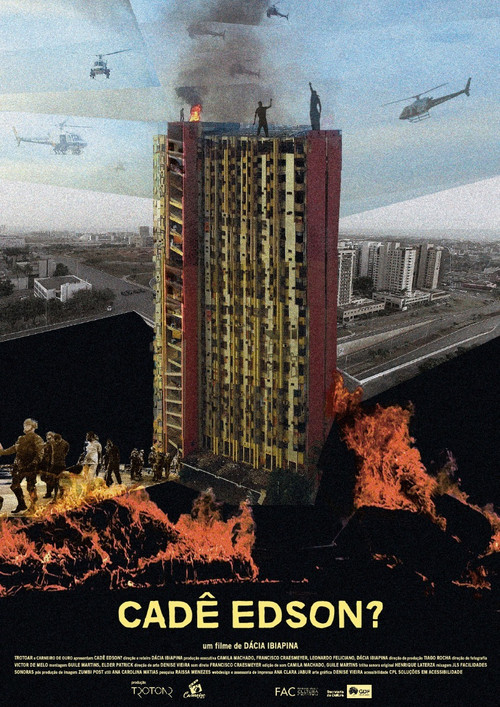
A film about popular movements in defense of housing. Introducing: the State against the Homeless, in the capital of Brazil.
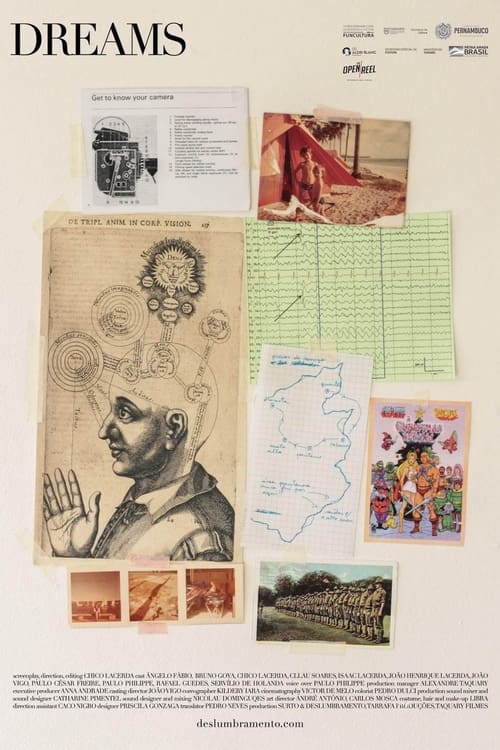
A documentary filmmaker sleeps with his camera to film the dreams he has at night.
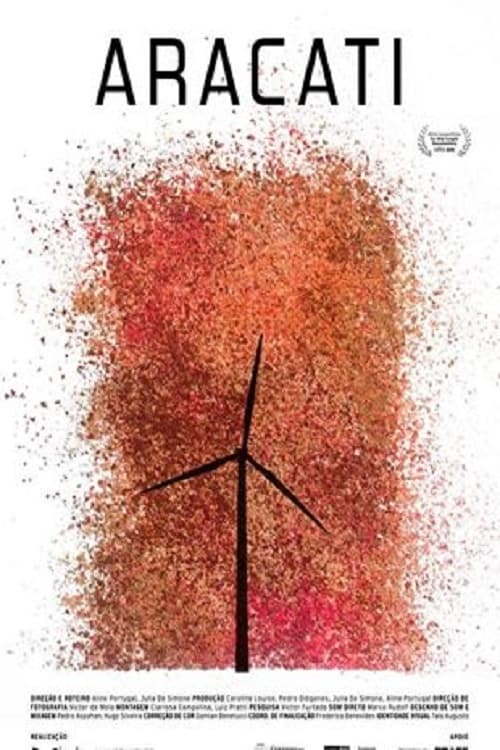
Vale do Jaguaribe, Ceará. Following the route of the Aracati wind, the film moves from the beach to the countryside. During this path, it observes the relationship between man and landscape, thetransformations of space and the limits between nature and artifice.
The cinematographic and literary versions of the same macabre plot are incorporated and establish tortuous relationships in an atmosphere where maintaining the mystery can be a matter of survival.
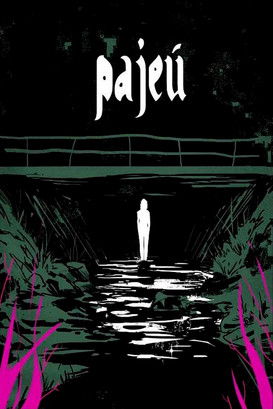
A terrified young woman is staring at a disturbing monstrosity, a kind of Pagan spirit that has sprung out of a river. Such is the opening scene of Pajeú, named after the creature, a fantastic character which follows the meanderings of the river and drives the story. Eager to get rid of a nightmare that is infecting her life, Maristela is looking into the story of Pajeú, the now forgotten figure buried in the depths of the city of Fortaleza. The film goes through successive urban transformations leading to the burying of Pajeú, a mystery imbued with supernatural elements.
No man is a failure when he has friends.
A film about the city. A film about people. We are living at the beginning of the era of urban society. A new field still ignored and unknown. And the scenario for the future is not yet established.
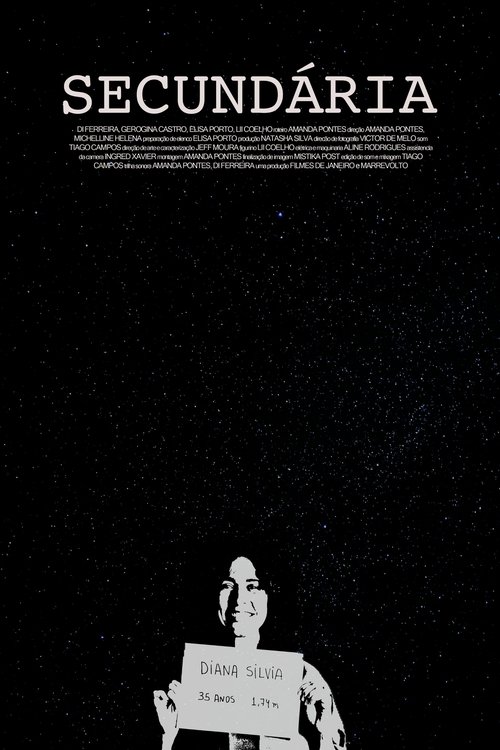
Diana is an actress going through a long casting process for a film. Real life and her interactions with her friends make her question what legacy she is leaving in this world.
Every day Benjamin drives his car through the city streets and intersections.
The TV, the bathroom, the window, the kitchen, the light and the shadow. Under the surveillance of crickets and cockroaches lives the strange and the common.
Dayane suddenly leaves. Her mother Marluce, her sister Mariana and her fiancé Antônio stay. Between the incessant search, silent resignation and silent denial, this touching family drama from Ceará is located.
An omen, a shred of time only. Suddenly the huge-bellied man jumps into the pool holding a glass of whiskey.