Acting
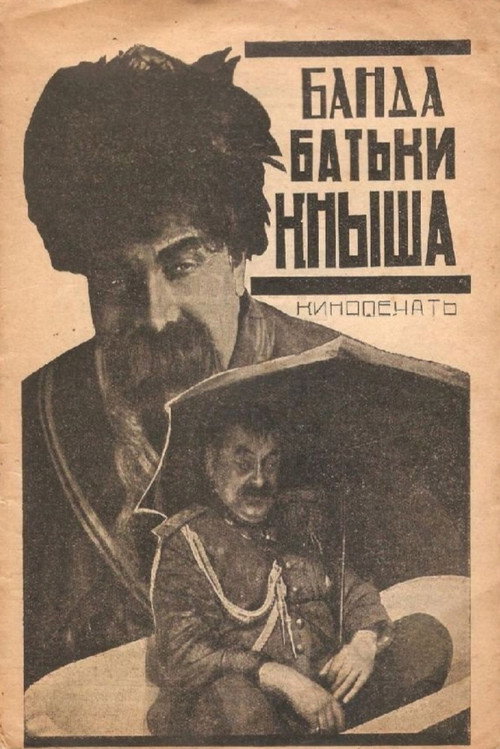
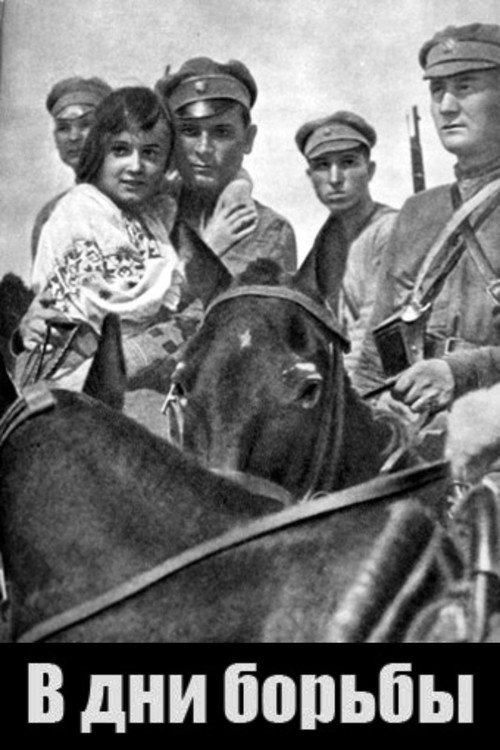
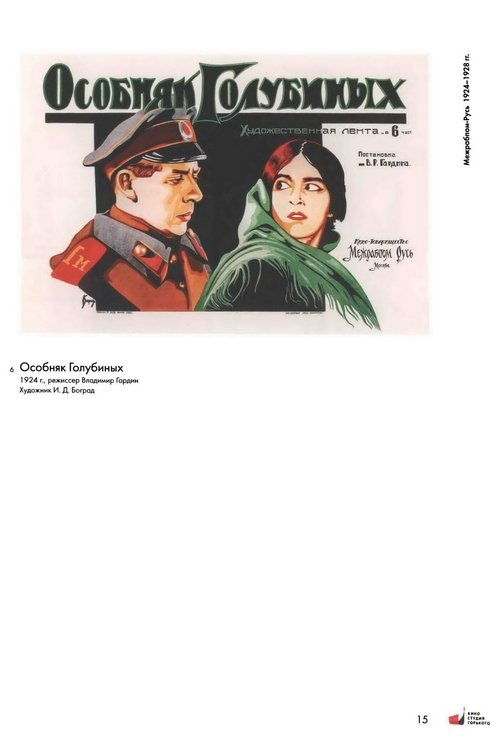
Silent film set in 1919 during the Russian Civil War. The Red Army liberated a small town, but a unit of White Russians is still operating in the suburbs. A group of Red Army officers are posing as a gang of Batka Knysh to provoke the White Russians before the final blow.
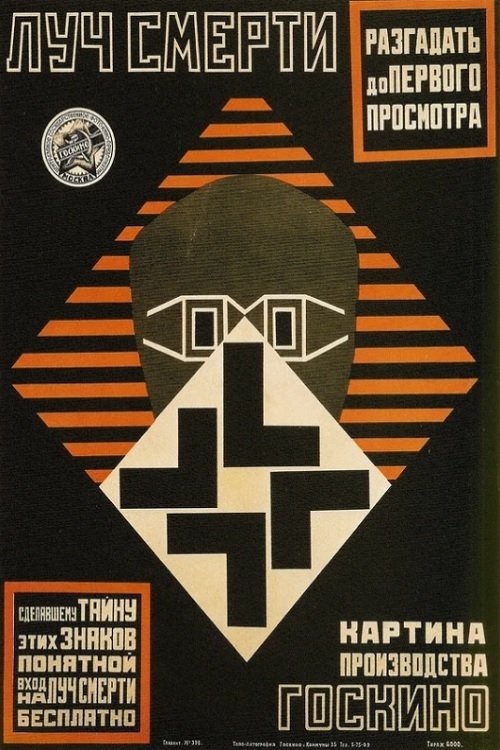
In a capitalist country, workers are heavily repressed but manage to get a Death Ray to fight back. Partially lost movie.
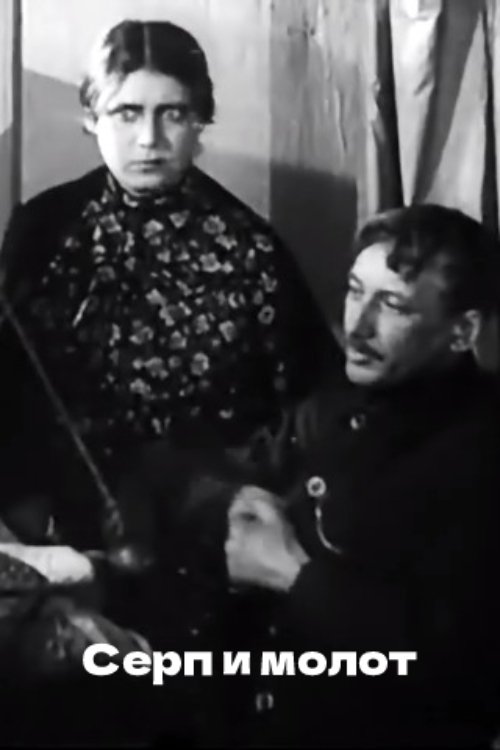
The vain station master of a Russian train station out in the sticks has a quarrel with an old peasant woman and has her thrown in jail. The local party youth organisation finally manage to get her released, after having to cut through lots of red tape.
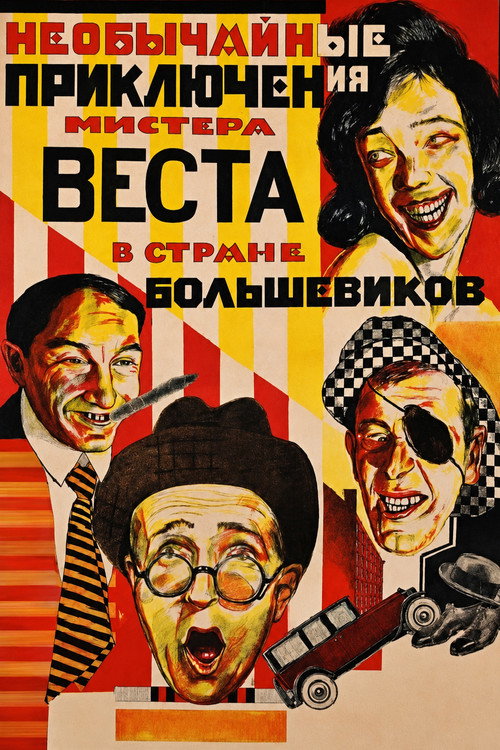
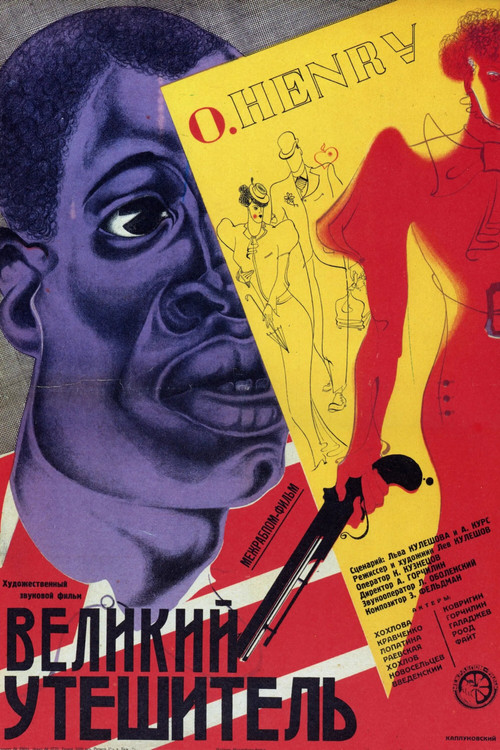
An ignorant and prejudiced American’s visit of Soviet Russia goes off the rails after his luggage is stolen and he is separated from his bodyguard.
An agit-film about the struggle of Ukrainian peasants against the White Poles. A young woman, the daughter of a blacksmith taken prisoner by the White Poles, and a Red commander organise a partisan unit. One scene depicts the capture of a Polish landowner attempting to elude capture. He had been hiding from the Red Army soldiers in a barrel. The peasants nailed the barrel shut and, having inscribed the words: ‘To Warsaw – to Mr Piłsudski’, threw it into the Dnieper. Lost film.
The Great Consoler is Lev Kuleshov’s most personal film reflecting both the facts of his life and his thoughts about the place of the artist in contemporary reality. It was the only film in the Soviet cinema of those years that raised the question of what role a creative person played in society.
A down on his luck peasant goes to fight in World War I and returns home a hero. Partially lost.
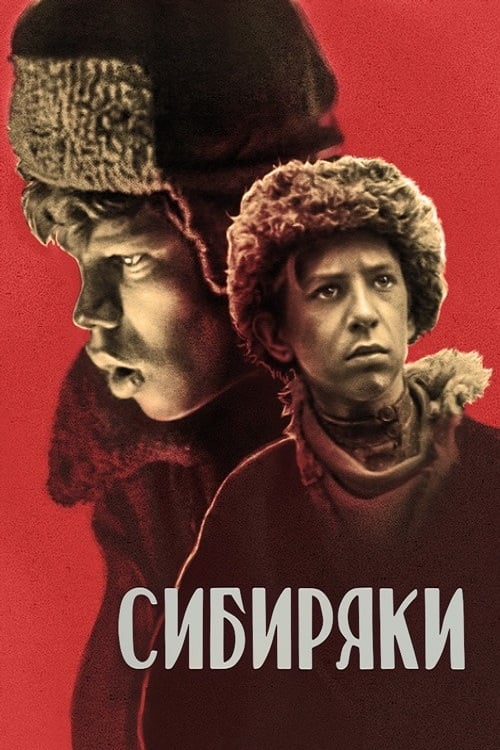
Two six-graders are trying to find the Stalin's pipe and return it to the owner.
As a response to criticism for the allegedly excessive “mass appeal” of his earlier epic STORM OVER ASIA (1928), Vsevolod Pudovkin unleashed his flair for experimentation in what was supposed to be the director’s first sound feature. Everything went wrong: technical problems forced him to complete the film as a silent; viewers were baffled by the lack of a recognizable plot; then, the ideological climate of the Soviet Union changed. He was now being blamed for catering to bourgeois taste! Time has come to set the record straight. Here’s lyrical cinema at its best, deliberately operatic and yet intimate as it matches the characters’ inner life with the solemn rhythms of nature, and depicted through breathtaking black-and-white photography. A sensation at last year’s Pordenone fest, Pudovkin’s long-forgotten swan song to the art of montage is resurrected by Gabriel Thibaudeau’s emotionally charged live music performance. –PCU (USSR, 1930, 75m)
No description available.
One Kuleshov film that might be of great interest to scholars is The Breakthrough (Proryv, 1930). It was made in 48 hours. Naturally, such an unusual work did not stay in cinemas for a long time.
A screen adaptation of excerpts from Jack London's dystopian novel of the same name describing the rise of the Oligarchy (the "Iron Heel") in the United States. The film was meant to be screened during theatre performances performed by the same actors.