Compton Bennett
Directing
Biography
Herbert William Compton Bennett (15 January 1900 – 11 August 1974), better known as Compton Bennett, was an English film director, writer and producer. He is perhaps best known for directing the 1945 film The Seventh Veil and the 1950 version of the film King Solomon's Mines, an adaptation of an Allan Quatermain story. Bennett was born in Tunbridge Wells, England. At the beginning of his career, he worked as a band leader and a commercial artist before trying his hand at amateur filmmaking. One of these early films helped him land a job at Alexander Korda's London Films in 1932. There, he became a film editor; later he would help make instructional and propaganda films for the British armed forces during World War II. Bennett's films tended to be sombre, but were very popular with the moviegoing public. In 1946, Bennett accepted an invitation to go to Hollywood for Universal. It was, however, during this time that he directed King Solomon's Mines. He was replaced during filming by Andrew Marton. Bennett eventually returned to the UK. From 1954 to 1957, he left film work to pursue interests in the theatre and television, but produced four films in 1957, After the Ball, Man-Eater, That Woman Opposite and The Flying Scot. Although he continued to write and direct for film and television, his subsequent productions were not as well received.
Known For

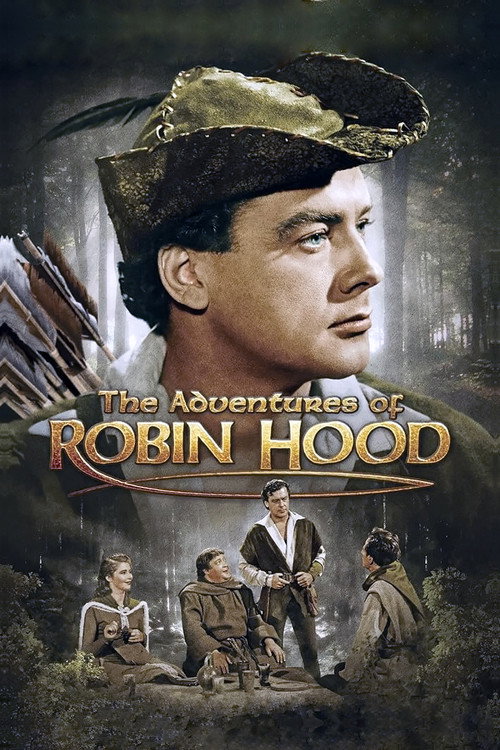
The legendary character Robin Hood and his band of merry men in Sherwood Forest and the surrounding vicinity. While some episodes dramatised the traditional Robin Hood tales, most episodes were original dramas created by the show's writers and producers.
The Adventures of Robin Hood

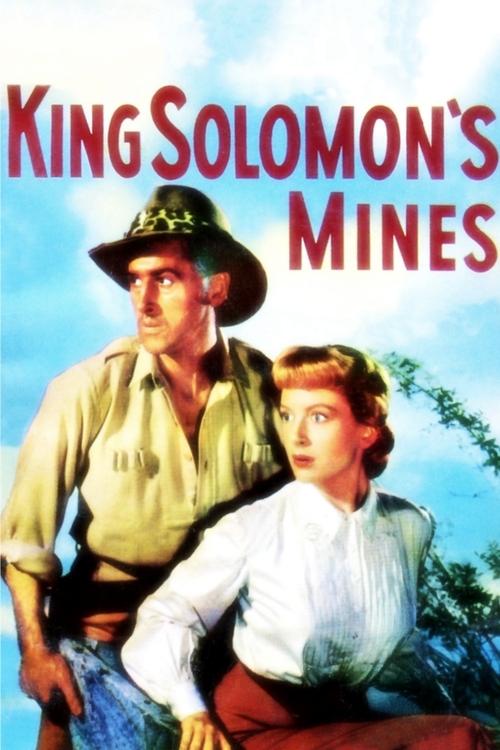
Fortune hunter Allan Quatermain teams up with a resourceful woman to help her find her missing husband lost in the wilds of 1900s Africa while being pursued by hostile tribes and a rival German explorer.
King Solomon's Mines

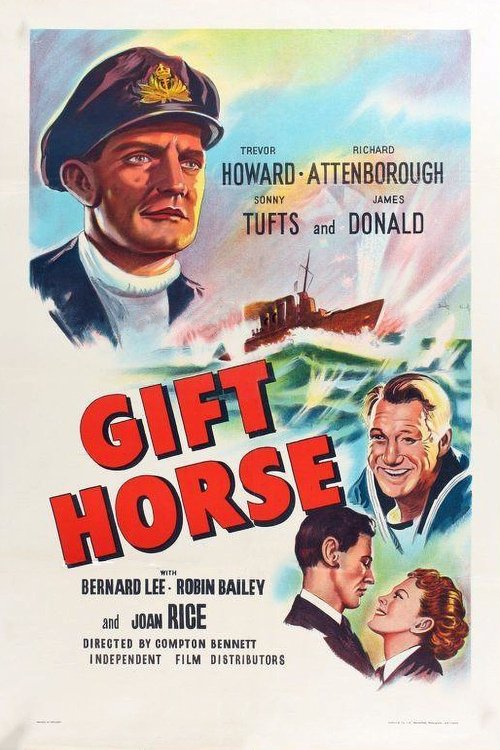
Compton Bennett's war drama The Gift Horse follows the fortunes of ageing destroyer The Ballantrae and her crew from the time they come together in 1940 until the climactic raid on occupied St Nazaire in 1942. Trevor Howard plays Lt Cmdr Hugh Alginon Fraser, the newly appointed captain, back in service after having left the navy following a court martial.
Gift Horse

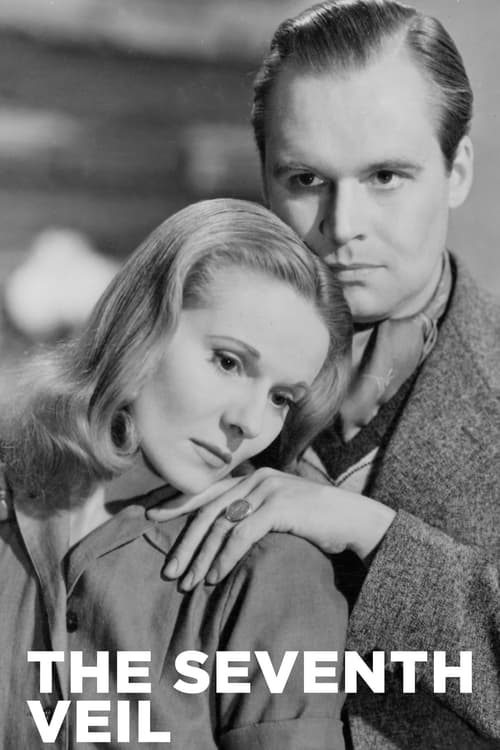
A concert pianist with amnesia fights to regain her memory.
The Seventh Veil

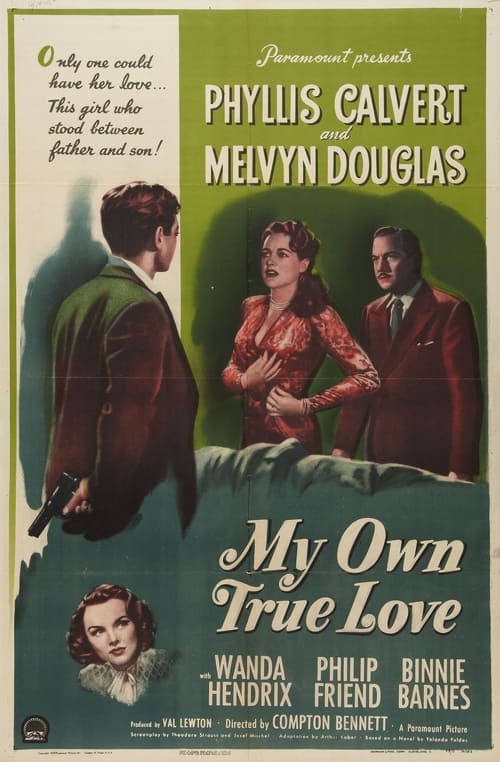
Following World War II, a woman tries to help her fiance understand his son's traumatic experience as a G.I., during which he lost a leg and was imprisoned in a Japanese POW camp.
My Own True Love

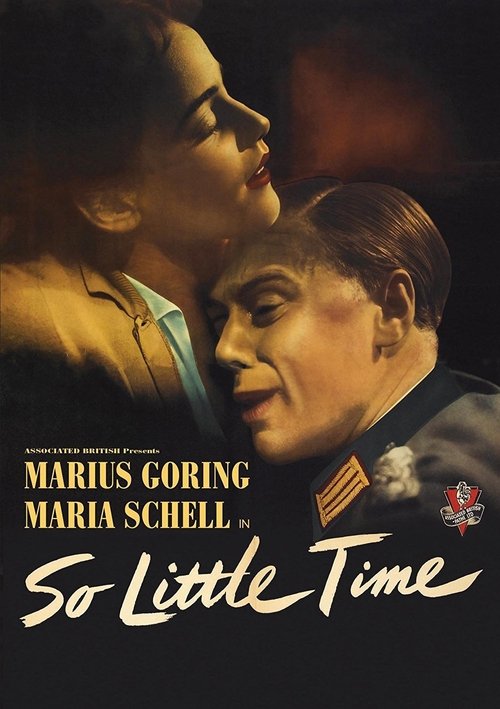
During World War II, German soldiers occupy the home of a beautiful Belgian girl and her mother.
So Little Time

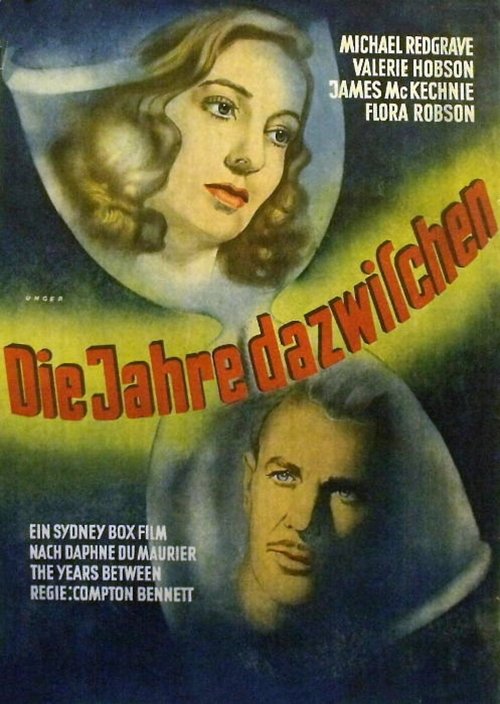
After hearing news that her officer husband has been killed in battle, Diana Wentworth forges a new life for herself, becoming an MP and learning to love again. Then, out of the blue comes the shattering news that her husband is not dead after all.
The Years Between

A gang of four would-be robbers plans to steal a fortune in currency hidden aboard the "Flying Scotsman" in a railroad stateroom by cutting through the wall of the adjacent stateroom, but find themselves up against numerous unexpected drawbacks, including interference by their fellow passengers.
The Flying Scot

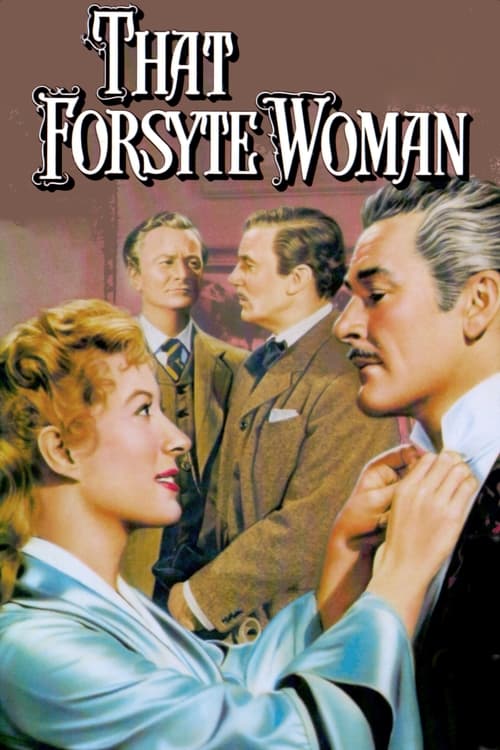
Soames and Irene Forsyte have a marriage of convenience. Young Jolyon Forsyte is a black sheep who ran away with the maid after his wife's death. Teenager June Forsyte has found love with an artist, Phillip Bosinny. The interactions between the Forsytes and the people and society around them is the truss for this love story set in the rigid and strict times of the Victorian age.
That Forsyte Woman

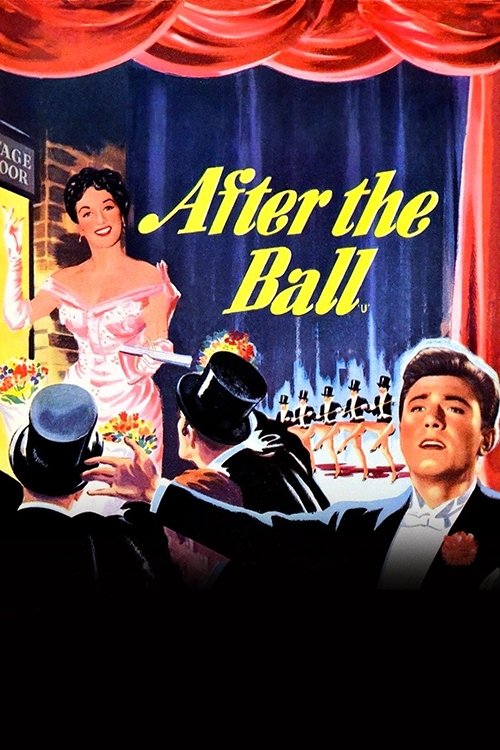
The life and loves of Music hall singer Vesta Tilley, who married into the nobility
After the Ball

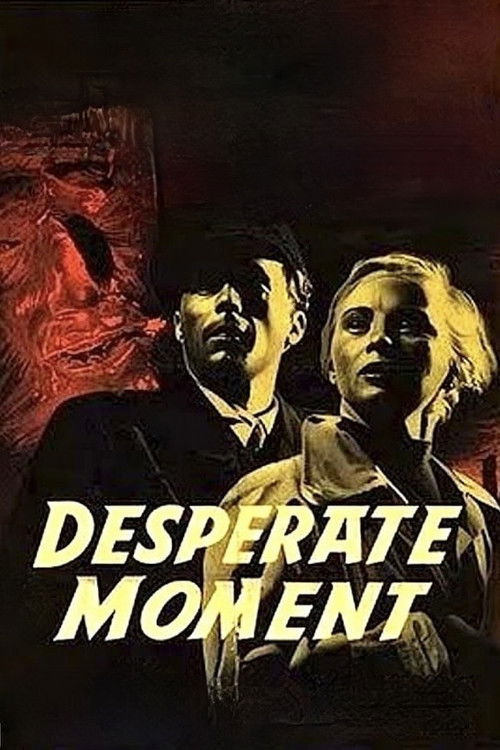
Story of a Dutchman's flight across post-war Germany trying to locate the man who alone can clear him of a false murder charge. (BFI Website)
Desperate Moment

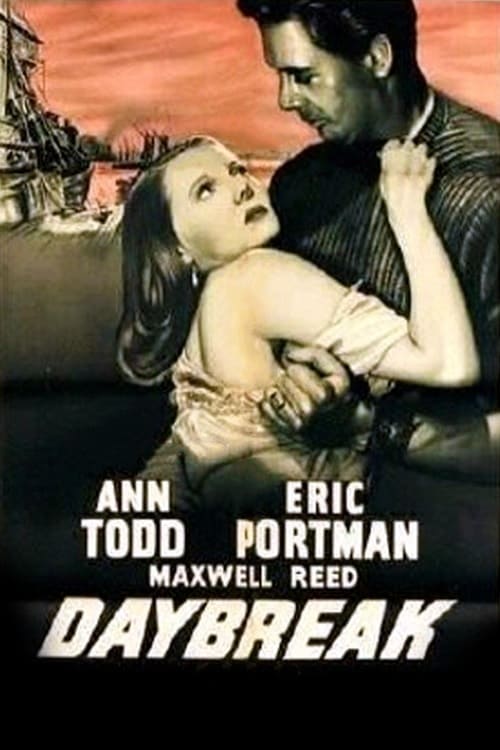
A mysterious barber hides a secret identity that eventually leads to tragedy.
Daybreak

In a French coastal town, Det. Dermot Kinross is inspecting the murder of antiques dealer Maurice Lawes, and the evidence points to Lawes's son, Toby -- and especially to Toby's bride-to-be, Eve Atwood. Eve's ex-husband, Ned, had his eyes set on something Lawes possessed.
That Woman Opposite

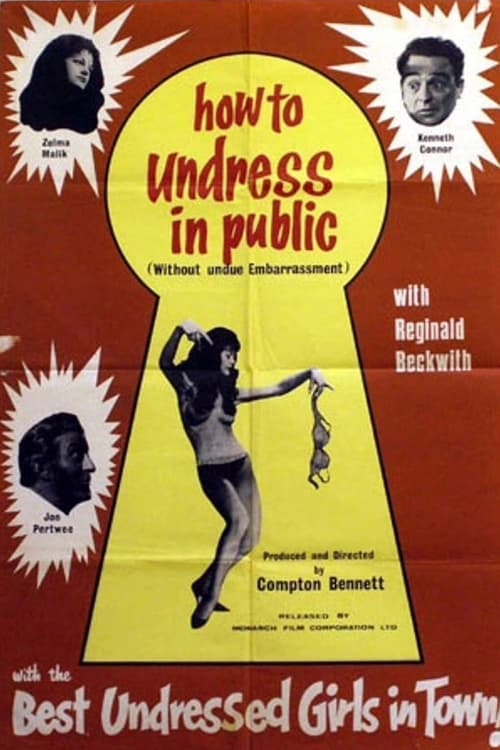
Comic survey of methods of undressing through the ages, from Victorian modesty to modern strip clubs.
How to Undress in Public Without Undue Embarrassment

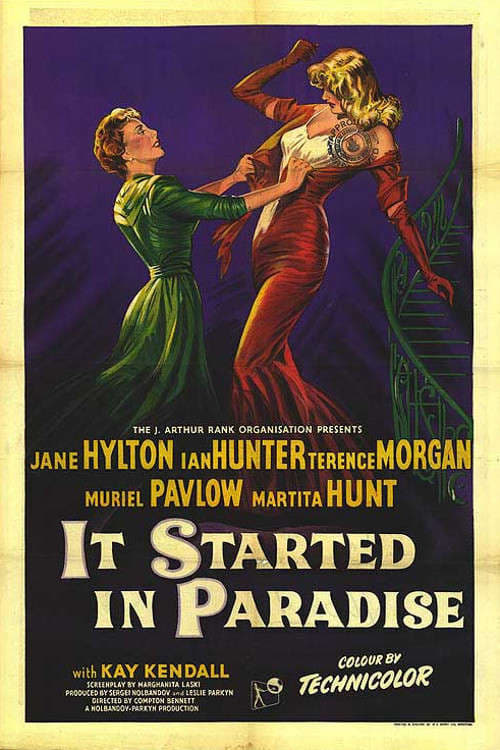
A talented dress designer, who lets nothing get in the way of her success, rises in the fashion world then loses contact with her own humanity. She also forgets that you meet the same people on the way up as on the way down.
It Started in Paradise

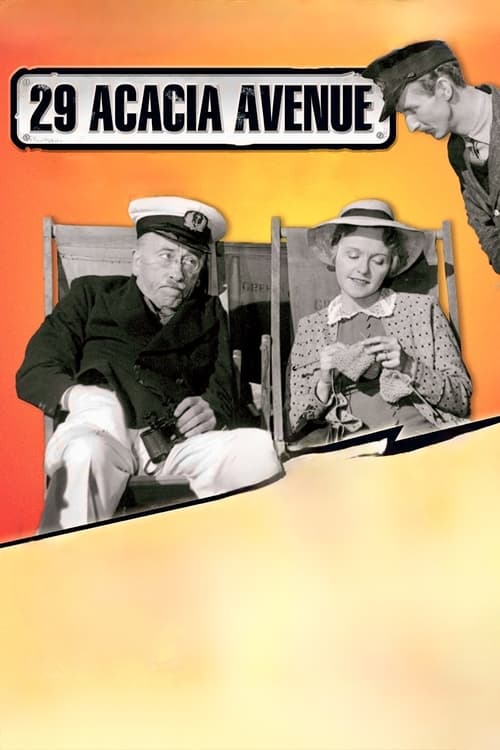
The Robinsons are two respectable middle class parents living with their children in a suburban house in Acacia Avenue. Preferring to holiday every year in Bognor, they are pressed into booking a cruise for their annual vacation and thereby leaving their teenage children free run of their house. As the youngsters enjoy their newfound freedom and discover the angst of teenage life, Mr. and Mrs. Robinson begin to have second thoughts about their cruise and decide to return home early.
29 Acacia Avenue

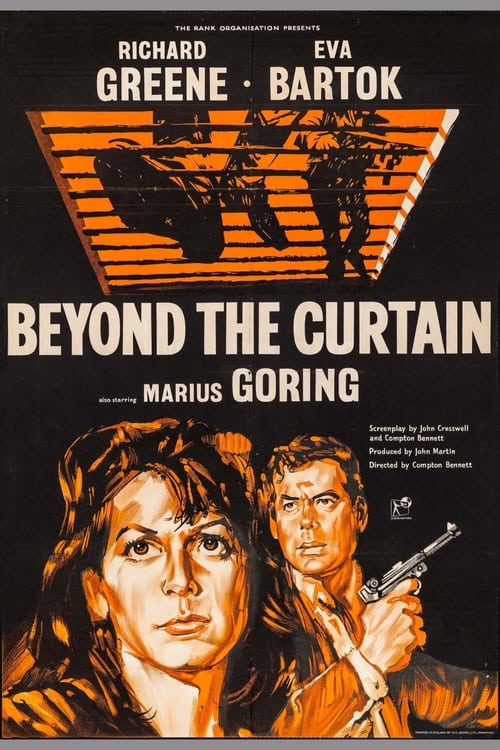
A British flight officer plans to rescue an airline stewardess who is trapped in East Germany.
Beyond the Curtain
This short film features two atmospheric scenes from Shakespeare's famous tragedy: Act II Scene 2, the murder scene, and Act V Scene 1, with Lady Macbeth and that damned spot. The wonderful Wilfrid Lawson and Cathleen Nesbitt make such a fine murderous duo in the first scene that one wishes the whole play had been filmed. At least we have the sleepwalking scene as compensation, where Nesbitt is joined by Felix Aylmer and Catherine Lacey. This is one of two short films produced under the umbrella title Famous Scenes from Shakespeare
Famous Scenes from Shakespeare No. 2: Macbeth Act II, Scene 2 and Act V, Scene I

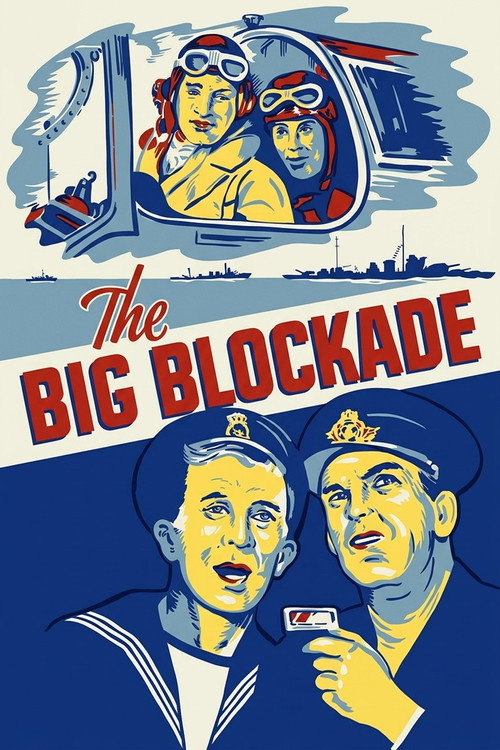
Wartime propaganda piece reporting on the success of the economic blockade of Germany in the early years of the war.
The Big Blockade

Wartime commando story based on fact. Allied airman risks return (on the ground) to occupied France for the honour of his regiment.