Acting
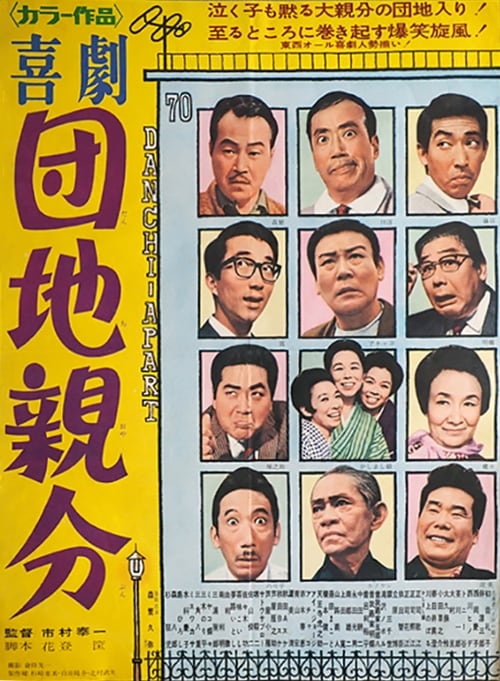
A country boss gives up his way of life because of his daughter's marriage.
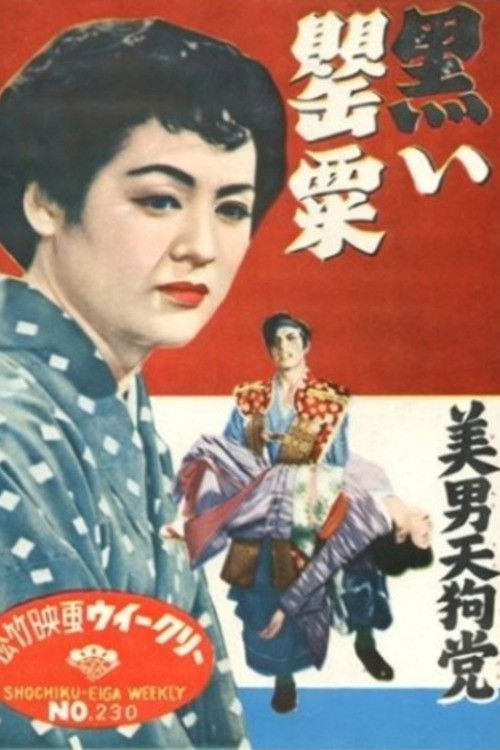
During the tumultuous end of the Tokugawa shogunate, the Tengu Party rose in rebellion in Mito. Friends from their hometown, Tanaka Genzo and Fujita Koshiro, each walked different paths. Koshiro, who upheld the philosophy of "Revere the Emperor, Expel the Barbarians," became a leader of the Tengu Party, taking refuge in the mountains. Genzo, however, did not have any particular ideological stance.
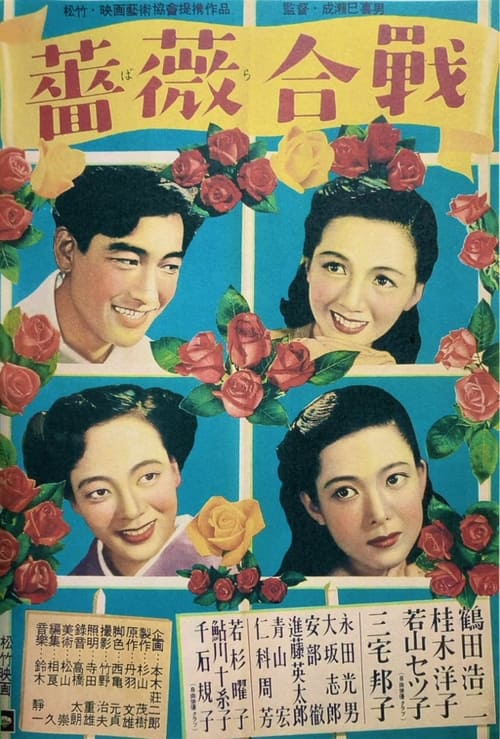
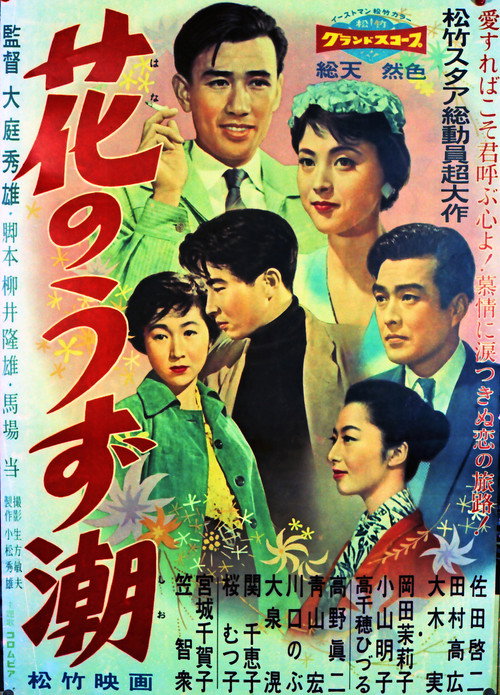
Following the death of Mr Masago, his wife Satomi loses the family's cosmetics company to Mr Mogy due to huge amount of withdrawal debt caused by her husband. Mogy blackmails Satomi's sister Hinako into marrying him, so he will not send Masago to jail, and Satomi wrongly understands that Hinako is dating Mogy.
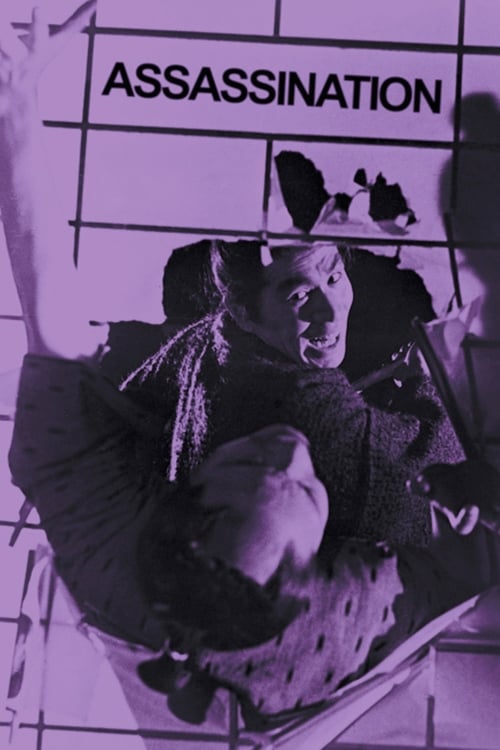
In 1863, when American warships approach Japan, an enigmatic ronin becomes an important figure in a complex game of power between the Shogunate and the empire.
Misawa Ihei (Nagato) is traveling with his wife Tae (Iwashita Shima) who abhors the practice of sword fighting for prize money. Tae is the daughter of the clan's chief counselor who married the low-ranking Ihei to avoid becoming the clan lord's mistress. Into the mix comes Oba Gunjuro (Tetsurō Tamba), a mysterious ronin who will do anything for money. This leads to a fitting climax as the forces of hate and love converge while the couple attempt to break through the border!
Comedy of a phony doctor.
Japanese life during the past thirty-five turbulent years is depicted in this film through the eyes of two police detectives. One is Henmi, who comes to Tokyo in 1926 from faraway Kagoshima to join the Tokyo police force. His closest friend is Nihei, a farmer's son from Tohoku who becomes the steadying influence on headstrong Henmi.
No description available.
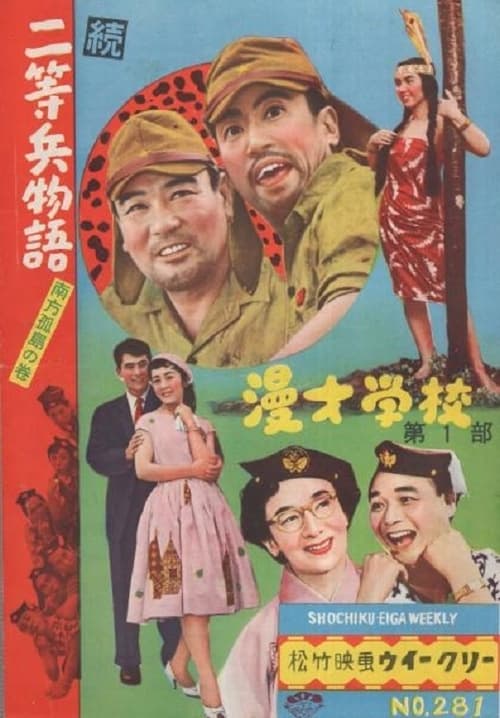
Second sequel to "Story of Second Class Private".
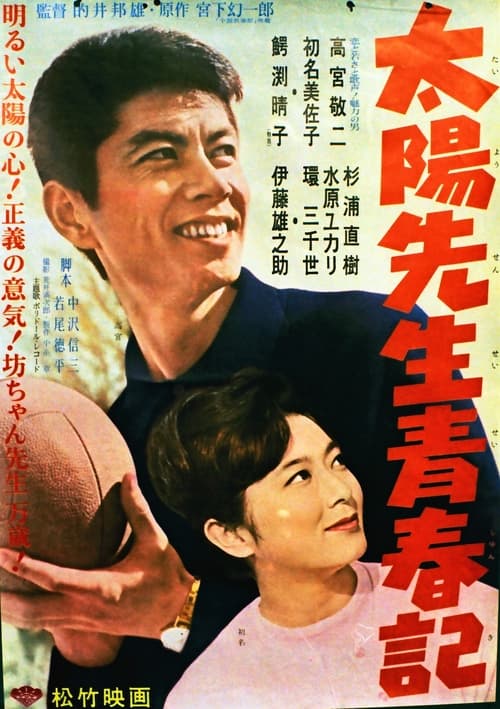
Movie directed by Kunio Matoi
On March 11 in the seventh year of Tenpo (1836), a monk named Bennō, who fell in love with a geisha named Oshima, was publicly exposed at Nihonbashi for committing an illicit act with a woman. While this was happening, an extravagant procession led by another monk named Nikkei passed over the bridge. Nikkei, the head of the Kanouin temple, in collusion with Nakano Harima-no-Kami, had schemed to make his younger sister, Miyoshi, the Shogun's mistress and aimed to transform Kanouin into the Shogun's family temple. To fund the renovations, Nikkei accepted bribes from a corrupt merchant named Koya Bunzo.
The tale of a feudal swordsman who cynically takes no responsibility for anything, relegating it to others, and then taking the credit.
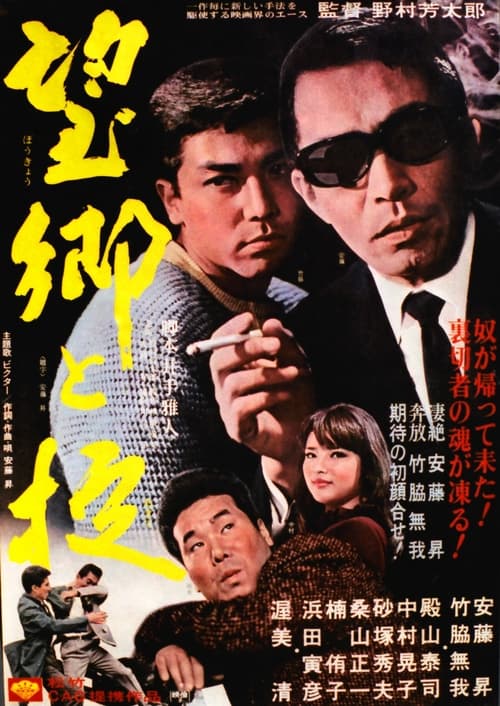
Shochiku's popular series of gang films, this one has the hero returning from prison bent on revenge. He runs into Chinese hoodlums, blackmailers and gold-smugglers. But he also aids and abets young lovers yet, despite his help, their love ends in tragedy and he tracks down his prey in Kobe.
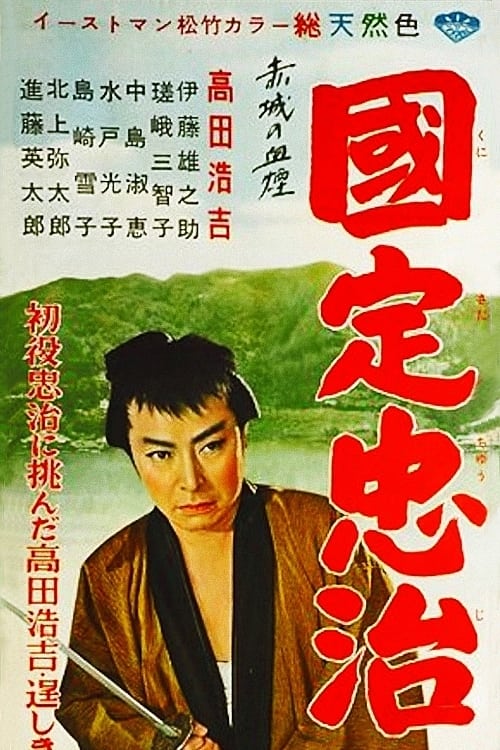
Chuji Kunisada runs into strange adventures which tests his skill as a samurai as he untangles intrigue and murder against the backdrop of the majestic Mount Akagi.
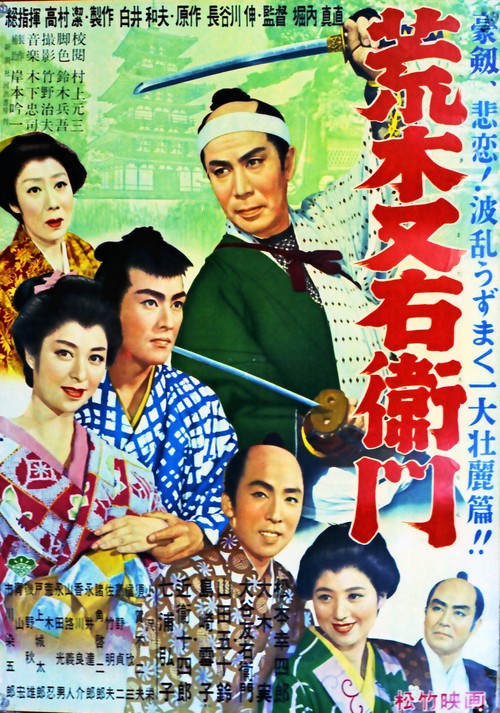
Watanabe Kazuma and Kawai Matagorō from the Bizen Okayama Ikeda clan were close friends, but they inevitably became enemies after Matagorō killed Kazuma's younger brother, Gentayū, and fled. Seeking assistance, Kazuma asked his brother-in-law, Araki Mataemon, for help, but Mataemon refused, saying that it was against the code for a brother to avenge another brother's death. On the other hand, the lord of the clan, Ikeda Tadao, ordered a search for Matagorō, who was found to be sheltered by the Hatamoto, including Andō Jiemon, in Edo. Tadao was furious but unable to act. Matagorō, in Edo, came to regret his birth as a samurai. He met and fell in love with Okō, a bathhouse maid. As the discord between the Hatamoto and the Ikeda clan deepened, Tadao died of illness. Seizing the opportunity to ease the conflict, the shogunate ordered the Ikeda clan to be succeeded by the young lord Katsugorō and to relocate to the Ikeda clan of Inshū Tottori. Meanwhile, Matagorō was exiled from Edo.
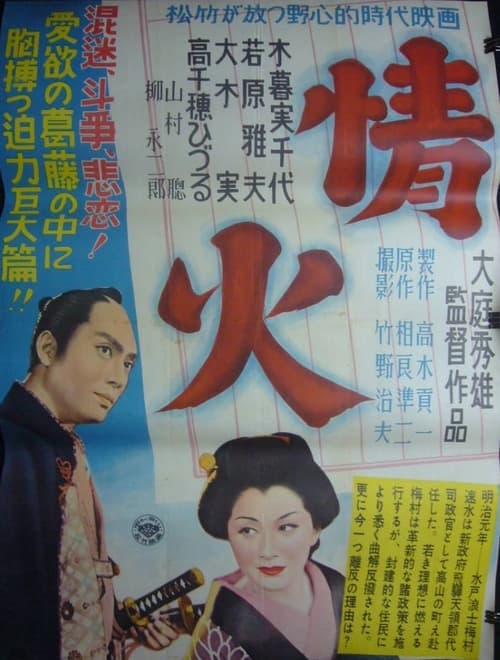
The time was the first year of Keio (1865). Upon hearing the news that the Imperial Army was approaching Hida Takayama, the district head Shimizu Uzen fled to Edo. Local officials like Yoshida Bunsuke and Yoshizumi Hironoshin showed their allegiance by welcoming them. The commander at the time, Umemura Hayami, was a former member of the Tengu Party and had previously been pursued in the town. He took refuge in a restaurant named Kabuya, and owing to a tip-off from a woman named Oraku, he was almost captured for her lover, Yoshizumi. Oraku and Yoshizumi probably feared revenge from that previous encounter, but Umemura had come back to Hida because he couldn't forget Oraku.
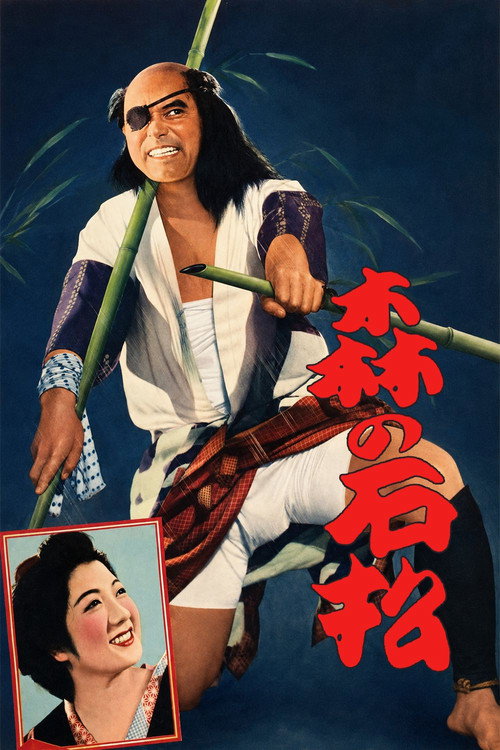
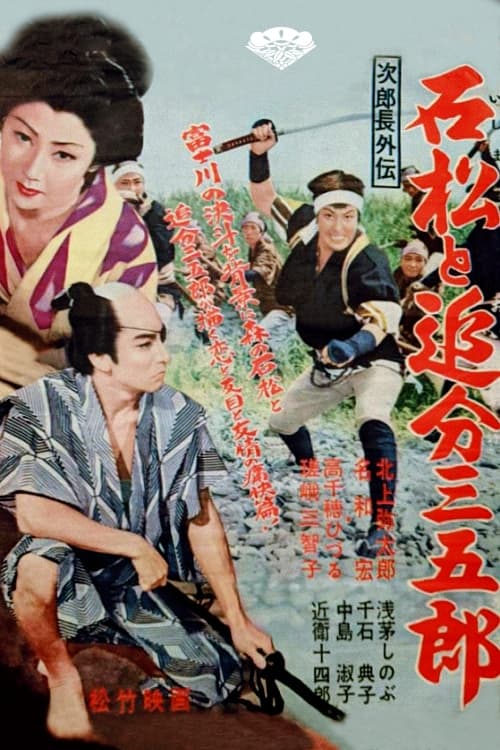
Ishimatsu is strong in fights, but weak in relationships with women and enjoys great popularity among them, and we see how an exciting historical drama about love, enmity and friendship is played out.
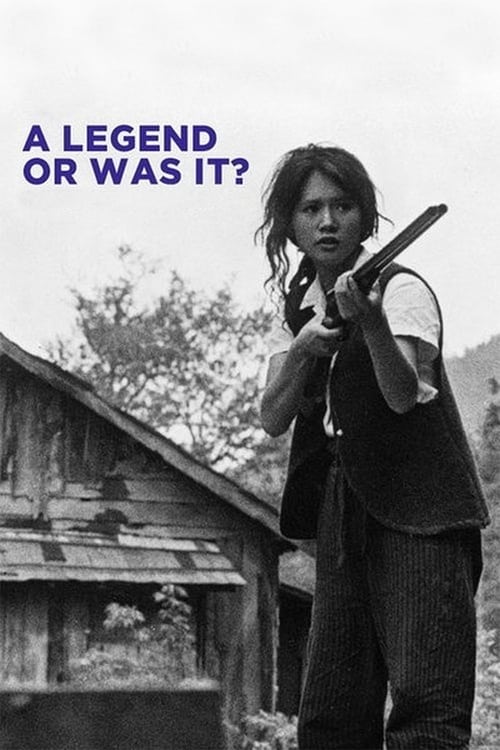
A Tokyo family escaping the war relocates to a Hokkaido village; their daughter is set to marry the local leader's son, but her siblings disapprove.