Acting
The film concentrates on the last days of the German navy during World War II.
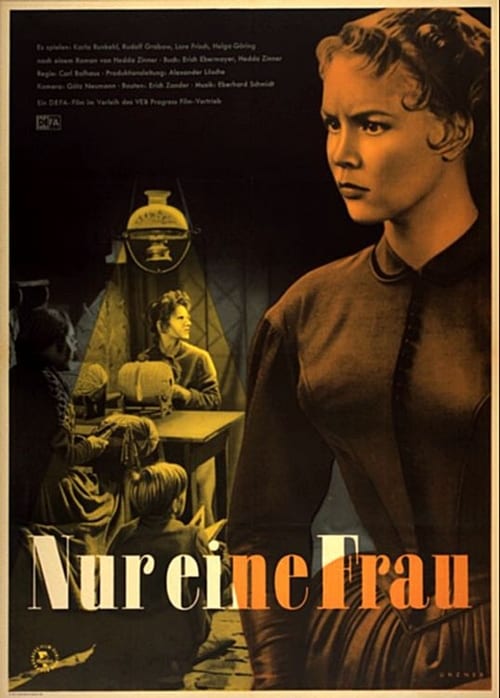
The film tells the life story of Louise Otto Peters, who in the middle of the XIX century in Germany for the first time raised a voice of protest against the unfair treatment of women and their labor. She created the first "women's newspaper" in Germany. The daughter of a famous lawyer, Louise could have easily arranged her life by marrying the wealthy Baron Rodern. But she chose a different purpose in life - to fight for equal rights for women. Through her articles and public speeches, she won the authority and respect of ordinary people.
Two dubious characters disguise themselves as Holmes and Watson to gain attention and end up chasing counterfeiters and stolen stamps.
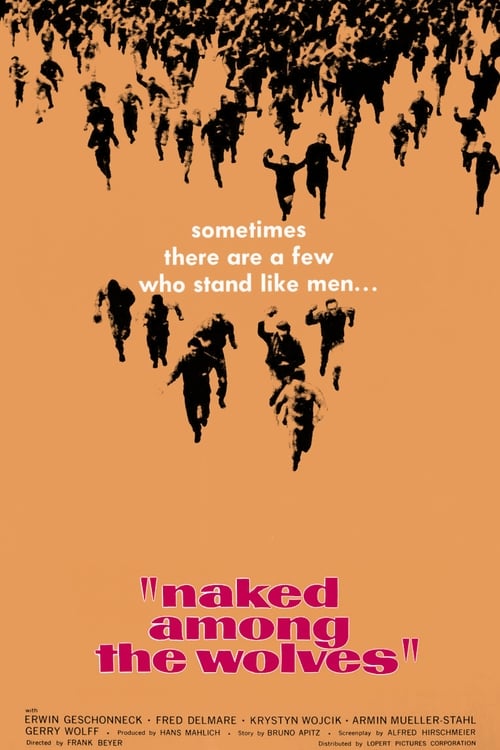
Based on a true story of inmates at KZ Buchenwald that risked their lives to hide a small Jewish boy shortly before the liberation of the camp.
At the VII Party Congress of the SED, a delegate tells a reporter his life story: 18-year-old returning soldier Georg Lendau ends up in a small village in 1945. He is starving and sick. Mayor Kallam helps. Later, they meet again; Kallam is now the director of a heavy engineering company. He gives Georg, who is a lathe operator, work. But Kallam has more plans for him and wants to send him to university. Georg refuses. An extra shift, which he only did so that he could buy his future wife wedding shoes, brings him into conflict with backward colleagues - and the realization that you first have to work better if you want to live better. He followed this insight with action, becoming a master craftsman, comrade and student.
The film chronicles the last ten years in the life of Nobel Peace Prize recipient Carl von Ossietzky (1889-1938).
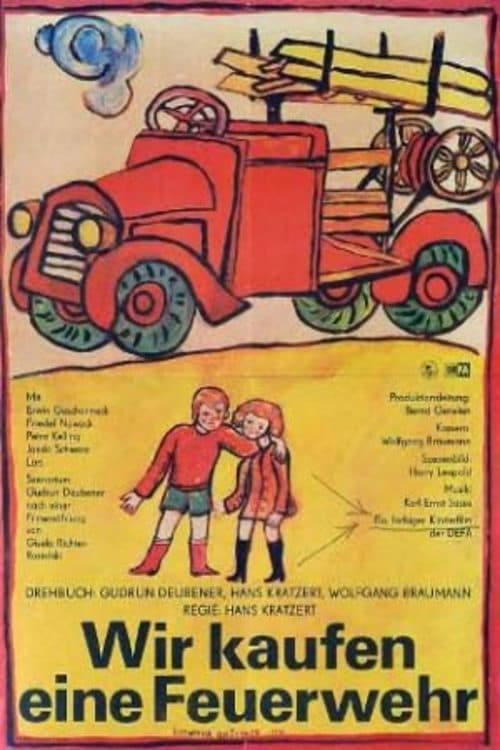
Little Matti and his friends are restoring the old abandoned fire truck .
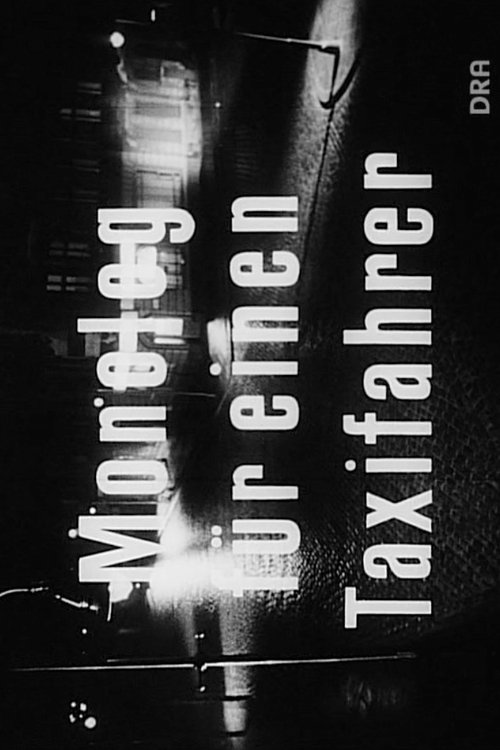
A film about the experiences of a cab driver who drives a young, heavily pregnant woman who has collapsed in a store to hospital. The encounters during the subsequent search for the future father so that he can take the expectant mother's things to the hospital are shown. The GDR leadership argued that the film should be banned.
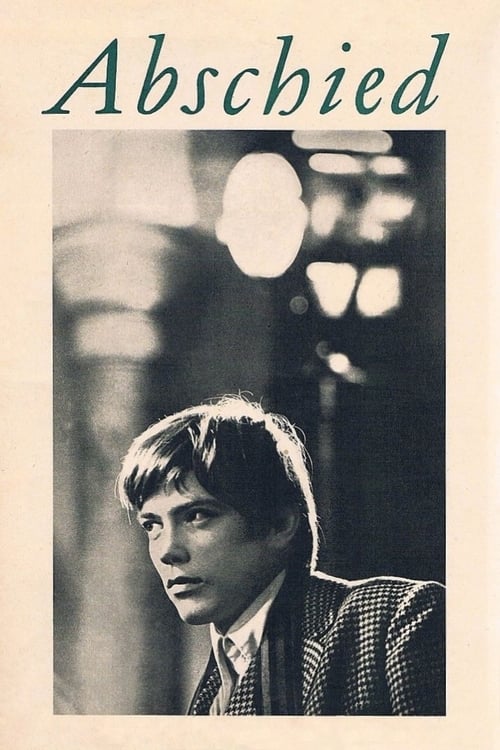
In August of 1914, amidst the public ecstasy surrounding the impending war, Hans Gastl, the young son of a Munich bürger, makes a decision: he will not take part in this war. This resolution signifies a turning point in his life; a farewell to his class and his family.
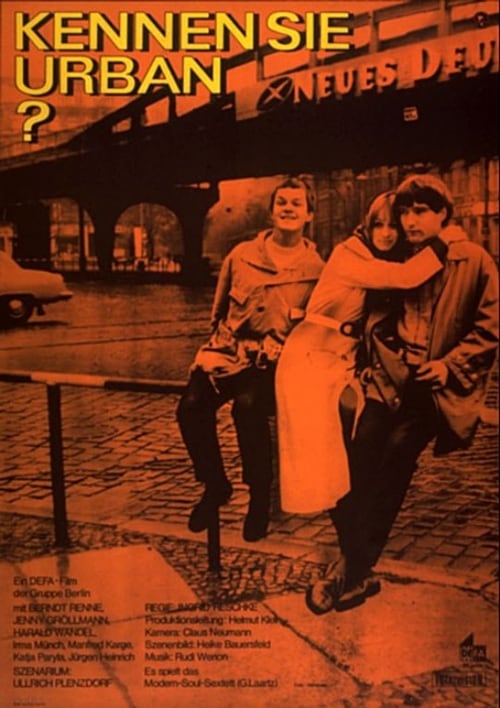
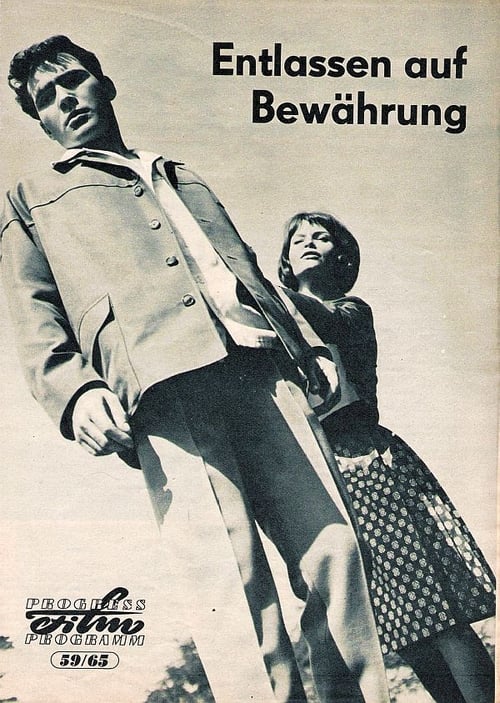
Hoffi is starting fresh after his release from prison. He travels with his brother to different construction sites in search of Urban, an acquaintance and role model he met during a brief hospital stay. Along the way, Hoffi meets Gila, who sees beyond his past in prison. Despite disapproval from her family, Gila decides to build a relationship and future with Hoffi, but Hoffi initially hesitates at this responsibility. It takes the encouragement of his workers’ brigade for Hoffi to realize his mistake and give his relationship with Gila a chance.
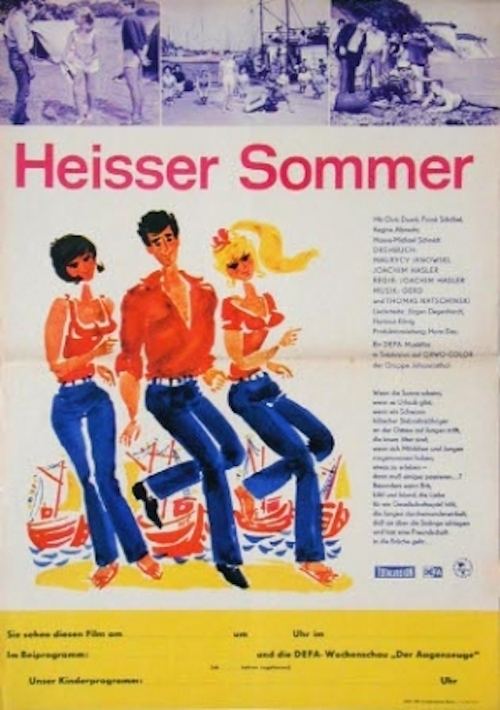
In this East German teen musical, a group of girls are planning to take their summer vacation together on the Baltic coast. When a loud and obnoxious group of boys intrudes on their holiday, the girls are horrified to learn that the boys have the same vacations plans as them. The two groups quarrel with each other and compete over a number of things, but gradually an attraction starts to form.
Albert Hauptmann is an out of work waiter in Cologne who is often confused with a former Captain of the Nazi Army. Albert uses this to his advantage and becomes the Director of the Montan Corporation, and a member of the West German Parliament. Herr Karjanke, the real Captain, learns of Albert’s ruse, and wants to claim his "rightful" position in Parliament. But Karjanke cannot come forward until his politicking "Doppelganger" succeeds in passing an amnesty law for war criminals. When Albert is finally brought before a judge on charges of fraud, he learns that this own amnesty law does not apply to him.
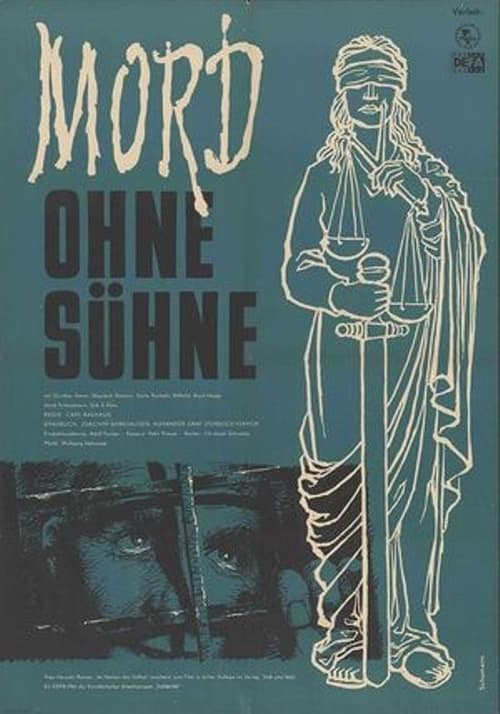
Based on an authentic case from the 1920s. The head country constable Heinz Lippert arrests the Polish farm worker Jakubowski on suspicion of murdering a child - his adopted son. Although he has insufficient evidence, public prosecutor Becker takes the case to court. Jakubowski is sentenced to death, the "Polish murderer" fits in with the propaganda of the time. Lippert, encouraged by the communist editor Hartmann, tries to prevent the sentence from being carried out and even investigates the real perpetrator. In vain, the death sentence was carried out prematurely. After the Nazis seized power, the public prosecutor, now an SS leader, had the men who had uncovered the true facts arrested. Lippert joins the underground resistance.
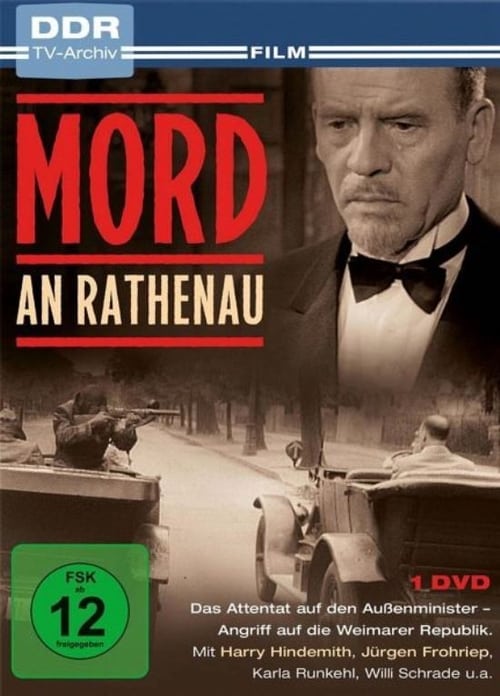
Germany 1922 during the Weimar Republic: Foreign Minister Walther Rathenau signs the Treaty of Rapallo between Germany and the Soviet Union. German national, conservative forces then speak of betrayal and anti-Semitic tones become loud. Plans for murder Rathenaus are forged in the vicinity of the Freikorps. The young engineer Horst Bergmann learns about the preparations of the assassination attempt and tries to warn Rathenau.
After causing a deadly hit-and-run motorcycle accident, Conny Schenk spends two years in prison, where he is able to complete a printing apprenticeship and is released early for good behavior. While he is still on probation, money is stolen at the company where he works and everyone is quick to suspect Conny. Can he overcome his past mistakes and start fresh, or will the mistrust of his colleagues and friends become a self-fulfilling prophecy?