FEEL IT.STREAM
Denys Desjardins

Denys Desjardins

Directing

Biography

According to the Dictionary of Quebec Cinema, Denys Desjardins is a "jack-of-all-trades filmmaker with an overflowing love of movies that characterizes most of his films." Producer, filmmaker, screenwriter, camera operator, and editor, he has directed many films and websites, both for the private sector and at the National Film Board of Canada.
Known For

My Conversations on Film
3.2

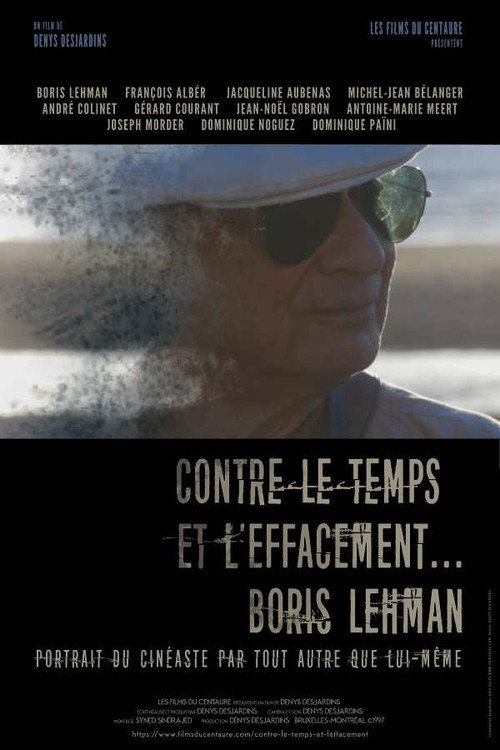
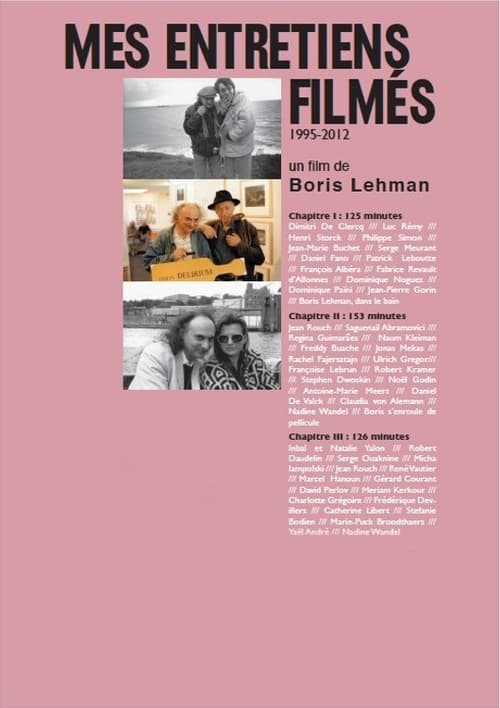
This distinctly personal journey into the artistic possibilities of independent film is not to be missed. Jonas Mekas, Jean-Pierre Gorin, Robert Kramer and many other visionaries and mavericks of the silver screen – as well as a book seller, a critic and a psychoanalyst – discuss what cinema has meant to them, what it is and what it could be and, implicitly, how it has changed over the 18 years in which this film was shot. Director Boris Lehman leads the charge, drawing in moments of absurdist humour and inventive camera work; he keeps things raw and spontaneous. His encounters with the now much-missed Jean Rouch and Stephen Dwoskin are particularly touching and stand testament to their personal playfulness and candour. An engaging, absorbing, epic odyssey of a movie.

My Conversations on Film

2013
Mon œil pour une caméra
N/A

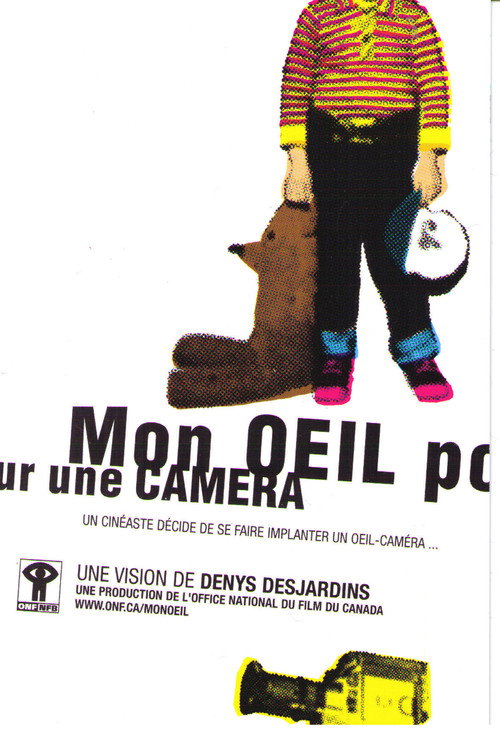
A filmmaker, fascinated by the power of the camera and obsessed with the theories of Russian film pioneer Dziga Vertov, decides to get a camera eye to replace the real eye he lost as a child. The visionary quest begins on the operating table, where a surgeon grafts a prototype ocular implant into his eye socket. Seeking a microscopic camera that could be incorporated into his artificial eye so he could secretly film whatever he sees, the filmmaker explores the futuristic technology that could make this possible, while revisiting chapters of his own past.

Mon œil pour une caméra

2001
Making Movie History: Evelyn Lambart
N/A

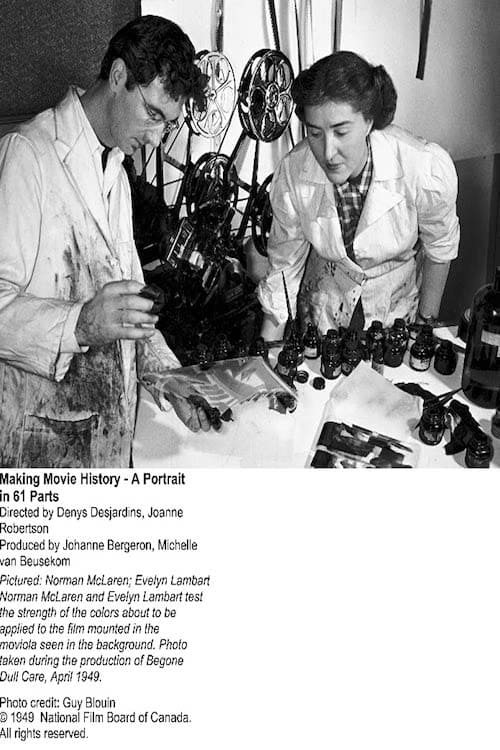
Animation pioneer Evelyn Lambart recalls arriving at the NFB in the 1940s, her celebrated collaborations with Norman McLaren and her approach to her solo work.

Making Movie History: Evelyn Lambart

2014
Rebels with a Camera
N/A

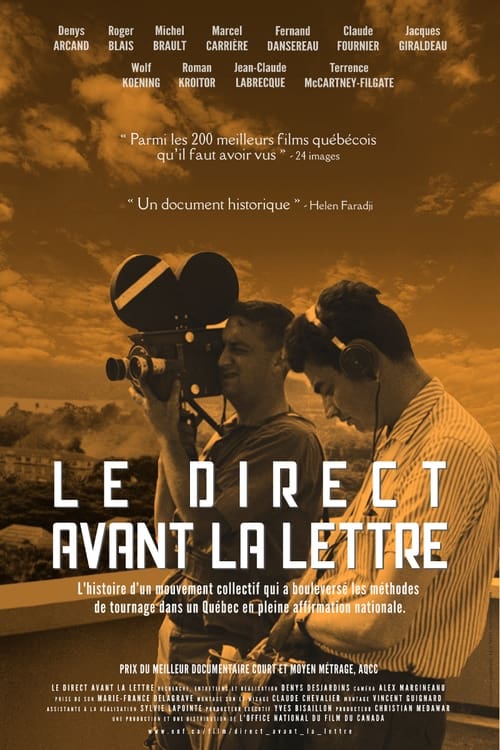
Thanks to the development of techniques and the adventurous spirit of pioneering filmmakers, among whom Michel Brault occupies a central place, a new way of making cinema was born at the turn of the 1950s and 1960s. This film relevantly retraces the history of a collective movement which revolutionized production and filming methods in Quebec and the world.

Rebels with a Camera

2006
I Lost My Mom
N/A

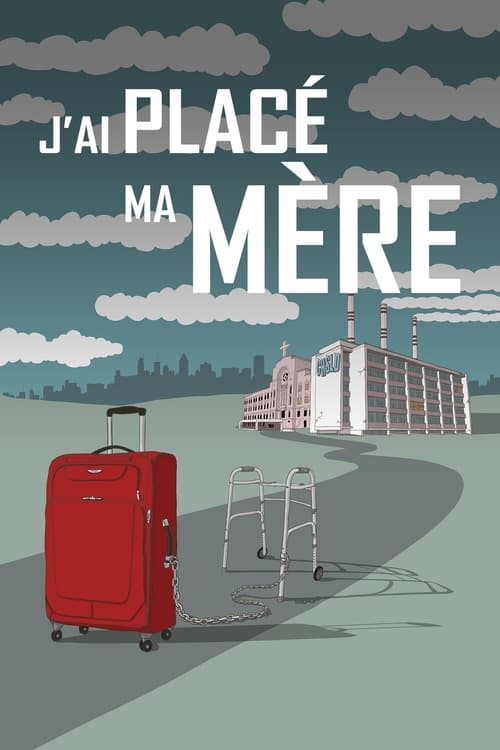
With an empathetic and intimate lens, veteran filmmaker Denys Desjardins captures his elderly mother's experience of neglect in Quebec's healthcare system and his sister's fight to secure her an acceptable long-term care solution.

I Lost My Mom

2022
The Busine$$ of Aging
N/A

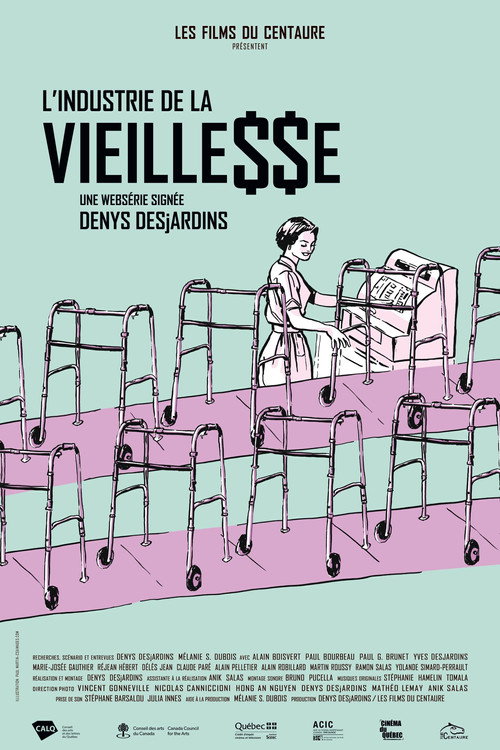
How do we treat elderly Quebecers, and how should we treat them? L'industrie de la vieillesse tackles this delicate but crucial topic that has become all the more urgent during the pandemic, as CHSLDs crack under the weight of the coronavirus crisis. Based on numerous interviews and carefully avoiding hypocritical positions, the web series calls out a broken funding system, questions the practice of moving elderly people rather than delivering services to them, and suggests some possible solutions as a neglected demographic continues to grow.

The Busine$$ of Aging

2021
The Castle
8.0

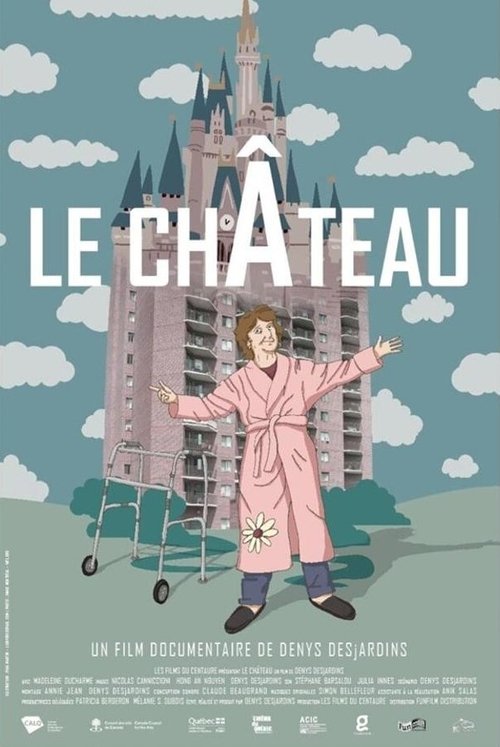
In the not-so-distant future stands a castle where life can be eternally extended, provided that the residents take their pills. At age 88, Madeleine sees herself as the princess of the castle where she'll live "till her dying breath"... until the day that she is forced to leave. Disturbing tale of an endearing woman at the dawn of losing her bearings in a system where every elderly person have to find a place to live.

The Castle

2020
The Zone
N/A

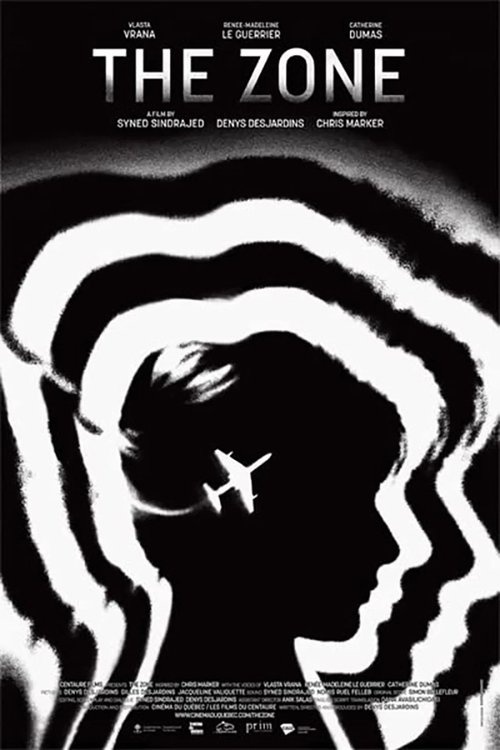
Looking for a long lost friend, Madeleine talks to a Stalker so that he can take her to «the zone» and help her look into her memories to find him at last. Essay-film hommage to Chris Marker.

The Zone

2017
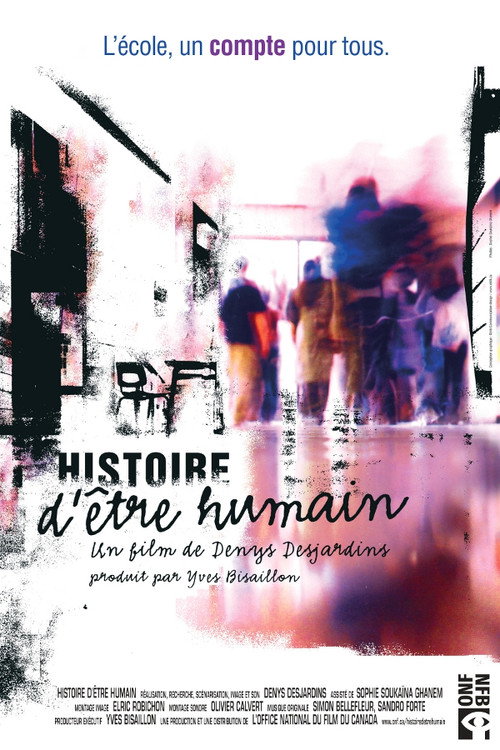
Being Human
N/A

Zoom-out from a too-tight focus on problems like dropout rates, loss of motivation among students, and depression among teachers. Entering the daily lives of "problem cases" at a Montreal secondary school that sits at the bottom of the school performance rankings, Denys Desjardins sweeps away preconceptions about the quality of teaching in disadvantaged neighbourhoods and the alleged delinquency of the kids who live there. A far-reaching examination of student life that stimulates reflection on the role of school in our society and asks how willing we are to support and finance the school system so that it will not be merely a factory churning out parts for the social machine.

Being Human

2005
Making Movie History: Jacques Drouin
N/A

Jacques Drouin's artistic trajectory is closely tied to the Alexeïeff-Parker pinscreen. No other filmmaker has employed the device with such dedication since Alexeïeff himself, who created the design in 1931. Consisting of a perforated board with 240,000 adjustable pins, the pinscreen can be manipulated to create evocative moving images.

Making Movie History: Jacques Drouin

2013
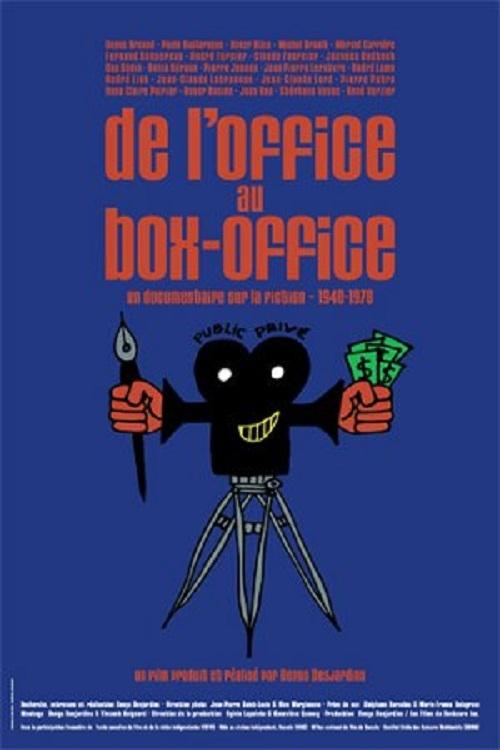
From Office to Box-Office
N/A

No description available.

From Office to Box-Office

2009
Making Movie History: Co Hoedeman
N/A

An undisputed master of puppet animation, Co Hoedeman would captivate TV audiences with The Sand Castle (1977), a film that went on to win an Oscar for Best Animated Short. He had emigrated from Holland in 1965, aged, 25, in the hopes of finding work at the NFB.

Making Movie History: Co Hoedeman

2013
No image
N/A

Monique Fortier was one of the few women to make her way in the male world of the NFB in the 1950s. But make her way she did. Beginning as a secretary, she graduated to editing and in 1963 she became the first francophone woman to direct her own film, À l'heure de la décolonisation. Her NFB colleague Anne Claire Poirier would make her first film the same year. Fortier subsequently returned to editing, quietly labouring at the Steenbeck, shaping films that helped define Direct Cinema.

Making Movie History: Monique Fortier

2014
On the Caribou Trail
N/A

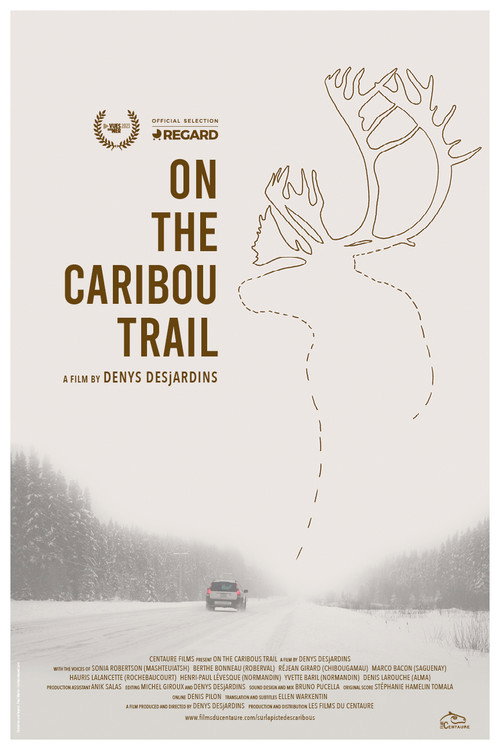
Meditation on the passage of time, the territory we live in and the ties that bind us. This short film was shot in Quebec in December 2018 between the 48th and 50th parallels.

On the Caribou Trail

2023
La mer on s’en fout!
7.0

Monique and Lussier, two good friends from the street, let themselves go to the rhythm of their little, somewhat gray world. Like a dream that grows in the “slush”, they manage to sail above our heads.

La mer on s’en fout!

1989
The Great Resistance
N/A

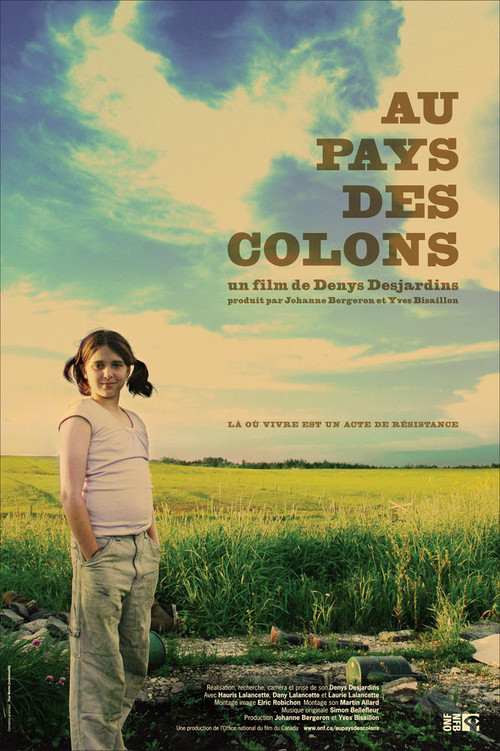
In the 1930s, in the throes of the Great Depression, the government relocated more than 80,000 citizens to found a new settlement in the virgin forests of Quebec's Abitibi region. After enduring backbreaking work to clear the land, however, many left, seeking a better life in the city or as labourers for the large corporations that had come to exploit the North's valuable resources. The Lalancette family, however, have persisted in forging their future on the land from one generation to the next, earning their keep from farming, and defying the constraints of globalization and the mining and forestry companies that control the area. Revisiting the heritage of Quebec filmmakers who documented Abitibi, following in the footsteps of Pierre Perrault, among others, this documentary traces a defining chapter of Quebec history and raises fundamental questions about regional development.

The Great Resistance

2007
Du couteau au fusil
10.0

Between the city, the suburbs and the theft of an automobile.

Du couteau au fusil

1990