Directing
Victor Masayesva, Jr. is a Hopi filmmaker.
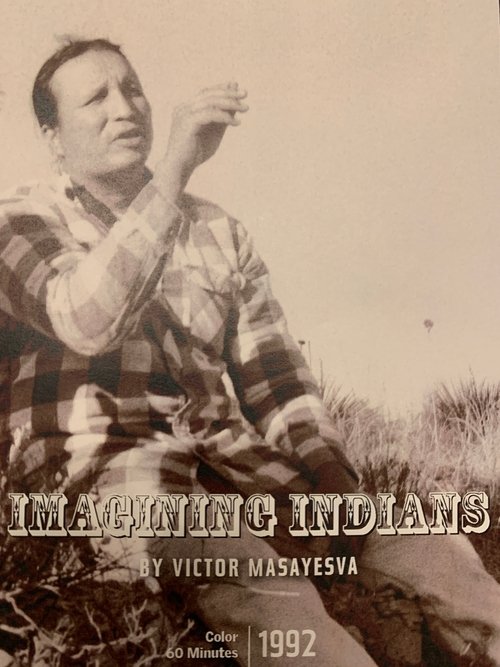
Imagining Indians is a 1992 documentary film produced and directed by Native American filmmaker, Victor Masayesva, Jr.. The documentary attempts to reveal the misrepresentation of Indigenous Native American culture and tradition in Classical Hollywood films by interviews with different Indigenous Native American actors and extras from various tribes throughout the United States. With an all-Indian crew, Victor Masayesva visited tribal communities in Arizona, Montana, New Mexico, South Dakota, Washington and the Amazon to produce this film. Masayesva says, "Coming from a village which became embroiled in the filming of Darkwind, a Hollywood production on the Hopi Reservation, I felt a keen responsibility as a community member, not an individual, to address these impositions on our tribal lives. Even as our communities say no, outsiders are responding to this as a challenge instead of respecting our feelings... I have come to believe that the sacred aspects of our existence which encourages the continuity and vitality of Native peoples are being manipulated by an aesthetic in which money is the most important qualification. This contradicts the values intrinsic to what's sacred and may destroy our substance. I am concerned about a tribal and community future which is reflected in my film and I hope this challenges the viewer to overcome glamorized Hollywood views of the Native American, which obscures the difficult demands of walking the spiritual road of our ancestors."
Looking at how the Creation stories of the Hopi, Nahua and Maya give them a special connection to maize/corn, synthesized in the statement, “We are corn”. There are many songs, displays and ceremonial practices that affirm this connection. Waaki looks deeper into the world community and how it is connected to maize/corn – what are the interrelationships that exist and celebrates the human capacity for tolerance and compassion in a time when people are becoming more intolerant of difference.
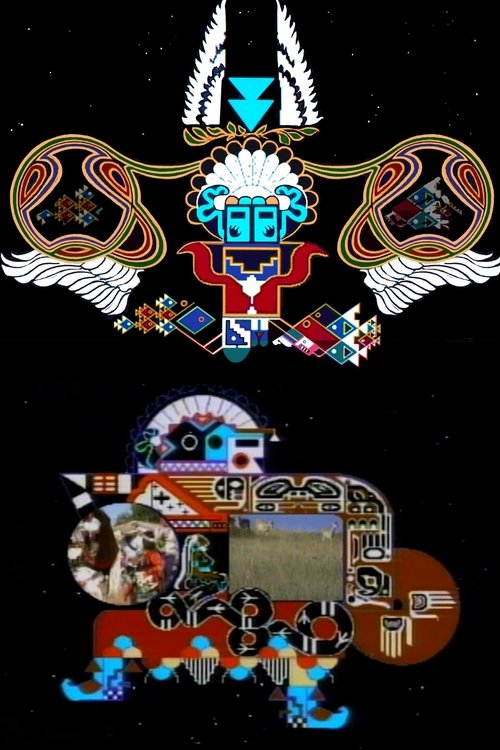
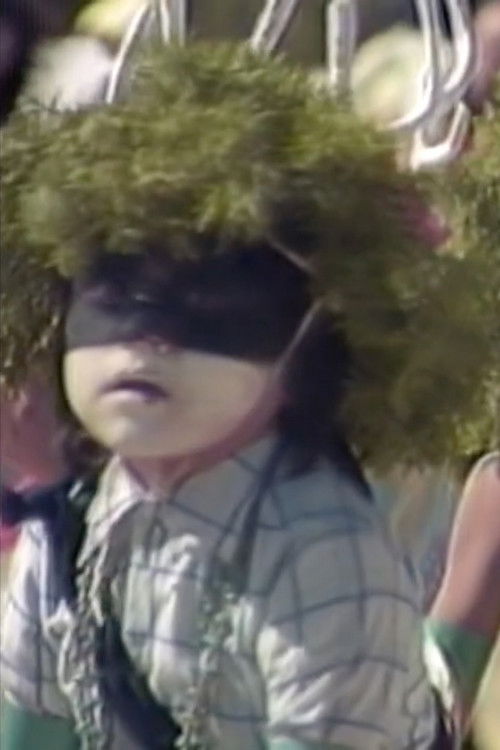
Masayesva (Hopi) deftly alters anthropological footage using montage, oral tradition, and early video animations to depict Hopi symbols and ritual clowns. Shifting between found footage, depictions of land, and school children in costume, Ritual Clowns narrates the educational, cleansing role of Hopi clowns and humor seen in Southwest Pueblo plaza traditions across generations.
With an all Indian crew, Victor Masayesva visited tribal communities in Arizona, Montana, New Mexico, South Dakota, Washington and the Amazon to produce this film.
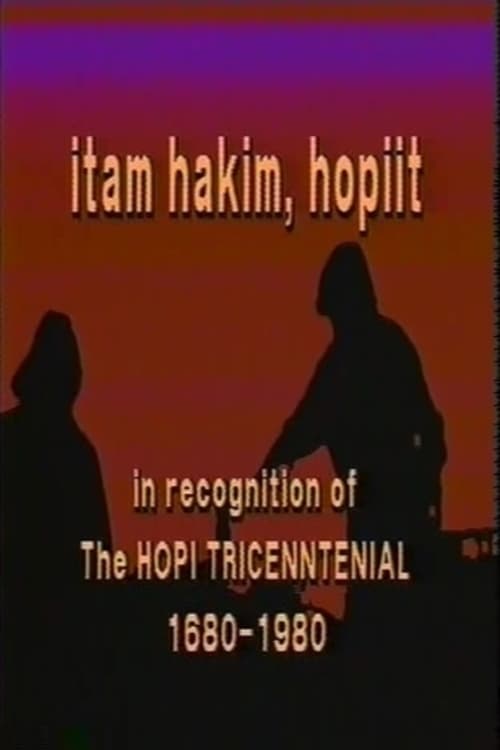
Itam Hakim Hopiit, which translates as "we / someone, the Hopi," is a poetic visualization of Hopi philosophy. Made at the time of the Hopi Tricentennial - marking 300 years since the 1680 Pueblo Revolt against Spanish colonial rule – the film presents a view of Hopi culture and history. Speaking in Hopi, a community elder shares personal recollections and cultural history, recounting stories of the Hopi emergence, perseverance, and the Bow Clan migration stories of his father. Through use of the film medium, Masayesva challenges viewers to understand the Hopi conception of time as cyclic, in which the world starts, ends, and starts again.
In this lyrical work, Masayesva observes Hopi cultural activities through the cycle of the seasons. Work and play, ceremonial rituals and the rituals of everyday life throughout the year are woven together in a seamless vision that conveys the oral traditions of storytelling, the natural landscape of Arizona, and the richness of Hopi culture.