Acting
No description available.
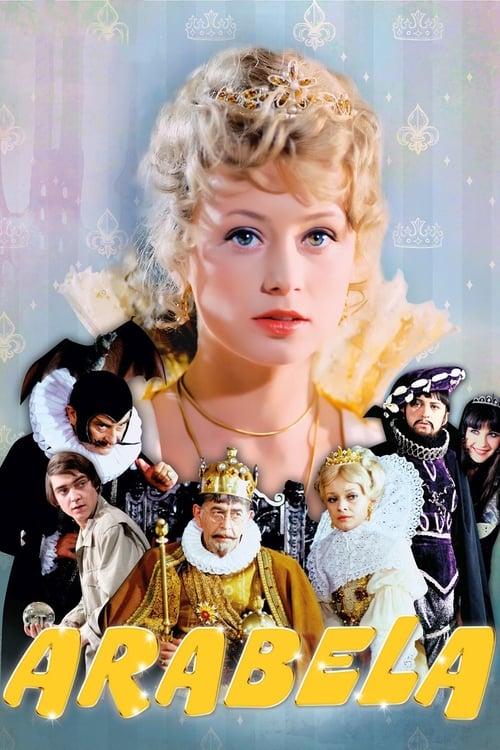
Arabela was a children's television series produced in Czechoslovakia which aired from 1979 to 1981. The series has 13 episodes and is in the Czech language.
A story of a little girl Verka and her life during the beginning of WWII. Based on Vera Sládková novels.
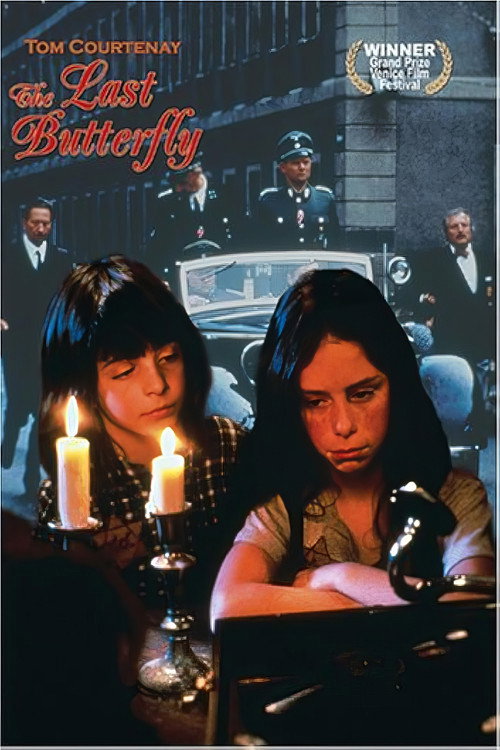
Stage mime Antoine Moreau is compelled by the Gestapo to put on a performance for the children of Terezin, a "model" concentration camp, to convince the Red Cross observers that the camp is truly what it seems. Reluctant at first, Moreau slowly learns the true nature of the camp, including the meaning of the "transports" on which people leave. With a world-class orchestra (made up of people interned in the camp) and a cast of children, Moreau stages a show to end all shows.
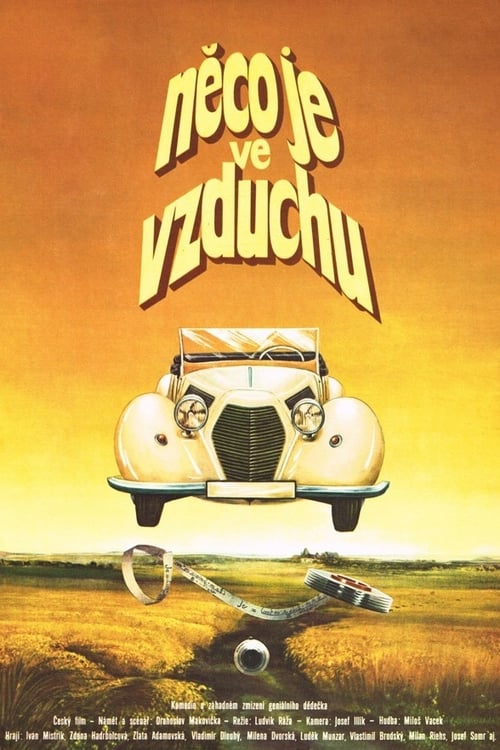
The urn supposedly containing the remains of Alice's grandfather falls out of the window and breaks. To Alice's great surprise, the urn is empty and the girl learns that the grandfather didn't die but disappeared under mysterious circumstances on the 2nd September 1946 in the town of Telc. Her grandmother claims that a mysterious young man with dark glasses was implicated in her husband disappearance. Alice is determined to solve the mystery. Grandmother's story leads Alice to a shoemaker who hands her Professor Jeník's - her grandfather's - invention, called the Force-fields Accelerator. Alice tells her boyfriend Petr about the device and the young man creates a time machine following the professor's instructions. The young couple then travel back to 1946 and there they indeed meet Alice's grandfather, and his daughter Blanka, who will later be Alice's mother.
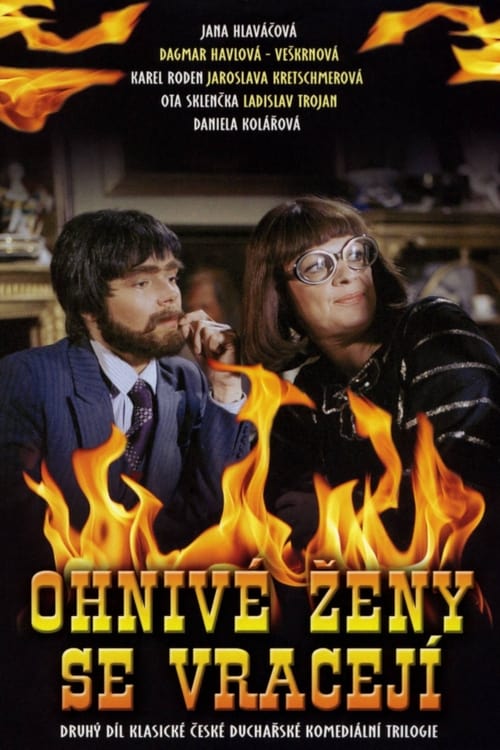
A loose continuation of the production of The Fiery Women. The souls of the witches Marta and Magdalena, burned in the 17th century, enter the bodies of two members of a group of antique thieves. Marta is now an expert in antiques, and Magdalena, to her horror, the body of a young man from an antique shop. In addition to the swindles - exchanging for imitations - the group is preparing to steal a valuable painting from a museum. Its employee Boženka is supposed to exchange it for a copy. In the middle of the action, a gas explosion occurs in the museum, and our women come to the bodies. It takes them quite a while to realize that they have fallen into their clutches...
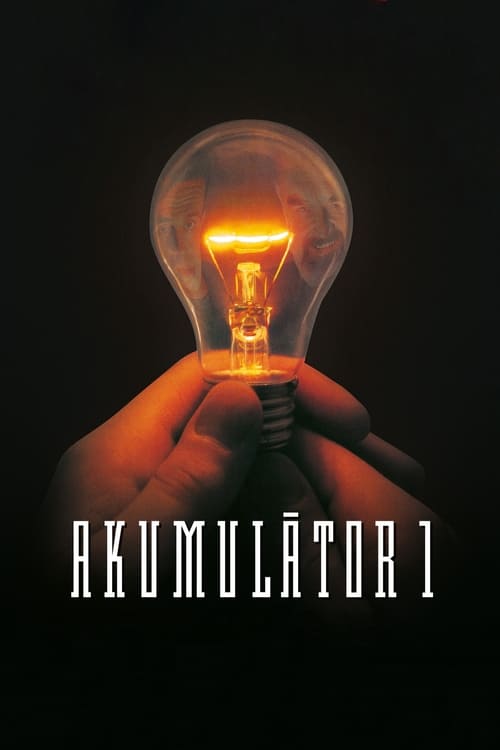
In this movie, TV sets are full of life. If a person is in TV (e.g. because it was filmed on the street) it has a double that's right in the TV set. This double needs energy from the true character to survive. Each time, the real human watches TV, his Double will pull life energy from him. So there's a mysterious Death-serial. Many persons die in front of their TV set and nobody knows why. Olda, the main character, is one of the persons, that get more and more weak. He is near death, till Fisarek, the natural healer appears. He teaches Olda how he can resist this magic force and how he can fight it.
Deputy of cartography enterprise Mr. Ciruvka tries to seduce the colleague's assistant to destabilize his confident in a run for the director's chair. But things can go wrong.
A young boy of about 11 struggles to fit in with the usual activities concerned with life, especially at at school . He is somewhat timid and nervous and as a result often finds himself alienated from most of his contemporaries. This manifests itself , for example , in the problems he has with gymnastics and especially swimming. The arrival of a young and sympathetic teacher starts a turnaround in his life.
The common theme of the short story film is the famous duels between two important historical figures: Pushkin and Casanova. Pushkin's tragic duel, which ended his life prematurely, is portrayed in connection with the creation of his short story "The Dirty Shot", while Casanova's story is conceived in a rather ironic and humorous way. The point is that the famous seducer never actually seduced, on the contrary, all his life he was in a constant battle with female seductions.
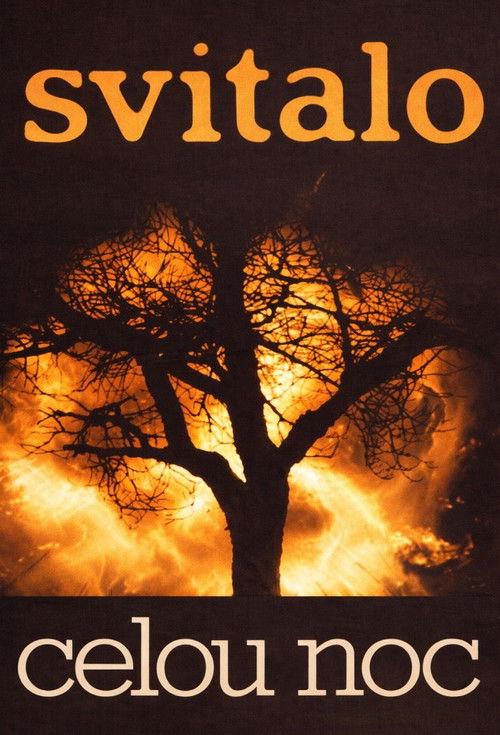
The Czech film Svítalo All Night was made to commemorate the 35th anniversary of the liberation of Czechoslovakia by the Soviet Army and is dedicated to all those who fought and gave their lives in Prague in the May Uprising of 1945. Behind the historical events, the creators see mainly their simple, unassuming participants. Thus, we are presented with a number of apt portraits, whether it is the central hero Dr. Soukup and nurse Daniela on the side of the fighting Czechs, or a captain and a simple private in a Red Army unit coming to the aid of the fighting Prague, or an old, war-weary German major, who only realises the senselessness of the war at the sight of a fanatical, cynical lieutenant for whom Nazi ideology represents the meaning of life.
It is 1883 and Josef Hibes, a social democrat, is organising a strike of textile workers. The main demand is a reduction in working hours...
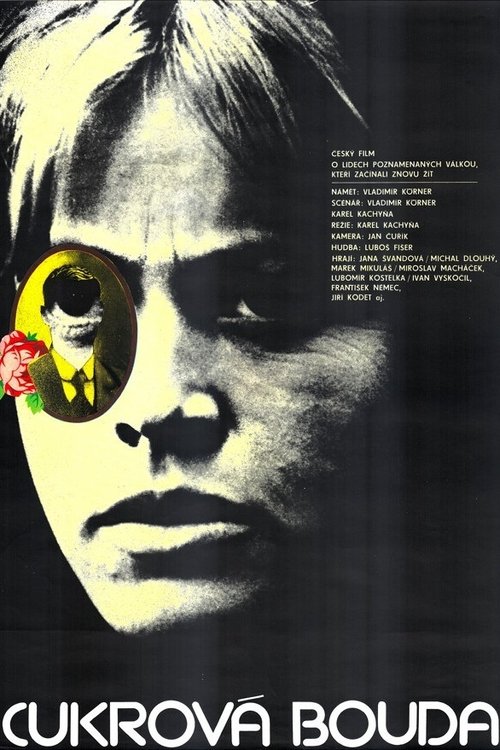
In the final days of the Second World War in 1945 Frantisek Pribyl is killed during a shoot-out with the Germans. After the funeral, the widow (Jana Svandová) and her two young sons Martin and Ondra move to her deceased husband's native village at the foot of the Kralický Snezník mountains. Life in the borderlands is far from easy for the lonely woman. The village is almost deserted, food supplies are delayed; the Werwolf (Nazi guerrilla squads) are hiding in the mountains, and shooting is heard from time to time. The elder son Ondra (Michal Dlouhý) is helping out his mother and at the same time absorbing intense new experiences. He meets an old Czech resident Skurek (Lubomír Kostelka), German women working in the forest, soldiers from the engineering units removing the mines, and a young first lieutenant. At night he dreams about his dead father whom he loved very much. This is why he runs away from home when he finds out that the lieutenant is courting his mother.