Acting
An overworked female executive is haunted by strange dreams. She is compelled to travel to a remote fishing village where she is inexplicably kidnapped and sold to a peasant farmer on a remote island.
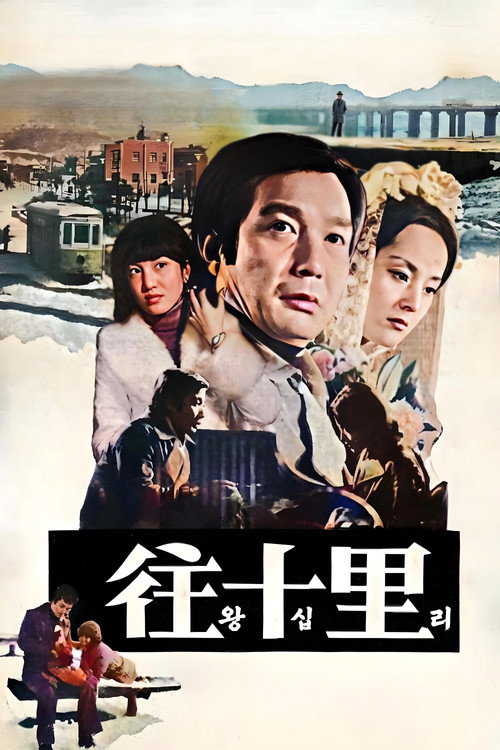
A beleaguered cabbie accompanies a mysterious and moody woman on an eventful journey across South Korea to find her long-lost lover.
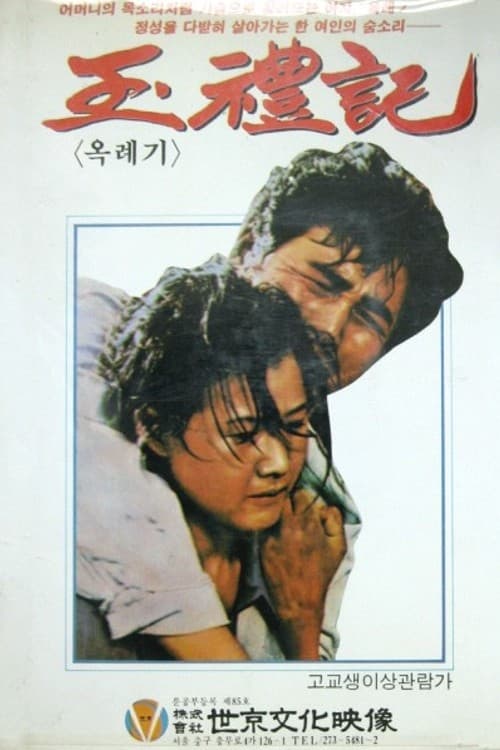
With the outbreak of the Korean War, Su-ji and Oh-mok lose their parents. Along with their brother Su-cheol, they go live with their mother's parents. As they go to take refuge, Su-ji loses Oh-mok by accident. Time passes and with her older brother Su-cheol's success, Su-ji enters the high society. But due to the guilt of losing her younger sister Oh-mok, she does a lot of charity work constantly looking for Oh-mok. When Su-ji finally finds Oh-mok in an orphanage, she turns coldly away from Oh-mok for not having any evidence to prove that she is her sister. Oh-mok marries Il-hwan whom she has met at the orphanage and they live a hard life. Finally, Su-ji is convinced that Oh-mok is her sister but after living through such hardship, Oh-mok breathes her last.
No description available.
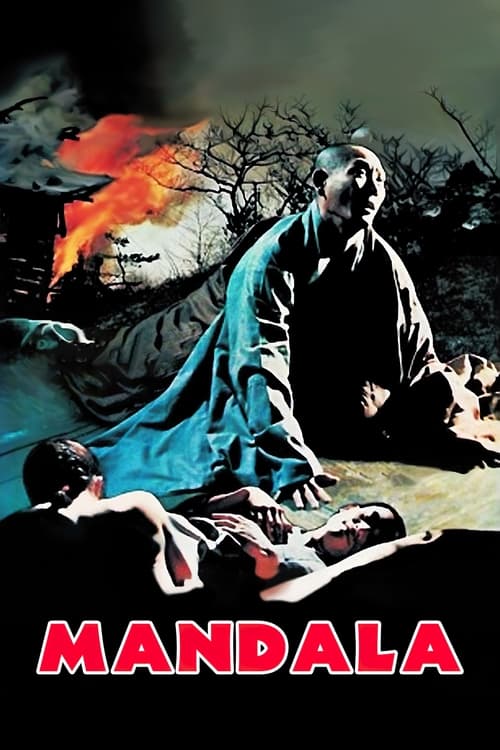
A story that follows the lives and interactions of two Buddhist monks living in South Korea.
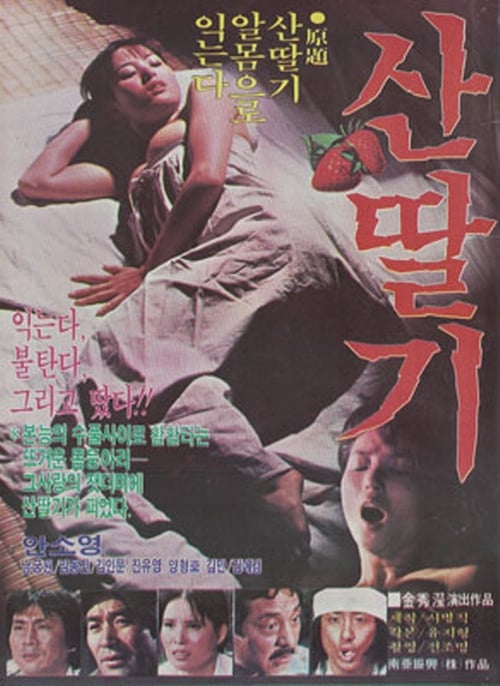
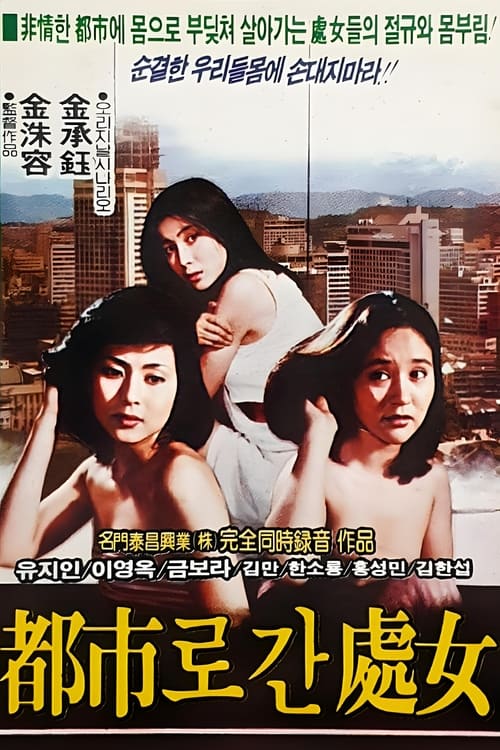
Bun-nyeo, a girl in a mountain village loses her virginity to Myong-jun, the village vagabond. After both of her suitors die before they can wed Bun-nyeo, she moves to the city to work in a factory. Myong-jun persuades her to return to the village, but he is arrested for murder. As the film ends, Bun-nyeo is waiting for Myong-jun's release.
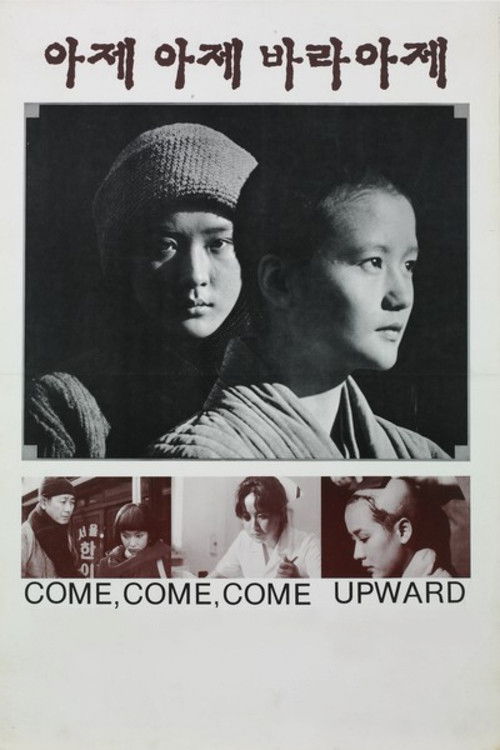
Schoolgirl Sun Nyog suffers from pain and hardships, life and the world around her confuse the girl. Her father, a Buddhist monk, left them, the mother has totally neglected her daughter while her lover harasses the girl. One winter day Sun Nyog goes to the temple. She decides to study Buddhism and is ordained as a nun. In 1989 the film participated in the MIFF competition and won the Bronze St. George for Best Actress.
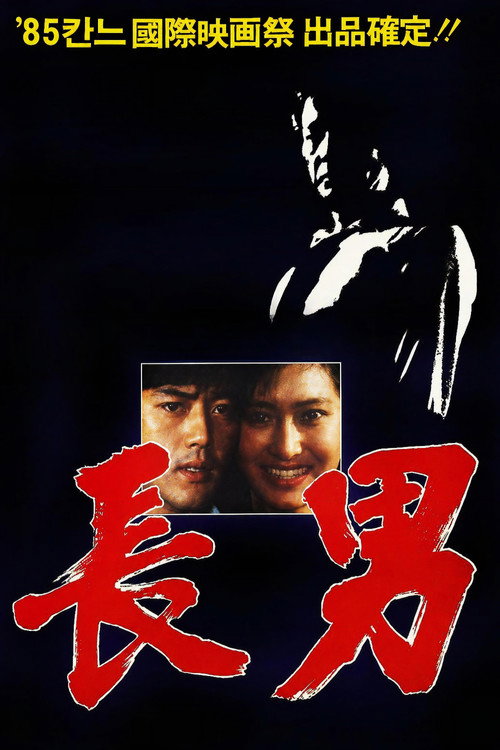
Forced to leave their home because of the construction of a new dam which will flood their village, the eldest son in the family prepares land and money to construct a new house in Seoul for his family. However, he shirks his duty shortly after and leaves overseeing the construction of the house to his younger brother while he goes to live separately.
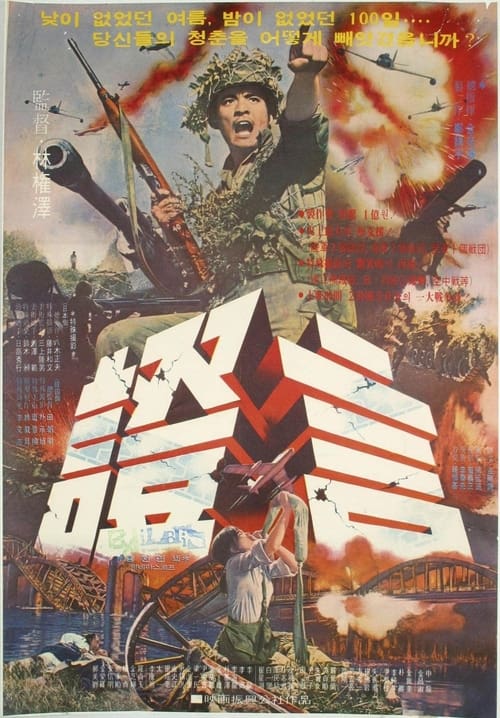
June 25, 1950. When second lieutenant Jang has a date with his girl friend during weekend, numerous North Korean jet fighters make sudden air raids to the skies of Seoul. It is the beginning of Korean War. In spite of Korean Army's brave defense, North Korean army reddens South Korea with their state-of-the-art weapons. This movie describes the progress of war from the invasion in June 25, 1950 to the reclamation of territory on the basis of Sun-A's personal experience. Also this film reminds hard lessons from tragic history.
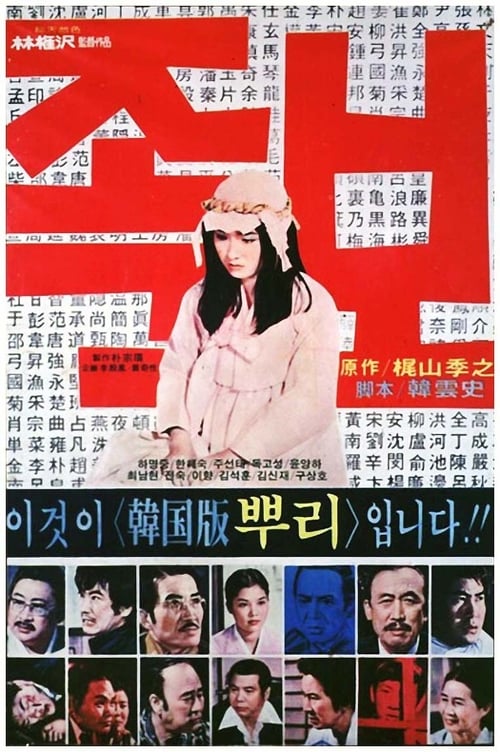
A young and beautiful woman born in the Korean countryside has to go through the many hardships arising from jealousy, lust and overbearing social control.
After 14 years in Japan, a gangster returns to the Seoul neighborhood where he grew up and is forced to confront some difficult truths.
Yeong-shin and Dong-hyuk graduate from college with a cause. They plan to bring education and modernization to farmers living in the rural area of their hometown. When they arrive, the pair immediately get to work, Dong-hyuk builds a village hall and starts aiding the farmers while Yeong-shin tries to gather the children to form a school. However, the villagers at first resent and resist the pair. It is not until one child, Ok-bun, takes the initiative and and learns to read under Yeong-shin’s care that the villages trust the pair and allow their children to be taken from the fields and taught reading, writing and math.
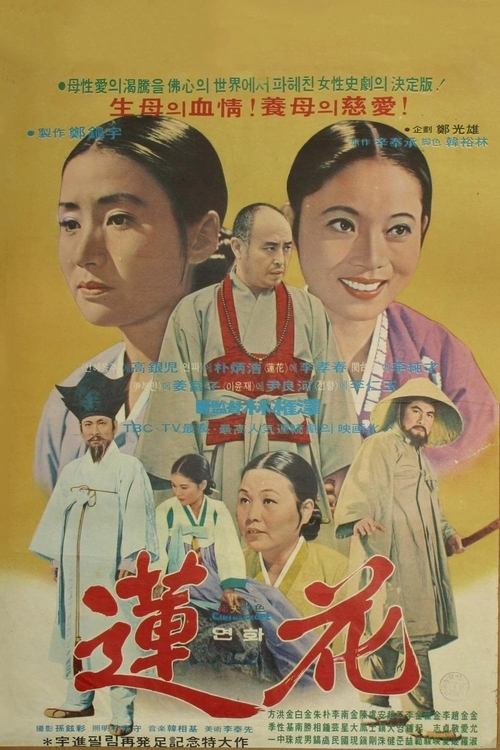
Mo-Hwa is a famous shaman. When the Christianity is introduced to this small fishing village, Mo-Hwa's divine power is declining. Mo-Hwa is furious when she happened to know that her own son Wuk has studied theology. She performs an exorcism to throw away evil spirits from her son and tears up the bible. The conflict between mother and son breaks up the family. Mo-Hwa decides to show which spirit is stronger when she is asked to perform an exorcism for a drowned lady. Even though she performs shaman, the body doesn't come up to the surface. Mo-Hwa doesn't stop to perform and gradually she is going down into the water and never comes back.
In 1980s South Korea, a former cop, now in destitution, is placed in a rehabilitation center, where, by chance, he finds the Communist guerilla who had eluded his capture more than 30 years ago.
Lee Mun-hi works as a bus conductor. She is tormented by the fact that she is subject to body searches, but tries to treat her co-workers nicely and live an honest life. She is kind to people who are less fortunate than her and falls in love with Kwang-seok, a traveling salesman. She helps Kwang-seok become a crewman of the ship and promises to marry him. When she is subjected to another body search, she protests against the humiliation and jumps from the roof of her company building. She is critically injured and is embraced by Kwang-seok.
During the Japanese occupation of South Korea, a Japanese bureaucrat is ordered to persuade an influential Korean patriarch into obeying the law of changing his Korean surname to a Japanese one.
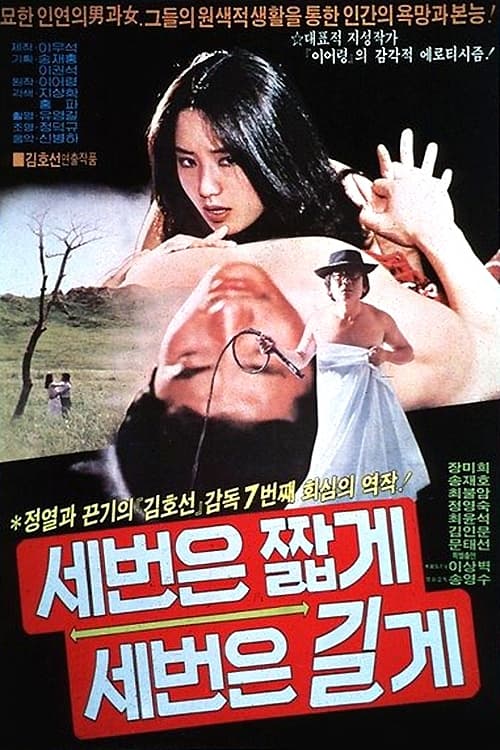
Jong Sil, a sound effects director, is awarded a carte blanche for his ingenious invention of a coke bottle opener sound used in a commercial film for an Arab client. Ecstatic, drunk, he heads home to his wife and kids, only to end up spending the night in an apartment unit one floor above which belongs to a single woman. The preposterous one-night-stand snowballs into a major event, for which he is reported gone missing on TV. Lost, Jong Sil becomes more involved with the woman, discovering things about her, as their relationship takes an unexpected turn.