Writing
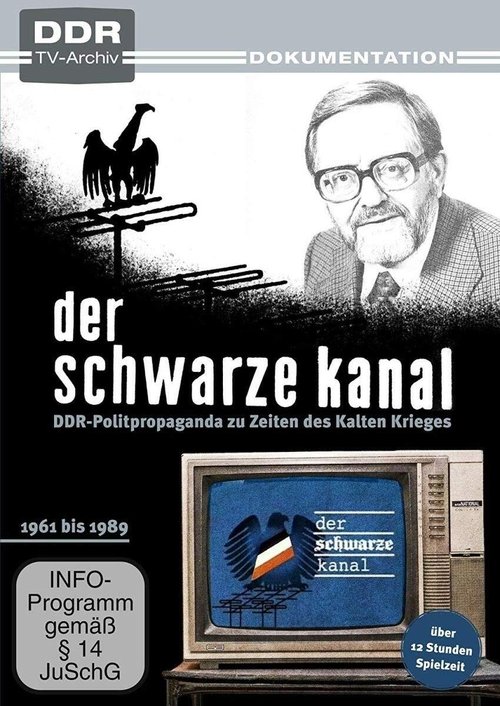
Der schwarze Kanal was a series of political propaganda programmes broadcast weekly between 1960 and 1989 by East German television. Each edition was made up of recorded extracts from recent West German television programmes re-edited to include a Communist commentary.
Documentary about the life and career of Karl-Eduard von Schnitzler, presenter and creator of the infamous GDR propaganda programme 'Der Schwarze Kanal' ('The Black Channel').
An East German documentary that uses archival footage to trace a direct line from Imperial Germany through the Weimar Republic and the Third Reich to the Federal Republic of West Germany in the 1950s. Intended as a critique of continuity in German politics, the film was banned in West Germany for many years.
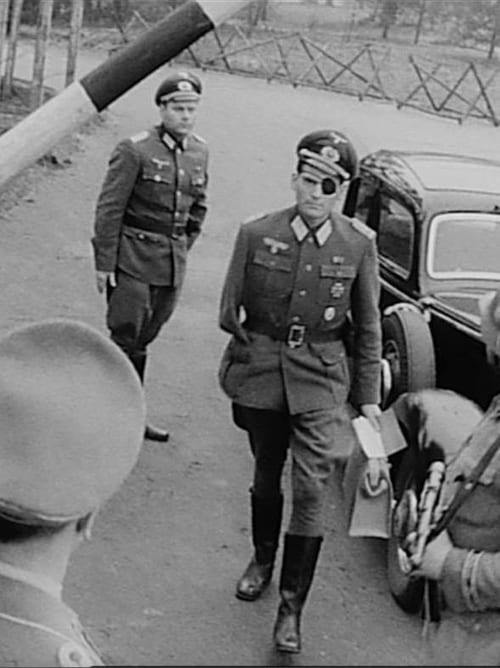
East German documentary about the 20 July plot.
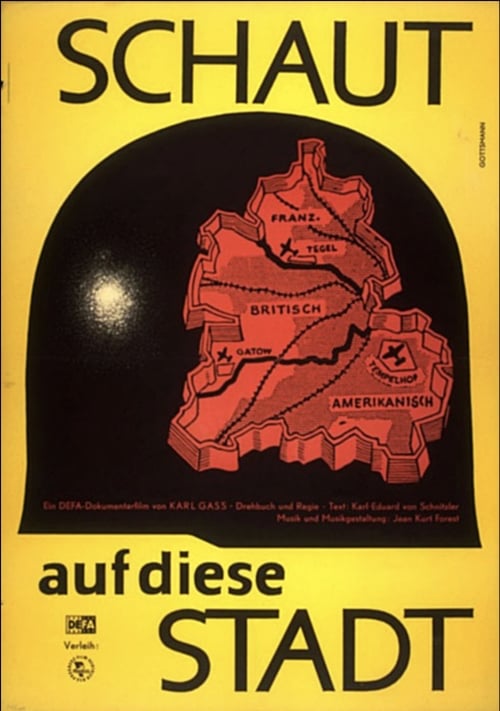
Started in the summer of 1961, even before the Wall was built, the film becomes an explanation after this historical event as to why things can no longer go on as they were before. Unmistakably, as in almost all of Karl Gass' films, the passion with which he treats his subject is unmistakable. If you want to get to know the zeitgeist of the historically significant year 1961, which on both sides knew more the Cold War vocabulary than factual arguments, you can see the Eastern variant in this propaganda film.
No description available.
A documentary highlighting several noteworthy locations along the railway line between Brest and Moscow.
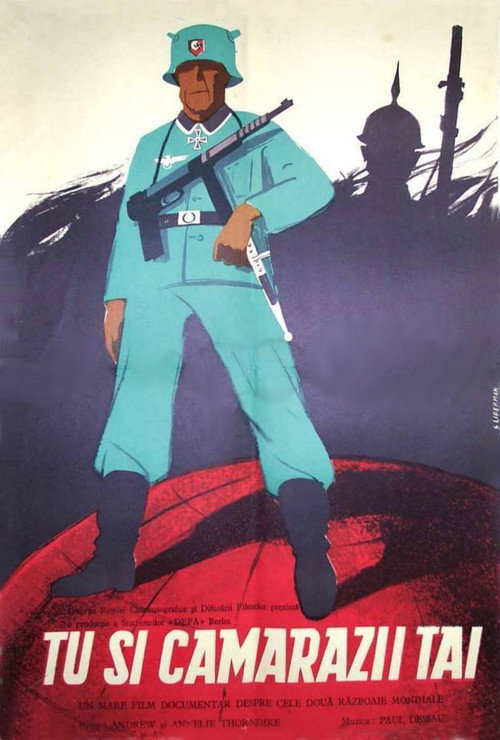
Die Sieben vom Rhein (The Seven from the Rhine) (1954) is an East German documentary directed by Andrew and Annelie Thorndike. The 76-minute film follows seven West German workers from the Ruhr region as they visit a steel factory in Riesa, East Germany, as part of the "Germans at the Same Table" campaign. Through their experiences, the documentary promotes unity and understanding between workers from both sides of the divided Germany. Produced by DEFA Studio für Dokumentarfilme, the film is recognized for its strong political messaging and masterful storytelling.
In front of audience estimated to be 500,000, The Boss performs a historic show
The film explores the visit of Yugoslav leader Josip Broz Tito to Germany, examining his political influence and interactions within the country. Utilizing archival footage and commentary, the documentary provides insight into Tito's presence in Germany during a pivotal time in Cold War Europe. The film highlights the relationships between East Germany and Yugoslavia, offering a glimpse into the geopolitical dynamics of the era.