Acting
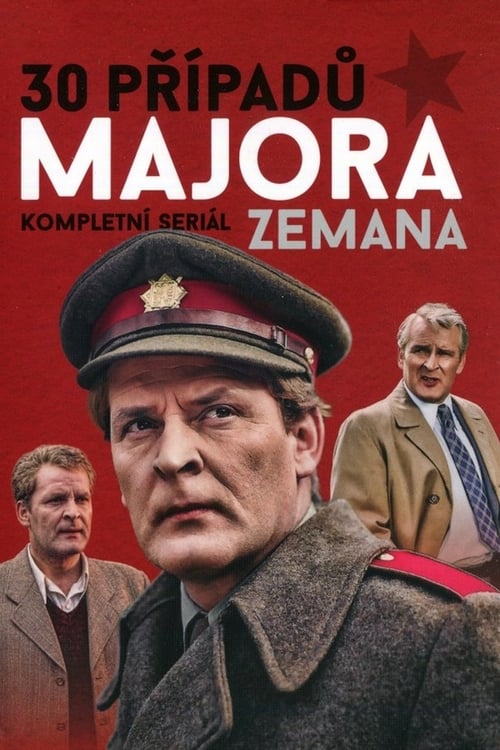
Thirty Cases of Major Zeman is a Czechoslovak action-drama television show intended as a political propaganda to support the official attitude of the communist party. The series were filmed in the 1970s. Each episode encompasses one year, and investigations are stylized to that year. Most are inspired by real cases. The series follows the life of police investigator Jan Zeman during his career from 1945 to 1975.
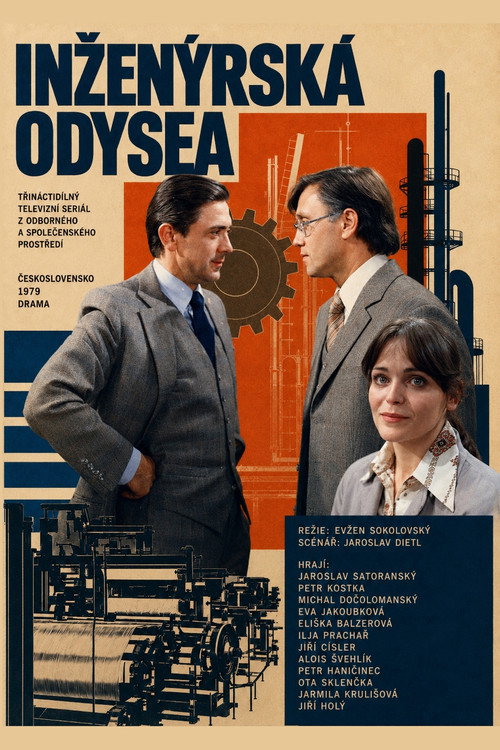
Inženýrská odysea is a Czechoslovak/Czech TV series about three young students and their lives.
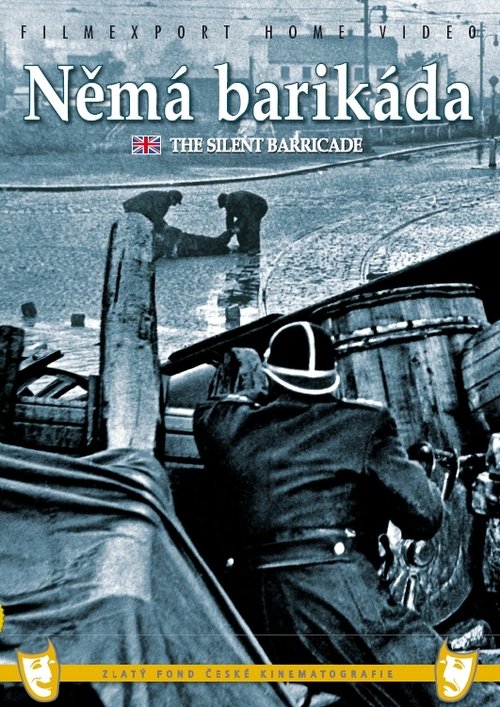
A fiction piece centered around the Czech resistance to the Nazis.
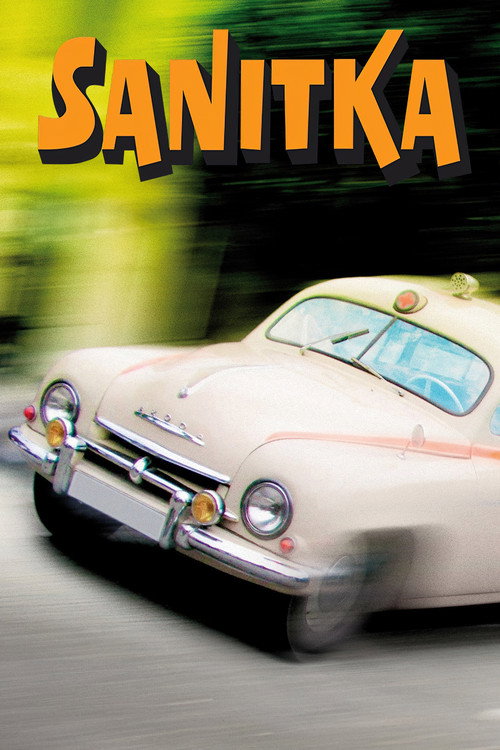
Sanitka was a Czech television, drama series, first broadcast in 1984 and eleven episodes were made. It starred Jaromír Hanzlík, Tomáš Juricka and Zlata Adamovská among others.
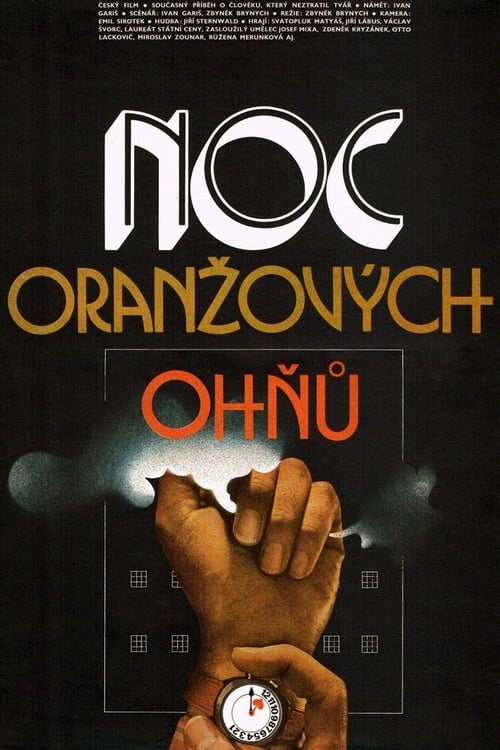
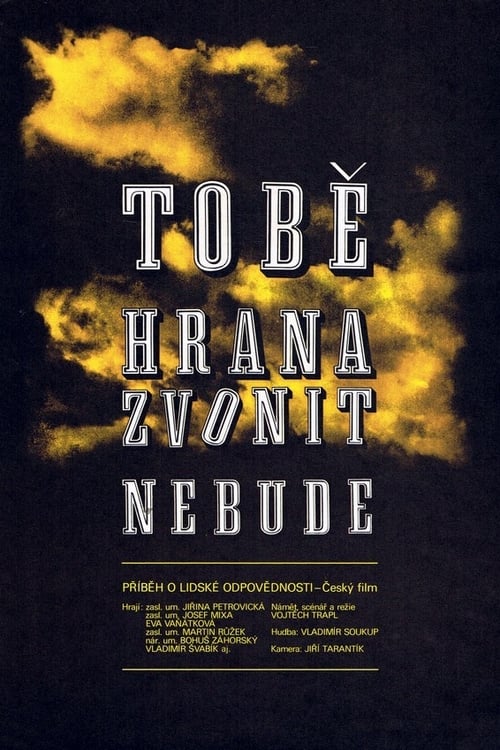
Petr Rynes (Svatopluk Matyás) is celebrating his forty-fifth birthday in the company of his friends. He is happy with his wife, and his abilities at work have been rewarded with the medal For Outstanding Work. But a few short seconds are enough to change his life when he makes the ill-judged decision to take his car to bring a friend's wife to the celebration, and hits a pedestrian on the way. He has of course been drinking at the party and is consequently sentenced to sixteen months in prison. Being in jail is not an easy thing for a honorable communist. He soon gets into conflict with several violent inmates, who think they can break his spirit by violence.
No description available.
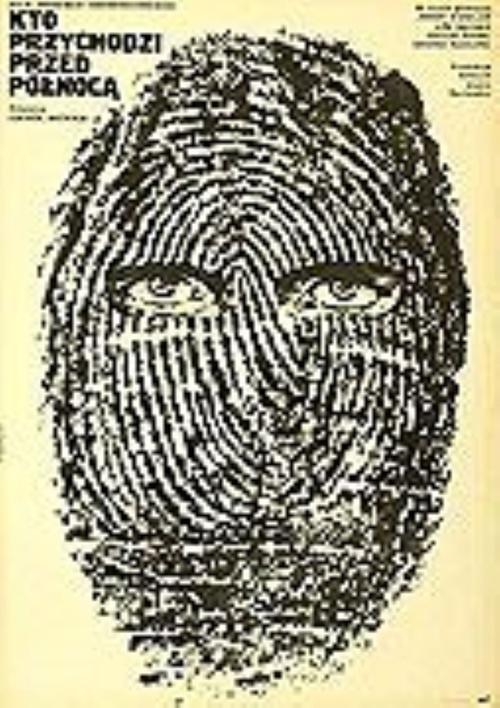
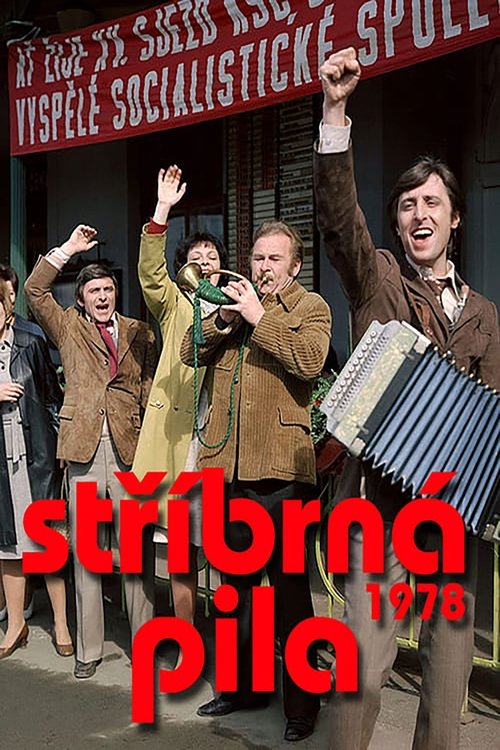
The accountants at a agricultural cooperative near Prague have completed the calculation of wages. The driver with the cashier are leaving for a bank in Prague to withdraw the cash amounting to over one million crowns. On returning back, an oncoming heavy truck appears, crashing into their car. The injured men cannot defend themselves, and the whole cash is stolen from them.
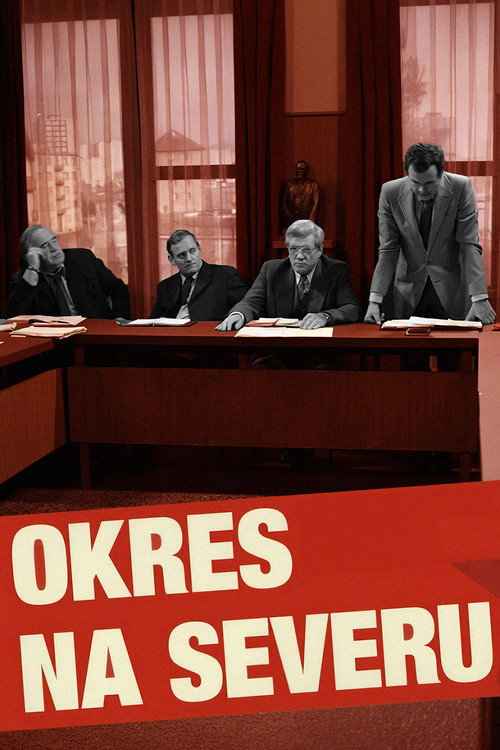
Okres na severu is a Czechoslovak/Czech TV series filmed by Evžen Sokolovský in 1981.
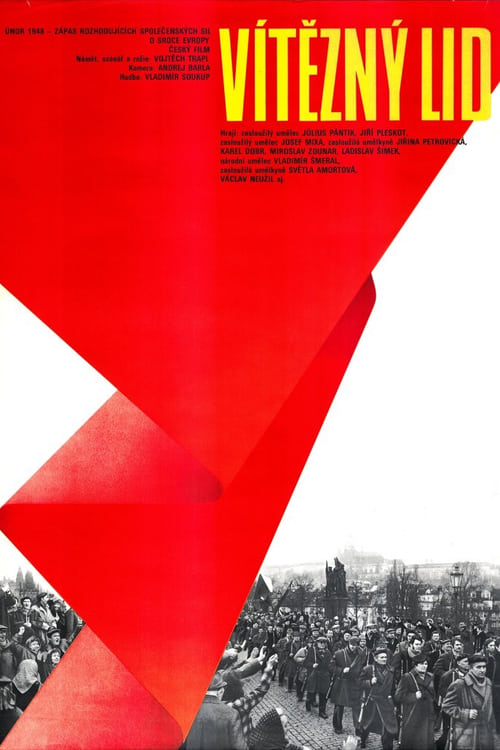
February 1948. The struggle of decisive social forces for the heart of Europe.
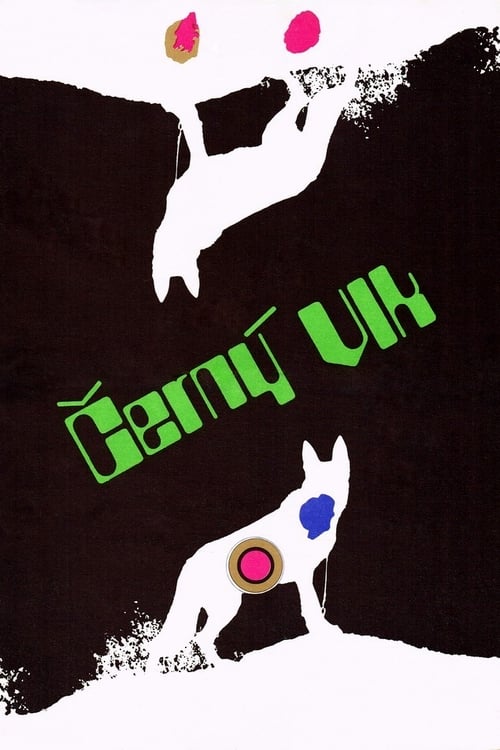
In the thick woods at the edge of the Bohemian Forest, two border guards are keeping watch - rifleman Kucera (Rudolf Jelínek) and dog handler Stencl (Josef Hajducík), whose sluggishness and clumsiness have won him the nickname Simpleton. The official army dog, the bitch Líza, picks up the scent of an alien dog on the German side - Black Wolf. She bites through her leash and runs away. Soon afterwards, the border boundary was interrupted. The two soldiers are wounded in the gunfire that follows, but Stencl's shot also hits the target and the intruder - an attractive woman in a black jersey - is dead. The investigation reveals that this agent knew someone among the local residents. The locals are all called in to identify the body but nobody admits to knowing the woman.
A Midsummer Night's Dream is a charming comedy by W. Shakespeare, well-known from its numerous stage and film adaptations. In the course of one night, the world of real and fairy-tale characters collide, the king Theseus plans a wedding, the capricious king of the elves Oberon wants to punish his consort Titania, and above all, two couples of lovers, entwined by love, wander through the night. And few people notice that at the beginning of the comedy there is a threat - Egeus, Hermia's father, appeals to the king Theseus for his right. If his daughter does not want to marry the man he has chosen for her, he intends to send her to her death. And so it is only a good thing that Oberon and the elf Puck in his service stir up the feelings of Demetrius and Lysander with the help of a magic flower...
Chytilová was not allowed to direct films between 1969 and 1976. The sole exception was the made-for-TV film Kamarádi, now virtually unknown.
At the end of August, a young woman is chased by an angry mob of hooligans under the windows of a bus because she decides to tear down a poster grossly insulting her husband, the staunch communist and deputy Balcar. She only gets a defence from the prosecutor Ronešová, who decides to convict and prosecute the perpetrators and bystanders of the unfortunate event. The principled Ronešová is oblivious to personal problems and sets out to fight against the relics of a happily extinguished social movement, with the right-wing defence lawyer Kahan being no match for her.
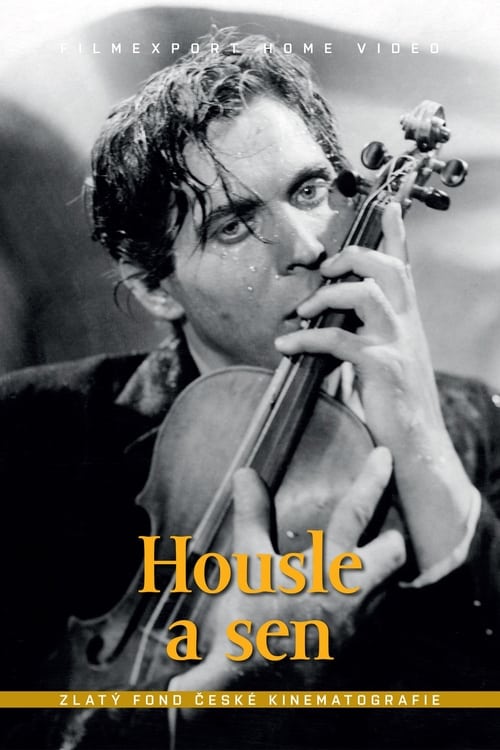
The biographical film about the prematurely deceased violin virtuoso Josef Slavík takes place entirely like a haunting dream, in the mind of a feverish artist who remembers how he amazed Paganini himself with his playing.
The film, in individual episodes, captures the fate of Bedřich Smetana from 1856 until the end of his life, from his young years until the moment when, exhausted by human and artistic hardship, he sees the fulfillment of his great dream, the opening of the National Theatre.
The unlucky cultural officer of a spa facility gets involved in compromising situations against his will - and he was originally only after a recommendation to study at an art school.