Acting
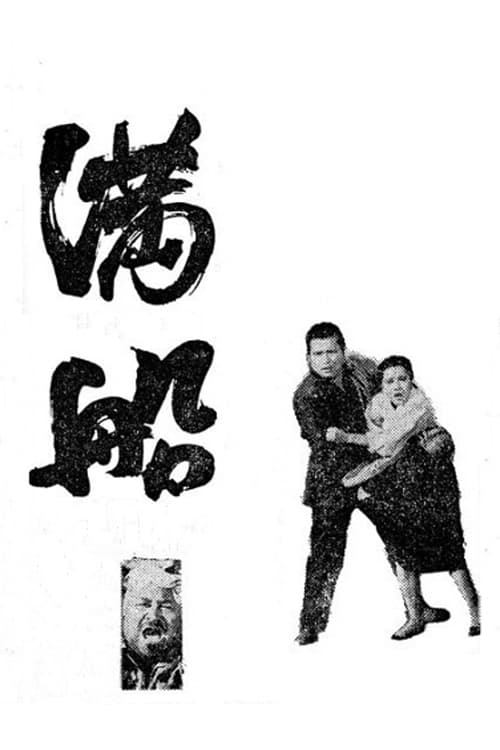
A film picturing the lives and adversities of fishermen who live and die in the sea.
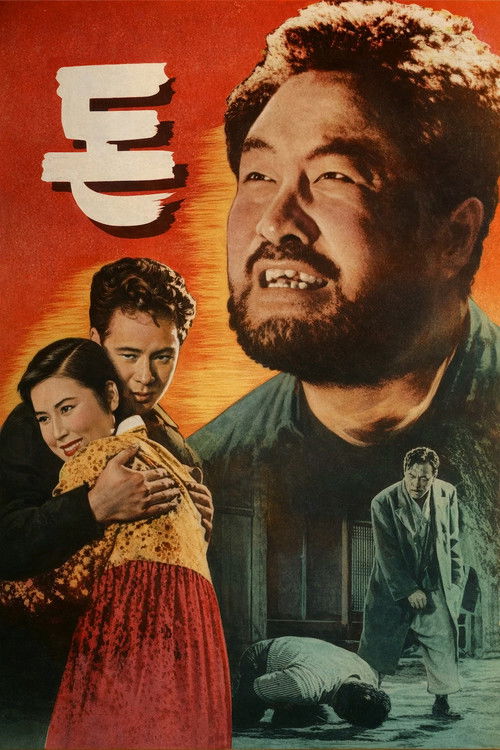
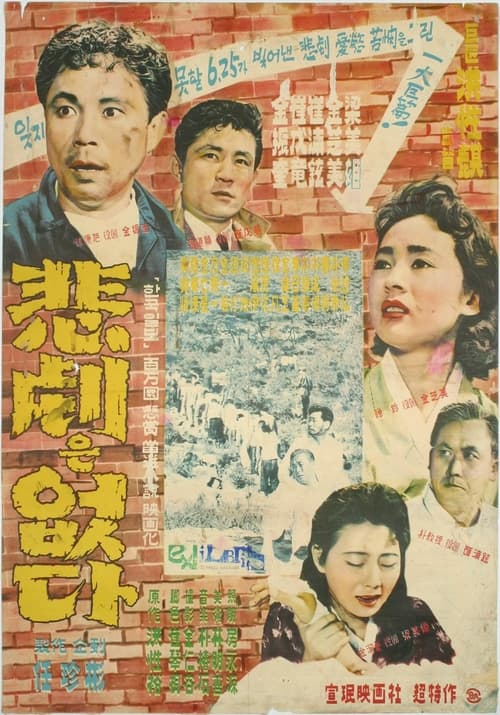
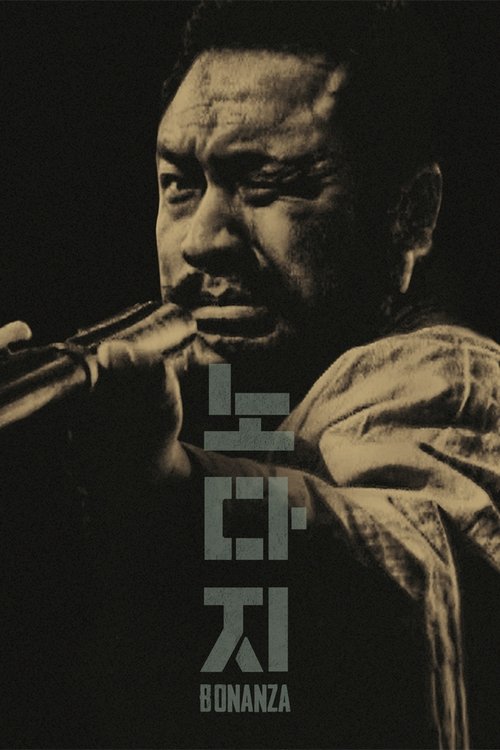
The Money is about a poor farmer whose bid for a better life ends up bringing calamity to his family. At the urging of loan shark Eok Jo (Choi Nam Hyun), Bong Su (Kim Seung Ho) sells his cows to start a business but he loses everything to a conman (No Kyung Hee). Bong Su accidentally kills Eok Jo in a fight and takes his money, and the police trace the crime back to Bong Su's son.
At the end of the Joseon Dynasty, shortly after the Eulsa Treaty has been forced to be concluded by Ito Hirobumi and the pro-Japanese courtiers, Japan pressures King Gojong to step down from the throne. Meanwhile, An Jung-geun, who is cultivating men of ability at Samheung school, is deeply impressed by a speech made by An Chang-ho, and heads for Russia to volunteer the army fighting for independence of the country. As both a lieutenant general of the Korean militia and a commander of the Korean expeditionary force in Manchuria, he carries on the independence movement in defiance of Japanese coercion.
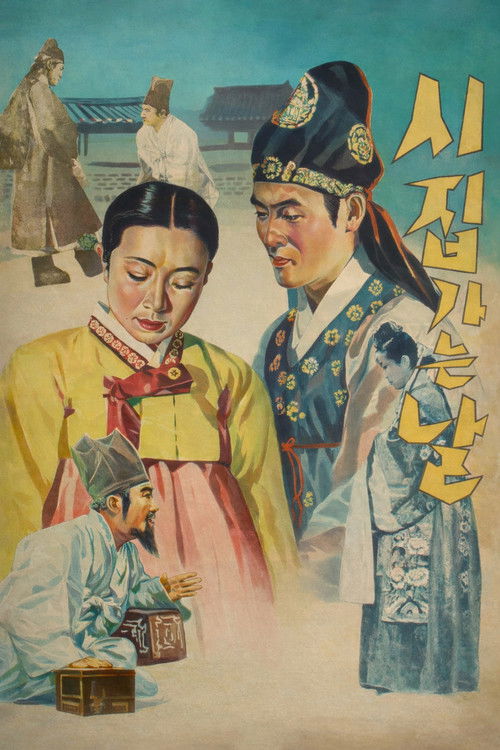
Master Maeng is very proud that an influential family will soon be his esteemed in-laws when his loving daughter, Mi-yeon, marries their son. A few days before the wedding Maeng hears a rumor that his future son-in-law has a cripple leg. Regretting that he can't give his lovely daughter to a cripple, he decides to marry his maid to him instead. Unexpectedly the future son-in-law shows up at the wedding hall and he is not a cripple, but a healthy and handsome youth. Feeling embarrassed, there is no way but to wed the maid to him. The Wedding Day is a recreation of A Happy Day of Jinsa Maeng, a comical play by Oh Yeong Jin. The first Korean film to win an international film award, the Best Comedy Award at the 1957 edition of the Asian Film Festival (now Asia Pacific Film Festival).
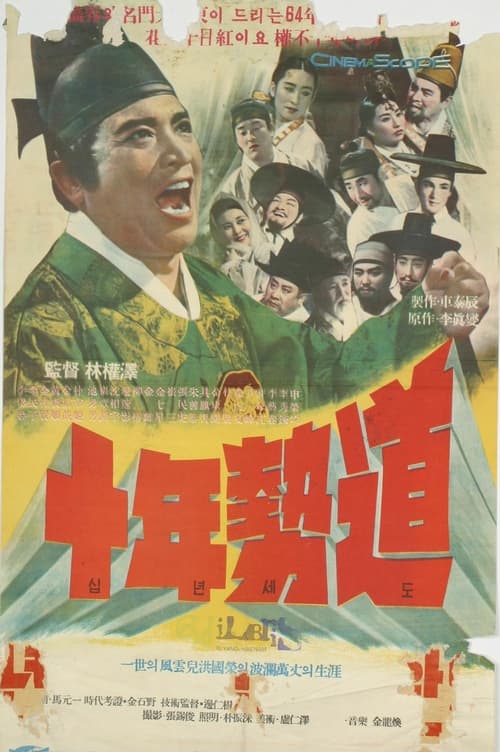
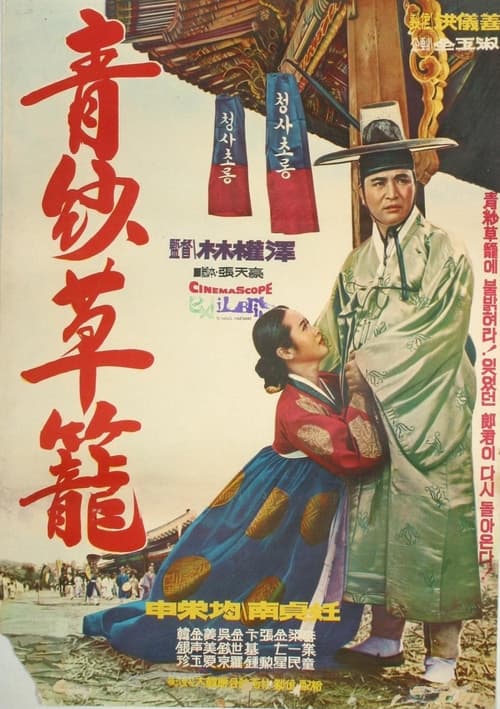
During the reign of King Yeongjo in the Joseon Dynasty (1302-1910), the villainous retainer party led by Jang Ji-hang gains power after cutting the head off a royalist Hong seong-won. His son Hong Guk-yeong passes a state exam and tries to assist the king in ruling well, but he is also put to death by Jang's false incrimination. But he is called a faithful politician in history.
No description available.
A gang of pharmacists, intent on seizing Hyun-ju's inheritance, systematically approaches her. The leader of the gang is her ex-husband. Before they can seize her inheritance, internal conflict arises within the gang, and they are all murdered by the leader. Meanwhile, the police, aware of this, launch a nimble investigation. The leader, determined to keep her inheritance, persistently pursues her, but ultimately fails and is arrested. She is rescued from a near-death experience.
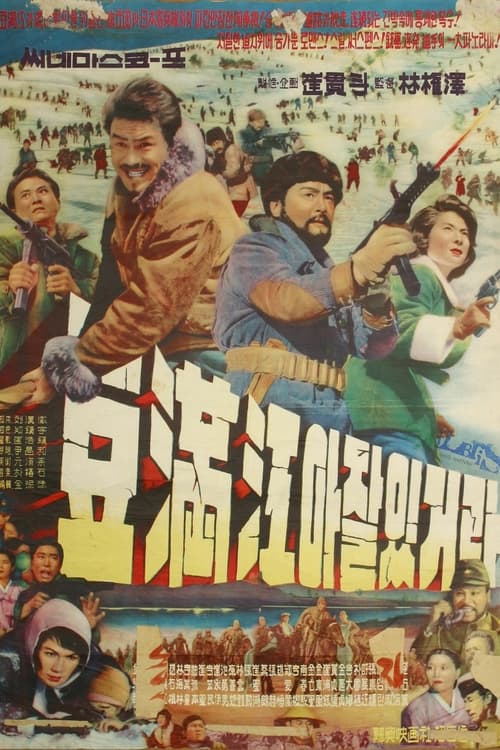
Patriotic university student Youngwoo and his friends, led by their teacher Lee Sung, along with a British friend bid farewell to their families and become freedom fighters in Manchuria fighting against the Japanese occupation around the Tumen River.
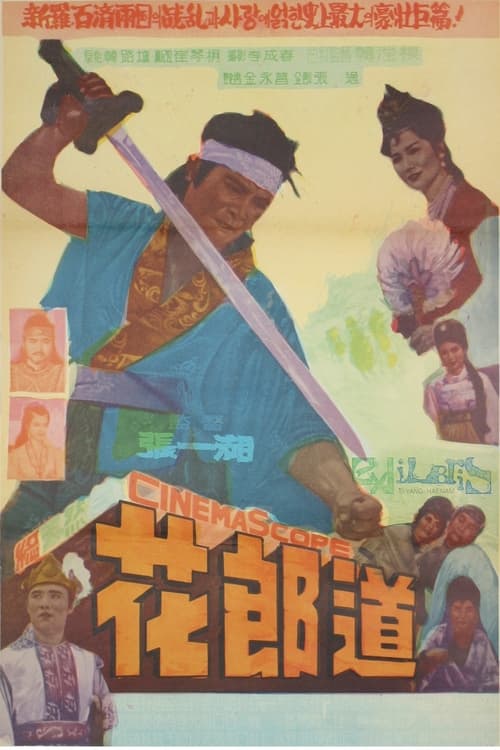
His parents captured by the Baekje armies, prince Eo-jin infiltrates the enemy castle alone to seek revenge. His plot is ruined when he falls in love with a princess there and is forced to choose between betraying his parents and nation or the woman he loves.
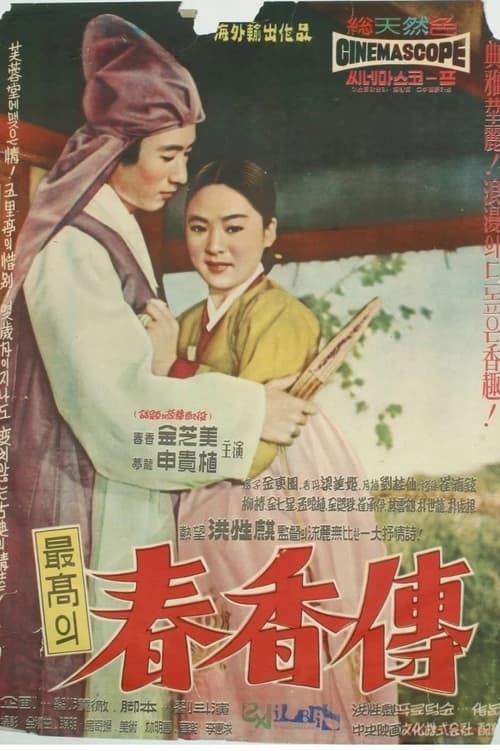
Wolmae is a gisaeng living in Namwon. Her daughter, Chun-hyang, is secretly engaged to marry Lee Mong-ryong. Lee leaves for Seoul with his father and the new governor, Byeon Hak-do, begins coveting Chun-hyang.
In order to gain revenge on the killers of his parents, a man joins an organized crime ring as a hit man. The brutality of his slayings in his quest for vengeance makes him a man that the police desperately want to collar. ※ Only the first 32 minutes of the film currently exist today. The plot summary has been added in the form of title cards to aid the viewing experience.
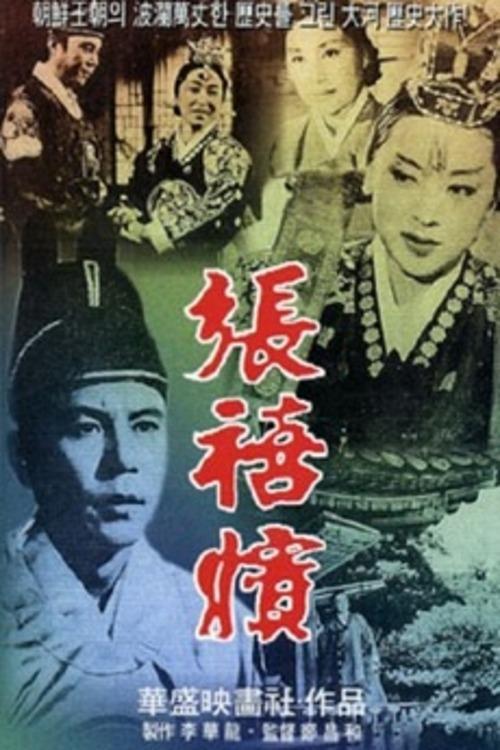
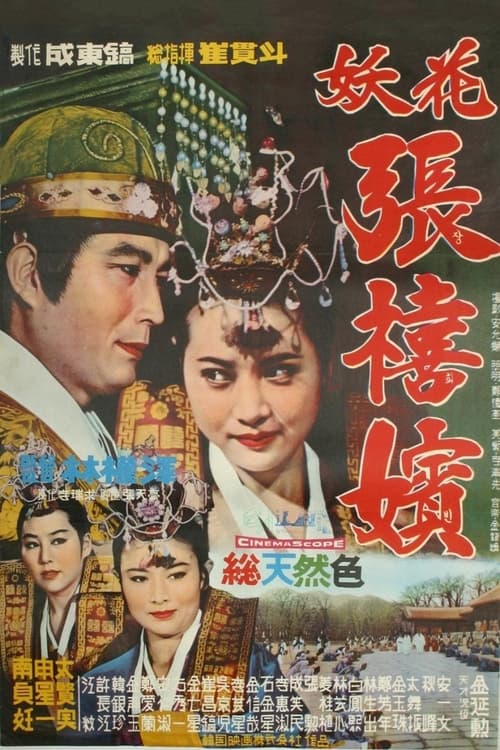
King Sukjong exalts a greedy concubine to the status of Bin, which is next to that of the Queen. The new Bin, who is now called Jang Hui-bin, drives out the Queen through a coup and takes her place. But thanks to loyal court officials, the King finds out what has been going on. He demotes Jang to Bin again and reinstates his Queen. Jang, now vindictive, conspires with her mother to kill the queen and reclaim her place. But the conspiracy is brought to light, and Jang is executed.
Shortly after Korea gained independence from Japan (1945), North Koreans decide to extort civilians' property in the name of revolutionalizing its land and settle class struggles for proletariats. The film depicts an anti North-Korean concept, detailing the country's situation after the independence. South Korea's submission for the Academy Award for Best Foreign Language Film in 1968.
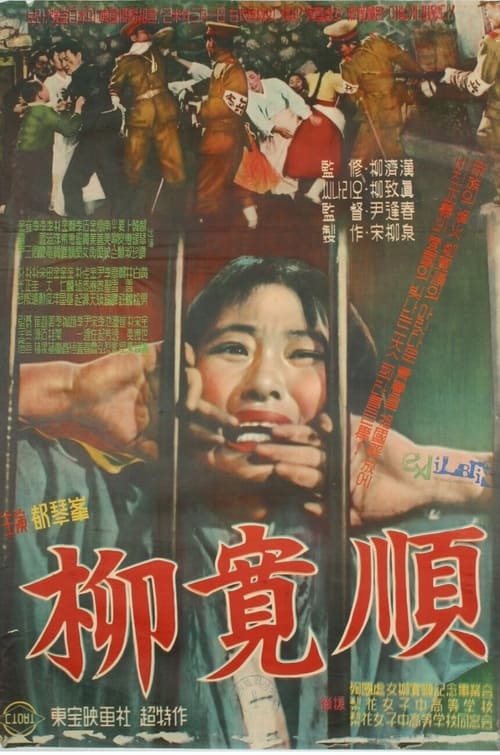
This film is about of the life of the young patriotic martyr Yu Gwan-sun, who fought for the liberation of her country during the Independence Movement in 1919. As the Independence Movement becomes more and more intense among Korean students, the Japanese authorities order schools closed temporarily. Yu Gwan-sun (Do Geum-bong) persuades her neighbors to join the national movement, and continues her aggressive struggle against Japanese rule. An independent campaign at Aunae, a market site, is successful with the passionate participation of many people. She is arrested by the Japanese police for leading the campaign and has to endure horrible tortures. But she never gives up her fight, encouraging her cell mates to participate in the movement. She is finally taken to an underground room by the Japanese police and murdered.
King Sukjong assigns Jang Ok-nan, a court lady, as a concubine overnight. Jang plots to drive the current Queen into exile.
A young sailor arrives in Busan Harbour; an outrageous-looking, woolly bear of a man appears in downtown Busan with a shotgun over one shoulder, a heavy knapsack thrown over the other; a tough-looking young woman joins her friend in robbing a naïve fat man in a suit. The strands of character and story will slowly converge, well after the audience, tuned to the coincidences and mistaken identities of melodrama, has recognised that these three have a shared history and are fated to meet and reconcile.
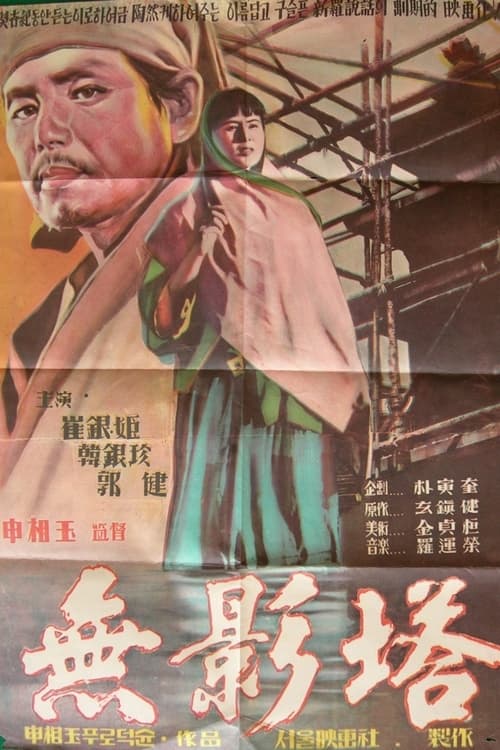
On the eighth of April of King Gyoeng-deok's 10th year of the reign of the Unified Silla Period, Guseulagi, a daughter of Yu Jong, joins the king's parade to Bulguksa Temple, where she meets a stonemason named Asadal from Buyeo. Having a crush on him, she visits Sakyamuni Pagoda, a masonic site; only to find that Asadal had broken down from exhaustion. While she takes care of him, her love for him grows. But Asadal misses his wife who is waiting for him in Buyeo. Meanwhile, Geum Seong who has a crush on Guseulagi, asks his father, Geum Ji, to propose on behalf of him. But Yu Jong is so dissatisfied with Geum Ji because he is a treacherous subject, that he turns down the proposal, instead of hurrying up his daughter's marriage with Gyeongsin, a faithful subject. Asanyeo who has been waiting for her husband Asadal in Buyeo goes to Bulguksa Temple after her father-in-law had died.
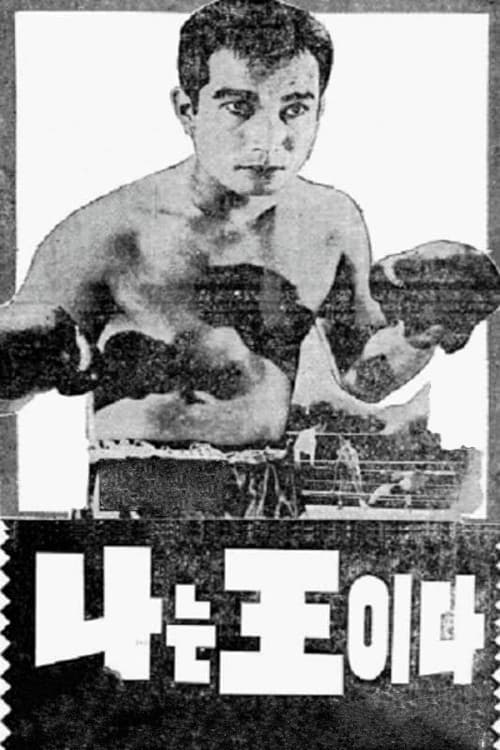
Trainer Meng Doo-ho spots Young-chul in a bar fight and decides to turn him into a boxing champion.