David Scase
Acting
Biography
David Scase (21 September 1919 – 27 February 2003) was a British theatre director and actor. Born at Fulham, London, as the son of a bricklayer, his first job was in a bicycle factory in the mid-1930s. He joined the Merchant Navy on the outbreak of World War II in 1939, but by the end of the war was working as a BBC sound engineer. He then joined Joan Littlewood's Theatre Workshop in Manchester and served as a stage manager, before moving to directing. He ran the Manchester Library Theatre, which he made into one of the most prestigious repertory theatres in the country, from the late 1950s until the 1970s. He gave actors such as Patrick Stewart, Martin Jarvis, and many other household names, their first jobs. Following minor television roles between 1948 and 1965, he began to act on a regular basis during the 1970s, beginning with an appearance in a 1972 episode of Holly. Minor roles in shows including The Nearly Man, ITV Playhouse, Flambards and Fallen Hero followed later on in the decade. In 1984, in his 65th year, he landed his first regular television role, in How We Used to Live, with five appearances as George Holyrood. From 1984 to 1987, he appeared as Hilda Ogden's friend Dr Lowther in Coronation Street. In 1989, he appeared in two episodes of Judith Krantz's Till We Meet Again. Scase retired from acting in 1992, having voiced the Duke in Truckers (stop motion animation adaptation of the Terry Pratchett book) early in the year, and finally appearing as an Art Gallery Owner in The Case-Book of Sherlock Holmes: The Master Blackmailer He died in February 2003, at the age of 83
Known For
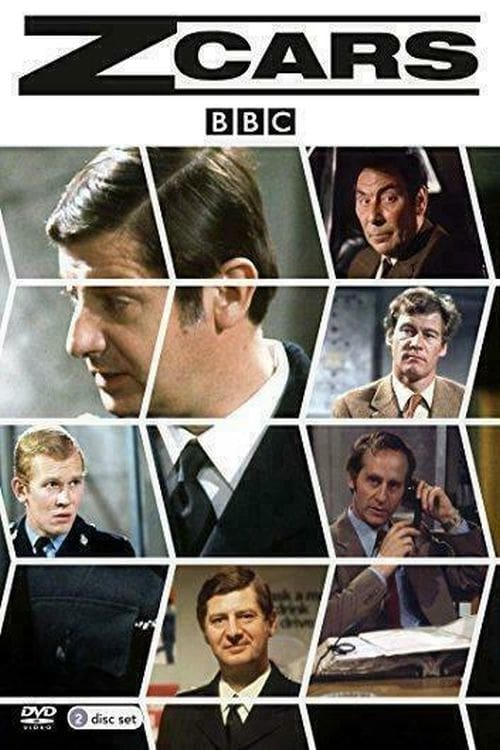
Z-Cars or Z Cars is a British television drama series centred on the work of mobile uniformed police in the fictional town of Newtown, based on Kirkby, Merseyside. Produced by the BBC, it debuted in January 1962 and ran until September 1978.
Z-Cars
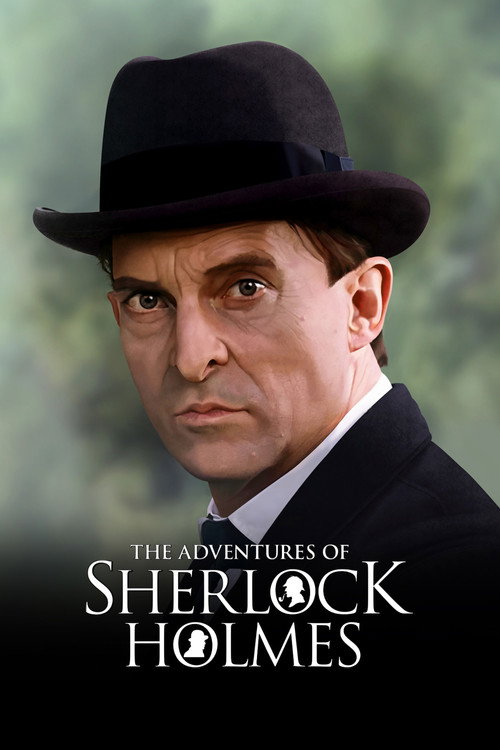
Sherlock Holmes uses his abilities to take on cases by private clients and those that the Scotland Yard are unable to solve, along with his friend Dr. Watson.
Sherlock Holmes
ITV Playhouse is a British comedy-drama TV series that ran from 1967 to 1983, which featured contributions from playwrights such as Dennis Potter, Rhys Adrian and Alan Sharp. The series began in black and white, but was later shot in colour and was produced by various companies for the ITV network, a format that would inspire Dramarama. Actors appearing in the series included Leslie Anderson, Gwen Nelson, Ricky Alleyne, Pat Heywood, Michael Elphick, Ian Hendry, Edward Woodward, Margaret Lockwood, Jessie Matthews and Lloyd Peters.
ITV Playhouse

Strangers is a 1978–82 ITV police procedural created and principally written by Murray Smith, based on characters created by Kenneth Royce in his novel series and subsequent 1977–78 television adaptation The XYY Man. Don Henderson and Dennis Blanch reprise their roles, respectively, of Detective Sergeant (DS) George Bulman and Detective Constable (DC) Derek Willis. A group of police officers are brought together from across the country to the north of England. There, the fact that they're not well-known gives them the advantage to infiltrate where a more familiar local detective could not. Despite being based around a comparatively small team of detectives, a regular feature in its early years is that few episodes feature the entire team, with most using just two or three regulars in any major role.
Strangers
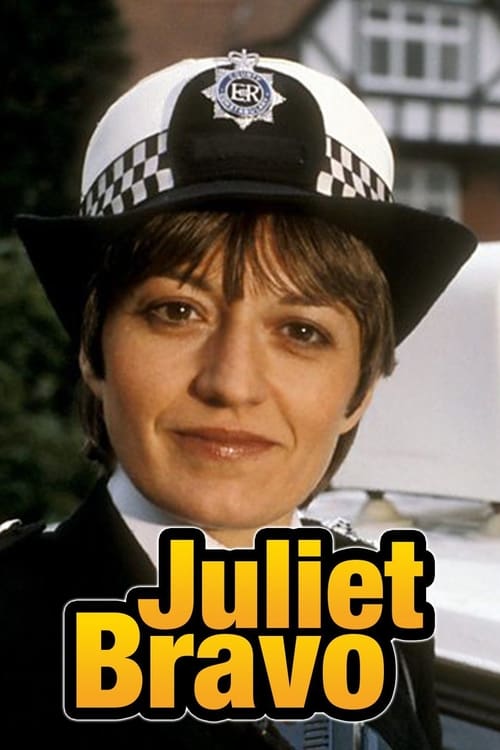
Juliet Bravo was a drama that focused on two female police inspectors, neither of whom were called Juliet Bravo! These two inspectors worked in the small fictional town of Hartley, Lancashire. Jean Darblay was on the scene first and had trouble with her sexist colleagues. However she soon managed to gain their trust and prove a woman could be a successful police officer and housewife. Jean's call sign was Juliet Bravo. When she was promoted and moved on she was replaced by Kate Longton who not only took over the patch but also the headaches that went with it.
Juliet Bravo
How We Used to Live is a British educational historical television drama written by Freda Kelsall and sometimes narrated by Redvers Kyle and John Crosse, both employed as continuity announcers at Yorkshire Television at the time of production. Production began in 1968 at the YTV studios in Leeds. The series traced the lives and fortunes of various fictional Yorkshire families from the Victorian era until the 1960s, in and around the fictional town of Bradley, using self-contained short dramas interspersed with archive footage.
How We Used To Live
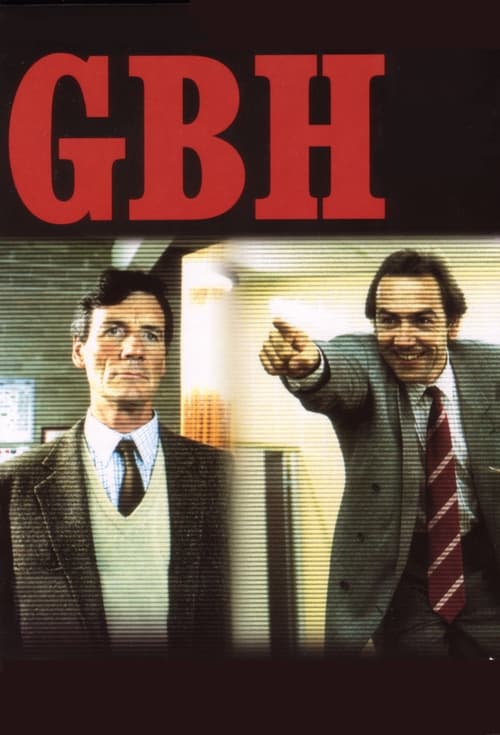
GBH was a seven-part British television drama written by Alan Bleasdale shown in the summer of 1991 on Channel 4. The protagonists were Michael Murray, the Militant tendency-supporting Labour leader of a city council in the North of England and Jim Nelson, the headmaster of a school for disturbed children. The series was controversial partly because Murray appeared to be based on Derek Hatton, former Deputy Leader of Liverpool City Council — in an interview in the G.B.H. DVD Bleasdale recounts an accidental meeting with Hatton before the series, who indicates that he has caught wind of Bleasdale's intentions but does not mind as long as the actor playing him is "handsome". In normal parlance, the initials "GBH" refer to the criminal charge of grievous bodily harm - however, the actual intent of the letters is that it is supposed to stand for Great British Holiday.
G.B.H.
Black and white half-brothers Wesley and Cyril McGregor run an extremely dodgy secondhand car business out of Liverpool. A comedic spin-off from ITV's soap opera Coronation Street, the producers were unable to get Tony Osoba and Carl Chase to reprise the roles, so Paul Barber and Philip Whitchurch were cast instead. For two characters who appeared in a single May 1982 episode, The Brothers McGregor was very popular, running for four series.
The Brothers McGregor
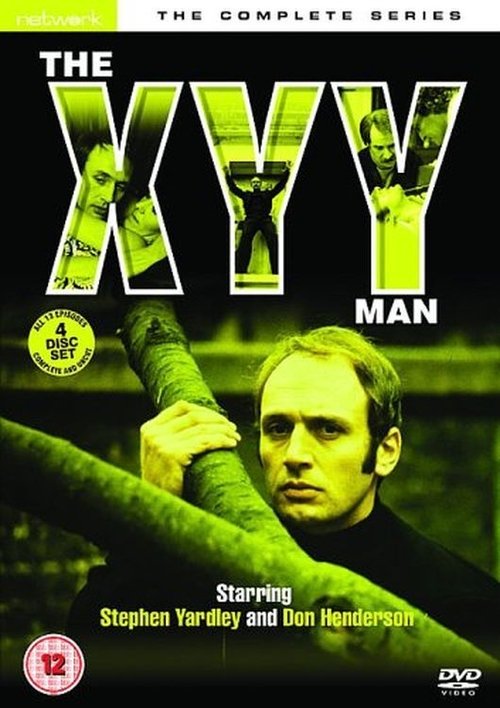
The XYY Man is a 1976–77 British crime thriller television series created by Kenneth Royce, based on his novel series about reformed cat burglar William 'Spider' Scott, recruited by British intelligence for secret missions due to his unique genetic makeup (an extra Y chromosome), which supposedly predisposes him to crime. The plot follows his reluctant work for the secret service and his constant pursuit by the dogged Detective Sergeant George Bulman, leading to spin-offs like Strangers and Bulman.
The XYY Man
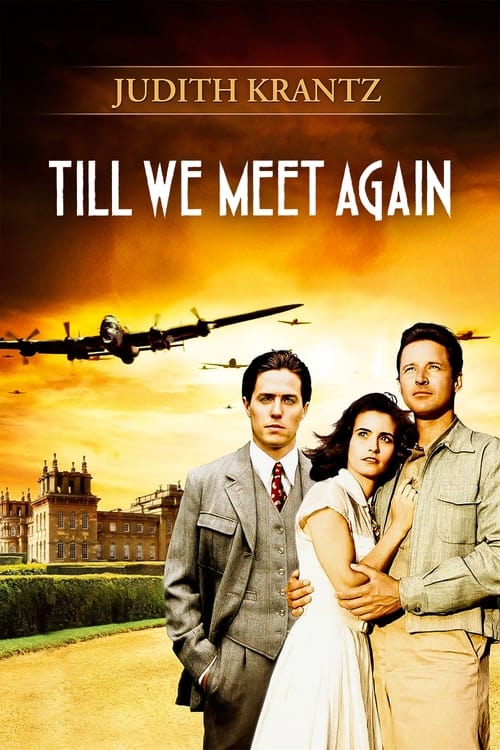
Judith Krantz's Till We Meet Again was a 1989 TV mini-series based on the Judith Krantz novel, Till We Meet Again. It starred Mia Sara, Bruce Boxleitner, Hugh Grant and Courteney Cox.
Judith Krantz's Till We Meet Again
Sid Halley, champion steeplechase jockey, suffers a devastating injury in a fall that ends his career. He sinks into self-pity until his aristocratic father-in-law bullies him into trying something new: becoming a private detective. A great literary gumshoe emerges as Halley regains his dignity, faces his vulnerability, and finds new meaning in life.
The Racing Game
Story of Gareth Hopkins who declined fame as a Welsh Rugby Union international, in favour of a big money switch to Rugby League in Yorkshire. A star of Horton Rangers, the Rugby League player was forced to quit the game through injury.
Fallen Hero
A young Englishman dreams of escaping from his working class family and dead-end job as an undertaker's assistant. A number of indiscretions cause him to lie in order to avoid the penalties. His life turns into a mess and he has an opportunity to run away and leave it all behind.
Billy Liar
The highly popular detective pair from the series Softly, Softly, Barlow and Watt, try to solve the old mystery of Jack The Ripper in this documentary series.
Jack the Ripper
Holly Elliot is a university graduate taking an evening class in art appreciation. Her husband, David, on the other hand, works for a mail-order firm and is trying hard to keep up with Holly by taking an extramural degree in his spare time. Their lives are about to be irrevocably upended.
Holly
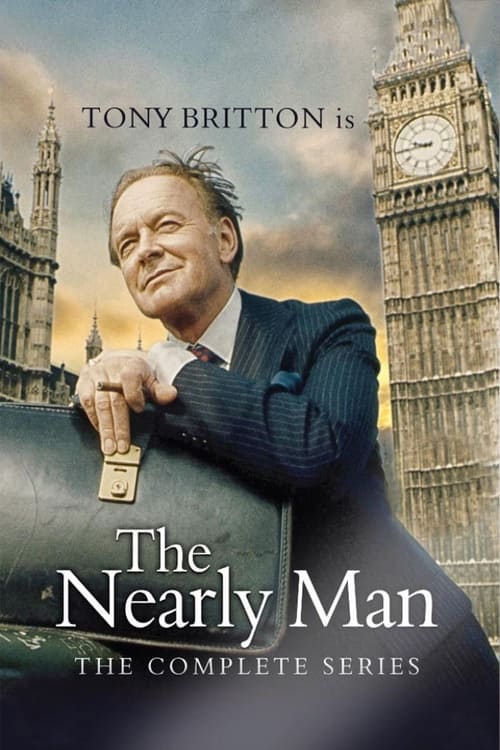
The Nearly Man was a UK TV series from the mid-1970s created by Arthur Hopcraft about a middle-class Labour MP. Originally screened on ITV on 4 August 1974, the series won the Broadcasting Press Guild award for the best single play on British television in 1974. The series was filmed in London by Granada Television, in black and white. Some episodes were directed by British director John Irvin. The main cast included Tony Britton as the lead character, Anne Firbank, John Leyton, and Ian McCulloch.
The Nearly Man
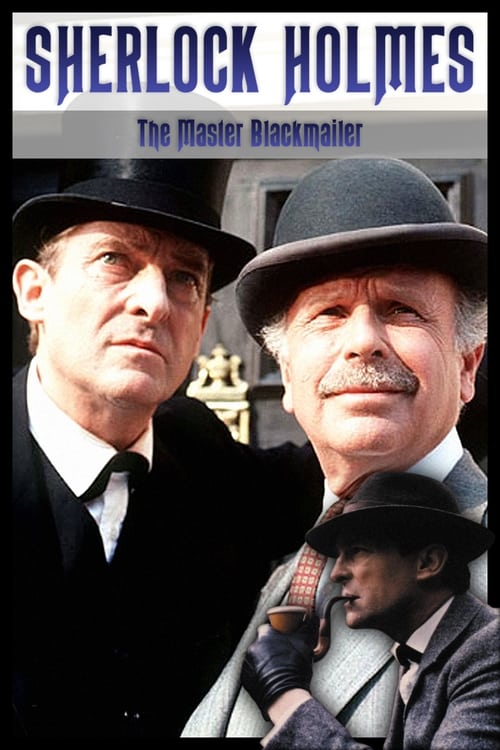
For years, a blackmailer has been preying on the weaknesses of others throughout London. When Holmes hears of the utter misery this mystery man is creating, he adopts a campaign to thwart his evil scheming. The campaign astonishes Dr. Watson by its strangeness and finds Holmes falling in love.
The Master Blackmailer
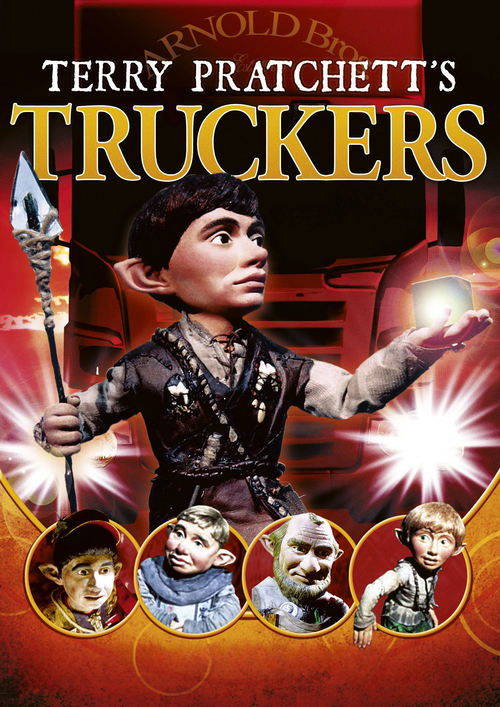
Truckers, the first of Terry Pratchett's novels to be adapted for TV brings to life the story of the Nomes. 15000 years ago the Nomes crashed to Earth in a scout ship from the starship Swan. Generations of them have come and gone with the passing years and the changing countryside. Suddenly faced with extinction, the ten surviving Nomes, guided by their reluctant leader Masklin, must face many exciting adventures during their search for a new home and hiding place in the big, bad world of the humans.
Truckers
Anne Maitland, a female lawyer, receives an unexpected late-night visit from ex-boyfriend Guy Ransome. She agrees to let him sleep on the sofa but he must leave the next morning. When he returns home he finds that his girlfriend has been murdered. His former lover agrees to defend him without telling the court that he spent the night with her. Complications ensue.
Never Look Back
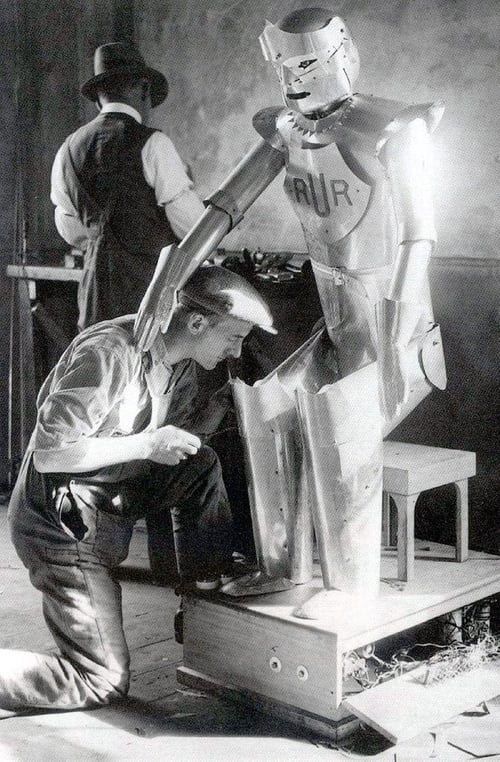
A story of robots leading a revolution against their human creators. It explored dehumanization through technology and the failure of a technologically driven utopia.