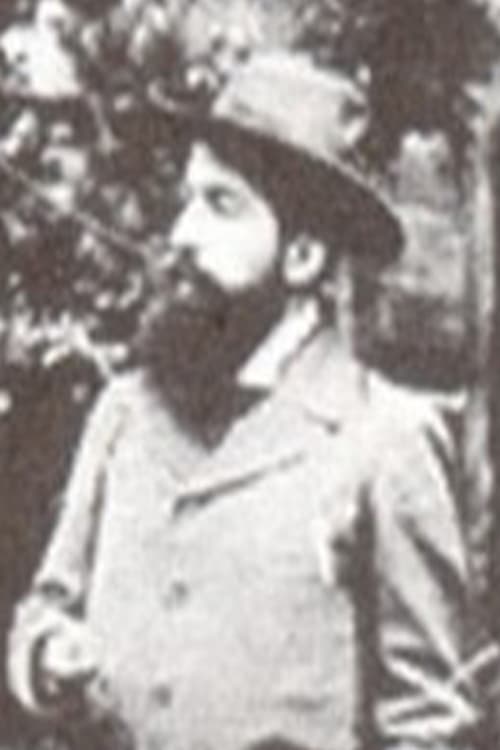
Constant Girel
Camera
Biography
Constant Girel was the son of a pharmacist and studied the subject at Lyon, at which time his brother-in-law was employed at the Lumière factory. He was taken on as a Lumière operator some time in 1896, filming for them in Germany in September of that year, when he made contact with Ludwig Stollwerck and filmed Tsar Nikolas II's inspection of the German army at Breslau. It was the Stollwerk connection that no doubt led him to Switzerland, where he worked for another Lumière representative, Henri Lavanchy-Clarke, before filming the Tsar again towards the end of the year at Cherbourg and Chalons. On 6 December he left for Japan, arriving at Kobe on 9 January 1897, where he met up with the Lumière representative for Japan, Inabata Katsutaro. The pair then inaugurated the cinema in Japan with a program at Osaka's Nanchi Theatre on 15 February 1897. Girel's competence as a cameraman has been questioned, but he filmed a wide number of Japanese scenes, many of which ended up in the Lumière catalog. He returned to France after a year, being replaced by Gabriel Veyre, approached Pathé Frères but failed to find further work in film, and returned to pharmacy.
Known For
![Les Aïnos à Yeso, [II]](https://image.tmdb.org/t/p/w500/gXz7JP7Y9kIbIiBCaS6CSMi2Kzq.jpg)
Ainu people, performing a traditional dance, somewhere near Muroran, Hokkaido. A group of women is spot-dancing, while a man circles around them.
Les Aïnos à Yeso, [II]
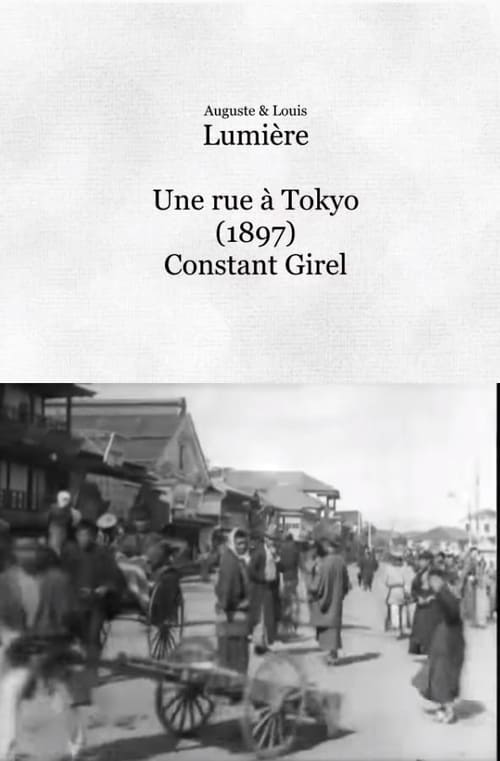
Rickshaws and pedestrians traffic on the street.
Une rue à Tokyo
The German infantry parades in front of Nicholas II and Wilhelm II.
Görlitz : revue devant Guillaume II et Nicolas II
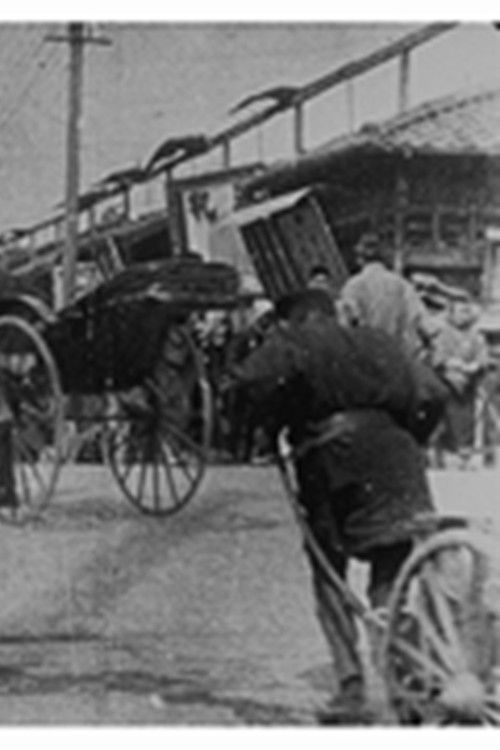
Pedestrian and rickshaws traffic on Shijo Kobashi bridge, in Kyoto.
Un pont à Kyoto
The earliest surviving Japanese film showing the martial art of kendo.
Japanese Sword Fencing
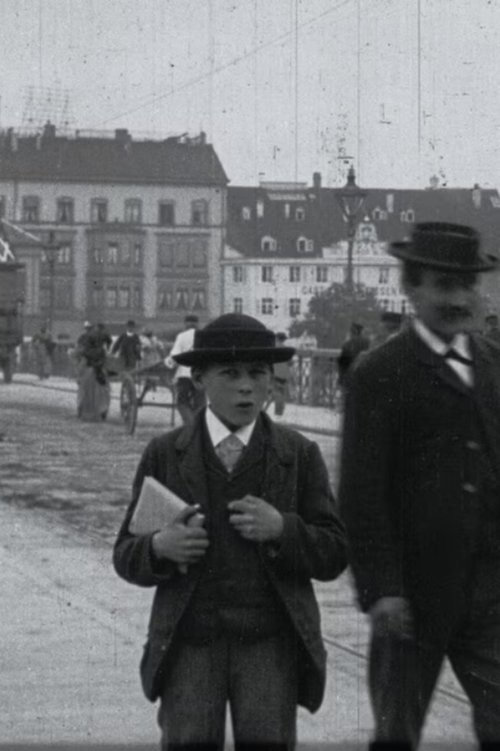
Pedestrian and vehicles traffic on the Mittlere Brücke in Basel, Switzerland.
Pont sur le Rhin
The waterfalls in Neuhausen am Rheinfall, Switzerland, form a cloud of suspended droplets.
Chutes du Rhin vues de près

A Japanese theatre performance based on a legend.
Japanese Actors: Wig Exercise
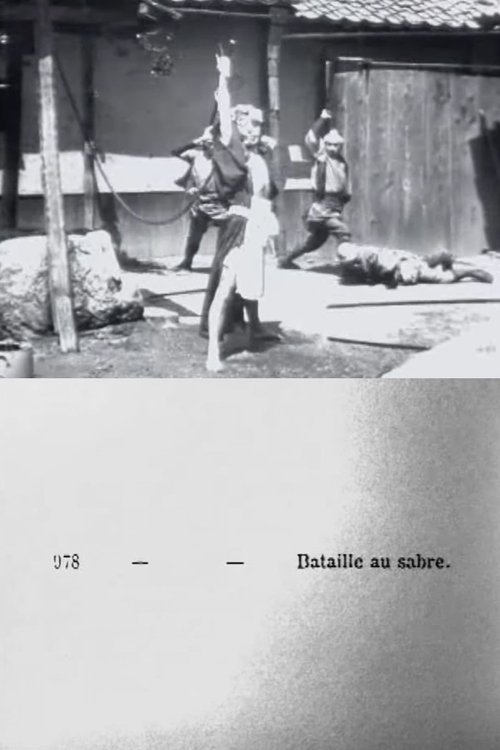
Japanese actors act out an early martial arts weapons scene.
Acteurs japonais : bataille au sabre
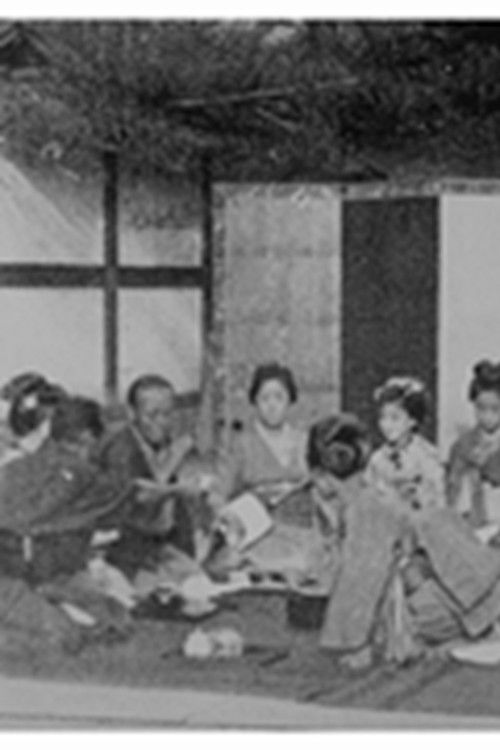
A group of Japanese, eating dinner, somewhere in Kyoto, Honshu.
Dîner japonais
A small boat is approaching waterfalls, shrouded in thick fog, in Neuhausen am Rheinfall, Switzerland.
Chutes du Rhin vues de loin
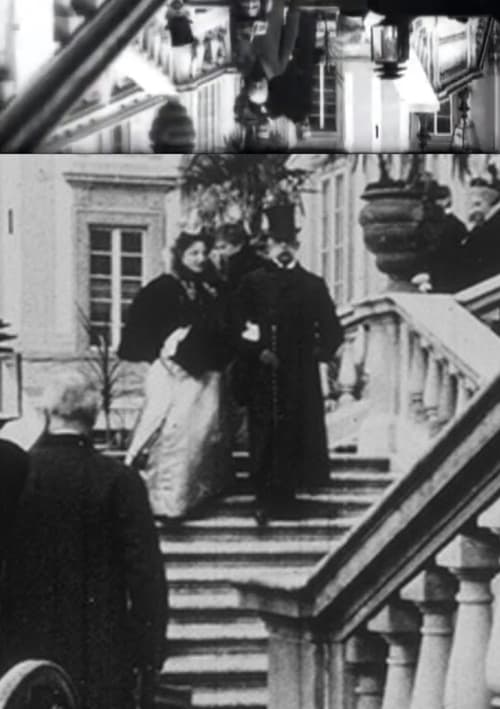
King Umberto I and Queen Margherita of Savoy stepping down a staircase, followed by their escort, before climbing into a horse-drawn carriage.
Roi et Reine d'Italie
A battalion of Bersaglieri charging, at the double, comes to a full stop; the first line goes down on bended knee, while others remain standing; and all fire their weapons repeatedly.
Bersagliers
![Les Aïnos à Ueso, [I]](https://image.tmdb.org/t/p/w500/LnOUmut2AahNLuOWouasAZsD3d.jpg)
Four Ainu men, performing a traditional dance, somewhere near Muroran, Hokkaido.
Les Aïnos à Ueso, [I]
Released on October 4, 1896 in Lyon ( France ) under the title “ Fêtes de l'inauguration du monument de Guillaume Ier à Breslau : II. - Le voile tombe (Lyon républicain, 4 octobre 1896)”. (catalogue-lumiere.com)
II. Inauguration
Lancers parading, during the inauguration ceremony of William I's monument in Breslau, Germany (nowadays Wroclaw, Poland).
I. Avant l'inauguration. Arrivée des souverains
Two lines of workers, pulling a steamroller, somewhere in the streets of Saigon, Vietnam (nowadays, Ho Chi Minh City).
Coolies in Saigon
No description available.
Cherbourg : débarquement des souverains russes
A Japanese family having tea.
Repas en famille

Sovereign Nicholas II, Alexandra Feodorovna and President Félix Faure, walking by, followed by their respective escorts.