FEEL IT.STREAM
Albert Maysles

Albert Maysles

Directing

Biography

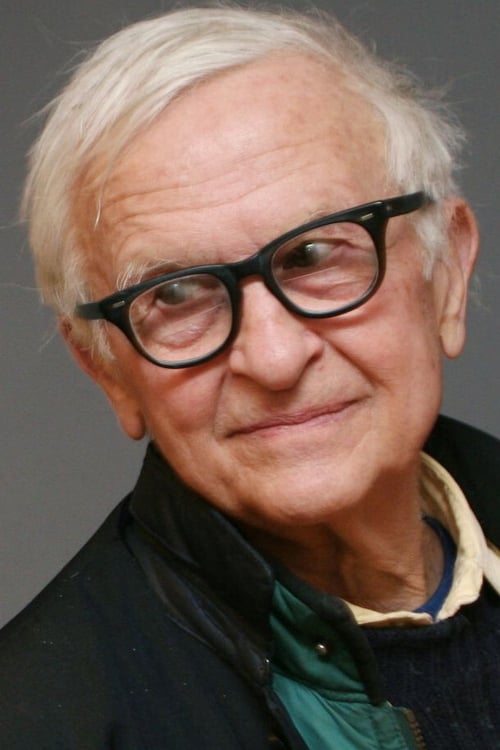
Albert Maysles (with his brother David) was an American documentary filmmaker known for his work in the "Direct Cinema" style. Their best-known films together include Salesman (1969), Gimme Shelter (1970) and Grey Gardens (1975).
Known For

30 for 30
7.5

30 for 30 is the title for a series of documentary films airing on ESPN, its sister networks, and online highlighting interesting people and events in sports history. This currently includes four "volumes" of 30 episodes each, a 13-episode series under the ESPN Films Presents title in 2011–2012, and a series of 30 for 30 Shorts shown through the ESPN.com website. The series has also expanded to include Soccer Stories, which aired in advance of the 2014 FIFA World Cup, and audio podcasts. This entry refers to the main Volumes of the series presented by ESPN

30 for 30

2009
ABC Close-Up!
6.0

This long-running ABC News series of special reports/documentaries explores different aspects of life in the United States, featuring the most prominent ABC News correspondents of their times.

ABC Close-Up!

1960
Monterey Pop
7.4

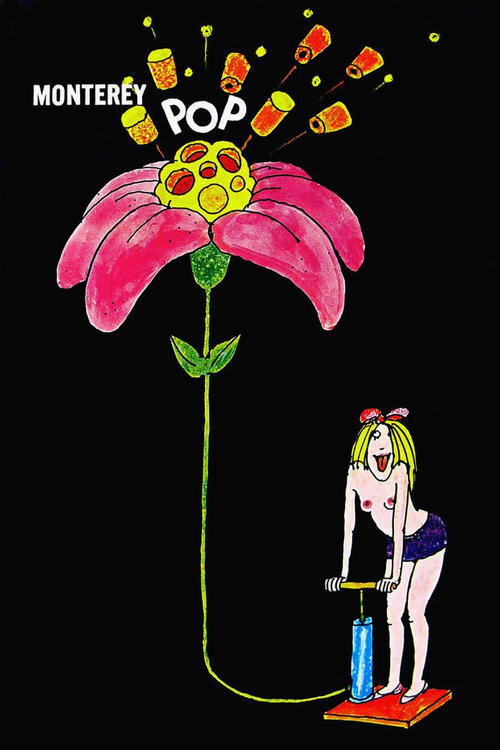
Featuring performances by popular artists of the 1960s, this concert film highlights the music of the 1967 California festival. Although not all musicians who performed at the Monterey Pop Festival are on film, some of the notable acts include the Mamas and the Papas, Simon & Garfunkel, Jefferson Airplane, the Who, Otis Redding, and the Jimi Hendrix Experience. Hendrix's post-performance antics -- lighting a guitar on fire, breaking it and tossing a part into the audience -- are captured.

Monterey Pop

1968
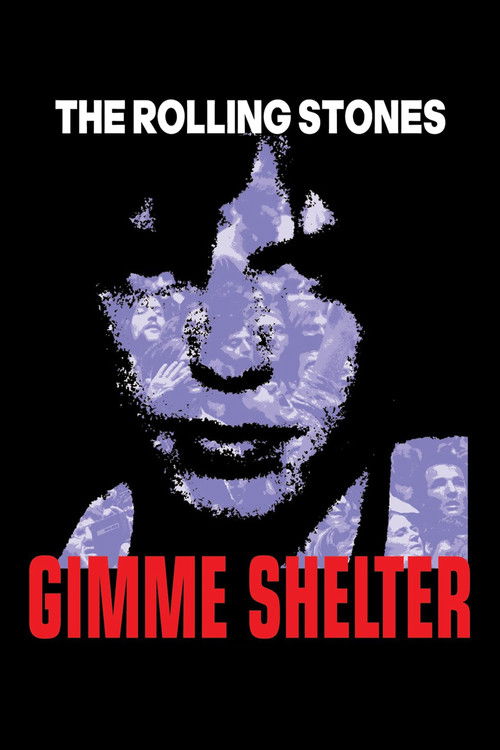
Gimme Shelter
7.3

A detailed chronicle of the famous 1969 tour of the United States by the British rock band The Rolling Stones, which culminated with the disastrous and tragic concert held on December 6 at the Altamont Speedway Free Festival, an event of historical significance, as it marked the end of an era: the generation of peace and love suddenly became the generation of disillusionment.

Gimme Shelter

1970
The Beatles: The First U.S. Visit
7.9

The Beatles First US Visit uniquely chronicles the inside story of the two remarkable weeks when Beatlemania first ignited America. The pioneering Maysles Brothers who filmed at the shoulders of John, Paul, George and Ringo, innovated an intimate documentary style of film-making which set the benchmark for rock and roll cinematography that remains to this day.

The Beatles: The First U.S. Visit

1991
This Is an Adventure
6.8

During production on the film "The Life Aquatic with Steve Zissou", documentary filmmakers followed the cast and crew of a film which depicts other documentary filmmakers who follow animal life. In this film, we get a first hand look at the sets and come very close to many of the cast and crew members at work, especially Bill Murray and Wes Anderson.

This Is an Adventure

2005
The Love We Make
7.2

"The Love We Make", a film directed by Albert Maysles ("Gimme Shelter") and Bradley Kaplan, follows Paul McCartney as he journeys through the streets of New York City in the aftermath of the destruction of the World Trade Center on September 11th, 2001. It also chronicles the planning and performance of the benefit concert that took place less than six months after the attacks: "The Concert For New York City".

The Love We Make

2011
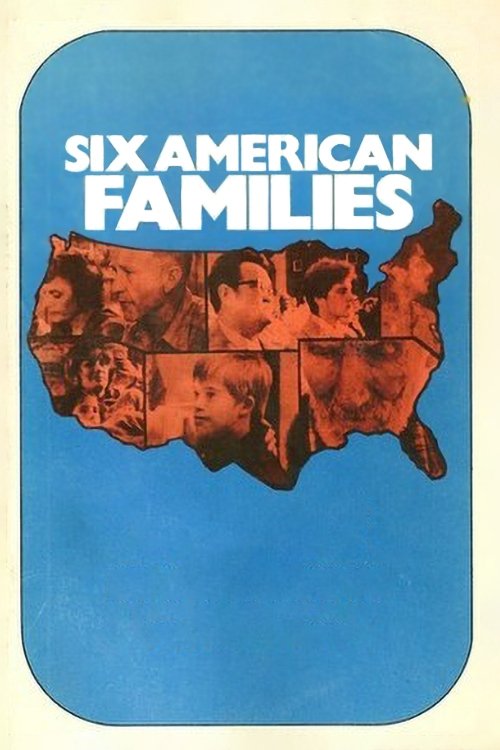
Six American Families
10.0

Six documentaries that portray American family life.

Six American Families

1977
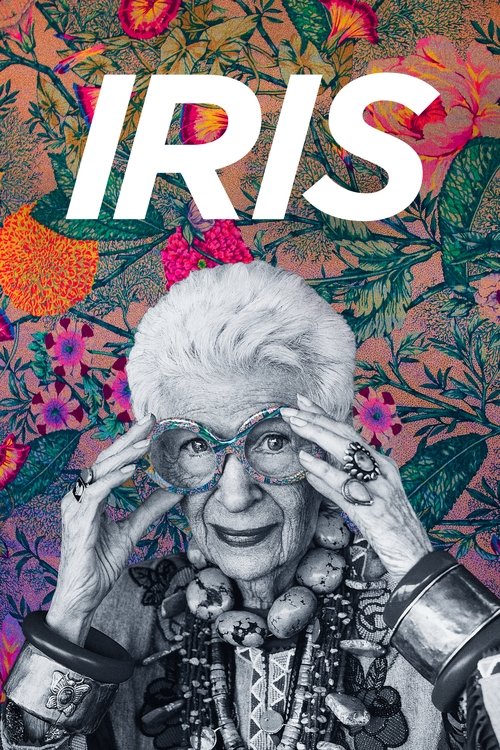
Iris
7.3

IRIS pairs legendary 87-year-old documentarian Albert Maysles with Iris Apfel, the quick-witted, flamboyantly dressed 93-year-old style maven who has had an outsized presence on the New York fashion scene for decades. More than a fashion film, the documentary is a story about creativity and how, even in Iris’ dotage, a soaring free spirit continues to inspire. IRIS portrays a singular woman whose enthusiasm for fashion, art and people are life’s sustenance and reminds us that dressing, and indeed life, is nothing but an experiment.

Iris

2014
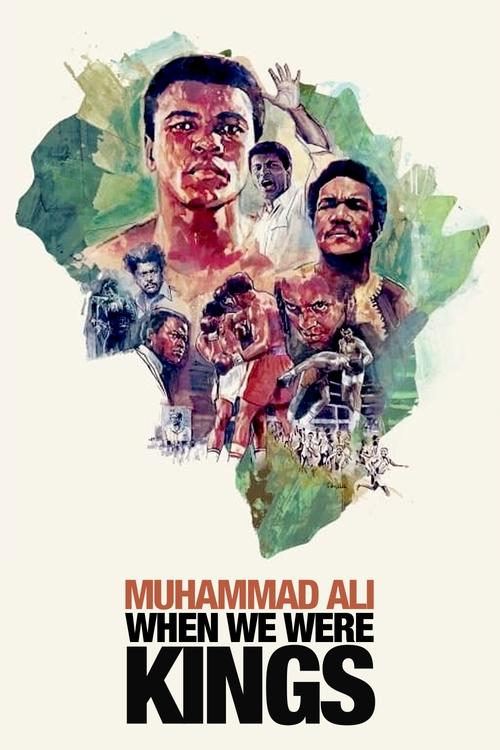
When We Were Kings
7.6

It's 1974. Muhammad Ali is 32 and thought by many to be past his prime. George Foreman is ten years younger and the heavyweight champion of the world. Promoter Don King wants to make a name for himself and offers both fighters five million dollars apiece to fight one another, and when they accept, King has only to come up with the money. He finds a willing backer in Mobutu Sese Suko, the dictator of Zaire, and the "Rumble in the Jungle" is set, including a musical festival featuring some of America's top black performers, like James Brown and B.B. King.

When We Were Kings

1996
With the Filmmaker: Wes Anderson
7.0

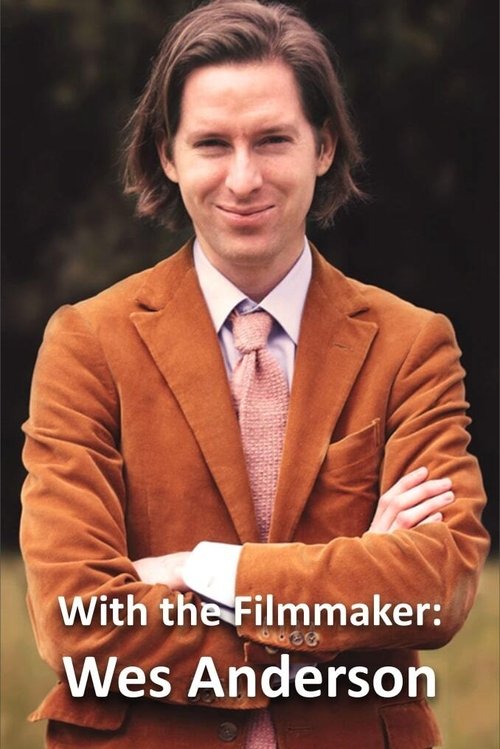
A concise television portrait of Wes Anderson, observing the filmmaker at work and reflecting on his creative process, influences, and approach to directing during the early phase of his career.

With the Filmmaker: Wes Anderson

2001
A President to Remember: In the Company of John F. Kennedy
10.0

Bringing to life an American President who was widely respected by his countrymen and celebrated around the world. Composed from four break through films by Robert Drew, each an unprecedented record in candid photography of a phase of John F. Kennedy’s political life. Kennedy is seen in close up from young Senator campaigning for the Presidency, to an ebullient new President moving into the White House, to a burdened President trying to solve grave problems in the Oval Office. The shock of his death is seen through the faces of his compatriots. Now these four films are edited together with other footage of the time. This film is an intimate history of how one American President struggled to bring wisdom and honor to the office of the Presidency.

A President to Remember: In the Company of John F. Kennedy

2008
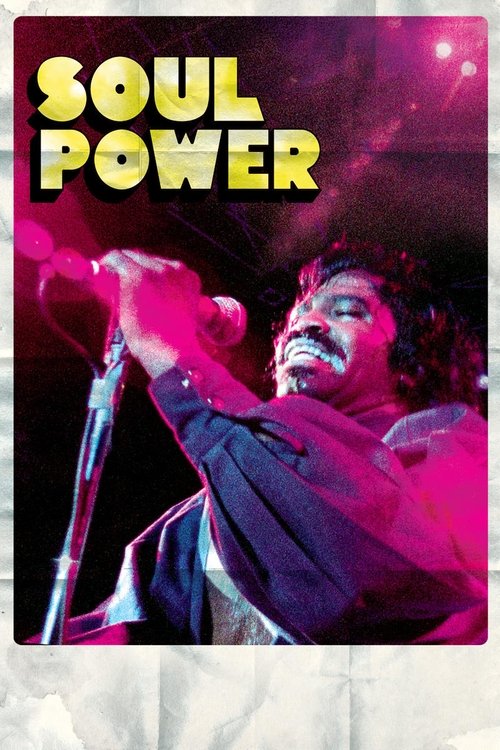
Soul Power
6.4

Soul Power is a 2008 documentary film about the Zaire 74 music festival in Kinshasa which accompanied the Rumble in the Jungle heavyweight boxing championship match between Muhammad Ali and George Foreman in October 1974. The film was made from archival footage; other footage shot at the time focusing on the fight was edited to form the film When We Were Kings.

Soul Power

2009
Salesman
7.2

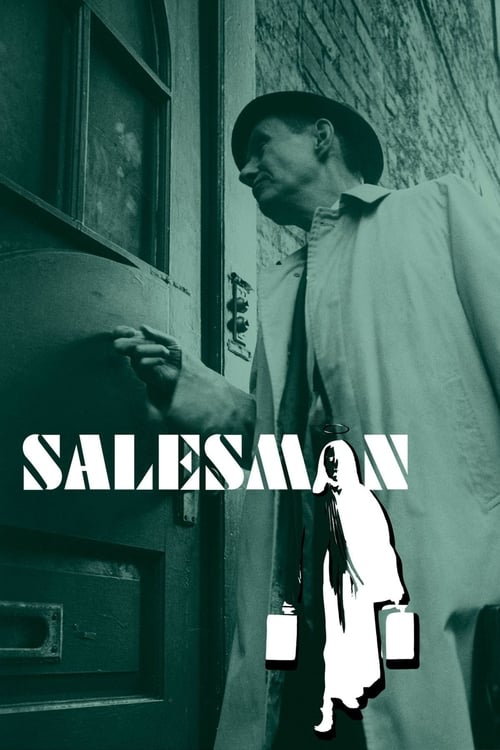
This documentary from Albert and David Maysles follows the bitter rivalry of four door-to-door salesmen working for the Mid-American Bible Company: Paul "The Badger" Brennan, Charles "The Gipper" McDevitt, James "The Rabbit" Baker and Raymond "The Bull" Martos. Times are tough for this hard-living quartet, who spend their days traveling through small-town America, trying their best to peddle gold-leaf Bibles to an apathetic crowd of lower-middle-class housewives and elderly couples.

Salesman

1969
Grey Gardens
7.3

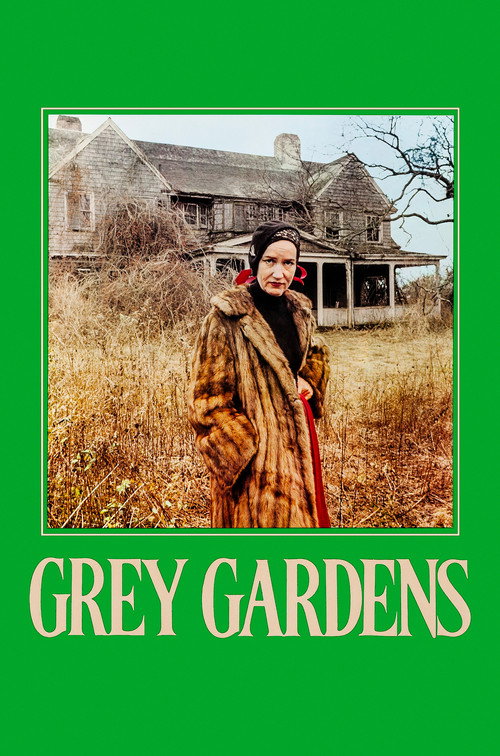
Edie Bouvier Beale and her mother, Edith, two aging, eccentric relatives of Jackie Kennedy Onassis, are the sole inhabitants of a Long Island estate. The women reveal themselves to be misfits with outsized, engaging personalities. Much of the conversation is centered on their pasts, as mother and daughter now rarely leave home.

Grey Gardens

1976
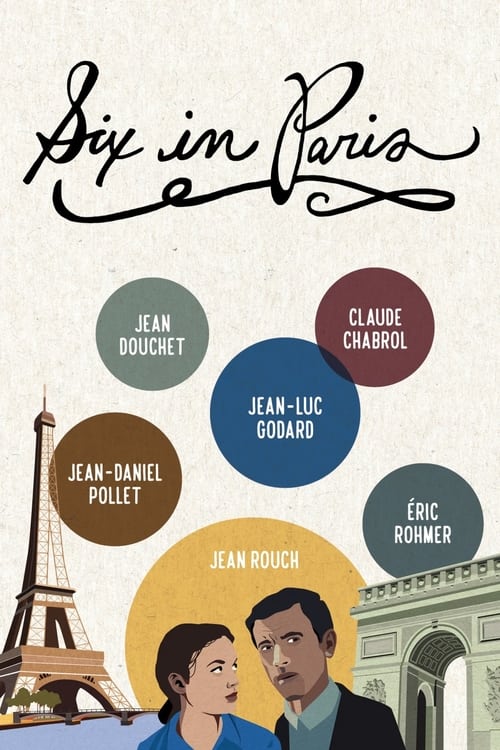
Six in Paris
6.7

Six vignettes set in different sections of Paris, by six directors. St. Germain des Pres (Douchet), Gare du Nord (Rouch), Rue St. Denis (Pollet), and Montparnasse et Levallois (Godard) are stories of love, flirtation and prostitution; Place d'Etoile (Rohmer) concerns a haberdasher and his umbrella; and La Muette (Chabrol), a bourgeois family and earplugs.

Six in Paris

1965
South of the Border
5.9

A road trip across five countries to explore the social and political movements as well as the mainstream media's misperception of South America while interviewing seven of its elected presidents.

South of the Border

2009
Primary
6.5

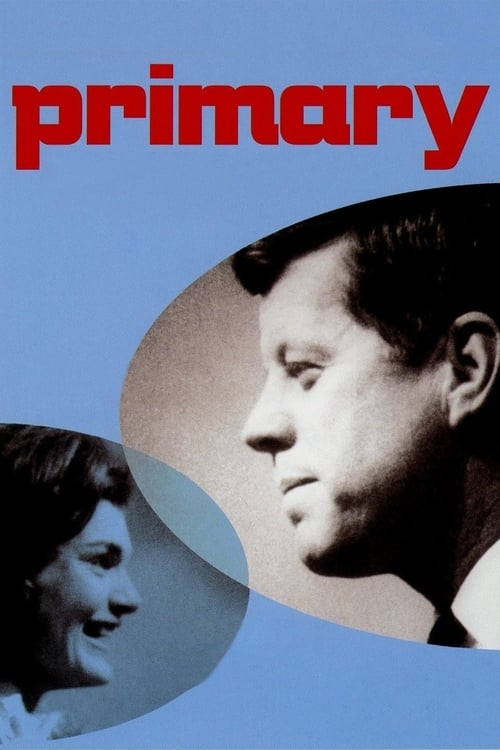
Primary is a documentary film about the primary elections between John F. Kennedy and Hubert Humphrey in 1960. Primary is the first documentary to use light equipment in order to follow their subjects in a more intimate filmmaking style. This unconventional way of filming created a new look for documentary films where the camera’s lens was right in the middle of what ever drama was occurring. Preserved by the Academy Film Archive in partnership with The Film Foundation in 1998.

Primary

1960
Monterey Pop - The Outtake Performances
7.5

Additional musical performances from the 1967 Monterey Pop Festival in California, shot for the film Monterey Pop (1968) and released on the Criterion Blu-ray The Complete Monterey Pop Festival.

Monterey Pop - The Outtake Performances

2002
Cut Piece
6.5

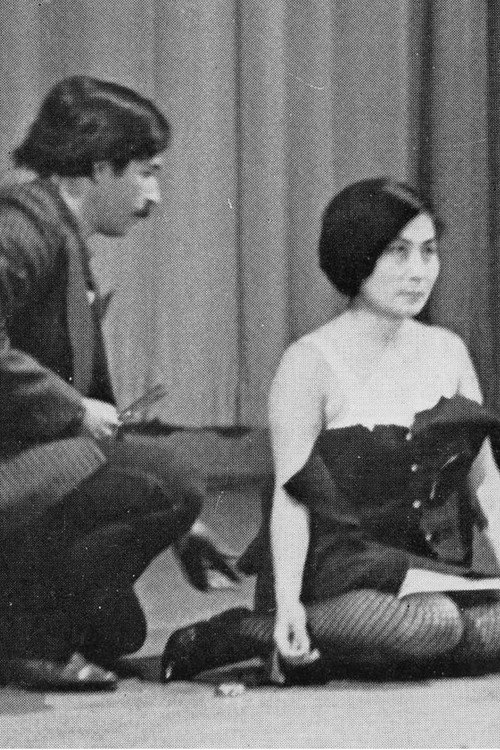
Filmed at New York’s Carnegie Hall, Cut Piece documents one of Yoko Ono’s most powerful conceptual pieces. Performed by the artist herself, Ono sits motionless on the stage after inviting the audience to come up and cut away her clothing in a denouement of the reciprocity between victim and assailant.

Cut Piece

1965