FEEL IT.STREAM
?

Christian Blackwood

Directing

Biography

Christian Blackwood was an American film director and cinematographer. He was initially a child actor, then a cinematographer acclaimed for his work in Charlotte Zwerin's Thelonious Monk: Straight, No Chaser. But his major work was as the director of over 80 films, mostly documentaries, over a 25-year career. His most famous films are Observations Under The Volcano and On the Set of Death of a Salesman, behind-the-scenes looks at the creation of movies by John Huston and Volker Schlöndorff from the famous novel and play. The latter film won him the grand prize at the Sundance Film Festival. Christian Blackwood died in 1992 of lung cancer. He was married to film writer, producer and fine art photographer, Carolyn Marks Blackwood. His film archives are stored in the Museum of Modern Art.
Known For

No image
6.0

No description available.

German Film Award

1951
POV
6.9

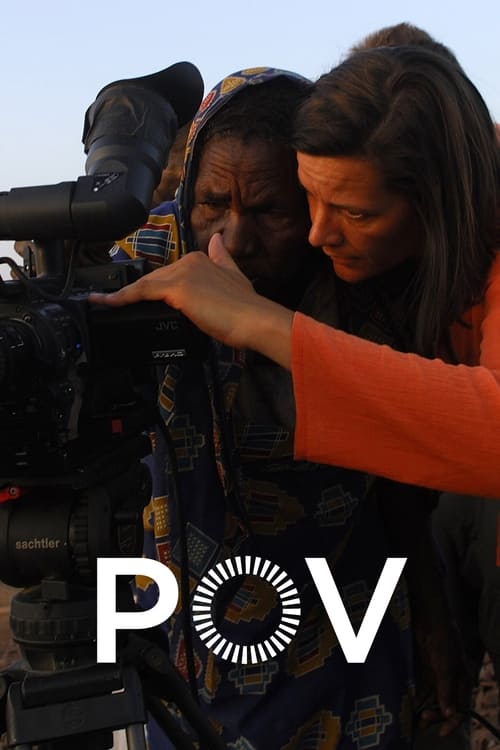
Since its 1988 premiere, this critically acclaimed documentary series has presented hundreds of films that put a human face on contemporary social issues by relating a compelling story in an intimate fashion. "POV" has won virtually every major film and broadcasting award available, including 38 Emmys, 22 Peabody Awards and three Oscars.

POV

1988
Roger Corman: Hollywood's Wild Angel
7.7

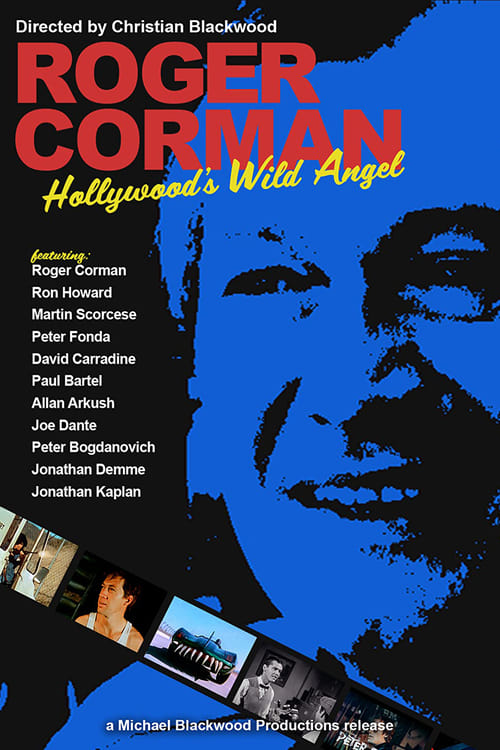
Documentary examining the life and career of producer/director Roger Corman. Clips from his films and interviews with actors and crew members who have worked with him are featured.

Roger Corman: Hollywood's Wild Angel

1978
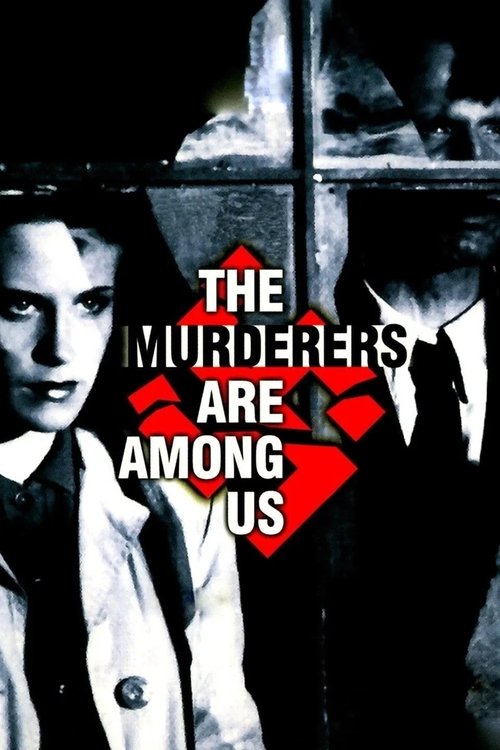
The Murderers Are Among Us
6.9

After returning from a concentration camp, Susanne finds a traumatized ex-soldier living in her apartment in bombed out Berlin. Together the two try to move past their experiences during WWII.

The Murderers Are Among Us

1946
Butoh: Body on the Edge of Crisis
8.0

"Butoh: Body on the Edge of Crisis" is a visually striking film portrait shot on location in Japan with the participation of the major Butoh choreographers and their companies. Although Butoh is often viewed as Japan's equivalent of modern dance, in actuality it has little to do with the rational principles of modernism. Butoh is a theater of improvisation which places the personal experiences of the dancer on center-stage. By reestablishing the ancient Japanese connection of dance, music, and masks, and by recalling the Buddhist death dances of rural Japan, Butoh incorporates much traditional theater. At the same time, it is a movement of resistance against the abandonment of traditional culture to a highly organized consumer-oriented society.

Butoh: Body on the Edge of Crisis

1990
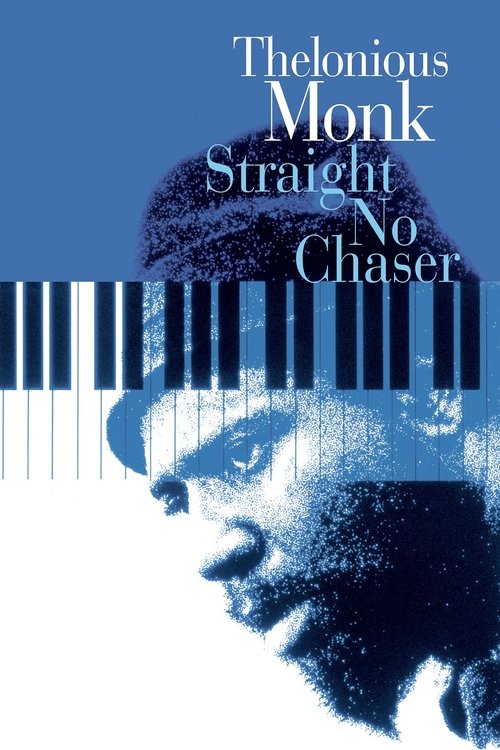
Thelonious Monk: Straight, No Chaser
7.3

A documentary film about the life of pianist and jazz great Thelonious Monk. Features live performances by Monk and his band, and interviews with friends and family about the offbeat genius.

Thelonious Monk: Straight, No Chaser

1988
Private Conversations: On the Set of ‘Death of a Salesman’
N/A

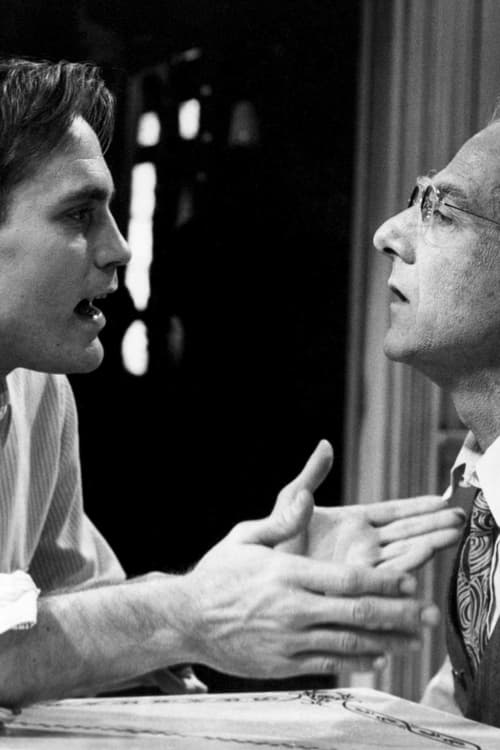
Playwright Arthur Miller, director Volker Schlöndorff and actor Dustin Hoffman are seen creating the Roxbury Productions and Punch Productions teleplay Death of a Salesman (1985).

Private Conversations: On the Set of ‘Death of a Salesman’

1986
Not Reconciled
5.9

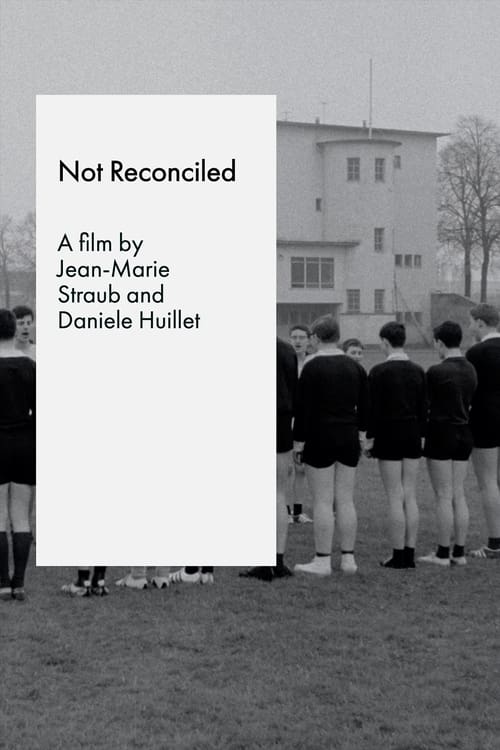
A story about the continuity and collapse of history, the power of suppression, and the terror of reconciliation; loyalty, treason and revenge. In a brave cinematic game, Heinrich Böll’s story Billiards at Half-Past Nine is split up into cracks, blocks, breaks and sudden turns, as the life story of a German family, covering numerous generations, is propelled forward.

Not Reconciled

1965
Motel
6.7

Documentary looking at the culture of three motels and their owners who remain untouched by homogenization and corporatism, located in Santa Fe, New Mexico; Florence, Arizona; and the semi-ghost town of Death Valley Junction, California. Everyone has an unusual story to tell.

Motel

1989
The Soldier's Tale
6.9

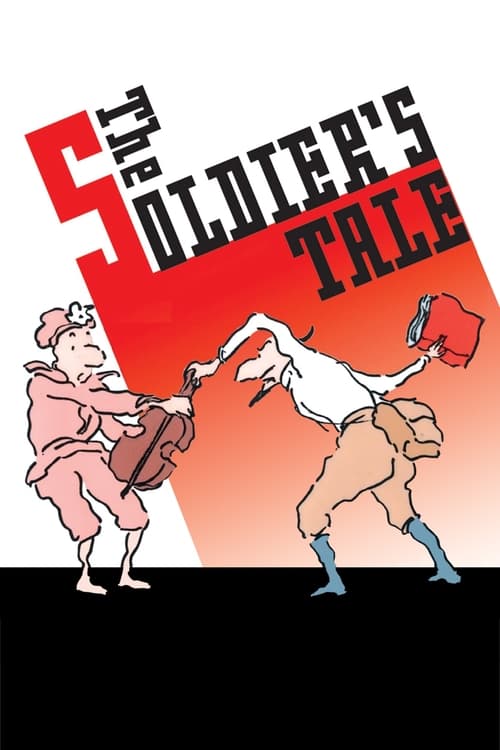
A soldier, returning home from war, chances upon a stranger who offers to buy his violin. The stranger is none other than the devil.

The Soldier's Tale

1984
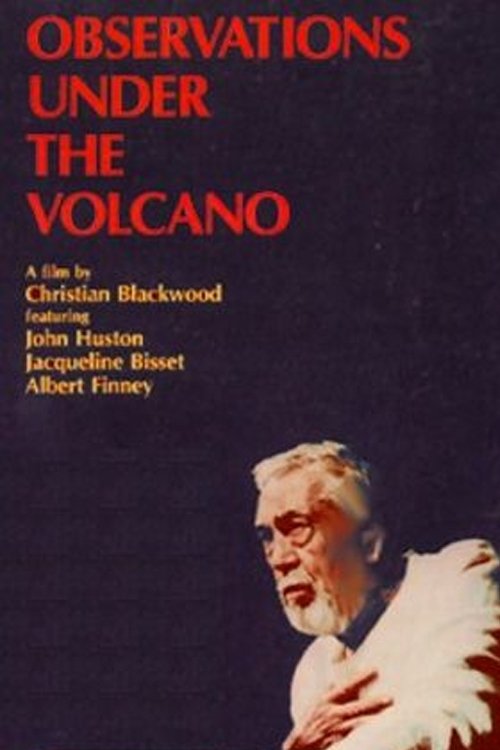
Observations Under the Volcano
4.5

Documentary on the making of the movie Under the Volcano.

Observations Under the Volcano

1984
No image
N/A

A visit in 1971 to the classrooms of the Juilliard School, New York's prominent music academy, introducing some of the talented students and many of the brilliant faculty. Through interviews and observations this film explores the history of the school and showcases the musical curriculum, which the students throw themselves into with rigor and passion. Encouraged by their professors the budding musicians learn to study, analyze and approach a piece with curiosity and determination. "Juilliard" serves as a meaningful documentation of the school that was founded in 1905 as the Institute of Musical Art before becoming The Juilliard School of Music in 1962.

Juilliard

Christo: Wrapped Coast
N/A

In 1969, Christo and Jeanne-Claude wrapped 2.5 kilometers of coast and cliffs up to 26 metres along the coast of Little Bay, in Southeast Sydney, Australia.

Christo: Wrapped Coast

1969
Harlem Theater
7.0

HARLEM, USA: in the aftermath of Martin Luther King’s murder, German filmmaker Klaus Wildenhahn turned his 16mm camera on the New Lafayette Theatre as its players rehearsed scenes, ran public workshops and conducted exercises in uptown Manhattan. New Lafayette (or NLT) had been founded by actor-director Robert Macbeth the previous year, with the aim of producing theater for black people, by black people, to reflect the experiences and vernacular of the Harlem community. Within the Black Arts Movement, NLT would become a significant institution: it published the journal Black Theatre, and employed a host of talents – including the Black Panthers’ Minister of Culture, Ed Bullins, and the great pianist Junior Mance, both of whom appear in Wildenhahn’s film as resident collaborators.

Harlem Theater

1969
Edith Head
8.0

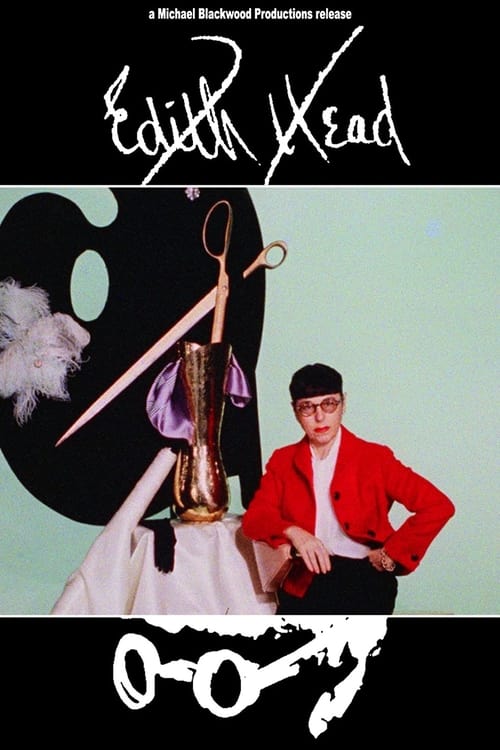
A light-hearted, toe-tapping portrait of the well-known 8 Oscar winning Hollywood costume designer filmed in her opulent house and garden. Edith Head presents some of her famous designs using glamorous models to impersonate Mae West, Barbara Stanwyck, Dorothy Lamour, Ginger Rogers, Audrey Hepburn, Elizabeth Taylor and Grace Kelly. They move to the music of the films for which she was the designer as Head recalls the times and places that served as inspiration for the famed looks.

Edith Head

1981
Signed: Lino Brocka
4.4

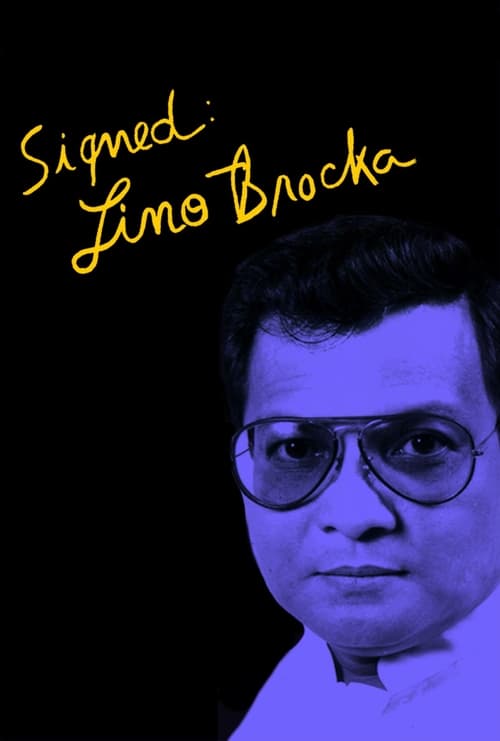
Documentary filmmaker Christian Blackwood profiles controversial Filipino director Lino Brocka, detailing his rags-to-riches rise in the mainstream film industry of the Philippines. Primarily using interviews with the effusive director himself, Blackwood allows Brocka to describe, in his own terms, the common thematic threads tying together his work, from his own homosexuality to the political repression suffered by Filipinos at the hands of Ferdinand Marcos' dictatorial government.

Signed: Lino Brocka

1987
Hollywood's Musical Moods
N/A

In the silent film era, movies were never really silent. In the background of films that made figures like Charlie Chaplin and Buster Keaton into cultural icons, were the musical giants whose compositions defined the very films that captivated a generation of movie-goers. Arthur Kleiner converses with the still-living legends from that bygone golden age of cinema.

Hollywood's Musical Moods

1976
San Domingo
6.3

This surrealistic experimental film finds the son of a young nobleman staying with hash-smoking hippies in a seamy section of Munich. He falls for a hippie girl who is involved in shaking down the young man's parents for money. She falls in love with the young man but the group continues to extract money from the parents in return for their wayward son. When he discovers the shakedown, his rage leads to tragedy for the star-crossed lovers.

San Domingo

1970
Memoirs of a Movie Palace: The Kings of Flatbush
N/A

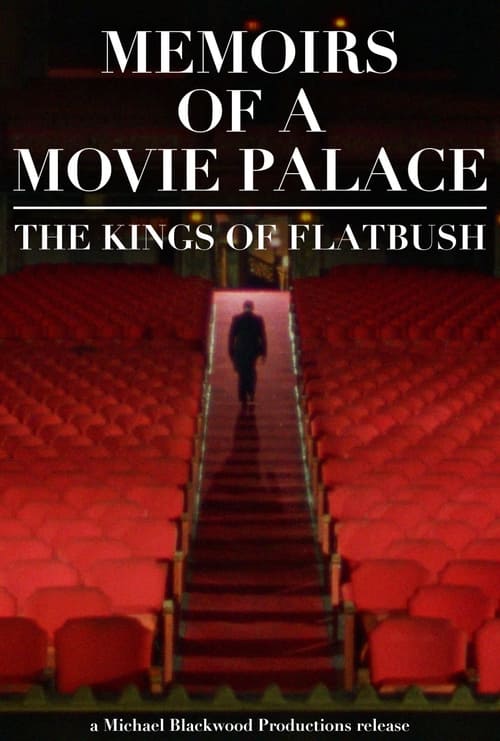
When Brooklyn's Kings Theater -- one of five "Wonder Theaters" in the New York area -- closed its doors in 1977, the neighborhood mourned. In a series of interviews, local aficionados of the palace as well as its projectionist, its organist, and former employees, reminisce about the Kings and its charmed days gone by.

Memoirs of a Movie Palace: The Kings of Flatbush

1980
Tapdancin'
N/A

In a highly entertaining overview of what is considered the first, genuinely all-American dance form, Christian Blackwood's Tapdancin' illuminates the New York driven renaissance of the once-flourishing art form. Blackwood shows how the triumphs and defeats of many great dancers from the past were mingled with the rejuvenation of this art form by a class of talented newcomers. A series of heartwarming interviews, which shed light on the history of the discipline as well as on the racial misgivings of the entertainment world in America, are mixed with beautifully captured footage of the tap masters in action that will have you tapping your own feet along to beat. The whimsically fast-feet of the Nicholas Brothers, Honi Coles, John Bubbles, the Copasetics, and many more tap legends, make this a film that is not only a pleasure to watch but that offers a glimpse into the past, present, and future of an authentically American art form.

Tapdancin'