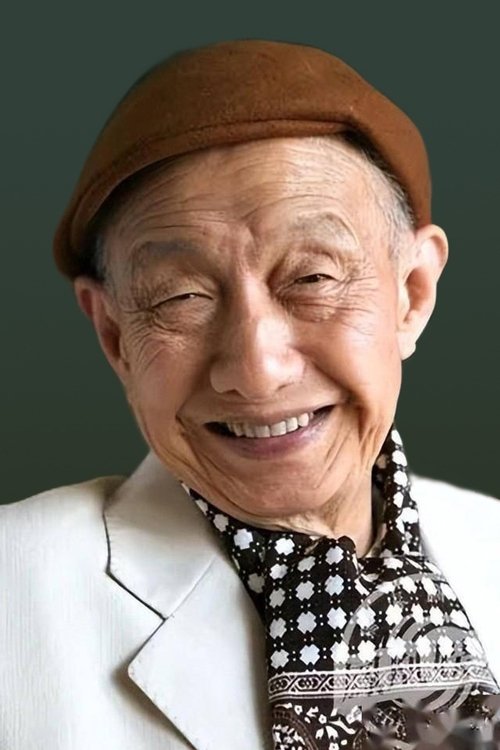
Huang Zongluo
Acting
Known For
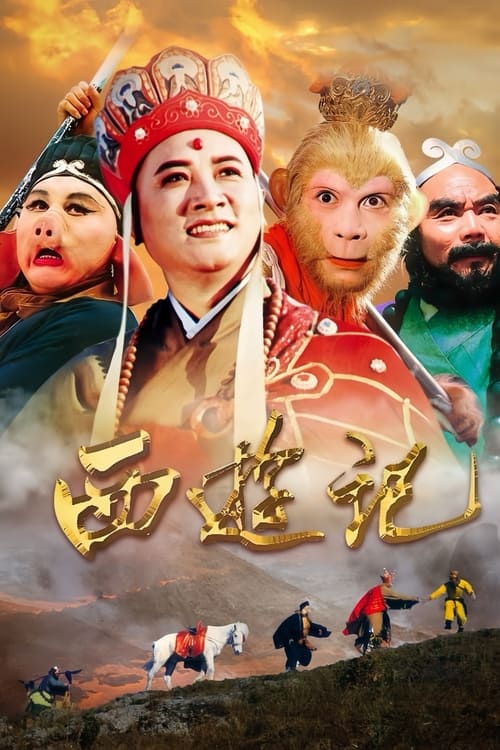
Journey to the West is a Chinese television series adapted from the classical novel of the same title. The series was first broadcast on CCTV in China on 1 October 1986. The series became an instant classic in China and is still being praised as the best and most authentic interpretation of the novel. Unadapted portions of the original story were later covered in the second season, which was released in 1999.
Journey to the West
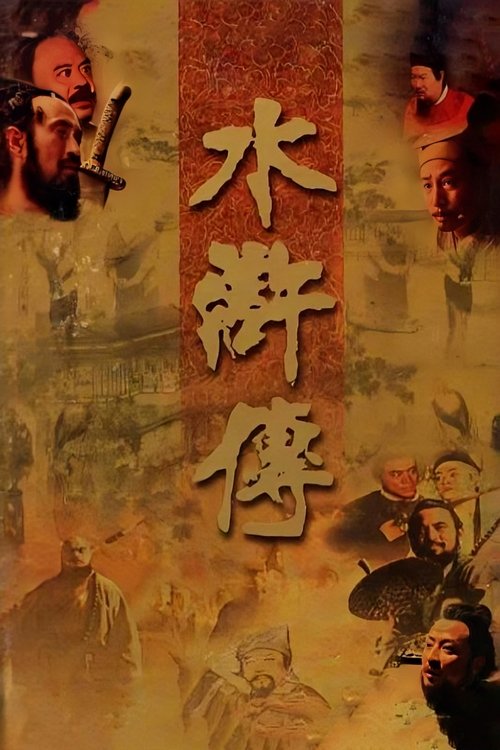
The trials and tribulations of 108 outlaws during the mid Song Dynasty.
The Water Margin
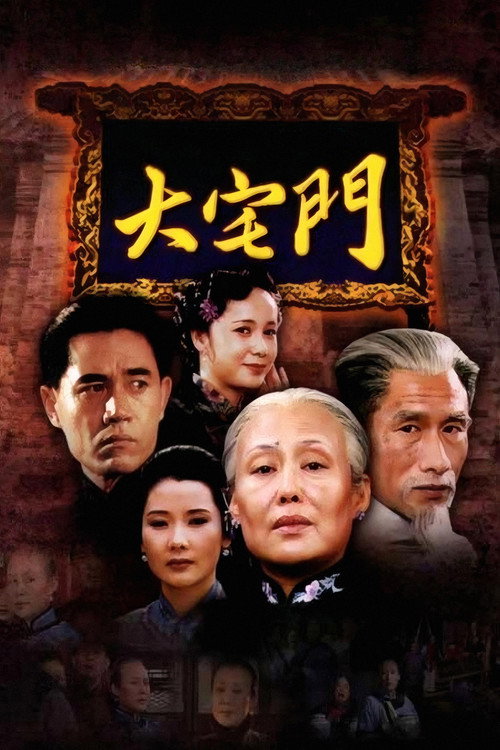
This Chinese period drama series follows the fortunes of a prominent merchant family engaged in Traditional Chinese Medicine during the waning years of the Ching dynasty. The affairs of this family of doctors/pharmacists (which in those days were one and the same) are intimately linked with social upheavals of the time such as the encroachment of Christian missionaries and foreign imperialism as well as conflicts that inevitably emerge in a large upper class family. Comparable in scope and production value to such recent titles as "Downton Abbey", the lives and character of both masters and servants intertwine in plot lines that spans more than a generation.
The Grand Mansion Gate
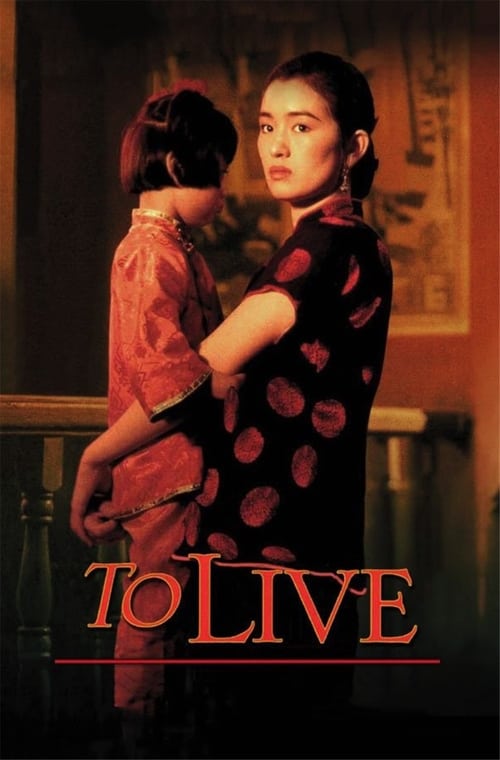
Married couple Fugui and Jiazhen endure tumultuous events in mid-20th century mainland China as their personal fortunes move from wealthy landownership to peasantry.
To Live

The first Mandarin-language sitcom.
I Love My Family
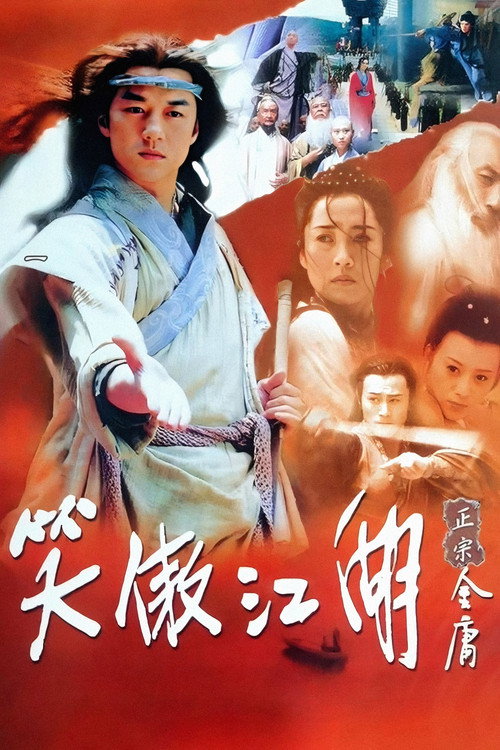
Laughing in the Wind is a 2001 Chinese television series produced by Zhang Jizhong, starring Li Yapeng and Xu Qing in the leading roles. The series is an adaptation of Louis Cha's novel The Smiling, Proud Wanderer. It was first broadcast on CCTV in China in 2001.
Laughing in the Wind
No description available.
县委书记
No description available.
新天仙配
No description available.
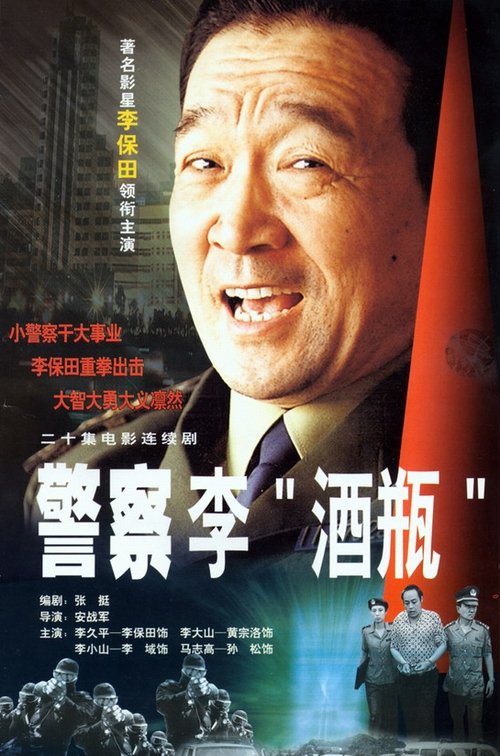
警察李“酒瓶”
No description available.
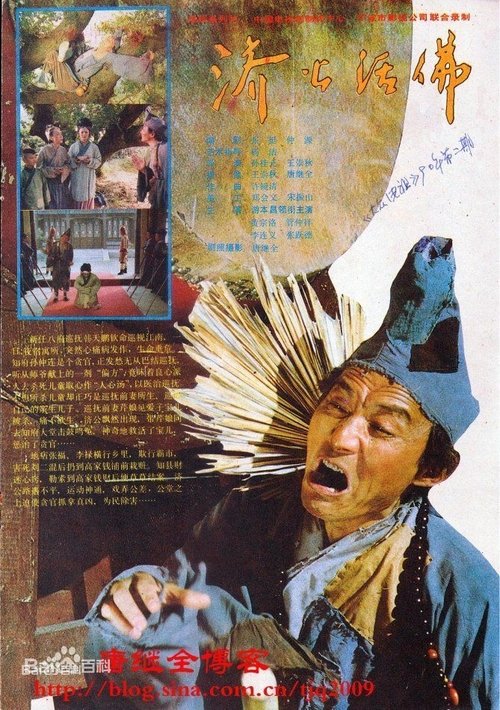
The Legend of Crazy Monk
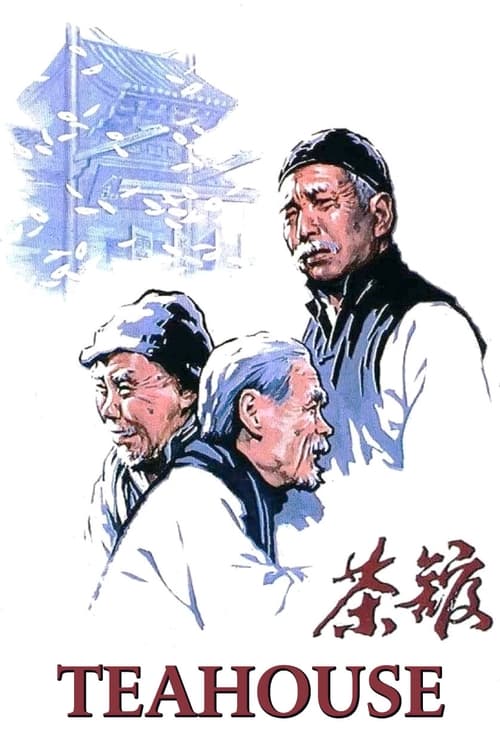
An old teahouse in Beijing serves as the stage for a drama that unfolds over several tumultuous decades of modern Chinese history, from the waning days of the Qing dynasty to the eve of the People's Republic.
Teahouse
No description available.
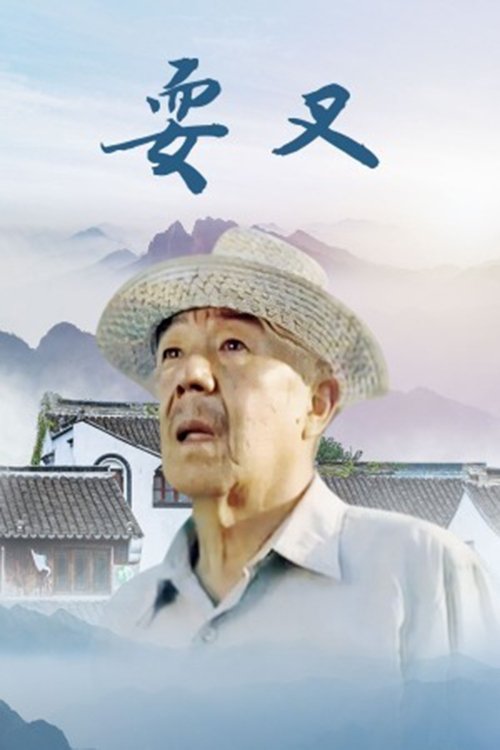
耍叉
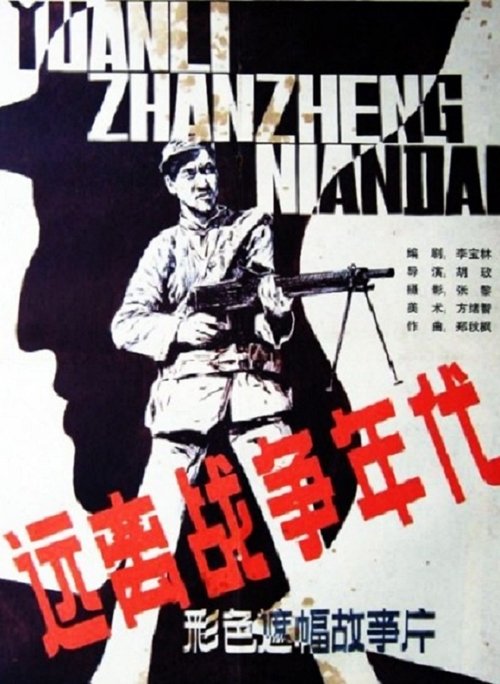
An elderly veteran of WWII living in peaceful retirement with his son and the latter's family becomes increasingly lost in wartime memories and reminiscences, much to his son's consternation. One day, an item the old man reads in a magazine prompts him to go off unannounced on a war-related quest. The son goes searching for his father, and in doing so reaches a greater understanding of both the old man and the generation he represents.
Far from War
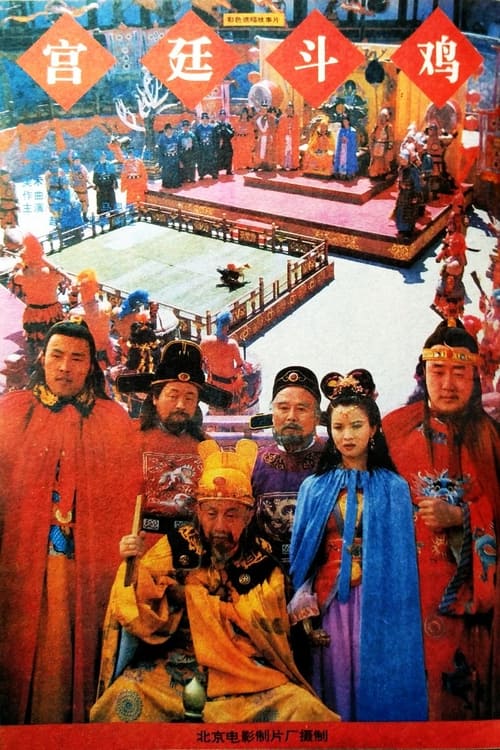
No description available.
Rooster-Fighting In The Royal Court
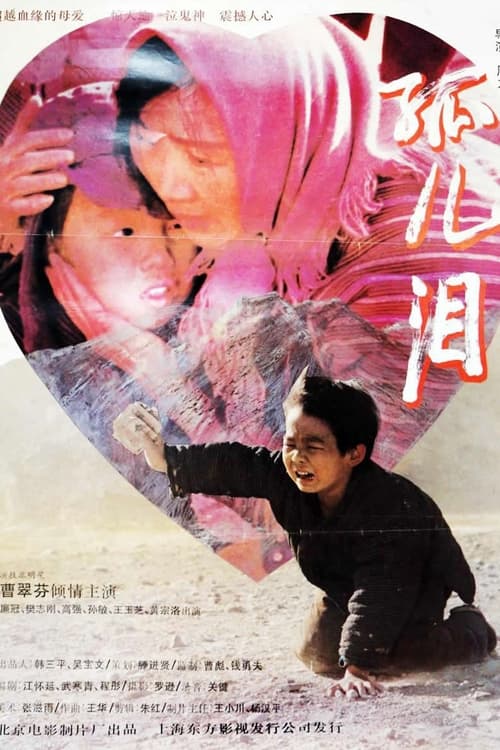
No description available.
Orphan Tears
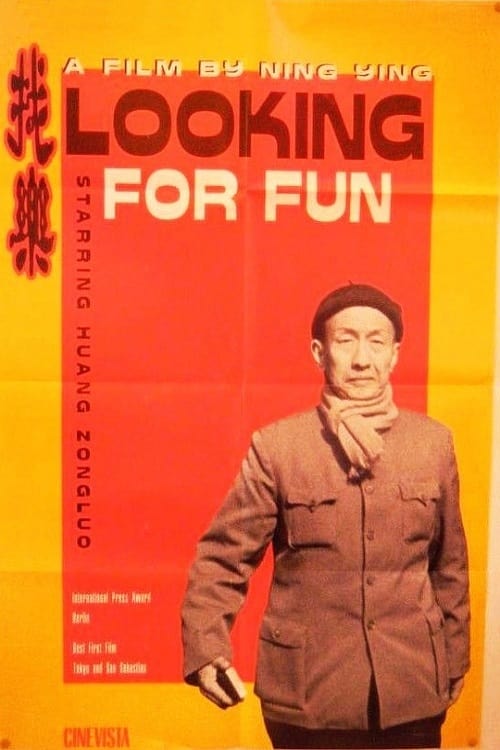
Required to retire from his job as a utility man at a Peking Opera theater, Old Han is at loose ends, wandering the backstreets of Beijing looking for something to correct.
For Fun
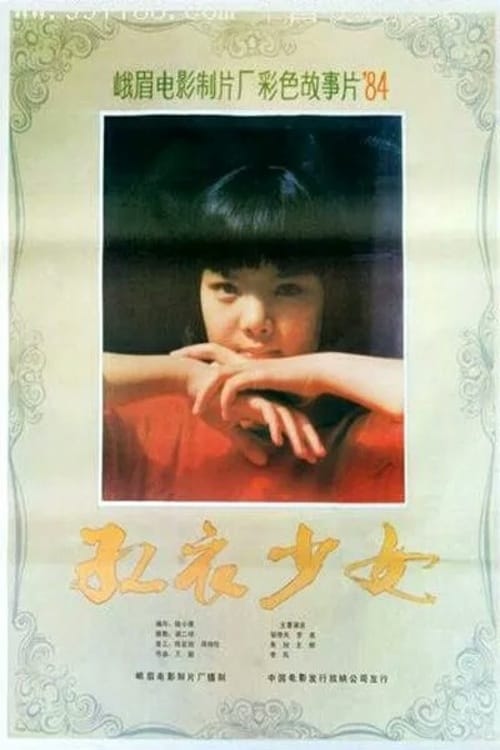
Sixteen-year-old An-ran gets into repeated trouble because she refuses blind obedience to authority, openly challenging and correcting a teacher who makes a mistake in class. She is different.
The Girl in Red

No description available.
咸亨酒店
No description available.
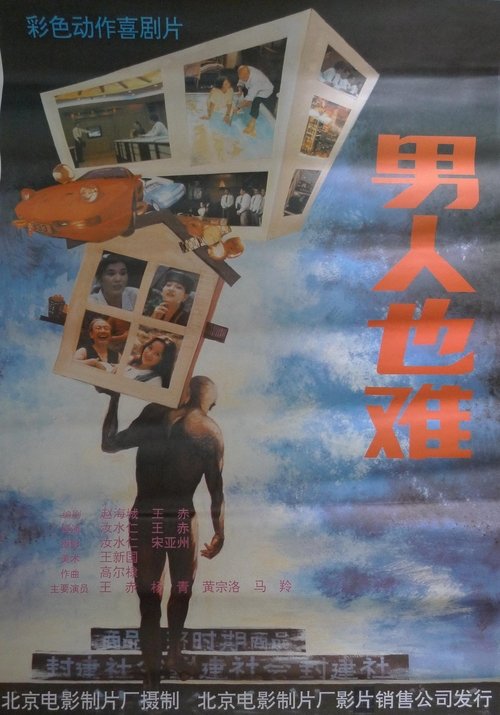
男人也难
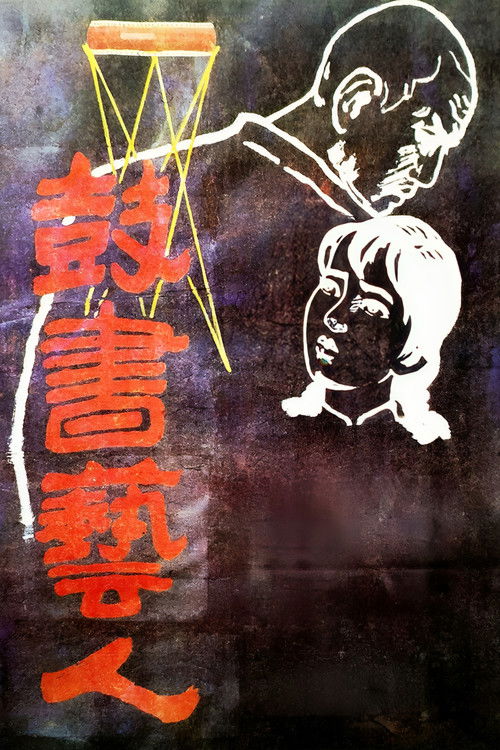
Based on Lao She’s novel, a story about a street player set in the wartime Chongqing.