Eugene Marner
Directing
Biography
Eugene Marner was an American stage director, filmmaker and cameraman for 35 years as well as a producer, director, and writer of television documentaries. In the mid-1980s, he directed two feature films, "Beauty and the Beast", starring John Savage and Rebecca DeMornay, and "Puss in Boots", starring Christopher Walken.
Known For
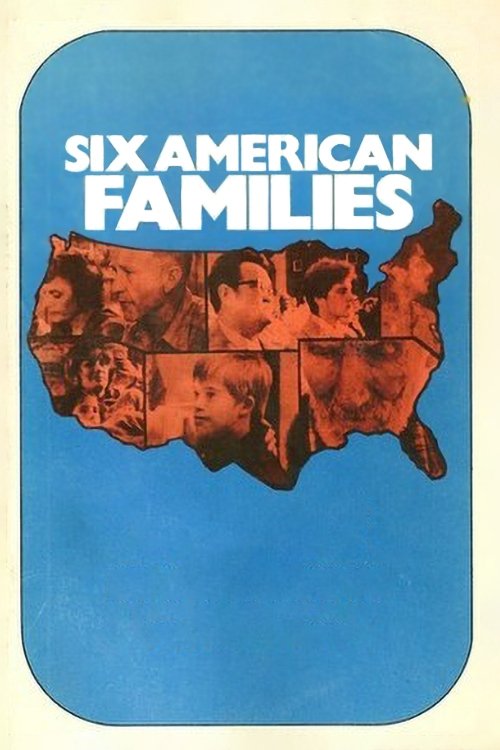
Six documentaries that portray American family life.
Six American Families

Following the death of their miller father, his eldest son inherits the mill, the middle one a donkey, and the youngest a cat. While initially disappointed, the lad soon learns not only that the cat can talk but is quite resourceful.
Puss in Boots
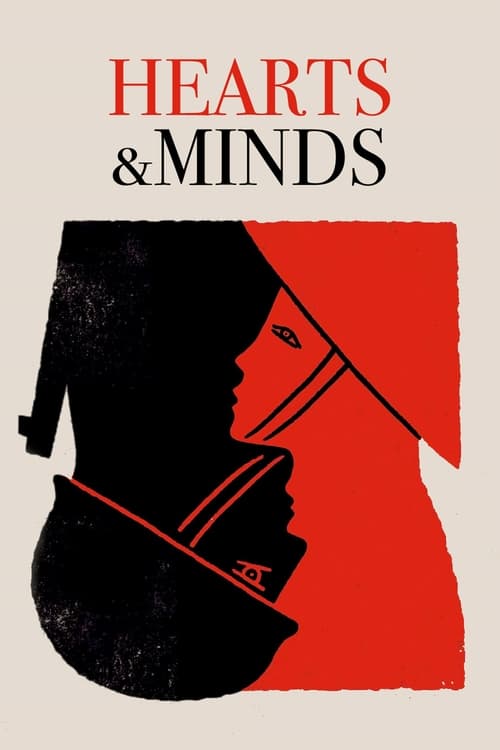
Many times during his presidency, Lyndon B. Johnson said that ultimate victory in the Vietnam War depended upon the U.S. military winning the "hearts and minds" of the Vietnamese people. Filmmaker Peter Davis uses Johnson's phrase in an ironic context in this anti-war documentary, filmed and released while the Vietnam War was still under way, juxtaposing interviews with military figures like U.S. Army Chief of Staff William C. Westmoreland with shocking scenes of violence and brutality.
Hearts and Minds
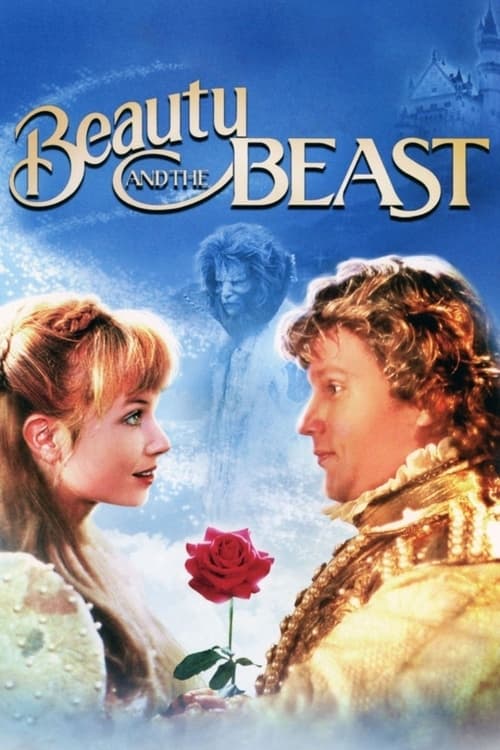
To save her father, a girl who always puts others before herself promises to live her life in a lavish castle with a strange beast.
Beauty and the Beast
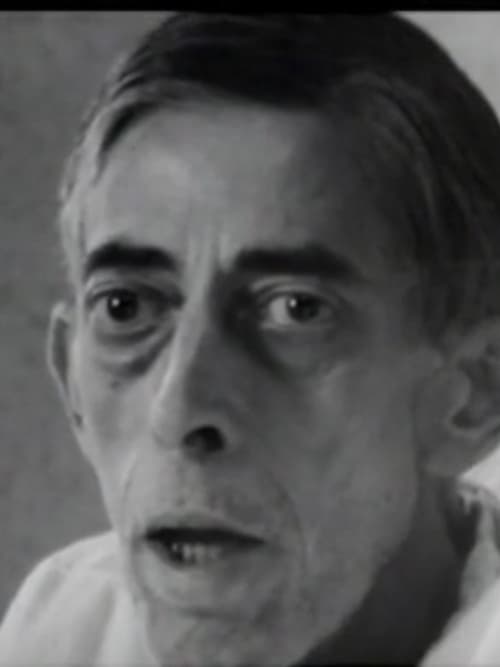
This cinema-verite-style documentary interweaves the pregnancy and childbirth of a young woman with the lingering death of a cancer patient to comment on the celebration and tragedy of existence. The tenderness and intimacy of the young couple, and the mystery of birth are contrasted with the dignity of a man who faces his death without deception.
Birth and Death
"Two young Negro girls from a poor neighborhood are filmed in the course of living and of explaining themselves. Simple, fascinating, moving. Unfortunately, according to the point of view of Oberhausen, this sort of thing is considered to be not "filmic"; it is however precisely the type of human exploration that only the cinema can do." –Cahiers du Cinema, April 1965