Tiago Tambelli
Production
Known For
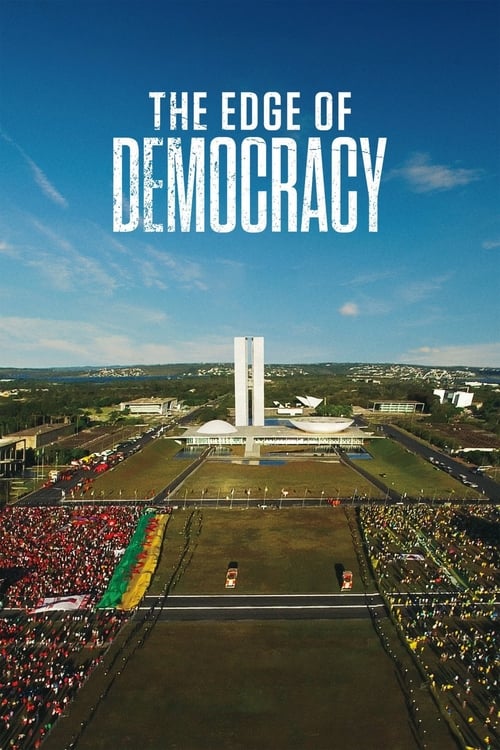
A cautionary tale for these times of democracy in crisis—the personal and political fuse to explore one of the most dramatic periods in Brazilian history. With unprecedented access to Presidents Dilma Rousseff and Lula da Silva, we witness their rise and fall and the tragically polarized nation that remains.
The Edge of Democracy

While out with his friends for fun one night in São Paulo, Leandro is confronted with glimpses of his own violence. The film is loosely inspired by the homophobic attack that occurred in the Paulista Avenue area, in which teenagers used fluorescent lamps as a weapon.
Laio
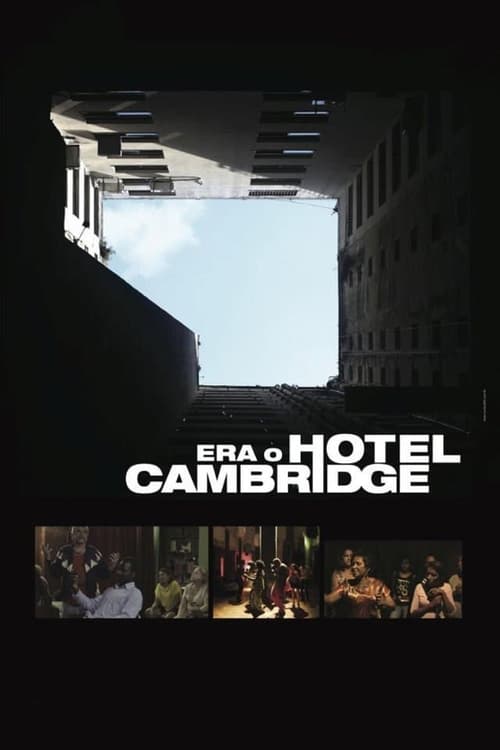
The Cambridge Squatter tells the story of refugees, recently arrived in Brazil who, together with a group of low-income workers, occupy an old abandoned building in downtown São Paulo. Daily dramas, comical situations and different views on the world commingle with the threat of impending eviction.
The Cambridge Squatter
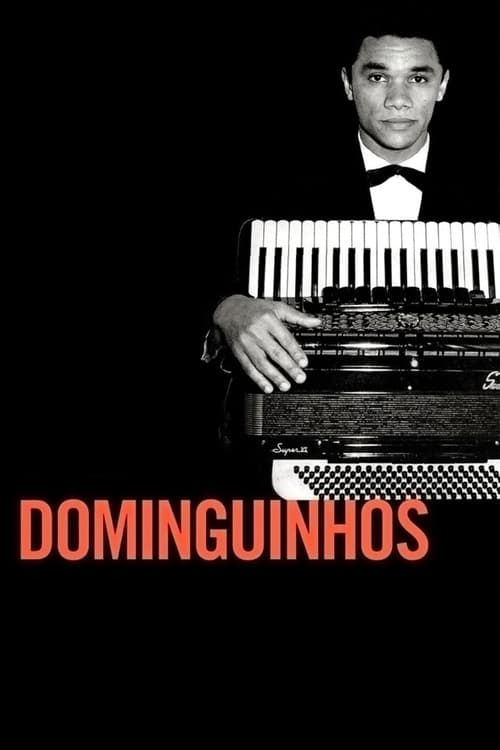
Through rare and precious footages and gigs with great artists such as Gilberto Gil, Gal Costa, Hermeto Pascoal, Djavan, Nara Leao, Luiz Gonzaga, among many others, "Dominguinhos" reveals this genius of Brazilian music, creator of a deeply authentic, universal and contemporary work. The film values the sensory cinematic experience, a journey driven by Dominguinhos his own.
Dominguinhos
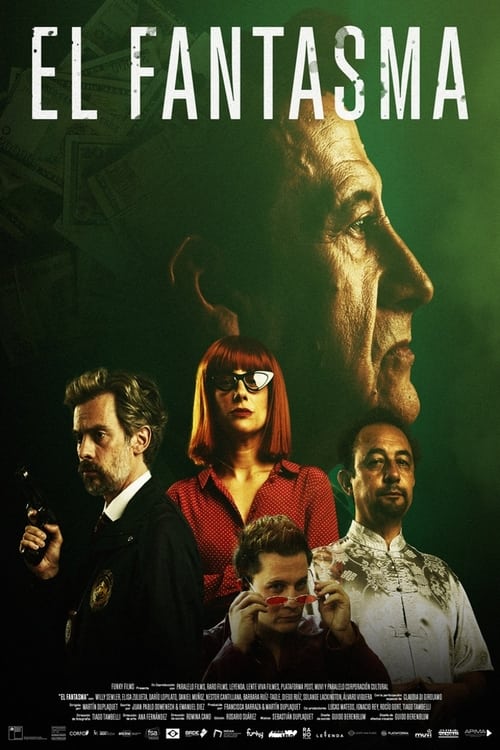
The most successful and famous bank robber in Chilean history. Now, convinced that he has been the victim of other people's mistakes, he decides to return to crime to take revenge for his fate.
No One

Cousins Lenin and Jonás never had contact in 15 years. Lenin made a fortune as drug dealer. Jonás was formed as a religious pastor, but in the shadow of his father. Both join forces to form a new religious sect: the Transprofética Church.
Dios me libre
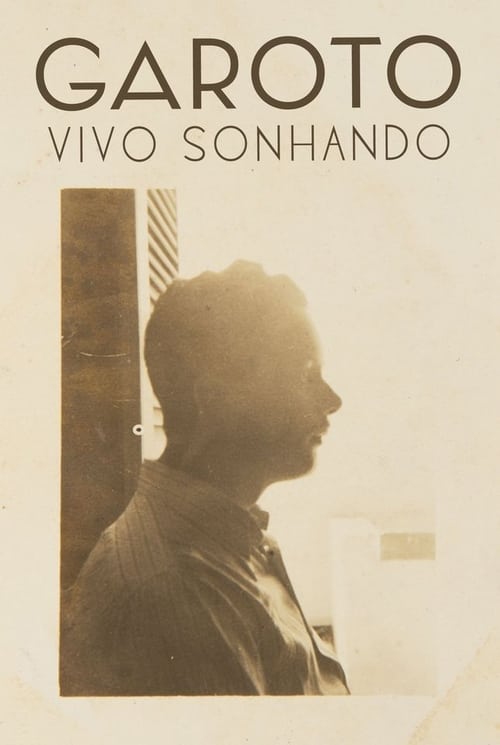
A prodigy of stringed instruments, a pioneer of Bossa Nova, a modernizing master of the guitar: Aníbal Augusto Sardinha, better known as Garoto (1915-1955), is one of the hidden pillars of Brazilian music. Woven by rare archival material, personal diaries and testimonies, this documentary reveals his influence and the artistic conflicts of an avant-garde artist in the golden age of Brazilian radio.
Garoto - Vivo Sonhando

Through testimonies from partners, workers, collaborators, artists, and people who followed the productions of Lira Paulistana, the film tells the story of this cultural phenomenon, a catalyst for the new musical trends of the time, which took place in São Paulo between 1979 and 1986. In addition to showcasing the undeniable importance of Lira Paulistana as a stage for avant-garde music in São Paulo, highlights its significant role in other areas, such as record production, journalism, editorial work, and the visual arts.
Lira Paulistana e a Vanguarda Paulista
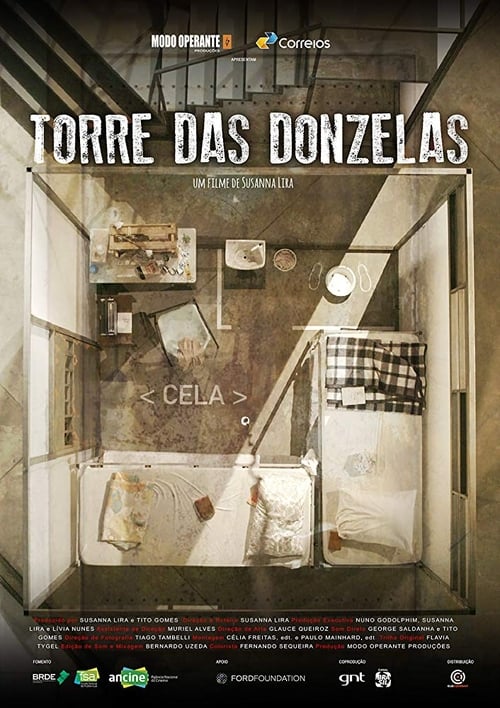
Documents former Brazilian President Dilma Rousseff's visit to the the women's alley of Tiradentes Jail in the city of São Paulo, also known as "Torre das Donzelas" ("Damsels' Tower"). Alongside other women, Dilma was kept as prisoner in there during the 1970s, when Brazil was under a reign of terror during its military dictatorship years. They all meet again 45 years later to break the silence and the fear of speaking out the horrors they lived under a ruthless dictatorship.
Torre das Donzelas
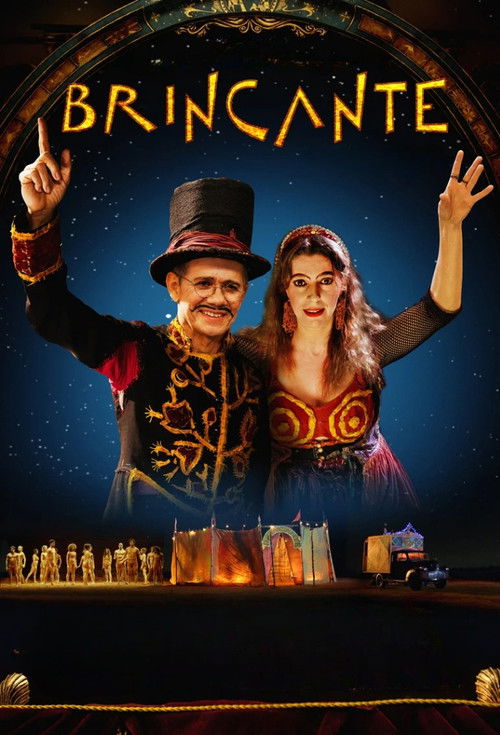
A lyrical look at Antonio Nóbrega’s universe. A lifetime’s work that is characterized by the consistent reading of popular culture. A show in which all elements of our culture are mixed together. A musical and visual journey, guided by the characters Joáo Sidurino and Rosalina from the plays Brincante and Segundas Histórias.
Brincante

In the richest state and one of the most conservative in Brazil, the modus operandi of public education suffers a setback when high school students react to the official decree that determines the closing of 94 schools and the relocation of students. The student response is surprising.
Escolas em Luta
No description available.
Niède
"20 Centavos" is a feature-length documentary that portrays the social and political unrest triggered by the fight against the raise in the rates of public transport in Sao Paulo and follows all the developments, on a national scale, of these early protests. Its main characters are the streets, the public spaces taken by the voice of the protesters. Its speech is constructed by billboard after billboard, from claim to claim. The result is a portrait, with more than realistic textures, of zeitgeist, a spirit of an era unknown in Brazil, marking the emergence of a new form of political activism that comes from a deep crisis with the idea of representative democracy.