Directing
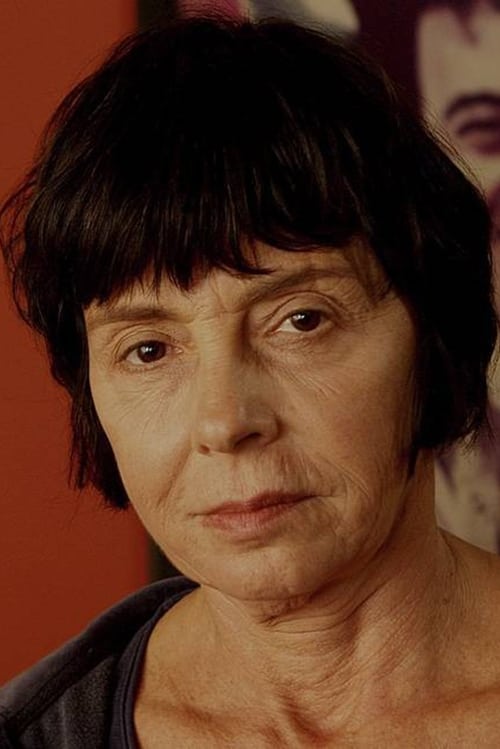
Paloma Rocha (Salvador, June 12, 1960) is a Brazilian actress and director.
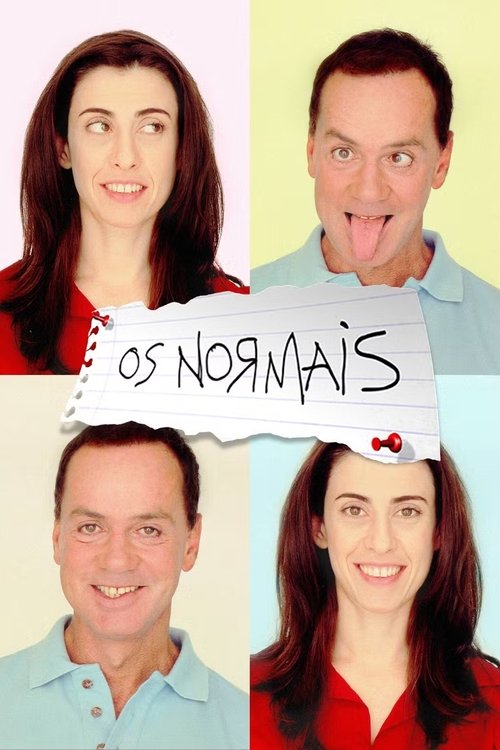
A "normal" couple are living a "normal" life together, but they have many complaints about themselves and each other.
No description available.
Collective film with five segments around the works and life of brazilian writer Oswald de Andrade.
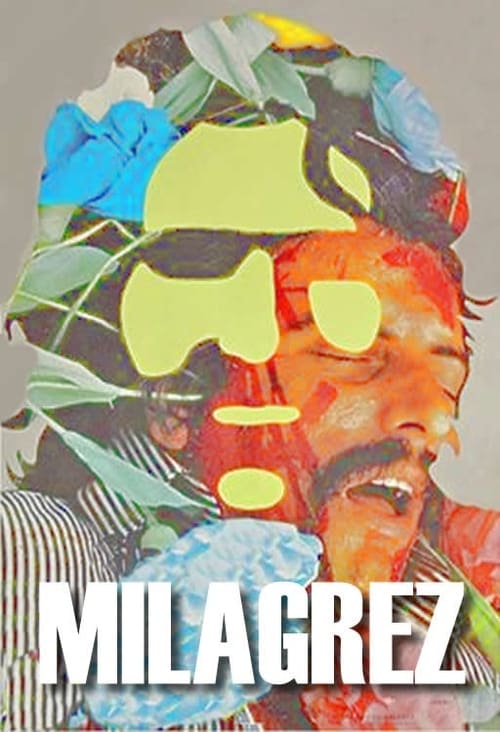
Drawing inspiration from a poem penned by Castro Alves, this film vividly captures the political, cultural, and intellectual climate of Brazil during the late 1970s. At its core, the story revolves around four distinctive embodiments of Christ's image: a black man, a soldier, an Indian, and a guerrilla fighter. These courageous individuals, hailed as the harbingers of doom in the tupiniquim lands, valiantly combat the insatiable avarice and oppressive "civilizing" brutality propagated by the formidable John Brahms—a foreign exploiter devoid of morals.
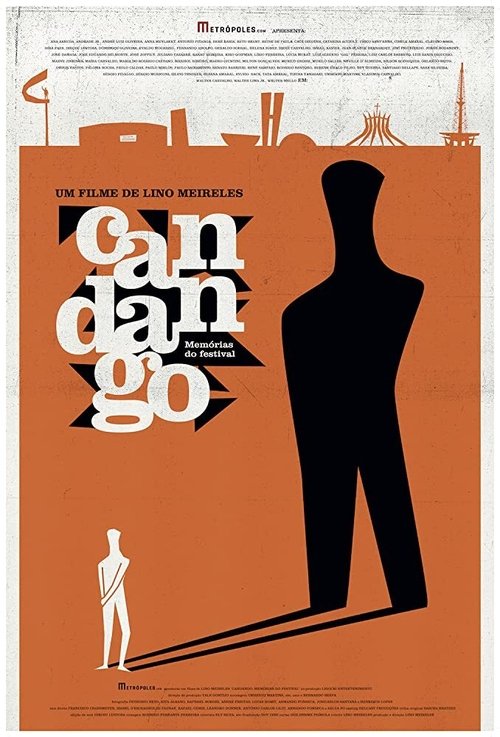
In 1965, a year after the military coup in Brazil, an oasis of freedom opened in the country's capital. The Brasília Film Festival: a landmark of cultural and political resistance. Its story is that of Brazilian cinema itself.
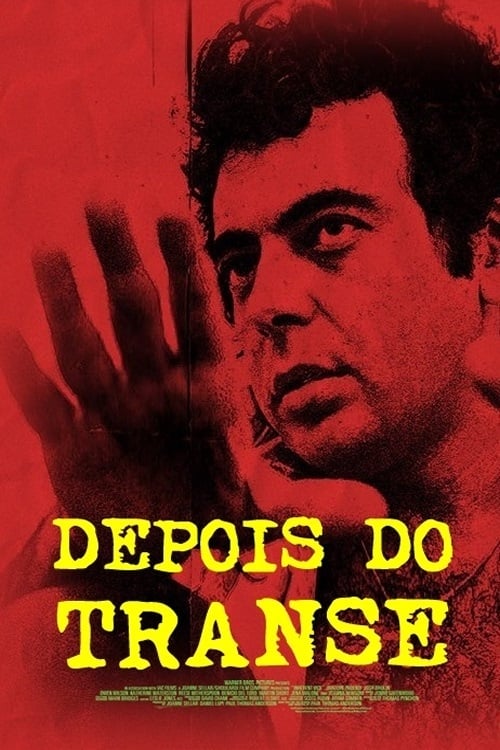
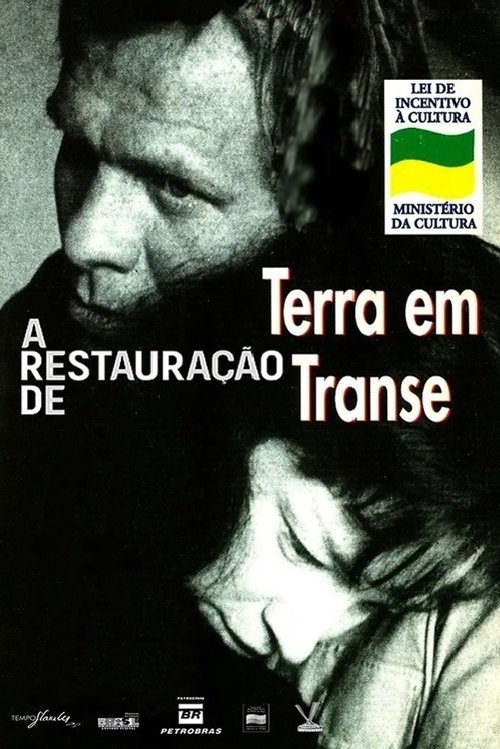
The documentary "Depois do Transe" covers the entire process of creating the masterpiece "Entranced Earth", which was released and awarded at the Cannes Film Festival in 1967. "Entranced Earth" charmed the world and won great admirers such as filmmaker Martin Scorsese and the writer Marguerite Duras, who at the time considered a "fabulous filmic opera."
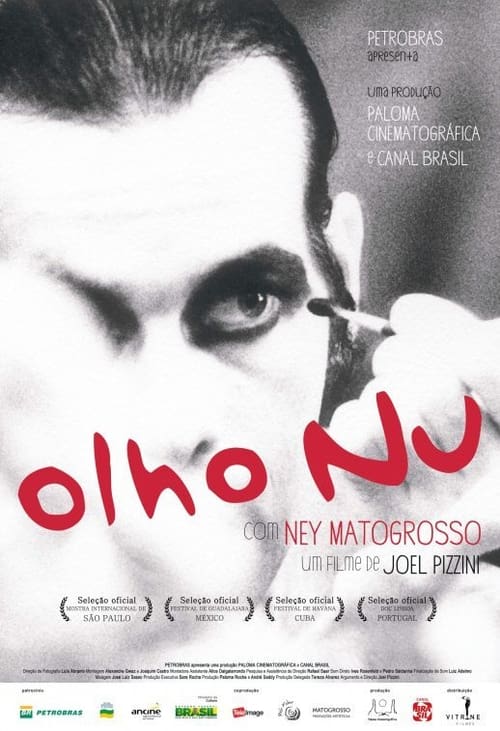
“Naked Eye” is a film-documentary of long-length of the artistic and existential universe of the singer Ney Matogrosso, which proposes to recreate through archive’s images in counterpoint with the current production of the artist, thirty-five years of career marked for inventive and transgressing spectacles, always symphonize with its time. Through a coherent boarding with its intransigent trajectory, the film intends to translate the language musical-corporal of Ney Matogrosso, trying audiovisuals resources that express signs evoked poetical politicians and in the repertoire of the singer. A film-song that that looks for to, ultimately, embody the voices of an artist who searches for a nation.
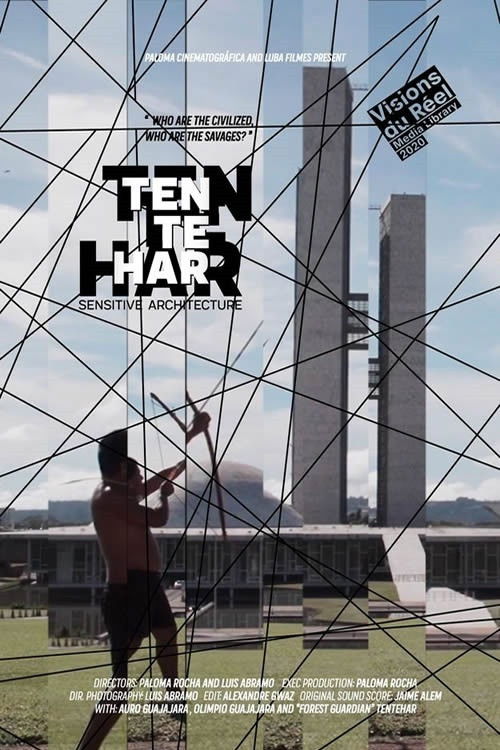
We came across traditional rituals of a mixed race of indigenous, black and white people, with their mystic practices, their shamans and healers that express a reality and a way of life that doesn’t belong to any kind of paradigm. This problem is extremely relevant in the current political situation of Brazil in face of the repeated environmental and social catastrophes that are being inflicted upon us.These people have a way of acting which favours a sustainable development, their knowledge should be respected.The world is divided in two categories, independent of any ideology:the rich world and the poor world.We related the religious rituals, the artistic and the mystic trances in a Brazil where poverty and hunger are invisible to a large part of the society. A country of people that has invisible myths and such a rich diversity is being transformed into a unison and melancholic chant. The Guardians Forest whose leader was murdered last Dec, tells us what motivates their fight.
Documentary on "Antonio das Mortes", Glauber Rocha's 1969 film.
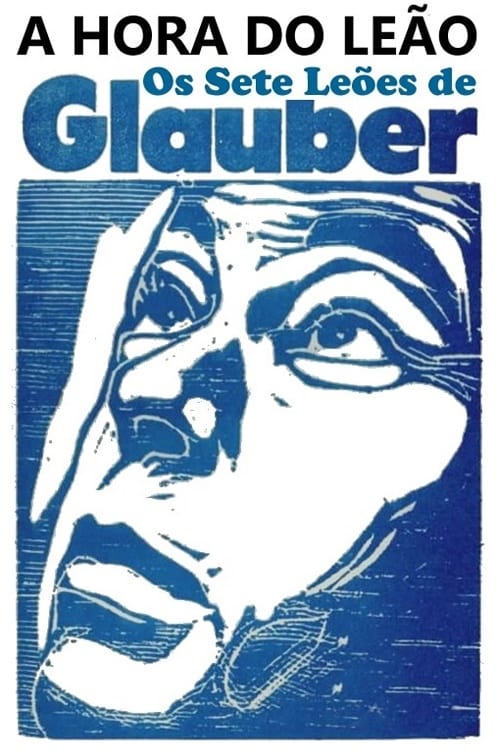
Documentary about Der Leone Have Sept Cabeças
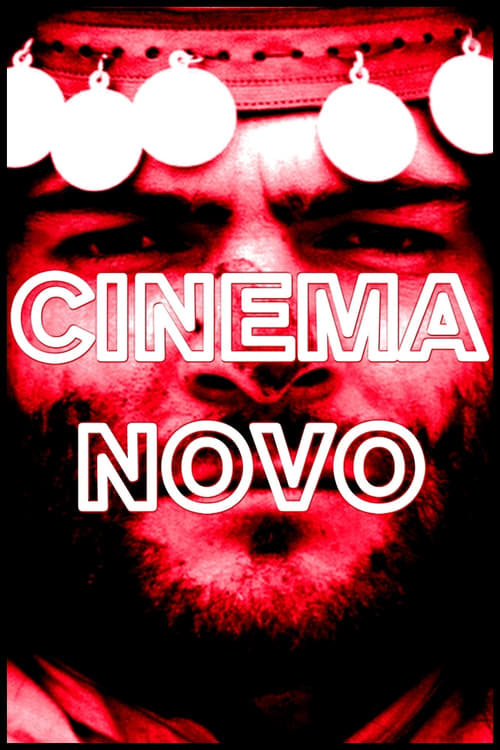
A deep investigation, in the way of a poetic essay, on one of the main Latin American movements in cinema, analyzed via the thoughts of its main authors, who invented, in the early 1960s, a new way of making movies in Brazil, with a political attitude, always near to people's problems, that combined art and revolution.
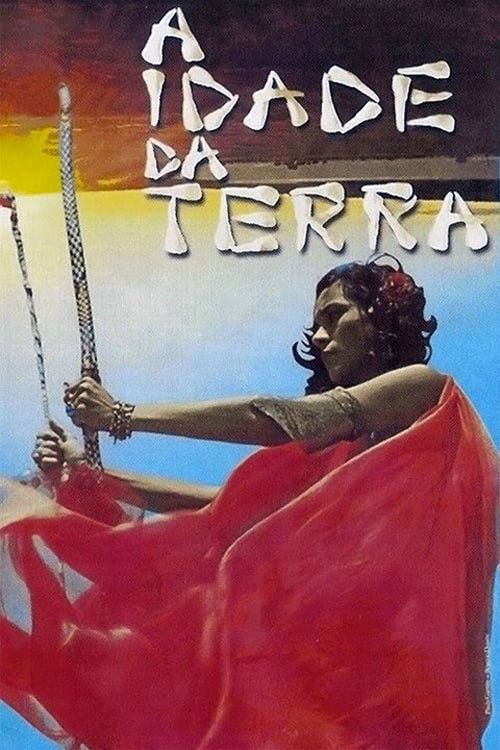
A behind-the-scenes look at the making of Glauber Rocha's 1980 production "A Idade da Terra" (The Age of Earth), including unedited clips taken from the sixty hours of recovered raw footage.
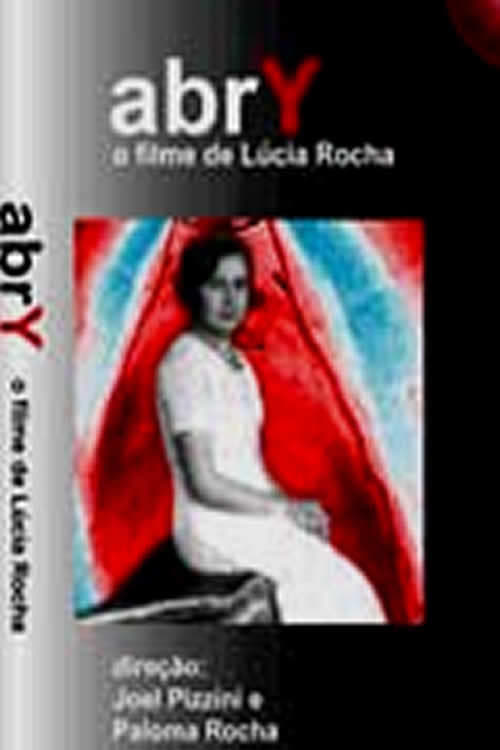
At 84 years of age, Lúcia Rocha admitted herself to a hospital in São Paulo to undergo heart tests. Upon receiving the news about the risk to her life, Lúcia, laconic, tells the doctor: 'Then open it'. This is the second time she has undergone bypass surgery. From this gesture, the documentary Abry was born (with y, sign of the unconscious, according to the nomenclature invented by his son, Glauber Rocha). To relate her memories, she invites filmmaker Joel Pizzini, who offers his mini camera as an instrument to amplify Lúcia's imagination. Abry is a poetic dive into Lúcia Rocha's fabulous universe, reconstructing her trajectory in Brazilian cinema through sounds, images and characters with whom she lived closely.
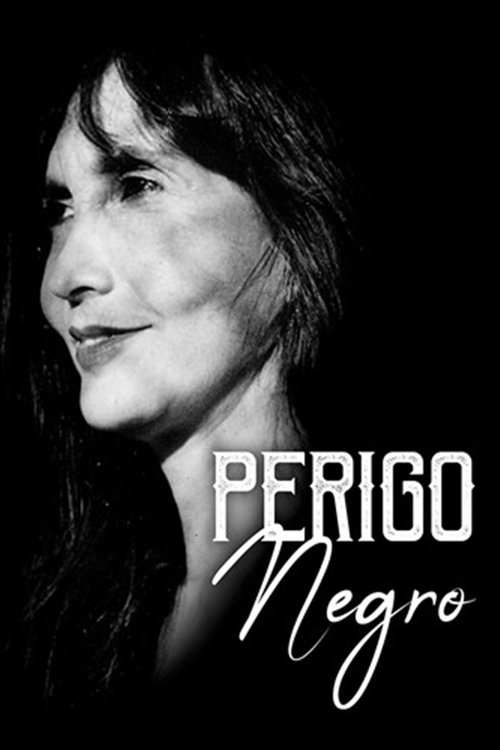
Loosely based on an Oswald de Andrade screenplay, "Perigo Negro" is a segment of anthology film "Oswaldianas" which deals with a uprising soccer player who has his career spoiled by a unscrupulous gambler