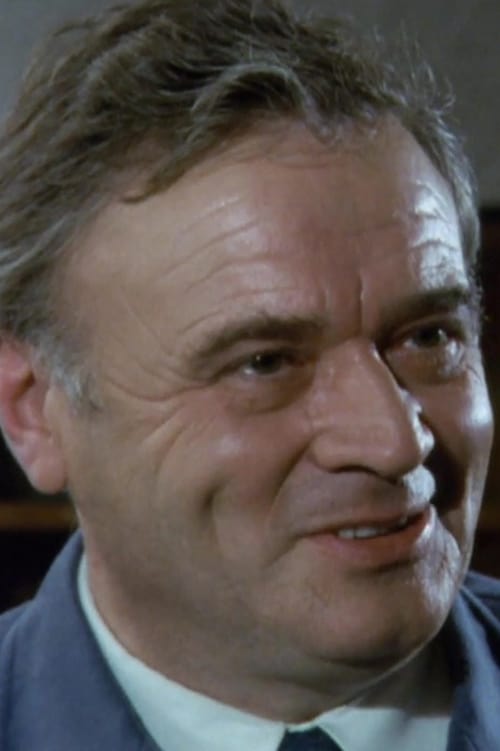
Dietrich Körner
Acting
Known For
Polizeiruf 110 is a long-running German language detective television series. The first episode was broadcast 27 June 1971 in the German Democratic Republic, and after the dissolution of Fernsehen der DDR the series was picked up by ARD. It was originally created as a counterpart to the West German series Tatort, and quickly became a public favorite.
Polizeiruf 110
Der Staatsanwalt hat das Wort was an East German television series.
Der Staatsanwalt hat das Wort
No description available.
Der letzte Zeuge

18-year old Georg and 13-year old Barbara have been playing together as children. Play becomes love later, which leads to a catastrophe , as their parents are hostile leading to file a report to the court, as Barbara is still under age.
Forbidden Love

Love, intrigue, favouritism and corruption at the Dresdner Hof.
Sachsens Glanz und Preußens Gloria
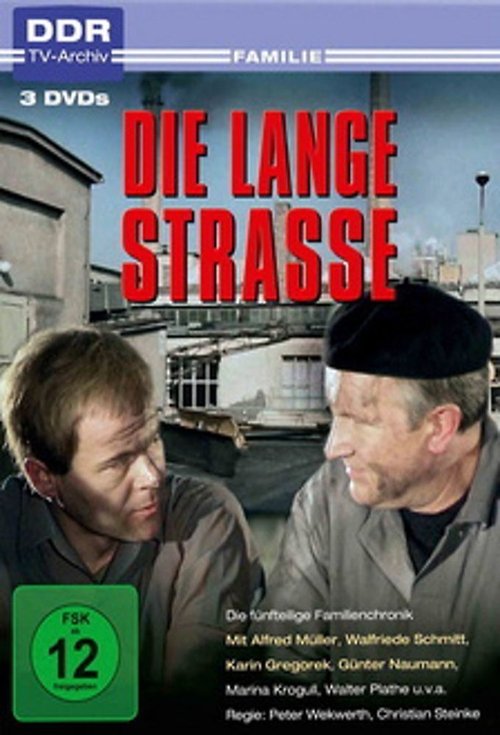
1949. Grafenberg in Brandenburg shortly before the foundation of the GDR. Here lives Michel Hollmann and works in roadmaking. His purpose in life are his wife Lotte and the two children Gerda and Heinz, for whom he is reconstructing a summerhouse into a “nest”. In Grafenberg, his siblings are living as well: His brother Karl, the mayor, and sister-in-law Edith, who works in a textile factory, with their son Jürgen. Edeltraut, his sister, has married the lamp fabricant Berthold Bennert and leads a well-off life. They as well have a son: Harald. Part of the family are further sister Hanna and brother-in-law Hermann, who is a fisherman on one of the local lakes and conducts a tenacious private war against old Stegewald and his presumptive prince-electoral rights. They are living their lives with their large and small conflicts, with different intentions, and yet remain connected always.
Die Lange Strasse
No description available.
Sankt Urban
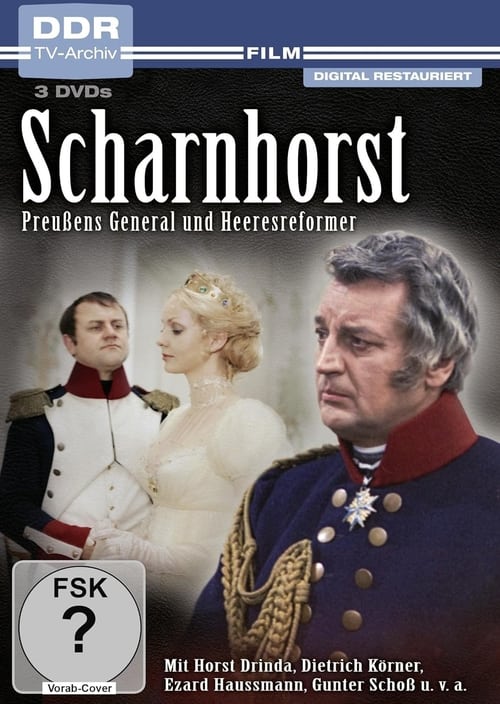
Gerhard von Scharnhorst, who came from a family of small farmers in Lower Saxony, embarked on a military career and became an important Prussian general. Together with Baron vom Stein, he reformed the Prussian army. After initial resistance, this also met with the approval of King Frederick William III. The story focuses on the last and most important phase of Scharnhorst's life: 1806 to 1813, with all the ups and downs that this great German experienced. For the first time, the life of the Prussian reformer is traced, the period up to the popular uprising of 1813 and the Russian-German allyship in arms against Napoleon's occupying army are brought to mind.
Scharnhorst
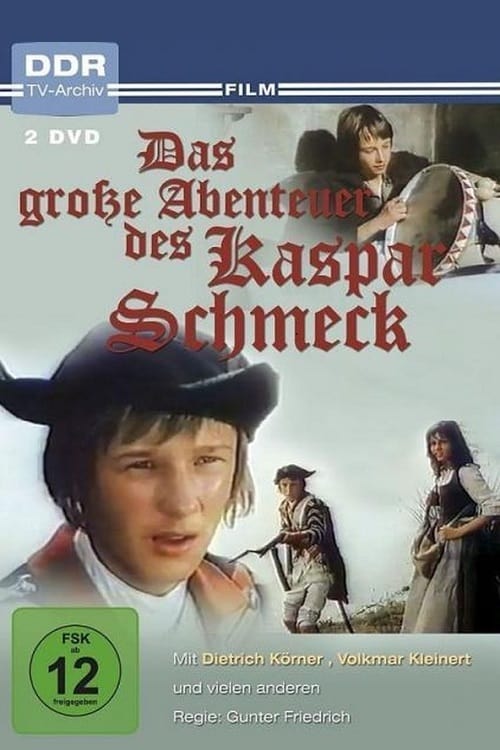
Das große Abenteuer des Kaspar Schmeck is a German television series.
Das große Abenteuer des Kaspar Schmeck
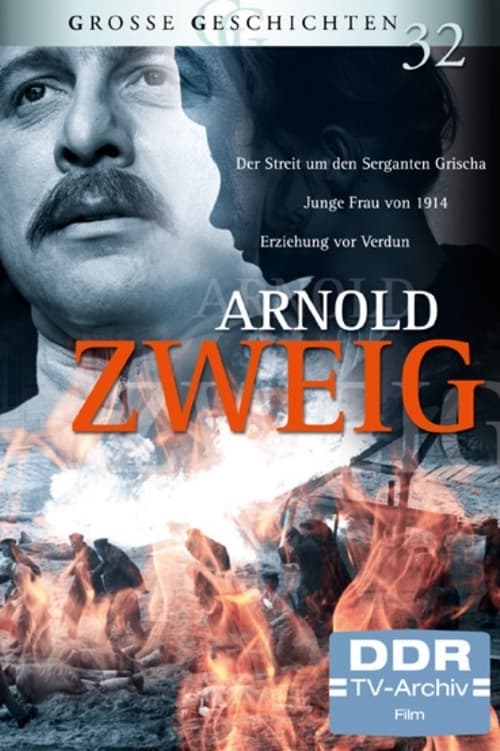
Russian soldier Grisha escapes from a German prisoner-of-war camp in the spring of 1917. He is caught and is to be shot as a spy. This decision is controversial. The dispute continues. Grisha is executed on the orders of the army high command.
Der Streit um den Sergeanten Grischa

In November of 1939, the British consulate in Norway receives documents saying that the Nazis are conducting secret rocket research in Peenemünde. But the British doubt the authenticity of the so called "Oslo report". Thus, the Germans continue their experiments unimpeded. At the same time, resistance groups from France, England, Poland, and Germany try to find and to sabotage the secret Nazi research base. When the first "V 2" rocket is successfully launched, the Allied commanders finally become interested in the "Oslo report".
Frozen Flashes

Radical West German terrorist Rita Vogt abandons the revolution and settles in East Germany with a new identity provided by the secret service. She lives in constant fear of having her cover blown.
The Legend of Rita
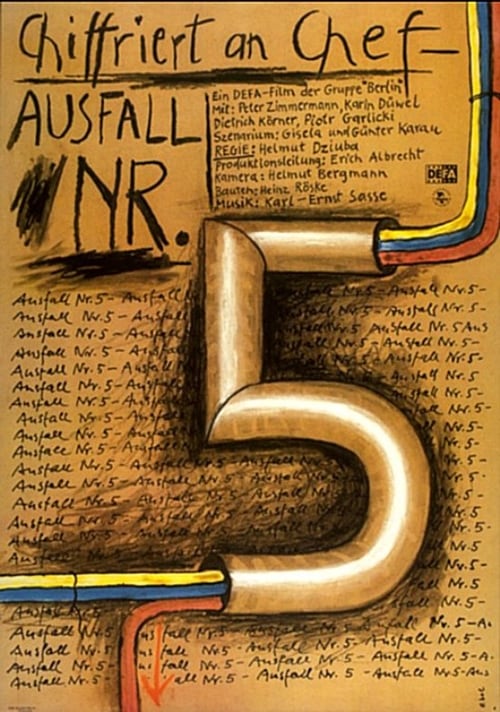
Wolf Brandin is in his mid-twenties and lives with his wife and child in East Berlin at the end of the 1950s. In West Berlin, the student of electrical engineering is recruited by the American secret service CIA. But Brandin immediately notifies the State Security of the German Democratic Republic and from then on lives a dangerous life as a double agent. When Brandin reaches the breaking point, his marriage starts to unravel because Brandin is not allowed to tell his family about his double life.
Coded Message for the Boss
Kerstin, daughter of a Stasi officer, escaped East Berlin life but is pulled back when her father secretly manipulates her career. After the Wall falls, she and former West programmer Reginald use forged documents and hidden cash to build new identities and jobs, but old loyalties, secret pasts, and resurging temptations threaten their fresh start.
Goldstaub
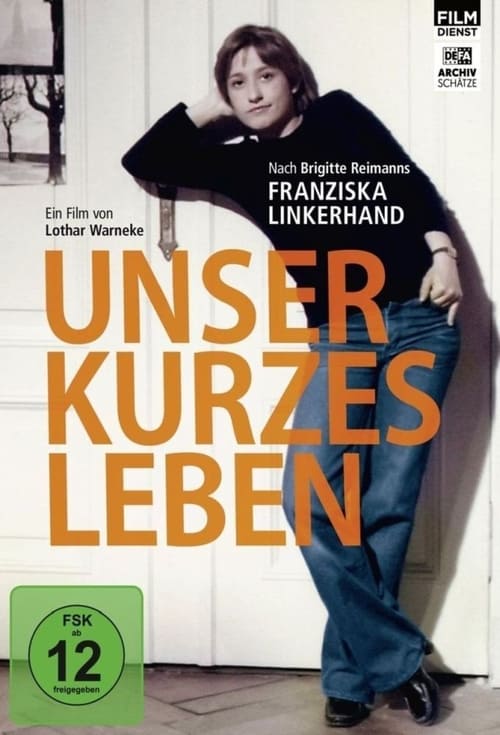
The fun-loving, 26-year-old architect Franziska Linkerhand (Simone Frost) works for a famous professor. Yet, she feels restrained by her dependence on him and longs to take risks. When her marriage falls apart, she moves to a small town for a fresh start. Franziska approaches her new life with vigor and idealism. Many of her colleagues have given in to the dictates of economic restrictions and prefabricated apartment blocks; but Franziska hangs onto her ideals and, as in her private life, is not willing to compromise…
Our Short Life
Last years in the Life of german Dramatican Georg Büchner. Around the year 1830 he and his fellow students try to initiate a revolution in Germany, but they are not successful. Büchner has to leave the country and seeks exile in France and Switzerland, where he falls ill with typhus.
Addio, piccola mia
The young forester Rudolf is released from a mental hospital after suffering from a mental illness. His widowed mother accompanies the taciturn son to a vicarage where he is supposed to recover. There he meets the pastor's daughter Anna, with whom he immediately falls in love, and the two decide to get married. His mother is critical of the marriage and demands that her son conceal his stay in the "lunatic asylum" from his wife. This secret overshadows the young couple's relationship from the very beginning, and the burden of silence finally makes Rudolf want to take his own life. Only at the last minute is Anna able to save him from this stupidity.
Es steht der Wald so schweigend

In the nineteenth century, seventeen year old Effi Briest is married to the older Baron von Instetten and moves into a house that she believes has a ghost.
Effi Briest
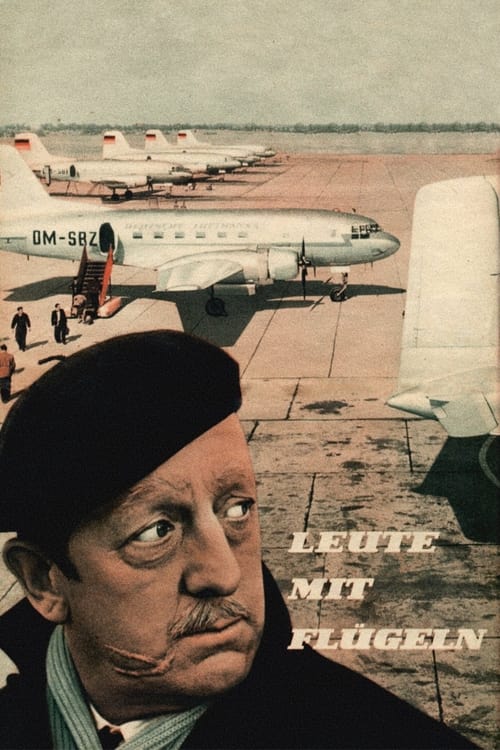
This film continues the story of radio operator Ludwig Bartuschek from “The Sailor’s Song”. Near the end of the Weimar Republic, Bartuschek (Erwin Geschonneck) is working as a mechanic in the Sperber airplane plant. Director Dehringer offers him the opportunity to train as an airplane constructor if he is willing to give up his communist beliefs under oath. Bartuschek will not allow himself to be bought and instead joins the underground resistance movement.
People with Wings

1831. A village schoolteacher Matthias Spitzbart dreams of the ideal school and writes a textbook on the perfect educational institution. When he becomes principal of a grammar school by chance, he puts his ideas into practice. His almost missionary-like zeal blossoms in wondrous ways, but his family idyll is deceptive. Entangled in his activities, Spitzbart fails to see his wife's affair with pro-rector Mehlmann, daughter Friederike flirts with the trainee teacher, and son Michael's misdeeds are enough to make a mockery of his efforts at exemplary behavior. Teachers, parents and the mayor are of the opinion that he has upset everything that worked before: he is dismissed...