Amar Mullick
Acting
Known For
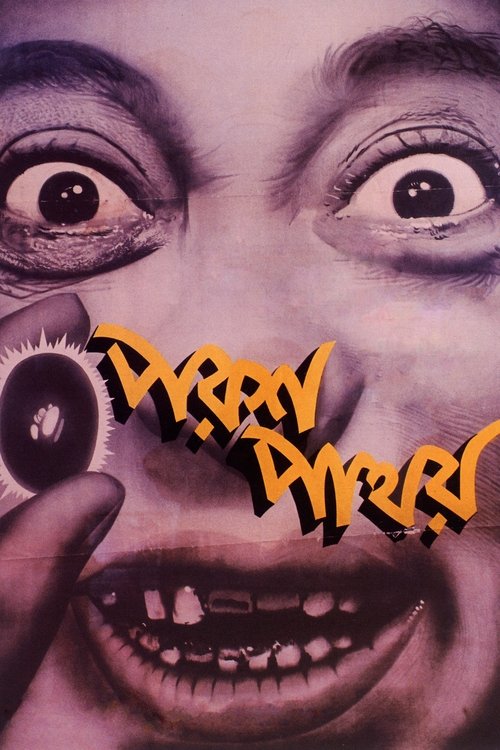
A middle-aged bank clerk happens on a stone with alchemical properties, allowing him to turn steel into gold.
The Philosopher's Stone

Lalu and Chinta are neighbours and extremely good friends. One morning both of die and reach hell. However Yandyut exclaims that there was a mistake and that they were not the individuals he intended to kill. He orders Lalu and Chinta to be sent back to the earth but the latter claim for a tour of hell as compensation. Soon the friends find themselves back on earth but soon realize that their souls have been exchanges in error. This leads to a series of confusion of themselves as well as their near and dear ones. In the end their souls come back to themselves and there is no bound to their happiness, much to the amusement of the rest who did not know why they were so happy.
Swarga Martya
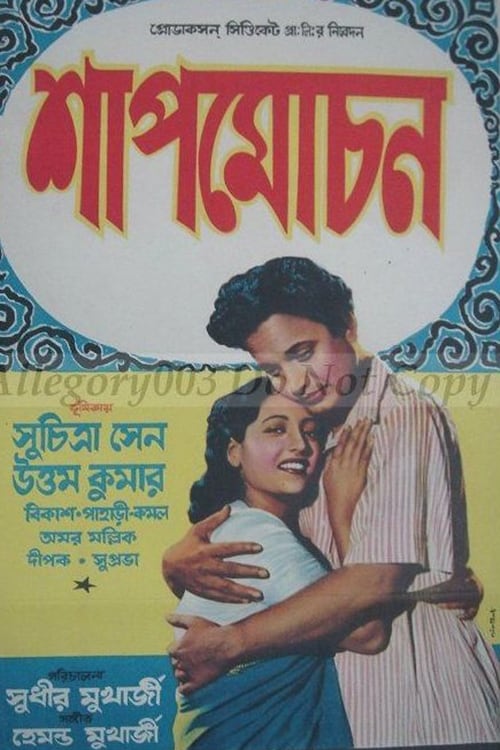
Young Mahendra belongs to a family of musicians, but once the family is cursed by their teacher. Mahendra's elder brother becomes blind and to avoid the same fate he goes to Kolkata and lives in the house of his father's friend Umeshchandra. He gets romantically involved with Umeshchandra's daughter Madhuri. Madhuri tries to make Mahendra modern and pursue his musical career. Despite his good singing ability, Mahendra refuses to accept this due to his family values. He leaves their home and takes shelter in Kolkata. But the curse strikes him also and he falls seriously ill.
Shap Mochan

Rajat, a young man, meets Manju, a rich girl whose father is looking for her. Though Rajat initially slyly tells her father her whereabouts, he ends up falling in love with her.
Chaowa Pawa
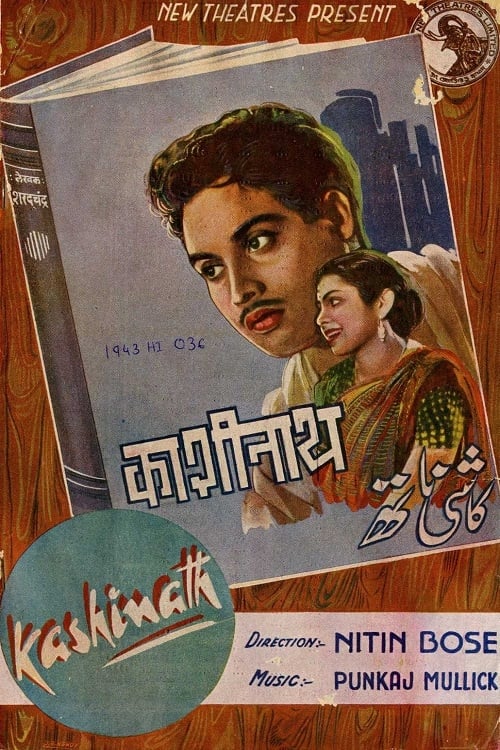
Shiromoni, a village priest sends his son on an errand to the house of Mr. Mukherjee. On his return Kashinath discovers his father is no more. With no kin to support him Mr. Mukherjee suggests that Kashinath should move over to live with Mr. Pitambar Chakraborty, the zamindar [Landlord]. Kashinath however, is in no mood to leave Mr. Mukherjee's home as he has started to grow attached to Mukherjee's daughter Bindu.
Kashinath
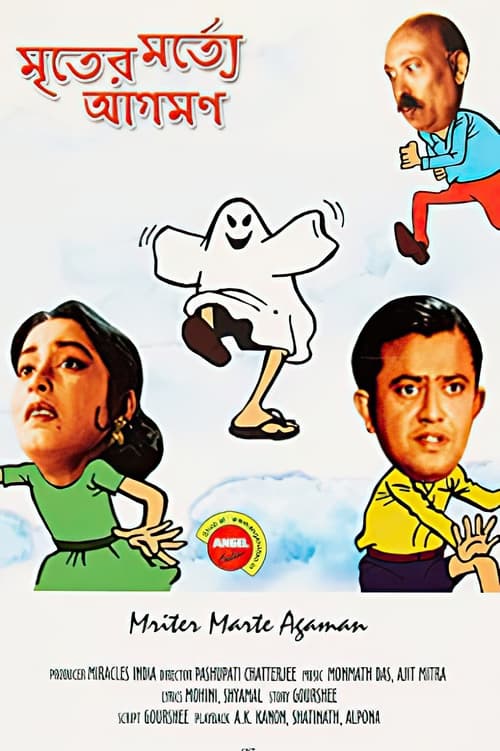
Biswanath or Bishu a young warm-hearted man, made a "Mukti Fauj" in Hell against Jamraj. He also planned to escape with Lolita, Heena, Rita, Ghosai babu and others. After a lot of hurdles, they managed to fly away from Hell. They came back to Earth with expectations, but unfortunately, time was changed. All of them faced some unbearable situations which really made them sad. Bishu came to know his wife got married to a wrestler. Lolita's boyfriend Montu da was busy with some other lady. All these experiences helped them realize the changing time. As a result, Bishu with his mates decided to go back to Hell. Earth was unable to give them sufficient space to live a happy life.
Mriter Marte Agaman

Satyendra, the scion of a wealthy Bengali zamindar family, is married by family duty to an eleven‑year‑old girl, Radharani. Emotionally detached, he grows closer to Bijli, a mature, self‑sacrificing courtesan.
Beam of Light
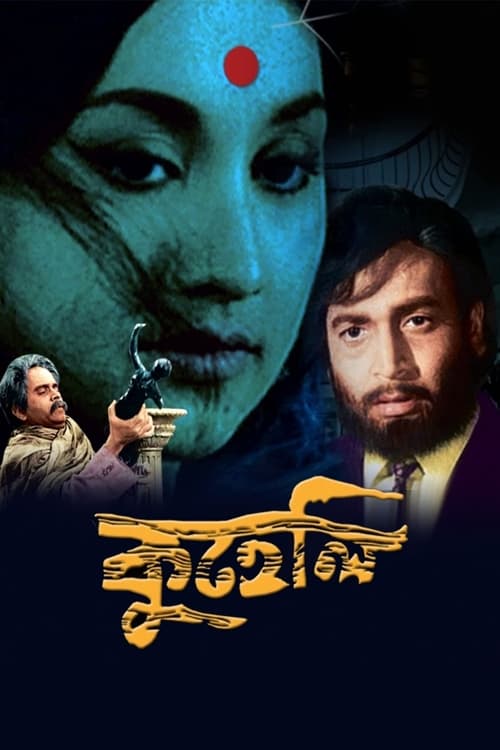
A Middle-Aged Woman named Sheba comes to an Obscure town named Nijhumgarh to be the Governess of a Renowned Household called "Ray Kuthi". But little did she know about the Bungalow and the dwellers. She is startled to know that two murders took place there nearly seven years earlier. The Mist of the mysterious happenings get only thicker. Now Sheba could only pray for it to Go Away as incidents transcend the rules of our physical world.
Kuheli
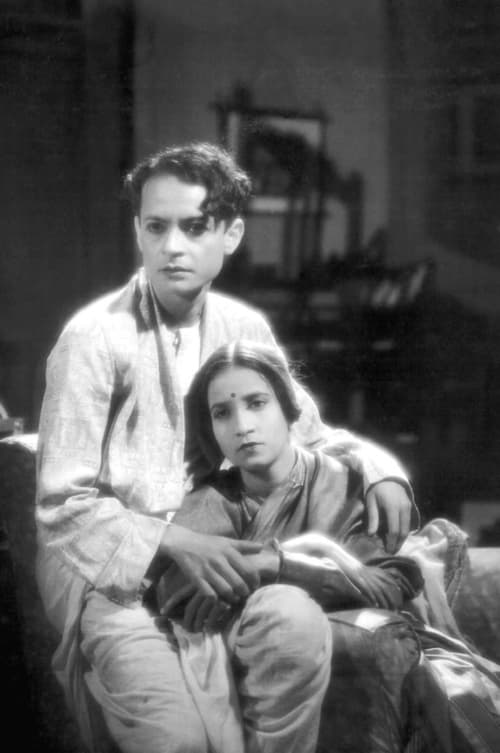
Devdas, the son of a zamindar, and Parvati, his neighbour's daughter, are childhood sweethearts. However, class and caste differences prevent their marriage. Devdas is sent off to Calcutta, while Paro is married off to an aged rich widower. In Calcutta, as remorse drives him to alcohol, Devdas meets Chandramukhi, a prostitute. All Indian prints of this Bengali version were destroyed in a fire that ravaged New Theatre’s studios. Today, only one copy of the film survives which belongs to the Bangladesh Film Archives. Of that copy almost forty percent is destroyed.
Devdas
A famous Saigal musical narrating a strange love story set against 1930s industrialization and worker-management relations. The 16-year-old Prabhavati inherits a mill and turns it into an extremely profitable enterprise. Prakash is a worker who designs a more efficient machine for the factory for which he first gets sacked and then is re-employed. He falls in love with Prabhavati's sister Sheila, who later makes way for Prabhavati who is also in love with Prakash. Her withdrawal distresses Prakash, causing him to bully the workers who then go on strike.
Didi
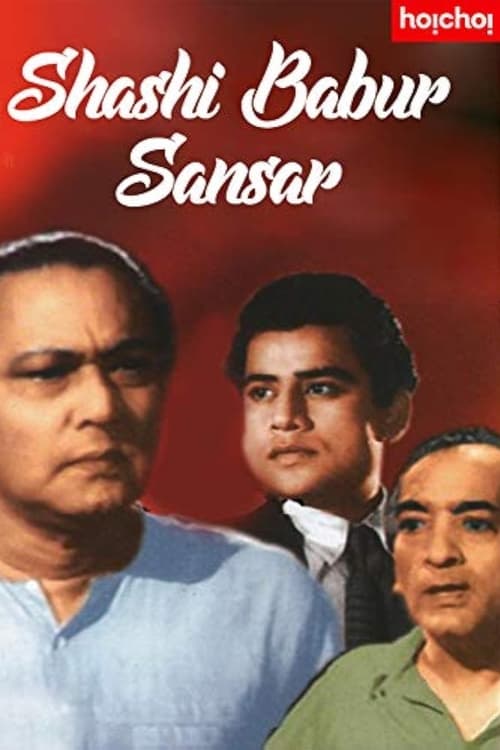
Sashibhushan who is the orthodox patriarch, has a tough time dealing with the youngsters who want to live life on their own.
Sashibabur Sansar
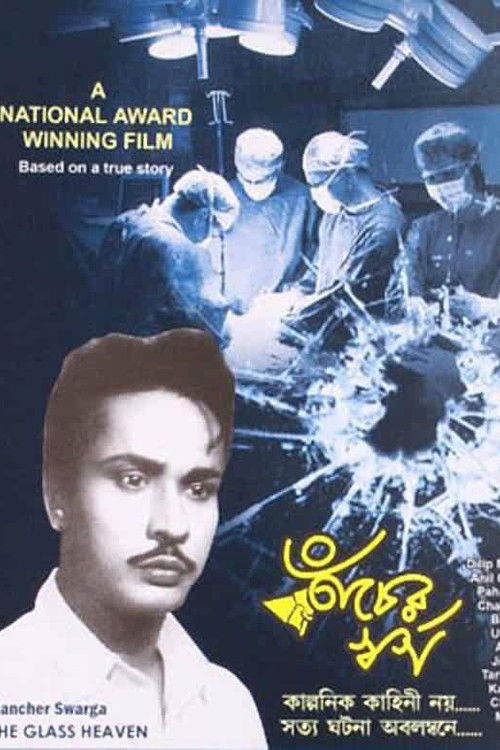
A story about a young man, who had to quit his studies as a doctor due to difficult circumstances, coming back and saving a young lady by performing a very difficult surgery.
Kancher Swarga
Classic celebration of Mithila's King Shiva Singha's (Bannerjee/Kapoor) love for his wife while chronicling the influence of the pacifist court poet Bidyapati (Sanyal). Invited to the royal court by the king, Bidyapati arrives with his faithful follower Anuradha (Kanan Devi). Queen Laxmi (Chhaya Devi) falls in love with the poet, much to the distress of the king. The king falls ill and starts neglecting his royal duties until Anuradha persuades him that true love does not need reciprocation. The queen, equally distressed by her divided loyalties, contemplates suicide, encouraged by the prime minister who is worried by the nefarious impact of Bidyapati's poetry on the king.
Vidyapati

A writer meets five widows on a train to Puri. As the six lives begin to intertwine, the theme of the taboos of widowhood emerge; but so, too, does a philosophy of life and hope for the future. The performers collectively won Best Actress at India's National Film Awards in 1964.
The Desolate Beach

Suren, prevented by his family from pursuing a university career, leaves home and becomes a tutor to Pramila. He falls in love with her widowed elder sister Madhavi who, although returning his love, has him sacked to save the situation.
Baradidi
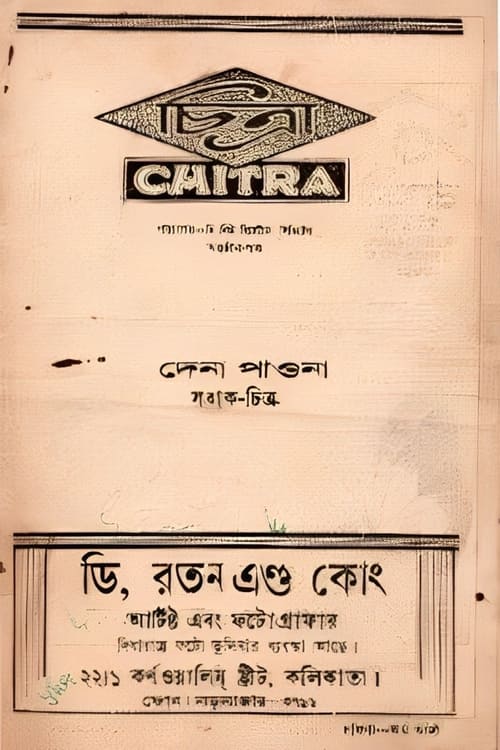
Dena Paona is a dramatic exploration of societal pressures and personal redemption. The film follows Sorashi, a strong-willed temple priestess, as she confronts the challenges of a troubled marriage and a disapproving community. Her journey towards self-discovery and reconciliation with her husband forms the heart of this compelling story.
Dena Paona
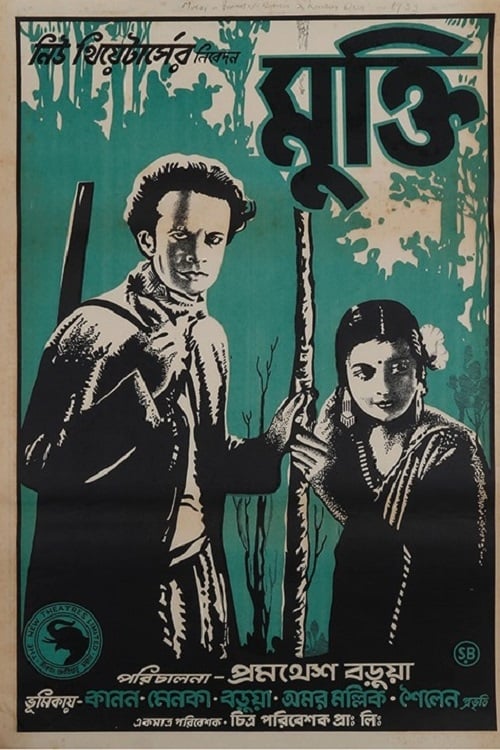
This classic adultery story tells of an artist, Prasanta (Barua) presented in the stereotypically romantic image: dedicated to his vocation, paying no heed to his scandalous reputation (he paints nude models) and with a cavalier attitude to his conservative father-in-law's (Choudhury) demands for a good social behavior.
Mukti
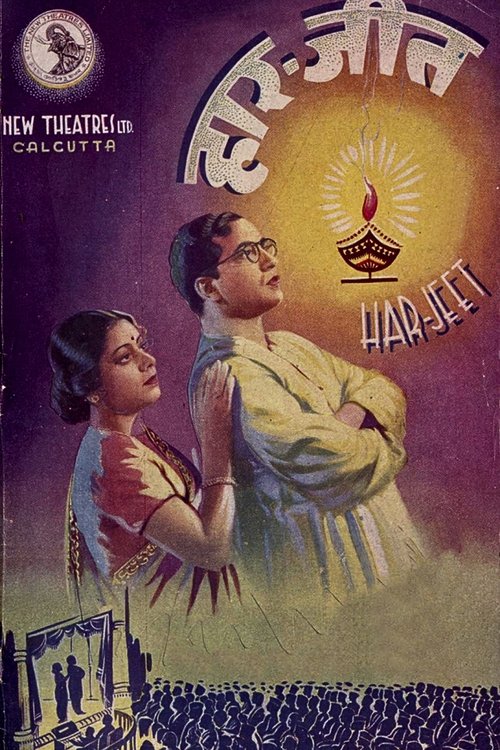
Set in the early 20th C. Calcutta Theatres industry. Kamala (Kanan Devi) is the star of the Ruby Theatre owned by her guardian Maheshbabu. Narendra (Sanyal) is the equally popular star in the rival Bina Theatre, which he abandons to join the Ruby repertoire when he falls in love with Kamala. In a lyrical sequence in the countryside, they marry in a poor peasant setting. Narendra then shows his true colours and forbids Kamala to continue her acting career. She returns to the stage anyway while Narendra stays among the peasants. He later returns to the Bina Theatre and its success is intercut with the bankruptcy of the Ruby Theatre.
Har Jeet
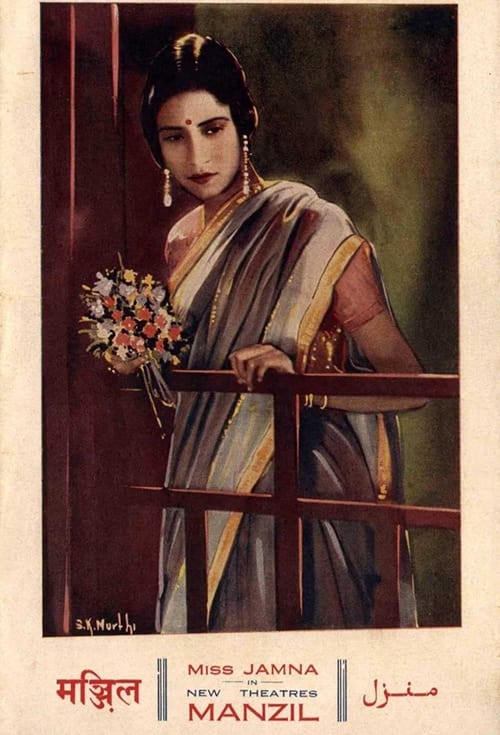
The poor but educated Mahim and his childhood friend, the rich but conservative Suresh, both fall in love with the same woman, the liberated Achala. Mahim marries her and they move to a village but she cannot forget Suresh. Her smoldering unhappiness takes the form of resentment towards the orphaned Mrinal, raised by Mahim's father, and receives a dramatic visual embodiment when their house burns down. Mahim falls ill, is rescued by Suresh, and nursed back to health by Achala. On a train (a metaphor for the irreversibly linear course of life) to a health resort where Mahim is supposed to convalesce, Suresh on a rainswept night gives in to temptation and elopes with Achala. At the end of the film, there is a dubious reconciliation as Achala is shown following Mahim's 'good' traditionalism with Sharatchandra's barely concealed hostility towards Achala's liberated Brahmo Samaj upbringing.
Grihadaha

Punarjanma is a Bengali drama film released in 1932 and directed by Premankur Atarthi.