Directing
Polizeiruf 110 is a long-running German language detective television series. The first episode was broadcast 27 June 1971 in the German Democratic Republic, and after the dissolution of Fernsehen der DDR the series was picked up by ARD. It was originally created as a counterpart to the West German series Tatort, and quickly became a public favorite.
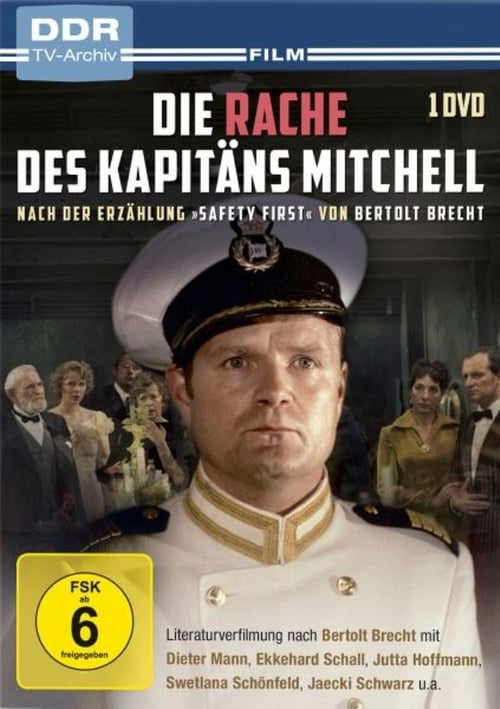
The "Astoria", an English luxury liner, collides with a freighter shortly before the end of its voyage and threatens to sink. Captain Mitchell, successful and envied, sets in motion an expensive rescue operation. He manages to avert a catastrophe and bring the passengers and the ship to safety. But the shipowner considers the operation excessive, calls Mitchell a coward and fires him. His career seems to be over. When his friends and his fiancée also make fun of him, he devises a cunning plan of revenge.
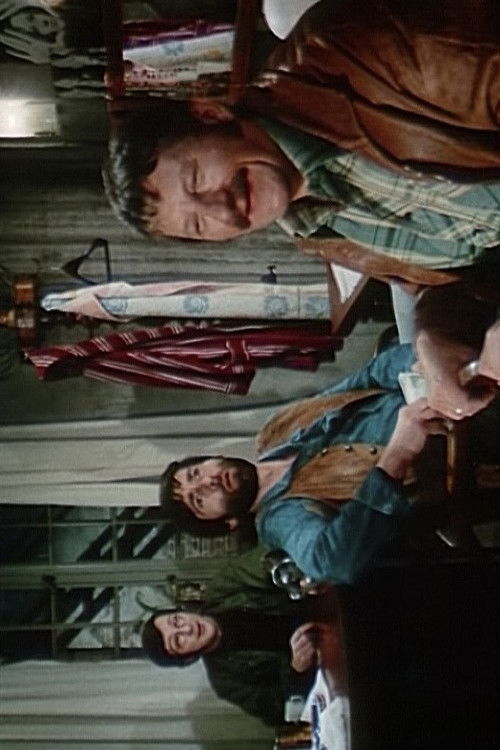
Four small-time crooks occasionally enlist the help of their girlfriends to earn a living by robbing cars. It is only when a former television producer joins the business that they achieve visible success.
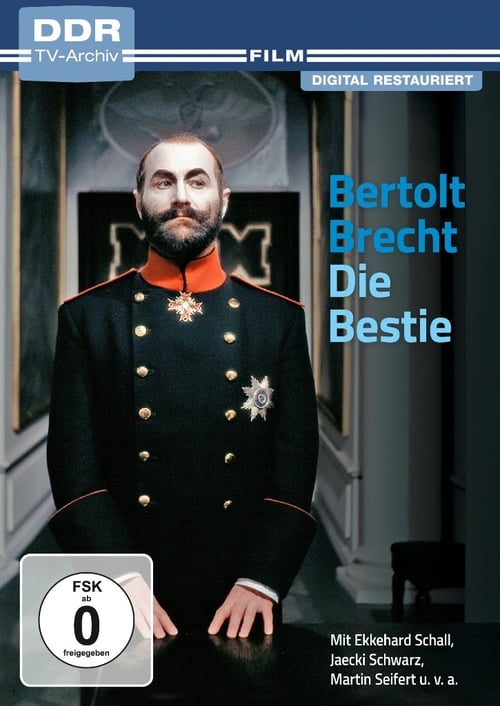
Moscow in the 1920s. A film about the pogroms in southern Russia is being made in a studio. The name of the notorious tsarist governor Muratov, also known as "The Beast", symbolizes the crimes of the time. During filming, an old, decrepit man comes forward who wants to be in the movie because of his resemblance to Muratov. Could it be possible that this man is the real Muratov? Everyone is so preoccupied with the realization of the material that this incident remains hidden. As artists, everyone has their own visions - which often bypass reality ...
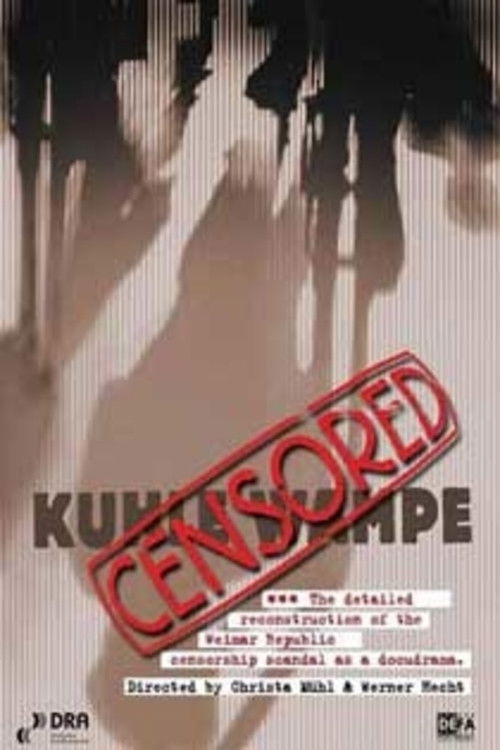
A detailed reconstruction of the censorship case against the landmark Weimar-era communist film, Kuhle Wampe, or Who Owns the World? (1932). Directed by Slatan Dudow, the crew and cast included left-wing luminaries, such as playwright Bertolt Brecht, composer Hanns Eisler and balladeer Ernst Busch. The film was the subject of vehement disputes and was banned twice for revolutionary and communist tendencies that were perceived to threaten the state. About 230 meters of the original film fell victim to the censor’s shears. This historic censorship case was argued over the course of three sessions. Censored: Kuhle Wampe re-enacts the censorship hearings, based on original minutes and documents, as well as personal records of the case. In addition to footage from the original film, this docudrama includes original clips of Berlin in the 1920s and '30s and short testimonies, filmed in the 1970s, with some of the actors involved in the original Kuhle Wampe film production.
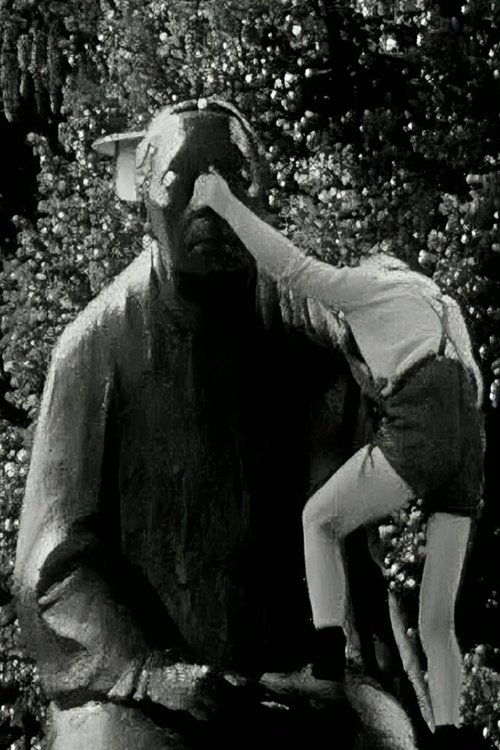
Kollwitzplatz, Prenzlauer Berg: Children are playing and climbing all over the monument to Käthe Kollwitz, frowning adults are watching them. What would Gustav Seitz, the creator of the sculpture, say? Christa Mühl has asked him but reveals his answer only when the adults have finally disappeared. Until then, she constructs explosive matter as light as a feather, set to Belgian cembalo jazz and with the perky montage style that characterises her early documentary work. After Karl-Eduard von Schnitzler himself had the most controversial scene cut, the film could be broadcast on television and triggered a lively discussion about the practical value of art.