Writing
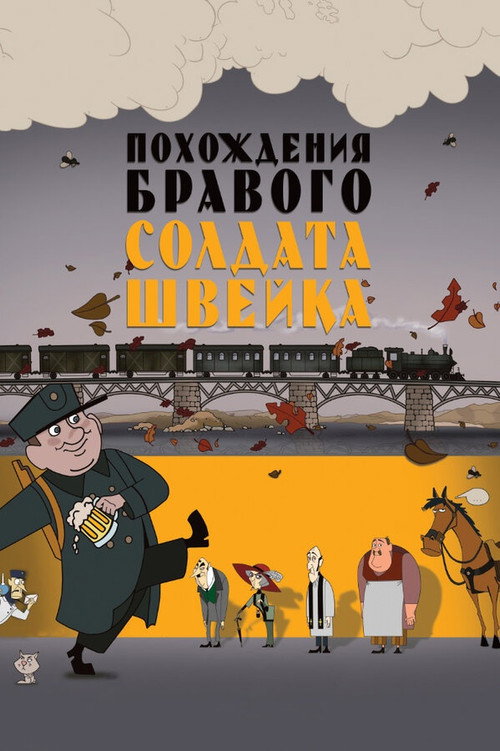
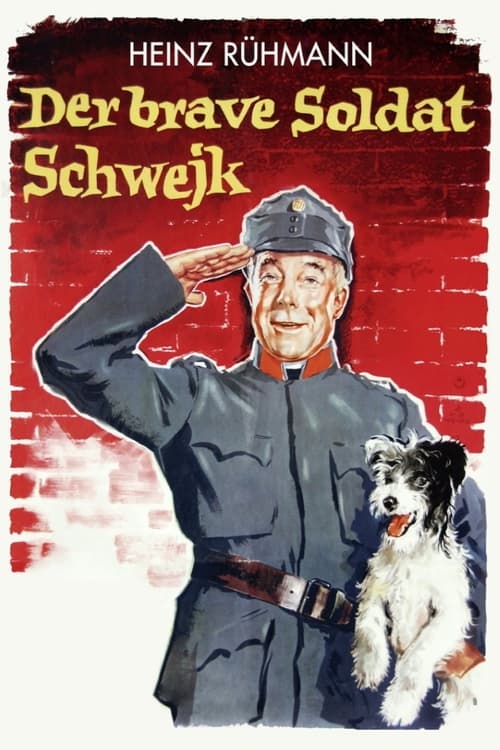
Die Abenteuer des braven Soldaten Schwejk is an Austrian television series. Schwejk is a bumbling fool (he claims to have been discharged from the army on the grounds of being a certified idiot) but manages to outwit his superiors and his arch nemesis, the secret policeman "Bretschneider" with hilarious results. Set during the first world war, it follow Schwejks adventures as a recruit in the Austro-Hungarian army.
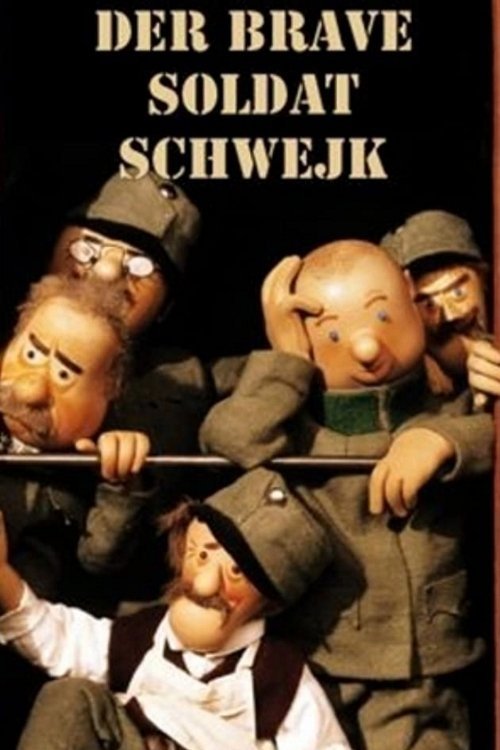
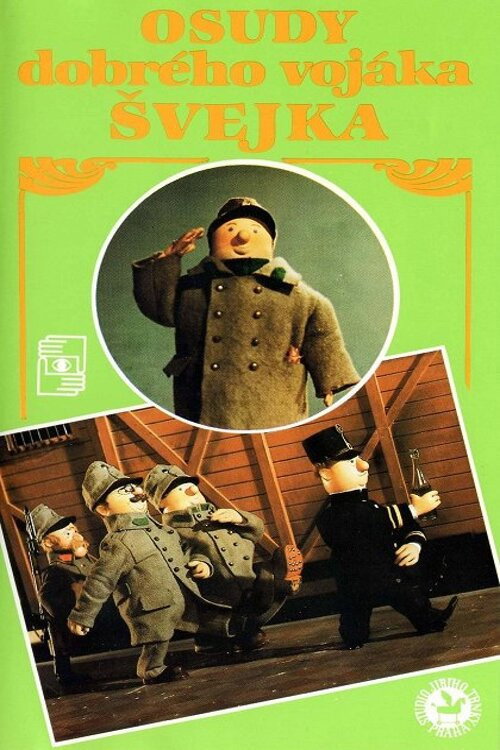
Ingratitude rules the world... A puppet animated film based on a short story by Jaroslav Hašek.
An average soldier is caught up in the cogs of an inhuman war machine during the First World War.
Látal's nine-part puppet series completes Trnka's thirty-year-old work on Švejk. He thus completed the adaptation of Jaroslav Hašek's most famous literary work, a tragicomic satire about the wartime adventures of the eccentric Josef Švejk, in a puppet version based on Lada's artistic style.
Good-natured and garrulous, Schweik becomes the Austrian army's most loyal Czech soldier when he is called up on the outbreak of World War I -- although his bumbling attempts to get to the front serve only to prevent him from reaching it. Playing cards and getting drunk, he uses all his cunning and genial subterfuge to deal with the police, clergy, and officers who chivy him toward battle.
No description available.
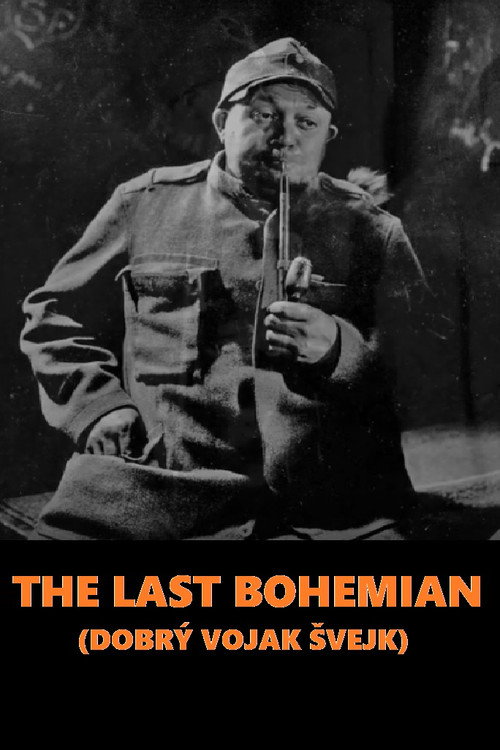
Another adaption of the Good Soldier Svejk book.
When the First World War breaks out in 1914, Josef Schwejk, a naive dog dealer in Prague, joins the Imperial Army.
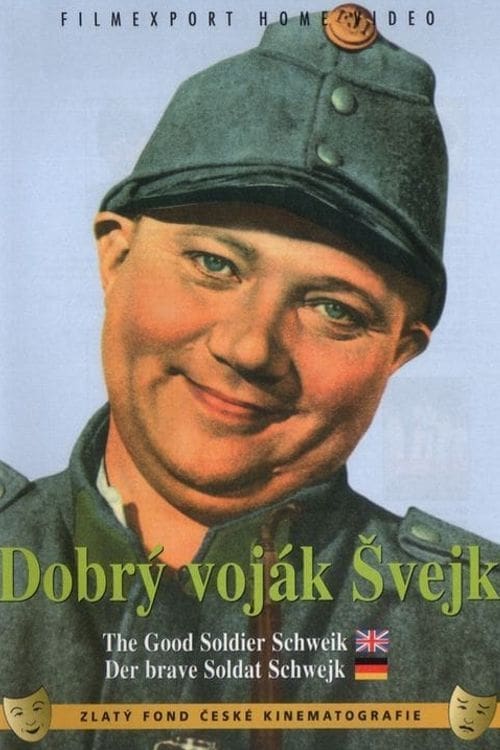
A comedy based on the novel of Jaroslav Hašek's The Good Soldier Svejk happens during the World War I. I Dutifully Report: In the introduction to the second part of the film adaptation of Hašek's novel The Good Soldier Švějk presents his main character Josef Švejk. With the distinctive traditional Czech cartoon character of a soldier Svejk, this time you meet on the way to the front and eventually right in the firing line. You can look at his famous train events, and also probably the most famous episode of the novel, Švejk's Budějovice anabasis. Don't miss the scene with the secretly bought cognac, the episode with Svejk as a fake Russian prisoner of war, including the court scene, and the scene in which lieutenant Dub is caught in a brothel. Despite the criticism, Steklý's adaptation is undoubtedly the most famous and memorable at present.
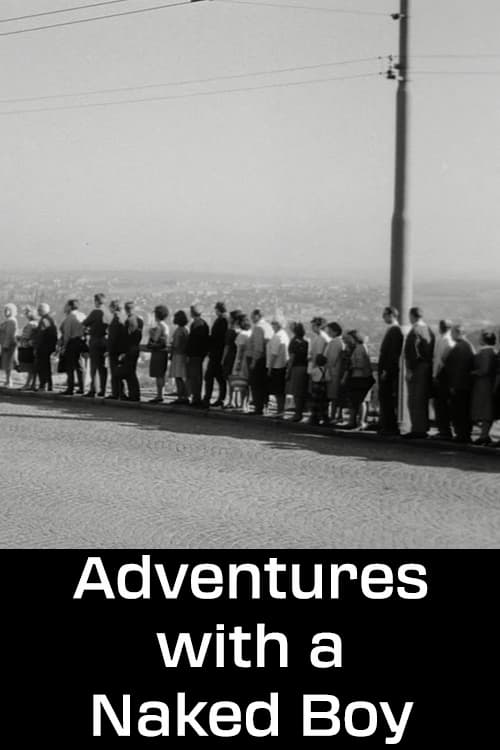
A man boards on a tram together with a naked boy. Somebody has stolen the boy's clothes when he was out bathing, leaving him with not even change for the tram. The man has taken care of him and is taking him home. At first nobody notices them but as soon as the people realize they are seeing something out of the ordinary they begin to react to the situation. Some are content with the simple explanation as to why the boy is naked. Others are agitated, for they see the whole situation as something unseemly. An ordinary incident, which might have been passed over in silence, results in a heated argument that turns into a fight. More and more people join in the fight until the police are forced to intervene.
A certain Mr. Mlácen is brought to the asylum, wanting to sell two church bells. He first offers them to merchants in an inn. He claims that he received them as an inheritance from his uncle, but he doesn't know what to do with them. But no one wants to buy them. Because of this, he first finds himself in a commissary and is eventually sent to an asylum. The professor (L. Kopřiva), who believes that Mr. Mlácen suffers from some kind of fixed idea and is mentally ill, promises him that he will buy his two bells back...
Adapting Jaroslav Hasek's raucous satirical novel, and also bringing Josef Lada's equally famous illustrations to garrulous puppet life, posed Trnka one of his biggest creative challenges. Trnka himself felt that the final episode was the most artistically successful, but there's much to enjoy in all three, not least the way that the lackadaisical layabout Svejk's own self-serving anecdotes are realized through cut-out animation.
Military doctor Katz loses to his servant Josef Švejk at cards. Švejk steals a dog for his new superior, Lieutenant Lukáš. While walking his dog, Lukáš meets Colonel Kraus, who is displeased to discover that Lukáš is taking his dog with him. As punishment, he sends Lukáš to a marching company in Budějovice. Lukáš is accompanied by Švejk, who first insults a general who is travelling in civilian clothes in the same compartment. Then Švejk unexpectedly stops the train by pulling the emergency brake. For this act, he is brought to Tábor for questioning. Before the questioning is over, Švejk's train leaves and he has to walk to Budějovice...
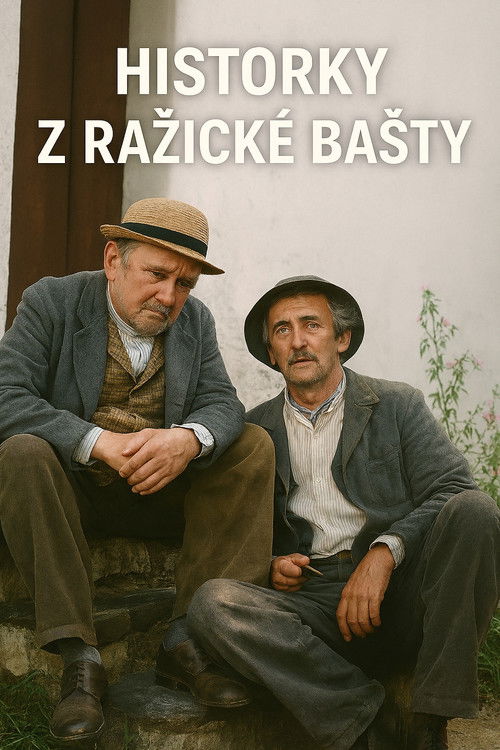
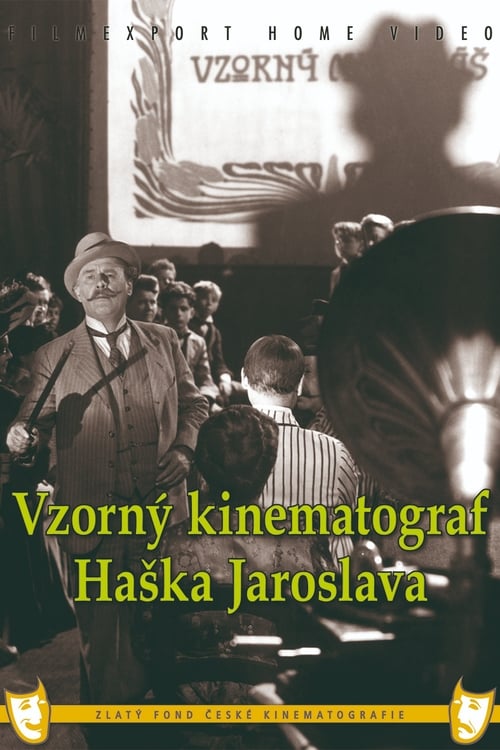
Jaroslav Hašek screens four film stories in the fairground shed around 1900. After period advertising slides and a "newspaper", we see "the first part of a sensational, exemplary, parfuss, salon program - a film from the life of school-age children, shot under very difficult circumstances". The plot of this film takes place partly in a school classroom and partly in a gymnasium toilet, where the primate Chocholka took refuge from a Latin composition. "Exemplary Family Happiness" is the second film that takes the viewer into the family of the municipal official Honzátek, in which many stormy scenes occurred when the hamster, provided by Honzátek Jr., moved into the sofa - a wedding gift from Sister Ema. Equally surprising are two other stories, one of which tells about the "father of the poor", the owner of a company with unrecoverable cash flow and a famous patron, and the other about the fateful consequences of a joint trip between the old bachelor Mr. Hanzlíček and his neighbors.
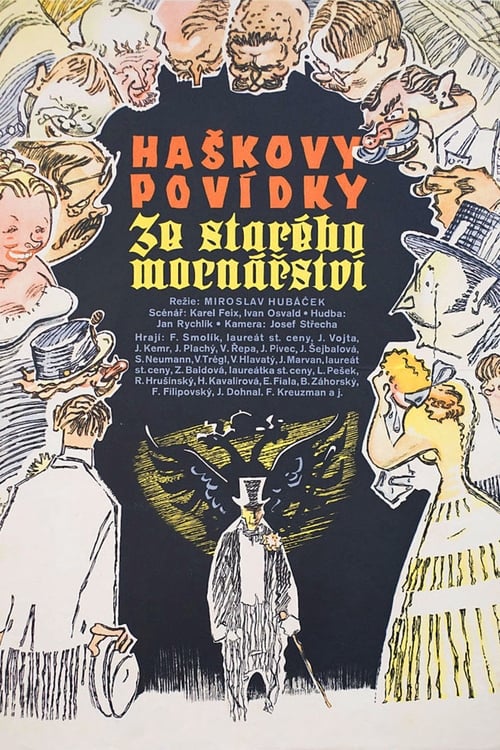
Four short stories by the greatest Czech satirist Jaroslav Hašek. "Soup for Poor Children" tells the story of how Prince Robert himself cooked soup for poor children, "Meeting of the Municipal Council in Mejdlovary" is the history of filling the position of municipal policeman, "Trampotes of Mr. Tenkrát" shows how strange events lead to marriage and promotion, "Revolt of the Convict Šejba" depicts the victorious fight of the convict Šejba for a dumpling for ministering at mass.