Directing
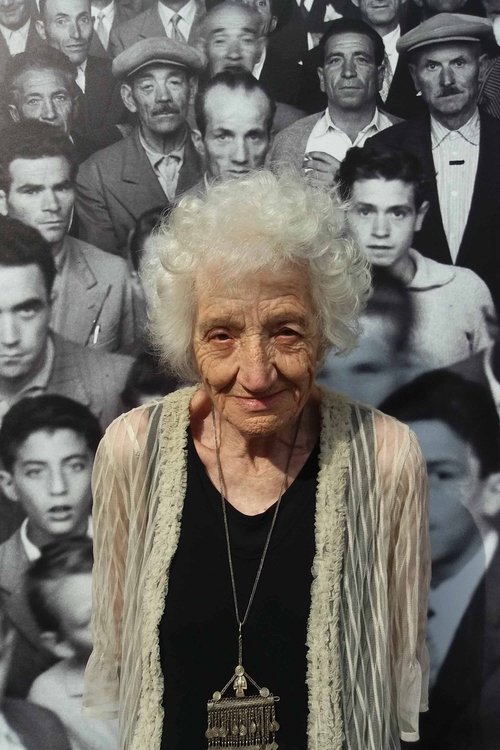
Cecilia Mangini was an italian director and photographer.
No description available.
Juste wanders the streets of Paris looking for people only he can see. He collects their last memory before helping them into the afterlife. One day Agathe, a young woman, recognizes him. She belongs to his previous life. She is alive and he is a ghost. How will they manage to love each other and seize this second chance?
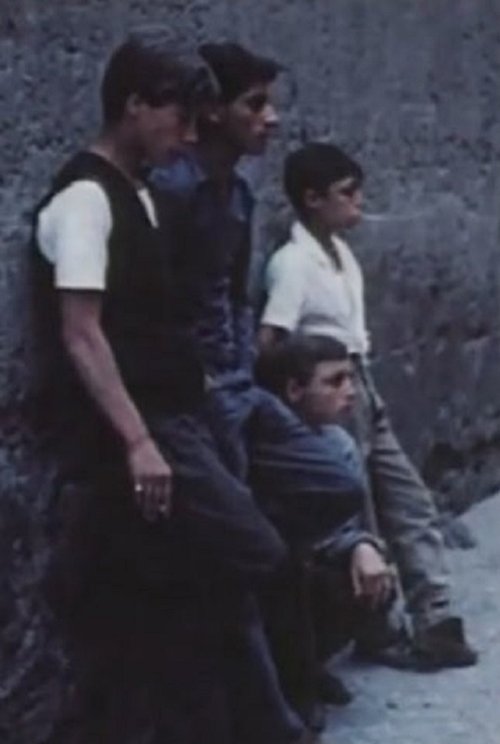
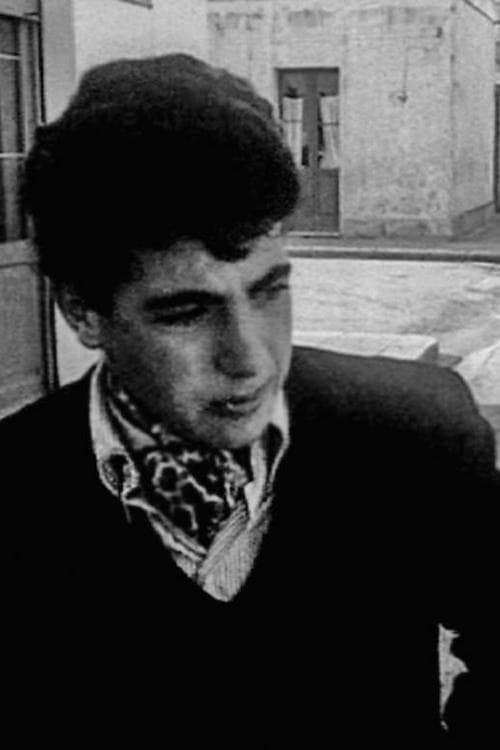
The life, the problems, the hopes of the ragazzi of the suburbs of Rome. Ignored by the city, these young men spontaneously express their vitality, their violence, their willingness to put themselves at risk. They are at the center of "Ragazzi di vita", the first novel by Pier Paolo Pasolini, author of the text of this documentary.
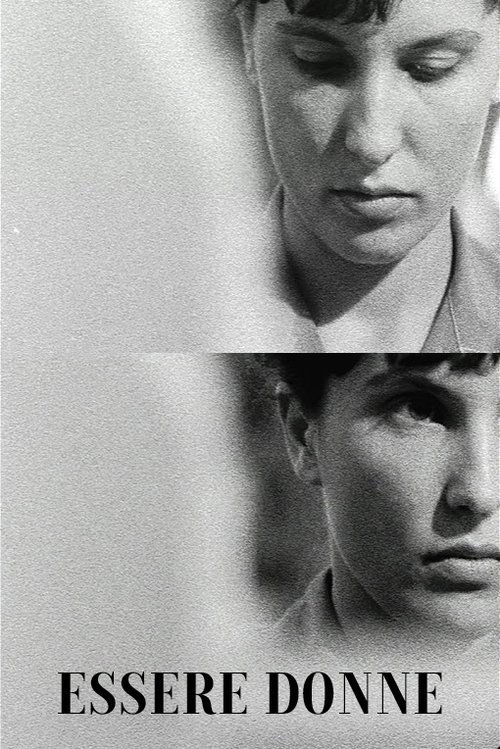
This documentary is one of the earliest film enquiries on women's condition in Italy, seen in its different aspects: social, economic, psychological. Starting from an analysis of the feminine role models proposed by the cultural industry, the film finds its protagonists among all kinds of women.
Series inspired by Pier Paolo Pasolini’s Comizi d’amore. This time, Italian people are confronted with though questions about sex before marriage, extramarital affairs and homosexuality.
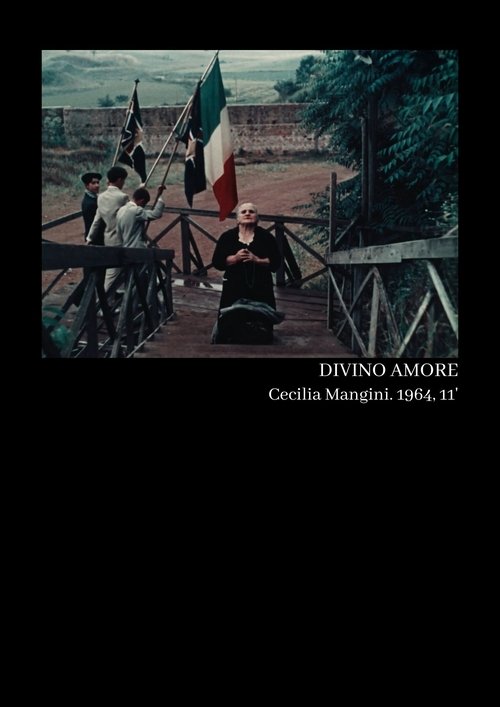
The film begins at night, as parishioners holding lanterns form a series of processions, travelling through the night from Rome, and villages in the Abruzzi and Lazio regions, to make it to the Santuario della Madonna del Divino Amore, 10 miles from the capital, by morning. More than an anthropological study of ecstatic devotion – with its genuflecting disciples, and women who scream desperately at the sky – Divino Amore also speaks to Mangini’s interest in disappearing rituals and communities at risk of extinction. When generations of worshippers pour out of the church at the end of the service, formality dissolves into secular leisure, as families perched on horse carts eat plates of spaghetti and men fall asleep on the grass. The velvet-clad austerity of the church’s interior gives way to a series of pastoral tableaux.
A work commissioned by the Ministry of Labour to which Mangini brings an eloquence that transcends any propaganda ambition. It is an accurate portrait of a vision about a land of new highways and factories built on the grounds of shepherds and farmers.
Two young militants in love try to link their ideals to their everyday life together. A reflection on the attempt to combine love, intimacy and revolution.
The Italian unification, also known as Risorgimento, took place between 1815 and 1870. During this period, caricature was a privileged medium for political commentary. From Napoleon III to Garibaldi, no one escaped the caricaturists, who also resorted to drawing to talk about the new legal system, the emancipation of women or the freedom of the press.
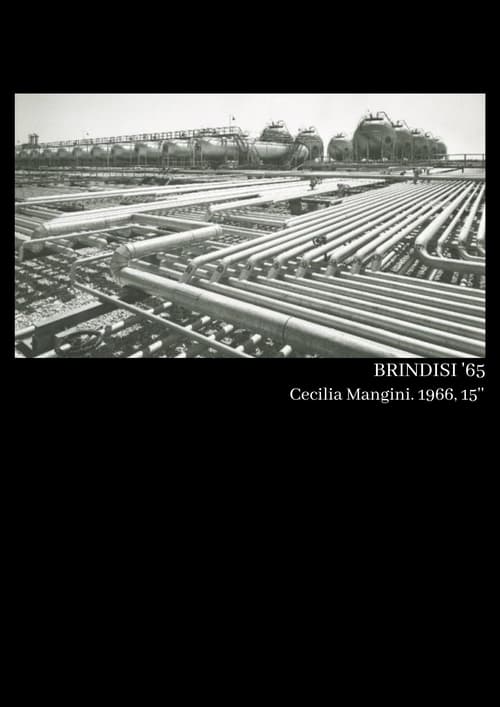
The industrial city of Brindisi is the setting for this film, the tension between the bright promises of the industrial world and the not-so-bright reality of a young worker, in one of Mangini's most emblematic works.
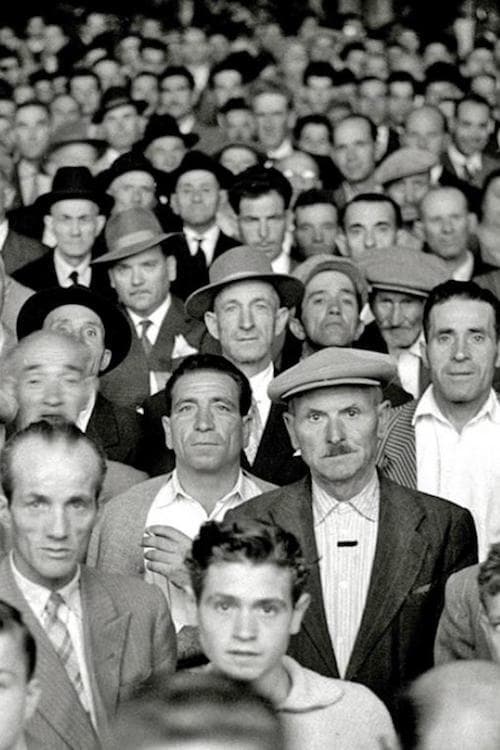
An astonished crowd turns its face to the boldness of a young photographer in 1956, at the Puglia village festival.
Initial panorama of Brindisi, a city with a peasant tradition. The petrochemical, city within a city. Children in poor neighborhoods, workers' voices: the crisis, the layoffs, the need for the recommendations of the Christian Democrats to enter Montecatini. Wealthy men and women binge at the restaurant. Voices of agrarians, forced to leave the earth to make room for the petrochemical. A ballroom. In a puppet theater, a show is staged in which the worker is addressed as "starved". At a course for foremost workers, various compliant testimonies follow one another: Monteshell is a large industry, and no one has any criticisms against it. But another worker, elsewhere, with his face in the shadows, confesses that everyone is afraid to speak, skilled workers get the same pay as simple ones, 400 colleagues have been fired, union activists are "special supervised", and going on strike is a business. 35mm b/w
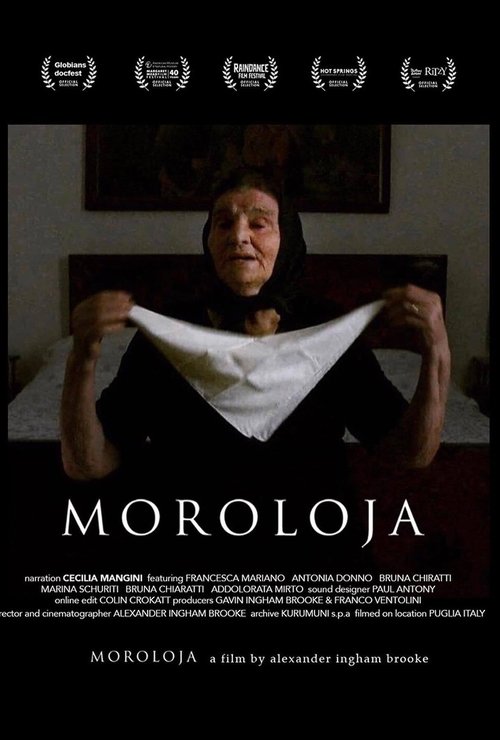
In 1962 Cecilia Mangini, an Italian filmmaker made 'Stendali', a documentary about a group of women who practiced an Ancient Greek funeral rite in the southern Italian town of Martano (Puglia, Lecce). Shortly after the filming of 'Stendali' the women died out, with no one to replace them, the rites disappeared, leaving the town in its silence. In 2011, 50 years later, the film 'Moroloja' looks back upon the site of the funeral, revisiting the town of Martano, revealing that some of the women are still alive. Narration by Cecilia Mangini.
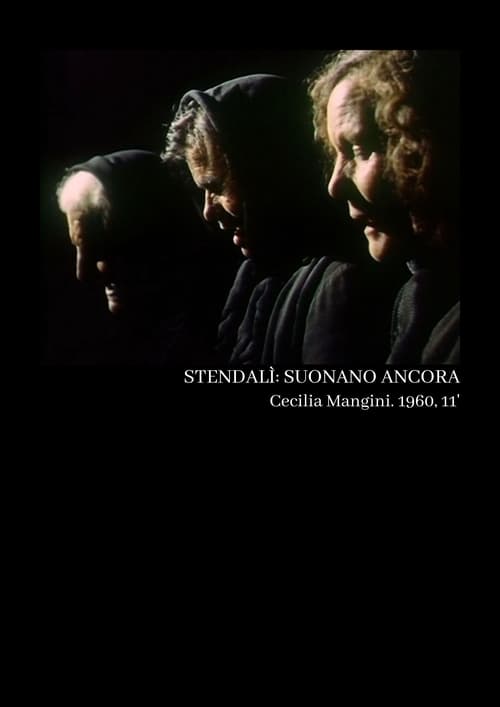
A unique 1960s documentary on the traditional dirge sung by women in Griko, an ancient dialect of Salento, so old that it originates from the ancient Greeks who once colonized that part of southern Italy.
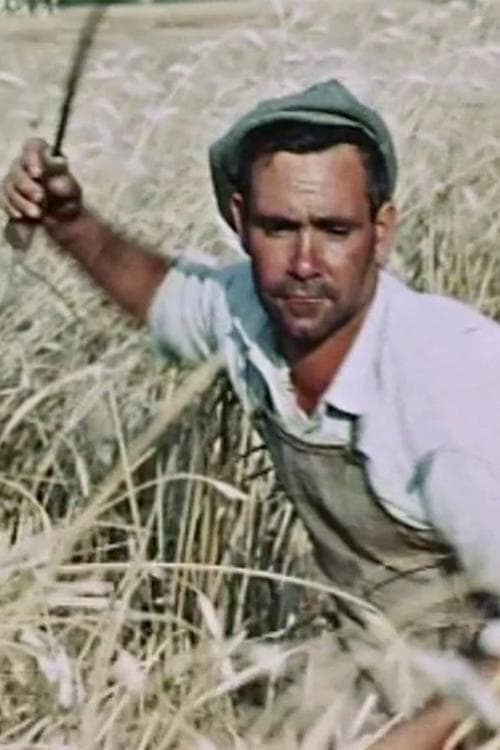
An expressionist and hypnotic vision of a disconcerting rural ritual in Lucania, the symbolic slaughter of a goat, a collaboration between Mangini and her husband and partner Lino Del Fra.
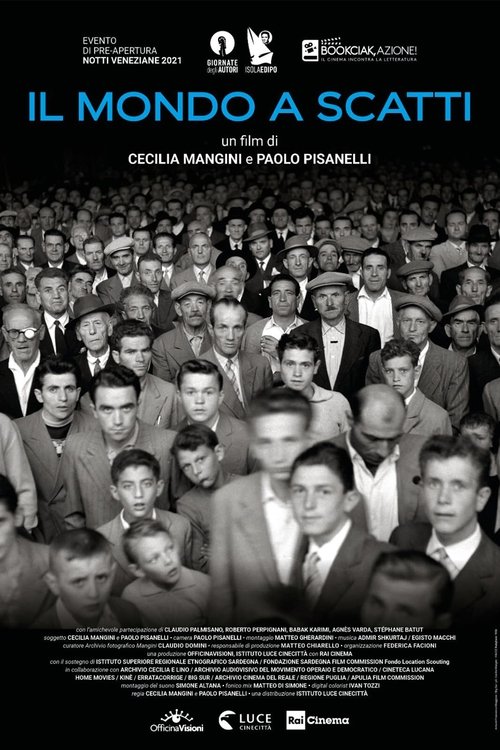
"Il mondo a scatti" is a film that intertwines images of today and yesterday, still images and moving images through a dialogue between two people who reflect on the visible and invisible things of the world: Cecilia Mangini, unstoppable ninety years old, photographer, documentary maker, screenwriter is filmed by Paolo Pisanelli, photographer, director, curator of cultural events.
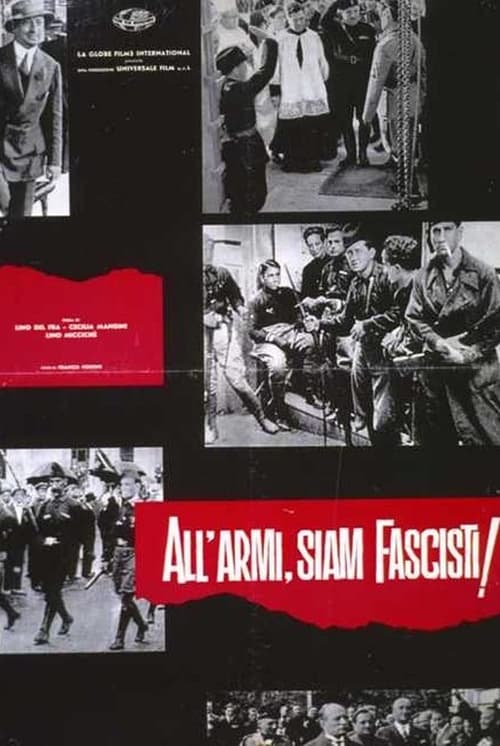
Documentary compiled from archives and accompanied by a poet's commentary, shows the sweep of modern Italian history from 1911 to 1961, centering on the conditions leading to Fascism and the post-WWII reaction to the Fascist experience.
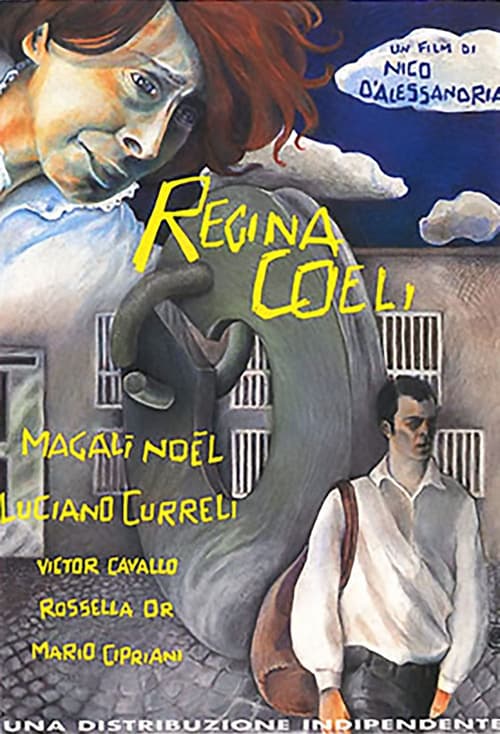
"Regina Coeli" is the nickname with which inmates call Regina, voluntary assistant in Rome's Rebibbia jail, very involved in solidarity but lonely in his private life. The jail director entrusts her with the task to try re-educating Graziano, a young Sardinian sentenced for a kidnapping of which he always proclaimed himself to be innocent. Regina is way too much mature and lonely not to feel intrigued by the mysterious personality of the illiterate shepherd, who expresses himself only in his almost unintelligible Sardinian dialect.