FEEL IT.STREAM
?

Alfredo Guevara

Acting

Known For

I Am Cuba, the Siberian Mammoth
7.3

Contemporary film critics regard the epic film I Am Cuba as a modern masterpiece. The 1964 Cuban/Soviet coproduction marked a watershed moment of cultural collaboration between two nations. Yet the film never found a mass audience, languishing for decades until its reintroduction as a "classic" in the 1990s. Vicente Ferraz explores the strange history of this cinematic tour de force, and the deeper meaning for those who participated in its creation.

I Am Cuba, the Siberian Mammoth

2005
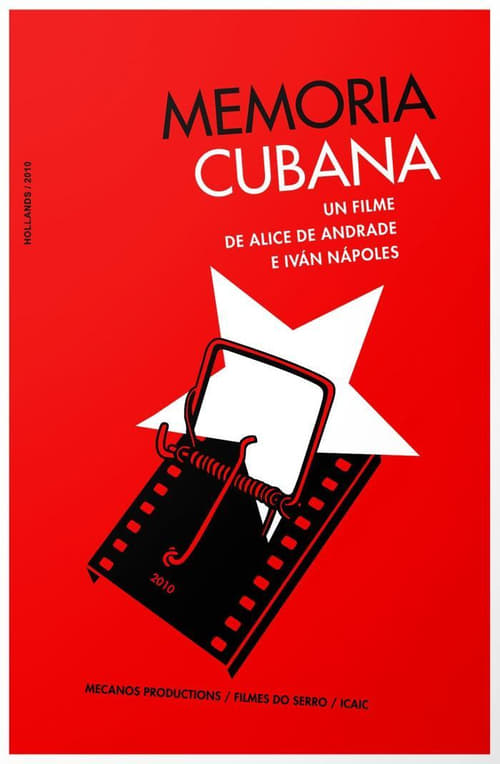
Memória Cubana
N/A

Through the files of Cuban cinema news program Noticieros ICAIC Latinoamericanos, the documentary shows the most relevant events of the second half of the 20th century as seen by the documentary filmmakers of the island. During three decades and under the general direction of Santiago Álvarez, these moviemakers witnessed almost everything: from the shivers of the Cold War to Bola de Nieve's piano solos; from the discovery of the killing fields in Cambodia to the Carnation Revolution in Portugal. In 2009, the original negatives of Noticieros ICAIC Latinoamericanos were declared part of the "world memory" by UNESCO.

Memória Cubana

2010
No image
6.0

Documentary that portrays the life of a coal-mining town south of Havana, around 1955, prior to the triumph of the revolution.

El mégano

1955
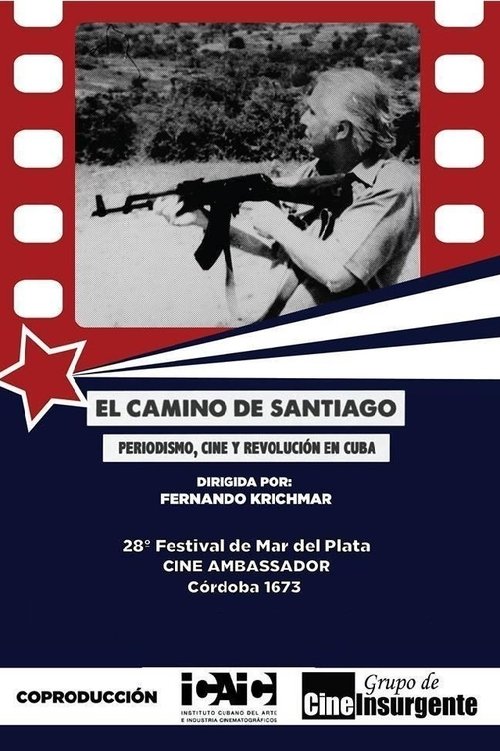
El camino de Santiago: Periodismo, cine y revolución
7.3

A tribute to Santiago Álvarez, a great innovator in the language of Cuban newsreel images, presented by the ICAIC over the course of thirty years. This unique figure in Latin American cinema is reconstructed. Told as a game of Chinese boxes (documentaries within documentaries, authors within authors, images within images), Álvarez's obsession is revealed to be identical to that of his disciples: to confront the reality of Cuba with other realities, staging aesthetic operations that are nevertheless political operations, always in favor of the Revolution.

El camino de Santiago: Periodismo, cine y revolución

2013
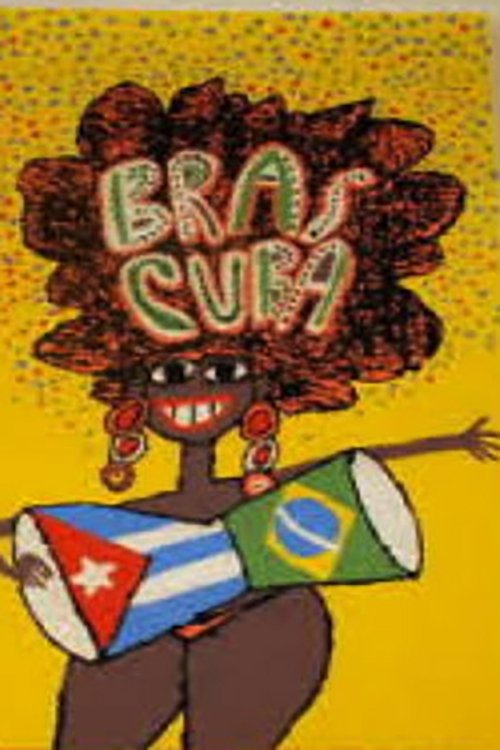
Brascuba
7.0

No description available.

Brascuba

1987
Claves, 4: Memories of Cuban cinema
N/A

Documentary in four parts on Latin American cinema. Fourth episode: in Cuba, the ICAIC, created in the aftermath of the Castro revolution, is at once a film school, a production company and a state cultural branch. Cuban filmmakers testify to the situation and themes specific to their national cinema.

Claves, 4: Memories of Cuban cinema

1984
The Inconclusive Independence
6.5

Documentary about the independence and history of Latin America.

The Inconclusive Independence

2010
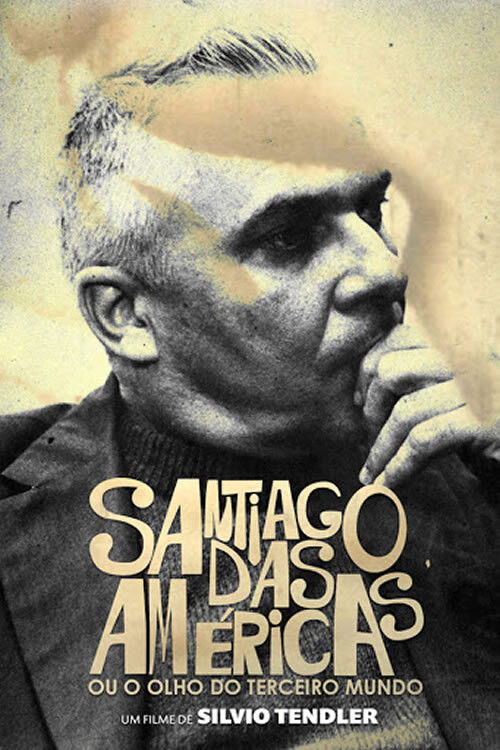
Santiago das Américas ou o Olho do Terceiro Mundo
N/A

In a small island convulsed by the 1959 revolution, Santiago Álvarez used the Seventh Art as a political weapon and created an aesthetic that became a reference in the documentary field. Santiago, who called himself a permanent traveler through history, registered the most significant facts of his time, from the Cuban Revolution to the disintegration of the Soviet Block. He took to spectators from all continents a counterpoint to the history narrated by the United States Information Service, USIS. Through his works, we dive into the Cuban political and cultural scene, the tensions of Latin America, the Vietnam War, the countless conflicts for African independence, always with a peripheral look that is characteristic of his cinema, currently converted into a memory of a world in transformation.

Santiago das Américas ou o Olho do Terceiro Mundo

2019
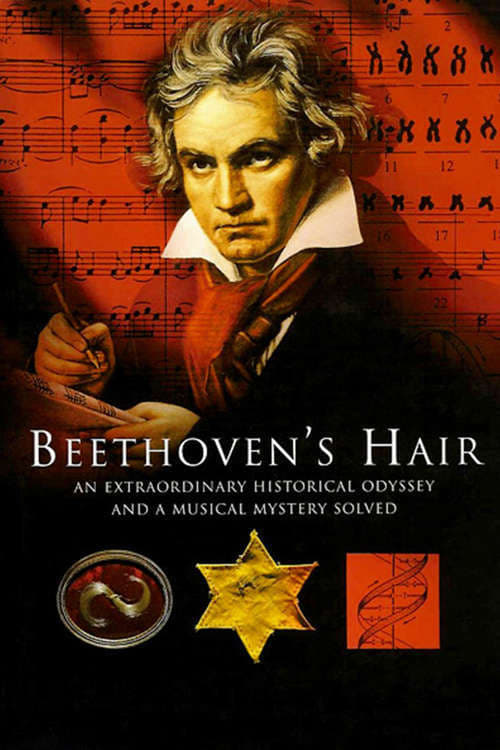
Beethoven's Hair
7.5

Beethoven's Hair traces the unlikely journey of a lock of hair cut from Beethoven's corpse and unravels the mystery of his tortured life and death. The film begins in modern times, when a pair of Beethoven enthusiasts purchase the hair at a Sotheby's auction. The story then looks at the lock's previous owners and culminates in the science that reveals Beethoven's "medical secret". Set to a lush score of some of Beethoven's most glorious music, the film explores the world of forensic testing in sharp relief against the romance of 19th-century Vienna and the horrors of 20th-century Nazi Germany.

Beethoven's Hair

2005
BirriLata, Around by Train
N/A

Few people in Argentine and Latin American cinema have been as close as Fernando Birri to stand as a patriarch, pioneer, and spokesman for a committed cinema that tears itself apart in its solidarity with its own surroundings. This ode to the tireless Birri presents him to us in full: teaching, establishing standards, and creating with the tools of his time, turning culture into a form of political affirmation as he grows more and more vital and rooted.

BirriLata, Around by Train

2015