Directing
Tatort is a long-running German/Austrian/Swiss crime television series set in various parts of these countries. The show is broadcast on the channels of ARD in Germany, ORF in Austria and SF1 in Switzerland.
No description available.
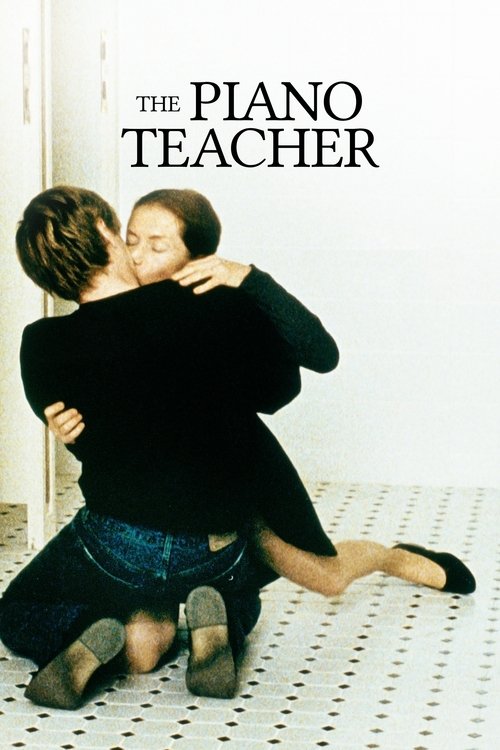
Erika Kohut, a sexually repressed piano teacher living with her domineering mother, meets a young man who starts romantically pursuing her.
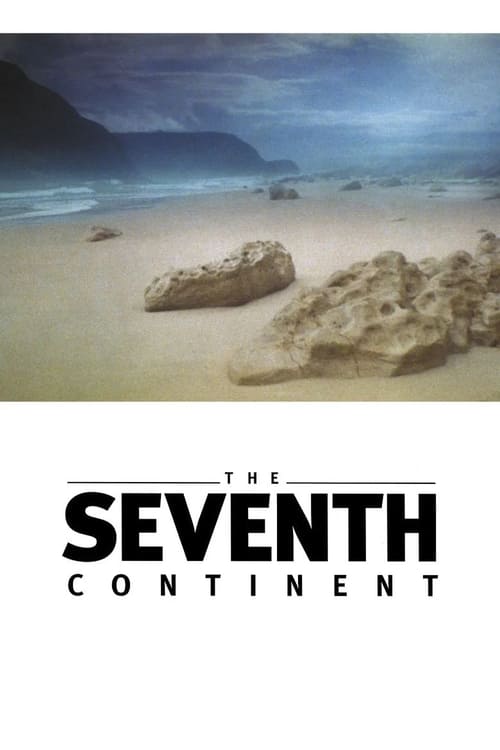
Chronicles three years of a middle-class family seemingly caught up in their daily routines, troubled only by minor incidents. Behind their apparent calm and repetitive existence, however, they're planning something much more sinister.
Vienna, Austria, 1910. The young painter Egon Schiele is a rising artist, provocative and free, whose work, characterized by eroticism, shocks as much as it fascinates art lovers.
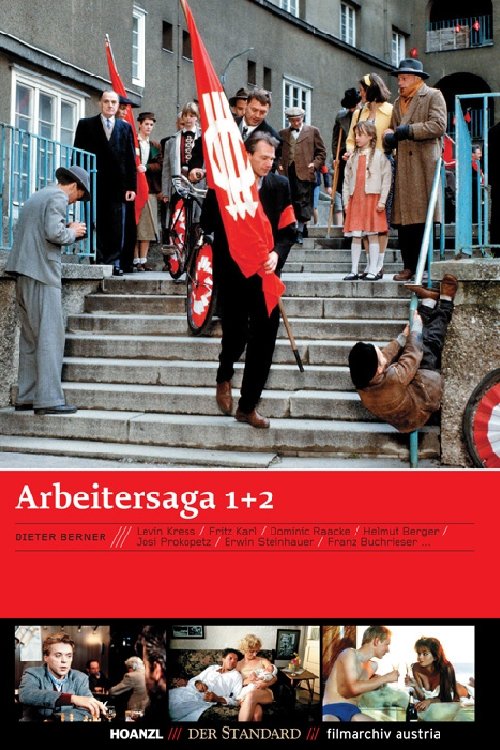
This sociocritical film series in 4 parts is a follow-up to the Alpensaga and depicts the economic and cultural development in Austria after the war. Individual films focus on the themes of individualization and the rise of consume culture as well as the political shift of the dominating social democratic forces from a blue-collar party to more market oriented policies.
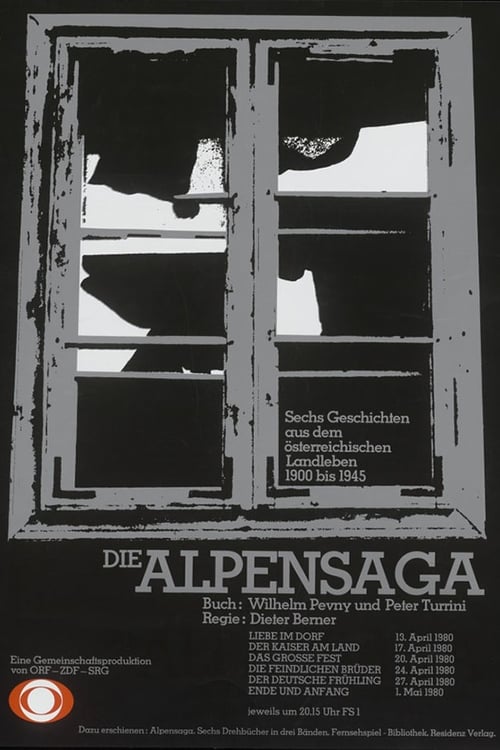
A six-part film series addressing the problems of rural Austria from 1900 to 1945. Contrary to the traditional "Heimatfilm", the Alpensaga detaches itself from typical clichés and tries to depict a critical view of societal structures of the time. World history is shown from the view of a peasant family living in a small village in Upper Austria.
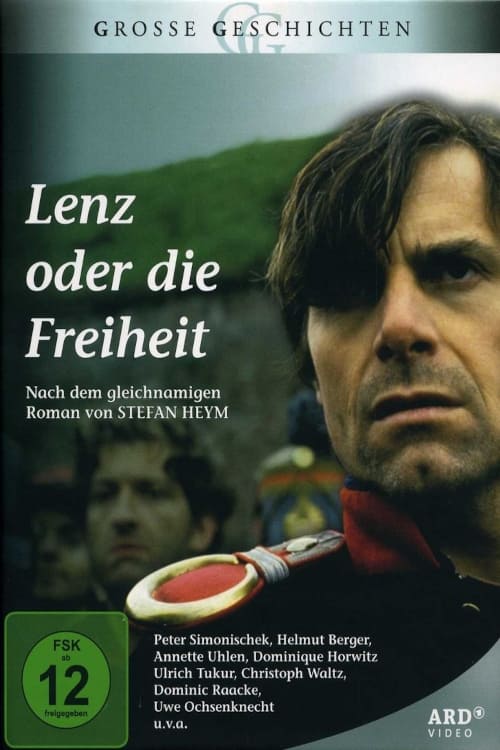
The first German Revolution did not break out in Berlin in 1848, but in the state of Baden. Little is known about the reasons why the Baden Revolution and its seemingly within-reach dream of unity, freedom, and democracy ultimately failed to come to fruition. The desperate struggle of the Baden folk hero and poet of freedom, Andreas Lenz, clearly shows the difficulties of implementing profound changes in a society.
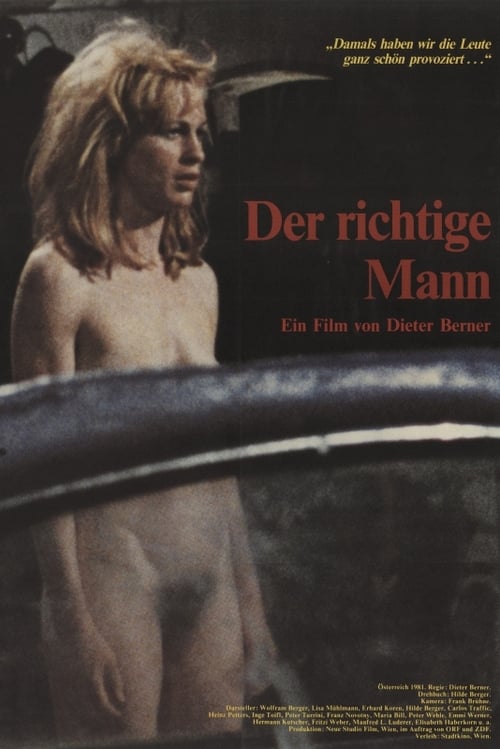
Karl Hirnschall is in his thirties and is a member of a Viennese avant-garde theatre group in the early seventies. When he is finally fed up with acting for low fees, he goes back to his former life. He becomes the "right man" for a grocery firm whose products he sells with great success. The neo-salesman manages to acquire a furnished appartment for himself and his young girlfriend, Traude. When his income does not keep pace with his expenditures, Karl resorts to shady business deals.
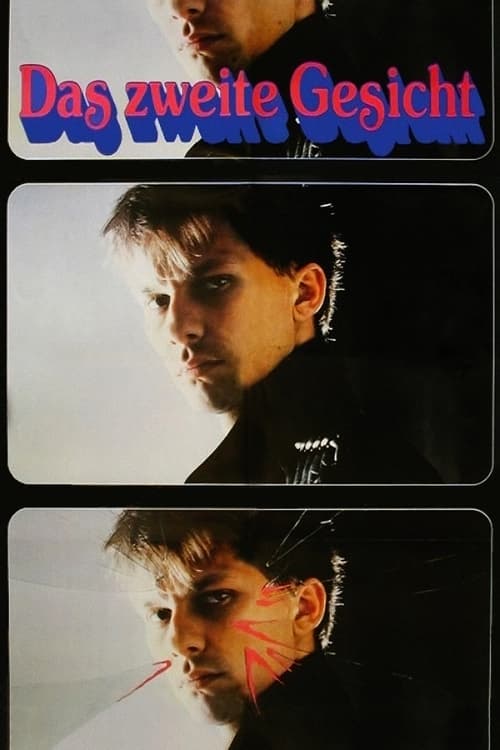
A young woman who works in a bookstore has been terrified by nightmares about having committed suicide in a past lifetime, combined with a sense of déjà vu regarding a specific apartment building. When she meets a young man who works in an optical company, whether she knows it or not, she is that much closer to the truth about her visions.
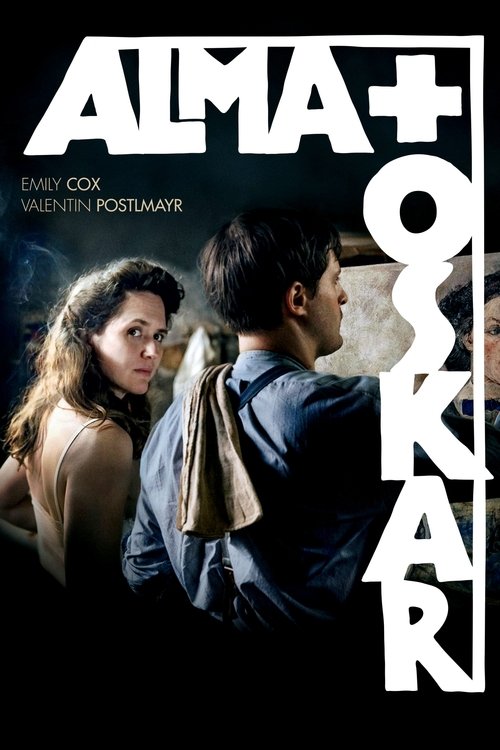
Vienna, Austria, 1912. The brilliant painter Oskar Kokoschka, considered one of the main representatives of the expressionist movement, has a tumultuous relationship, both professional and romantic, with the composer Alma Mahler.
An adaptation of Franz Xaver Kroetz's play by the Theater of Courage, Vienna.
"Miesi" is the story of three Africans attempting to settle down in Austria. A hunting excursion with two boys marks the beginning of something akin to rapprochement and understanding between people of different cultures.
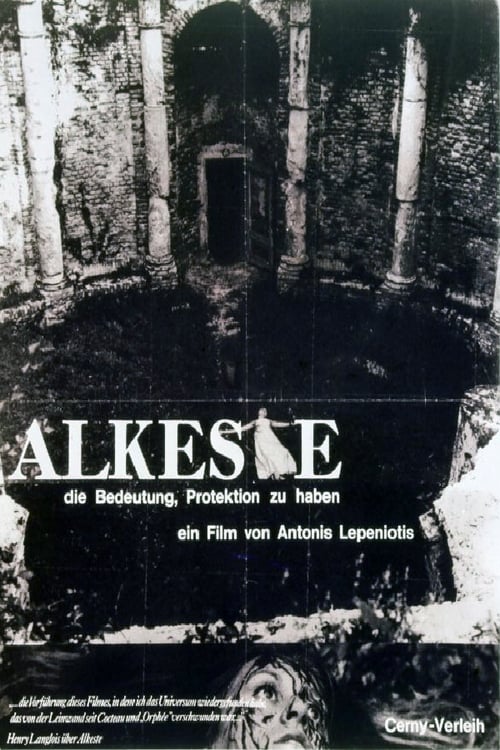
Adi (Admitos) is under the protection of Apollo, the son of a man with money and relationships. The two are in jail, suspected of murder, but without evidence. So they are released. Adi loves Claudia (Alkeste), the domestic partner of his arch enemy, who finds death in a - metaphysical - duel. The power of Apollo is with Adi, who subsequently even finds out how to overcome death, after the apocalypse.
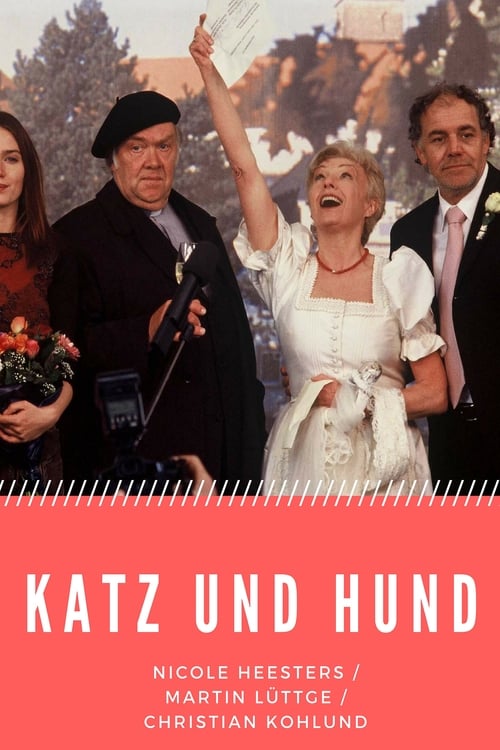
Pastor Hund is horrified: a woman is now in charge of Pfullendorf. The arch-conservative man of God wants to put every stone in Dorothee Auer's path. He doesn't have to look far: Unsuspectingly, the mayor has offered the new business park to a dubious entrepreneur. That could cost her her job! But the lady has something else up her sleeve...