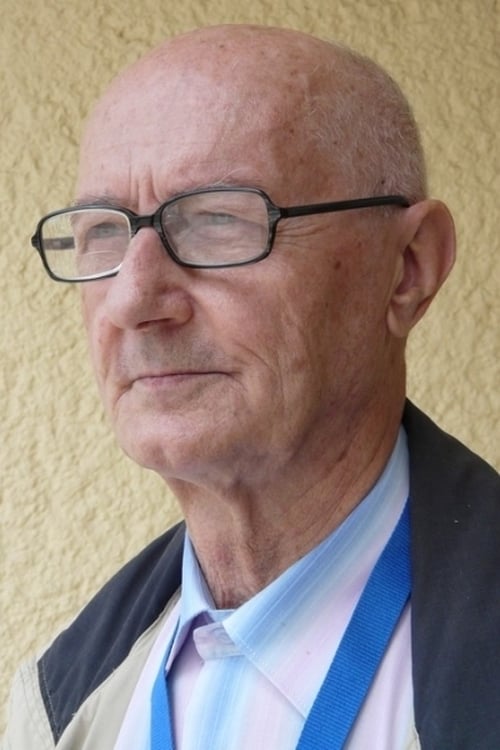
Eduard Grečner
Writing
Biography
Eduard Grečner (1931, Czechoslovakia) is a director and writer, known for his feature debut Every Week Seven Days (1964), Nylon Moon (1965) and Dragon’s Return (1968). From 1950-1954 he studied at FAMU in Prague. Subsequently, he started working as a playwright, screenwriter and director in the Studia Film Studio at Koliba in Bratislava. He was an assistant director to Štefan Uher on his seminal Slnko v sieti (1963), the first work of the Czechoslovak New Wave. Grečner also acted in several films and made many television films. In the late 1980s, he was the first to chair the Slovak Film Association. In the 1990s, he returned briefly to directing and made two films. In 2018, a monograph about him – written by the Czech film scientist Milan Cyroň – was published.
Known For
Television series Golden Sixties examines new insights into Czech and Slovak cinema of the 1960s and the role of the Czechoslovak New Wave. Each episode focuses on a different filmmaker.
Golden Sixties
No description available.
Prvá
No description available.
Bratislavské pondelky
No description available.
Slnko v sieti
An epic exploration of the Czechoslovak New Wave cinema of the 1960s and 70s, structured around a series of conversations with one of its most acclaimed exponents - Closely Observed Trains director Jiří Menzel.
CzechMate: In Search of Jiří Menzel
Barnabáš Kos, a meek and modest triangle-player in a state orchestra finds himself unfathomably promoted to musical director. Now drunk with power, the once timid musician turns into a poised, commanding peacock and seeks to transform the orchestra to suit his own agenda and inflated vision.
The Barnabáš Kos Case
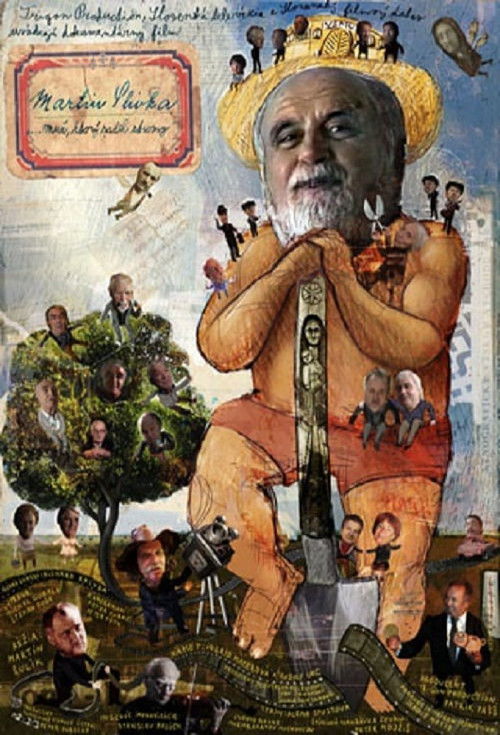
A tribute to Martin Slivka, one of the most important personalities of Slovak cinematography and culture. He was the creator of Slovak documentary ethnographic film, director, screenwriter, dramaturgist, film theoretician, pedagogue, author and ethnograph, but mainly – exceptional person. This documentary is not only a remembrance of maestro Slivka through words of his close friends and colleagues, but also an attempt to slightly uncover the secret of his rich life and work.
Martin Slivka: The Man Who Planted Trees

The sweet story of the Bratislava architect Andrej and the beautiful Vanda, with whom Andrej, who has been cynical about women, falls in love for the first time.
Nylon Moon
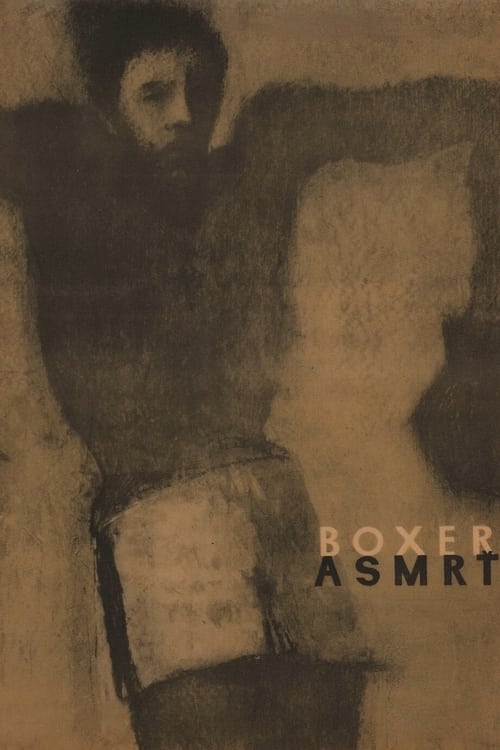
Concentration camp commander Kraft finds out that prisoner Kominek is a former professional boxer. Overnight, the prisoner is made Kraft's exercise partner and unwillingly rises to a privileged position at the camp. His anger over the death of his friend and co-prisoner leads to open revolt. The film brings a new view of human degradation during fascism by a tragic story of one man whose only chance for survival is to accept the rules of an unequal game.
The Boxer and Death
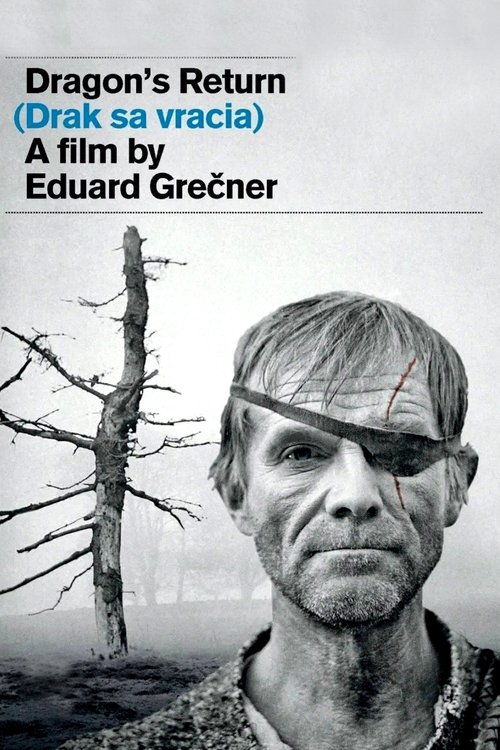
This is a ballad about love, hate, and a search for a way out of loneliness. It is a dramatic story about the strange potter, Martin Leaps, nicknamed Dragon, who is suspected by the villagers as the cause of natural disasters. He lost his wife, his home, and his freedom due to false accusations. After years he returns to his native village. Putting his own life to risk, he saves a herd of cows from a forest fire in the hills. But not even this heroic deed helps him to win back the friendship of the locals.
Dragon's Return
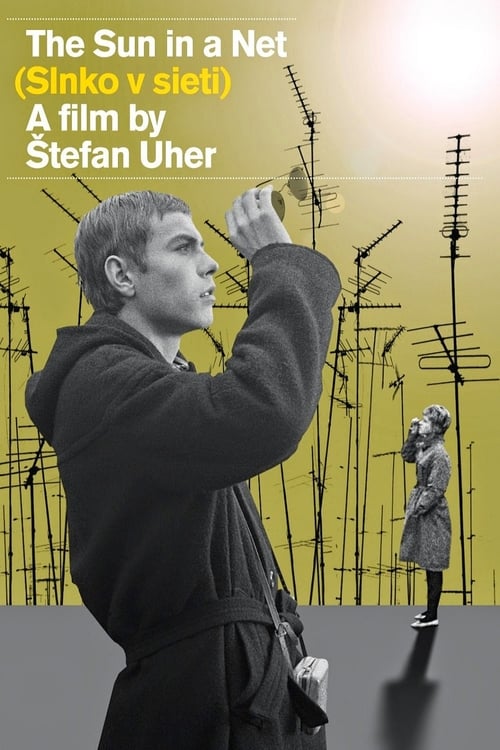
Oldrich "Fajolo" Fajták (Marián Bielik), a student who directs quasi-existentialist verbal abuse at his girlfriend Bela Blazejová (Jana Beláková), takes off to a formally volunteer summer work camp at a farm where he meets her grandfather.
The Sun in a Net
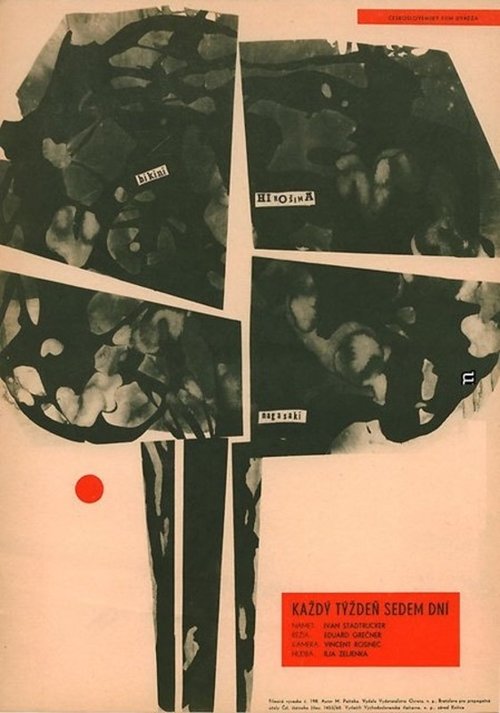
The film could have been a lyrical evocation of the ČSSR's first generation: the youngsters born during the war, who grew up in a state violently at pains to find and define itself, and were now ready to break away from the nation-builder ethics of their elders – but Grečner turned it into an anxiety-riddled existentialist vision of a whole globe in fear.
Every Week Seven Days
The plot takes place in the revolutionary year of 1848. It takes us to Príbelice, where Janko Kráľ returns from Pest after the March Revolution, to acquaint the Slovak people with the famous Twelve Points, together with his friend, teacher Ján Rotarides. They were voted on at the last Hungarian Diet in Bratislava with the promise of freedom and equality for Slovaks.
Príbelská vzbura Janka Kráľa
No description available.
Strieborný Favorit
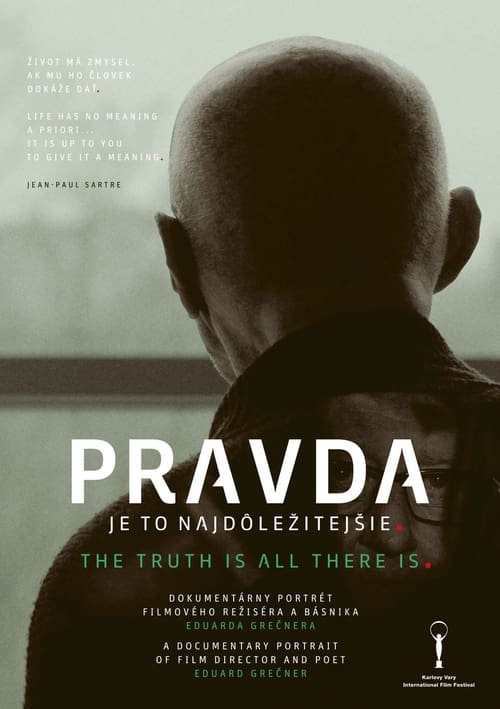
Eduard Grečner. Film director, dramaturge, publicist and poet. A talented fi lmmaker with precise artistic goals which, due to circumstances and the times, he was not always able to realise. Refl ections on the ideological and aesthetic starting points he consecutively followed during his creative career, [as well as] on the meaning and mission of art and the principles that art should never abandon. [It is] about reality limiting the freedom of artistic expression, confl icts with power and the consequences that Eduard Grečner – a human being and an artist – decided to face without ever compromising his own views and conscience, because the truth is all there is.
The Truth Is All There Is
A film examines the inner worlds of the three protagonists - two women living in solitary seclusion and a man suddenly breaking into their privacy.
Earthly Disturbance

A documentary on how American films are made well at the renowned Studio Koliba, Slovakia and also the harsh and cruel view of why films do not go well in SR.
Koliba: Forgotten Glory of Slovak Film Studios
Television film, based on Rudolf Jašík's novel of the same name, tells the story of a blind boy rejected by his own family.
Mŕtve oči
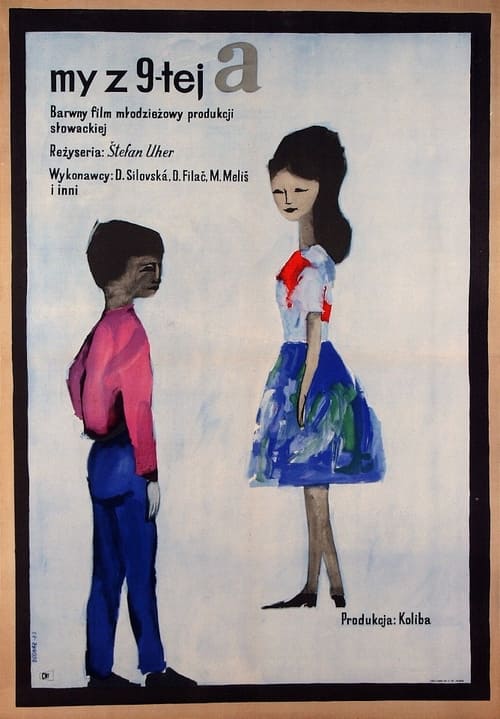
A contemporary story about the emotional maturation of fifteen-year-olds, their relationships with school and their future profession. A secret group of "Timurs" works at the school, which condemns shortcomings in behavior and works for the benefit of the students. Against the background of their detective work, the relationship between Ivan and Dana develops, which is disrupted by Dana's irreversible vision defect.
My z deviatej A
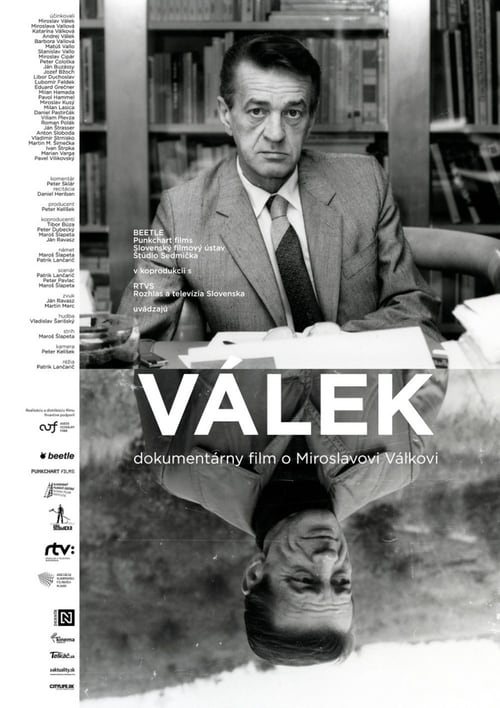
Miroslav Válek was a Slovak poet whose sensitive and intimate work clashed with his political engagement in the communist party. How to approach this discrepancy, how to cope with it? Can one read poems while disregarding their author?